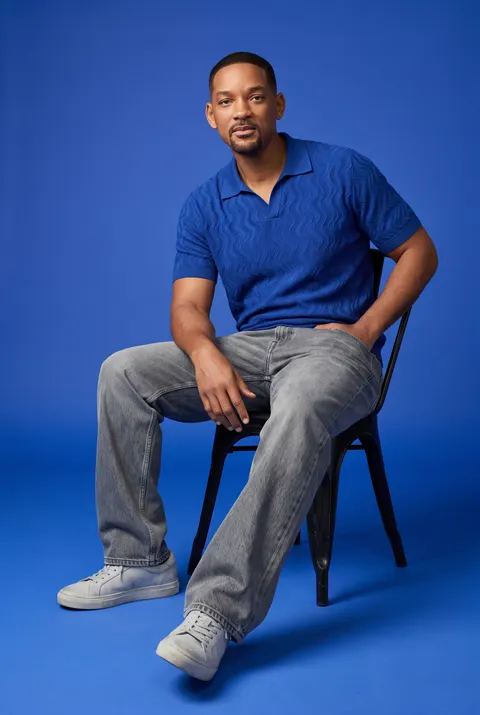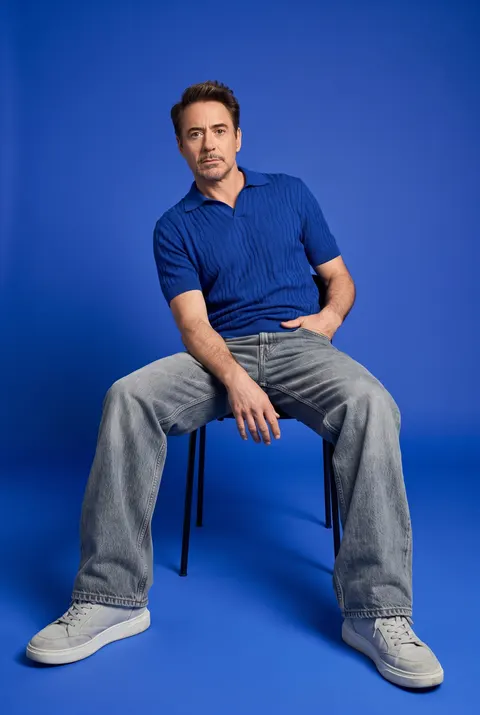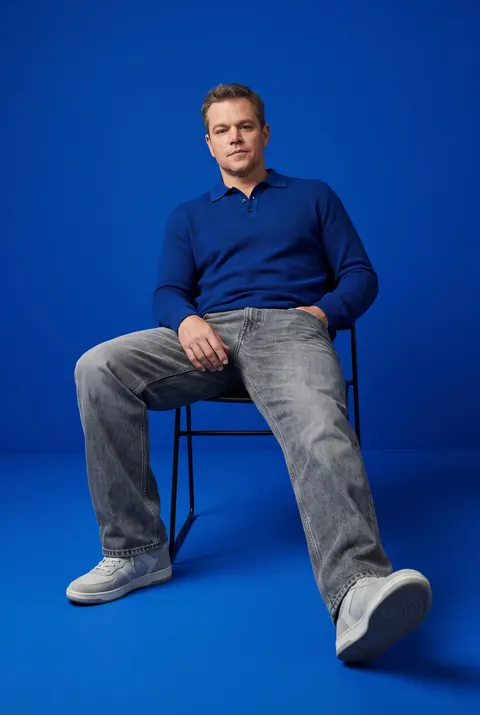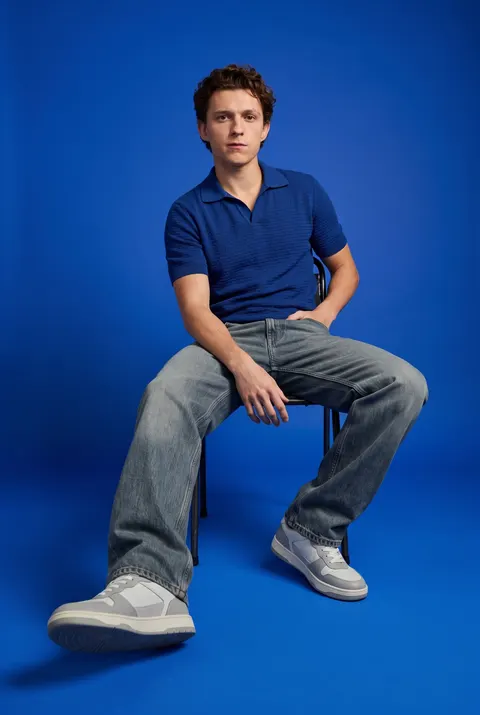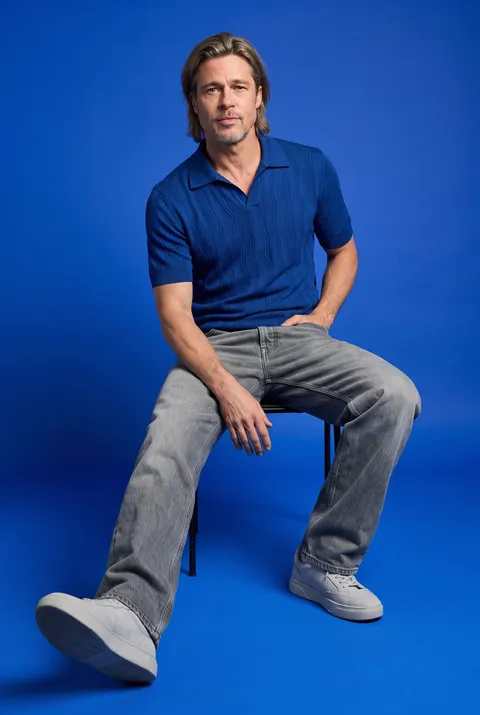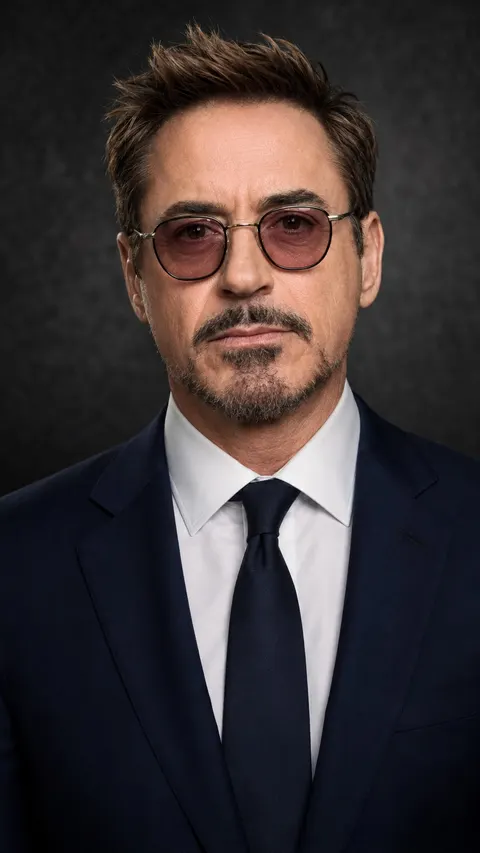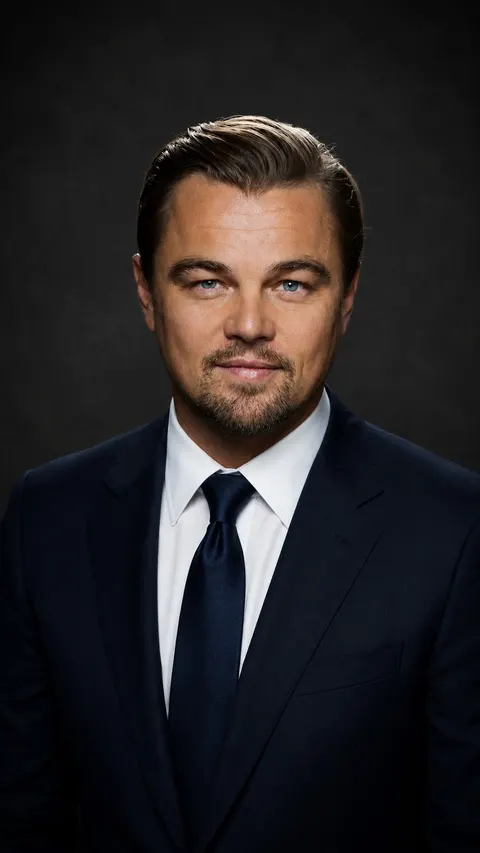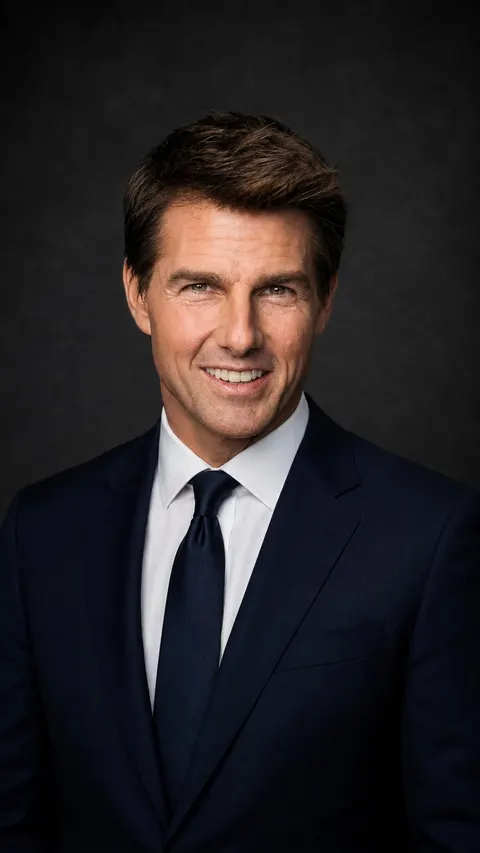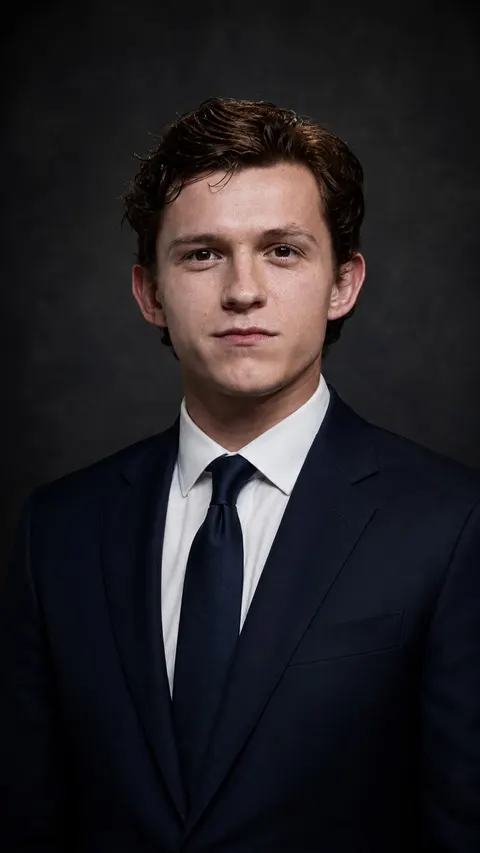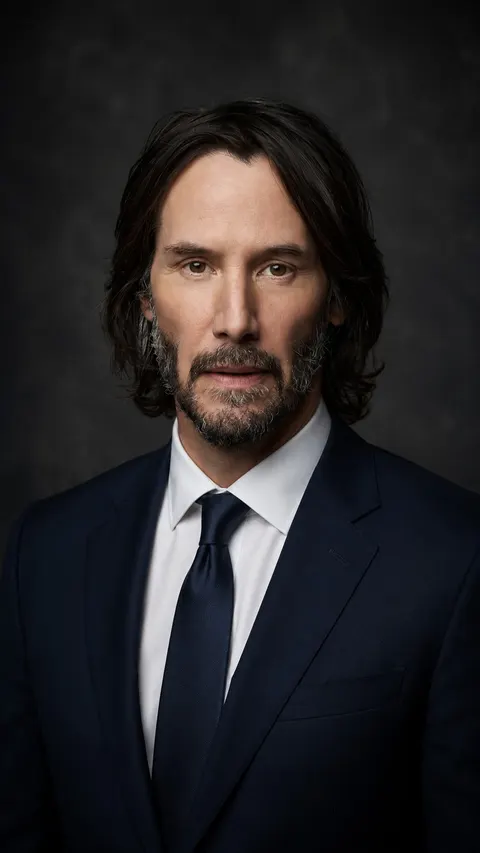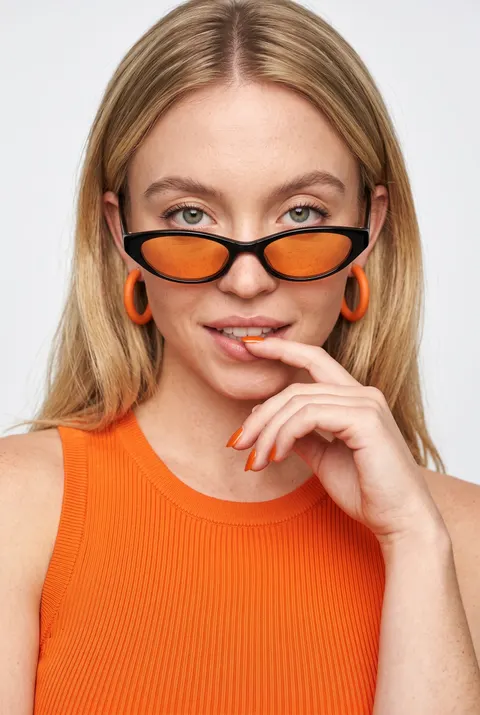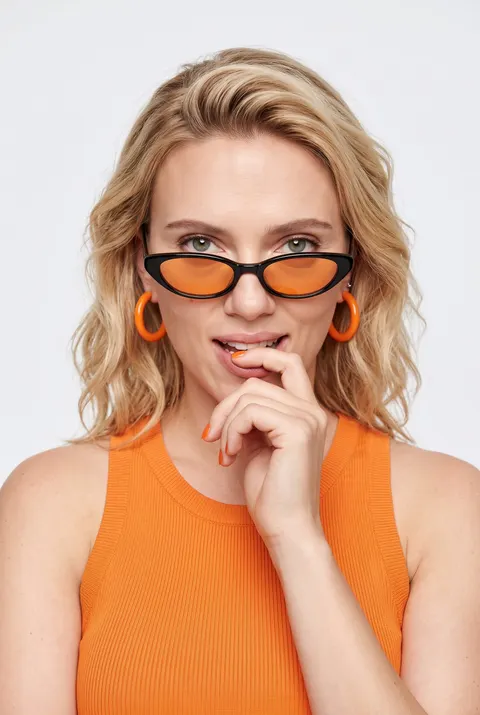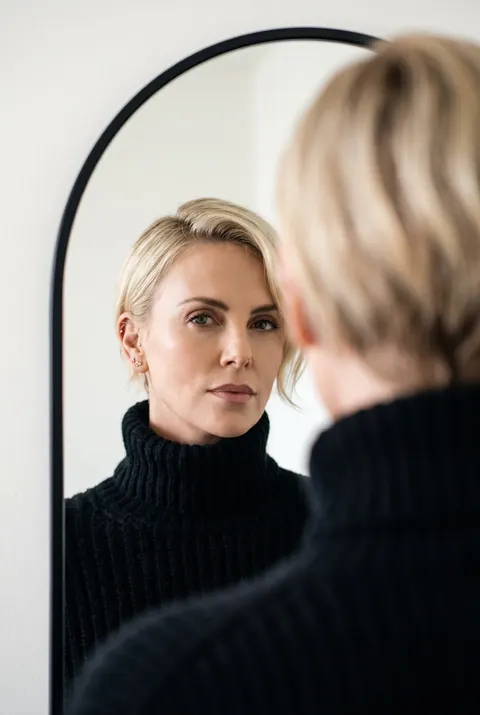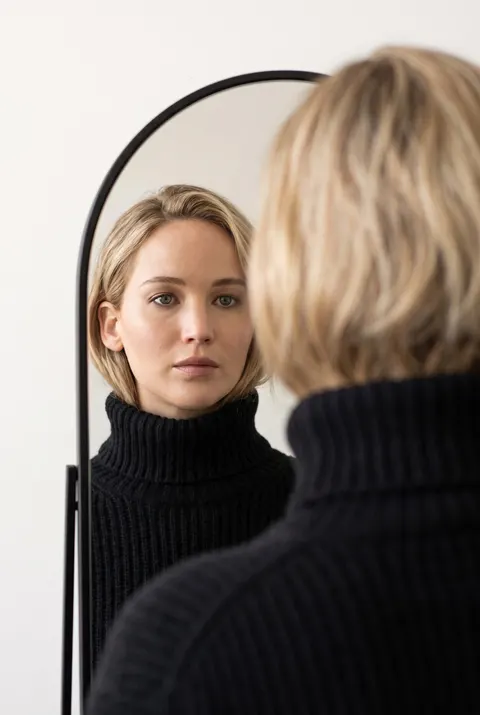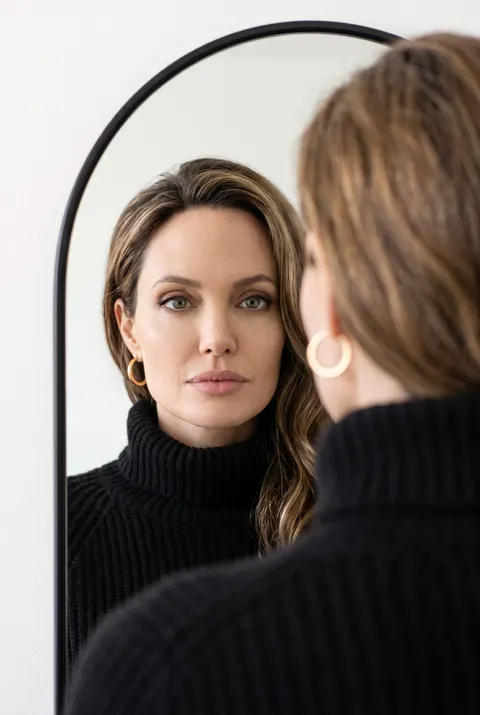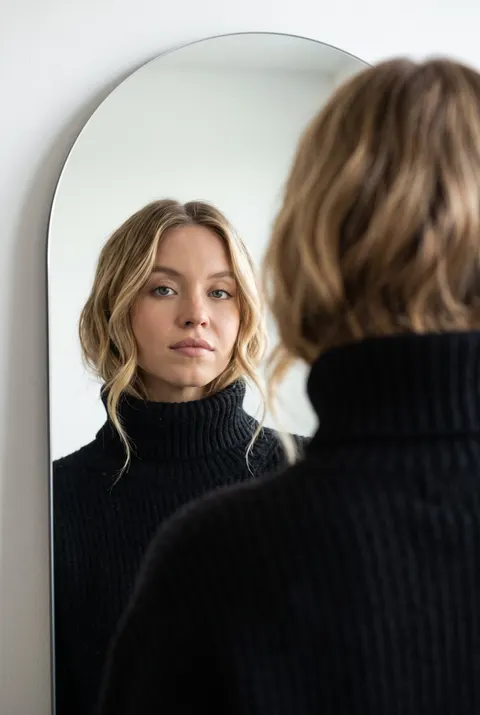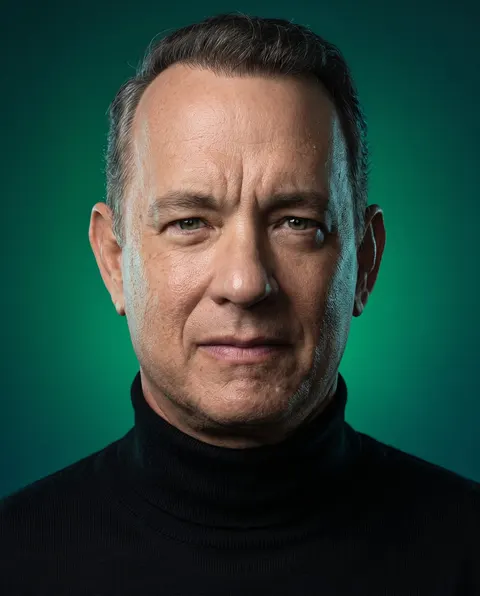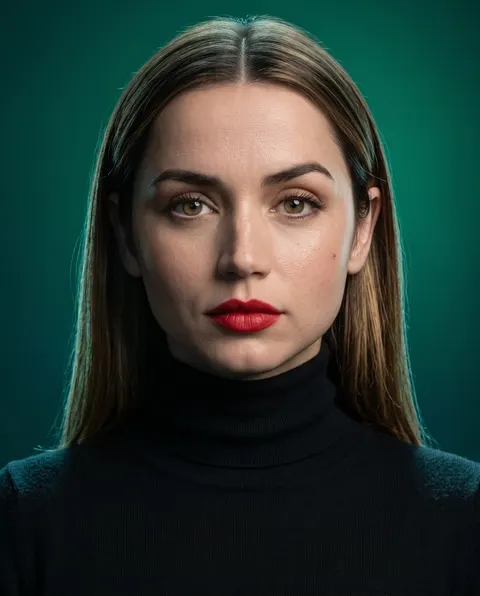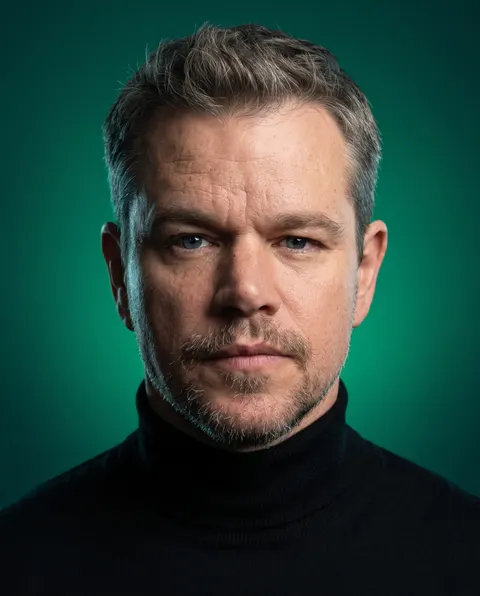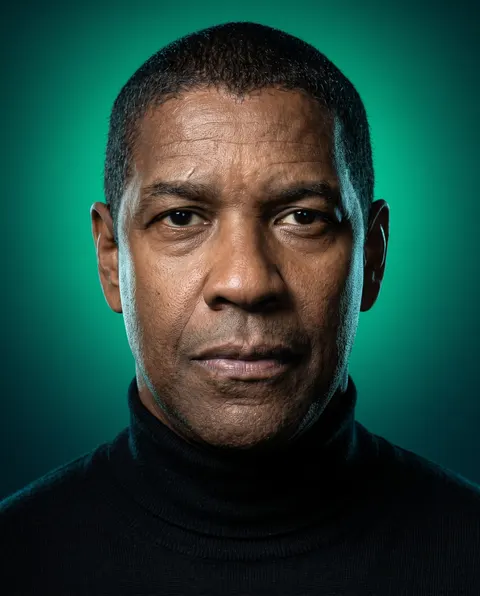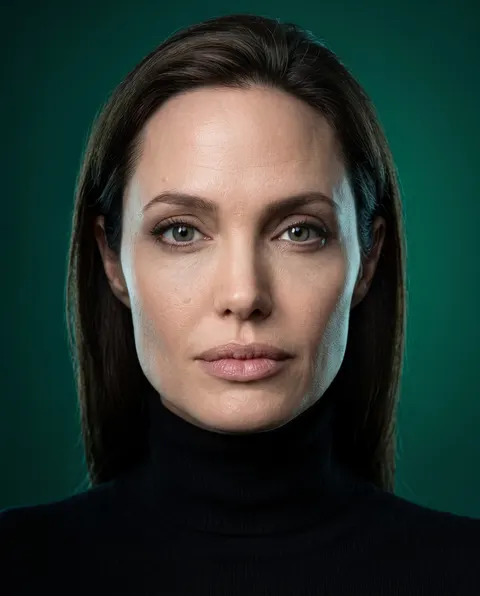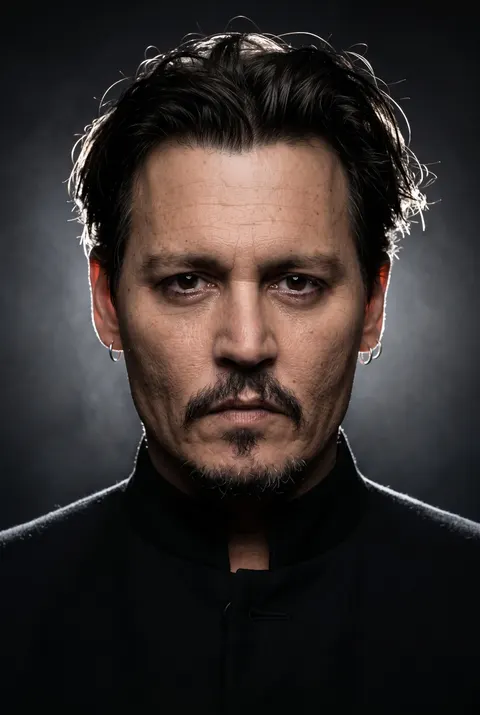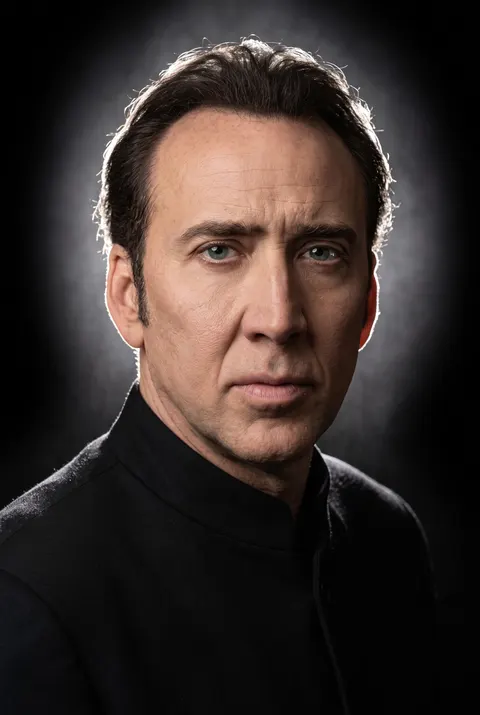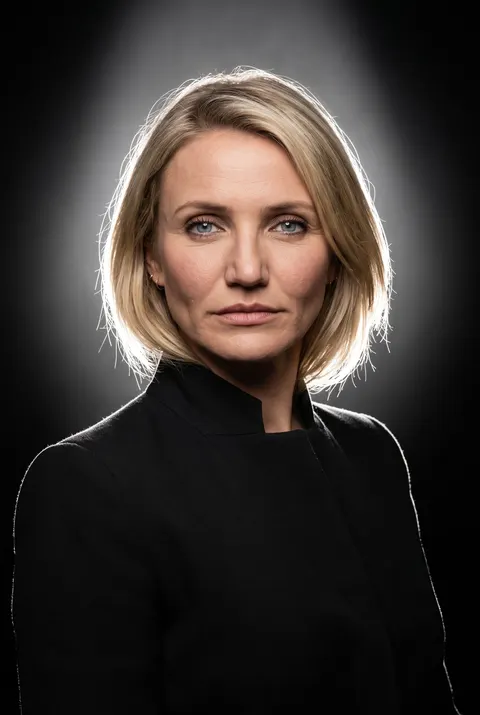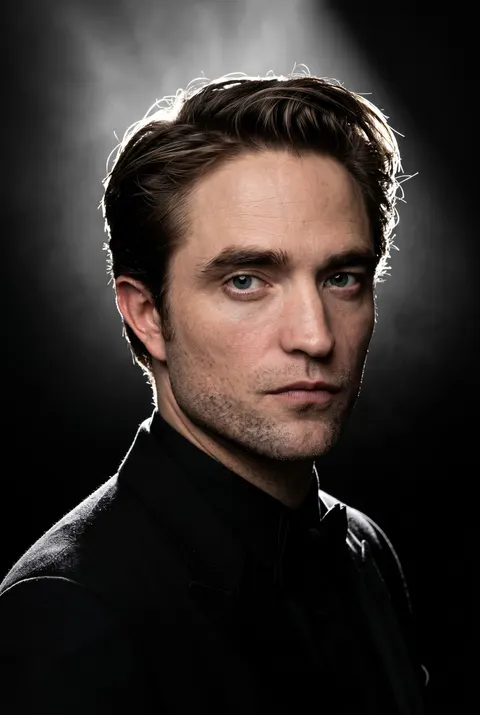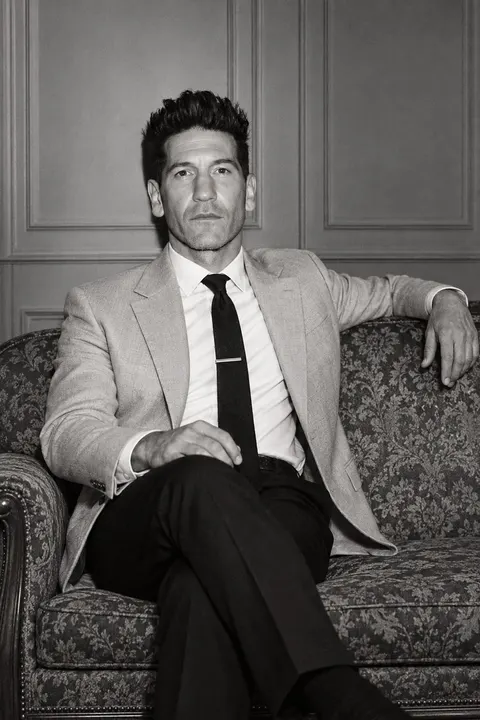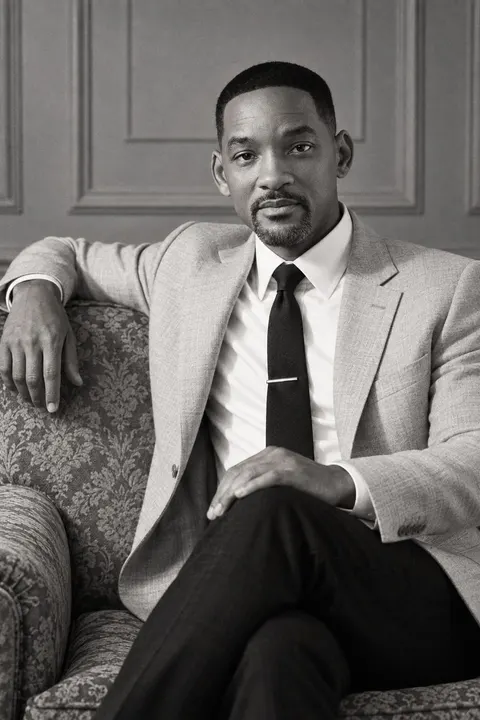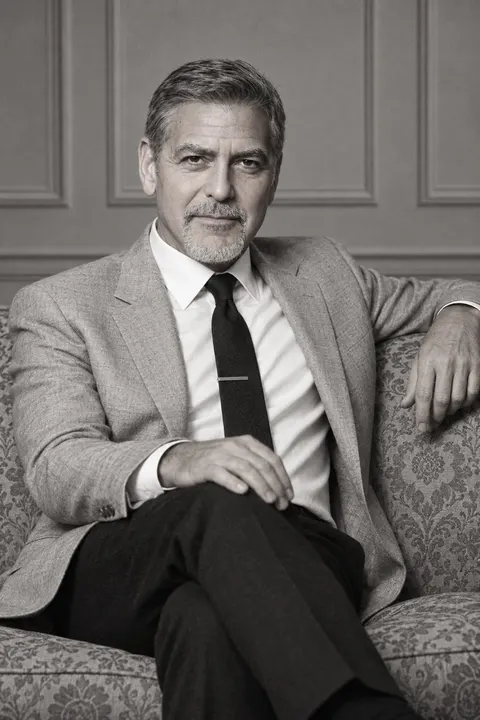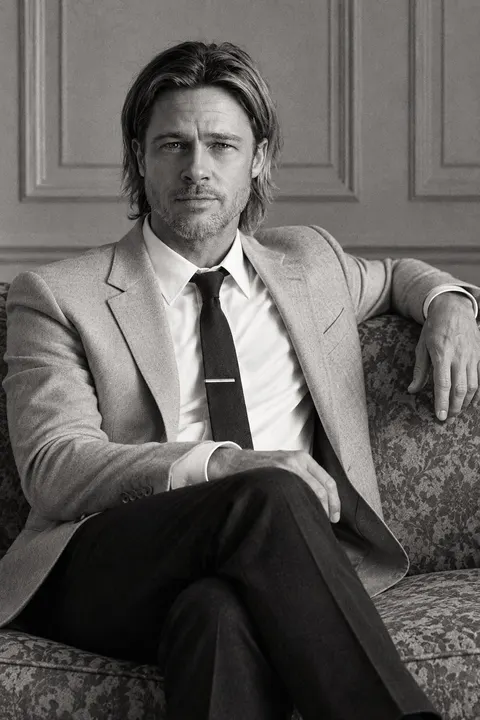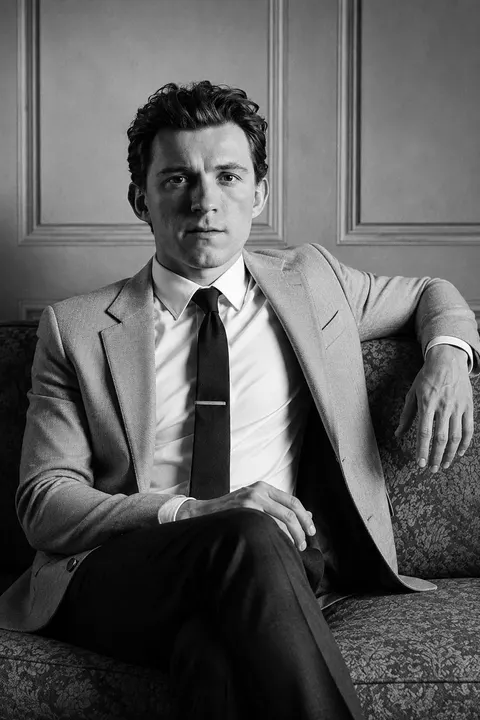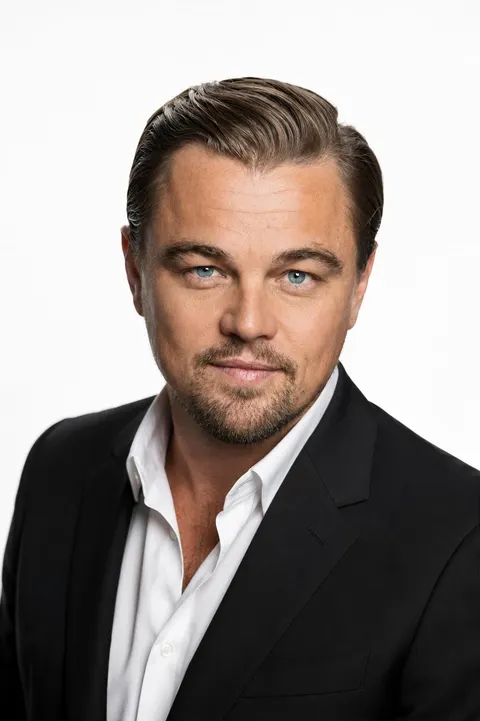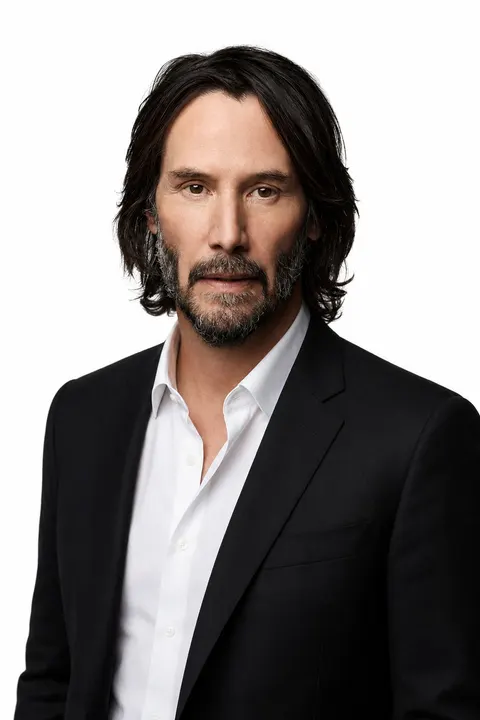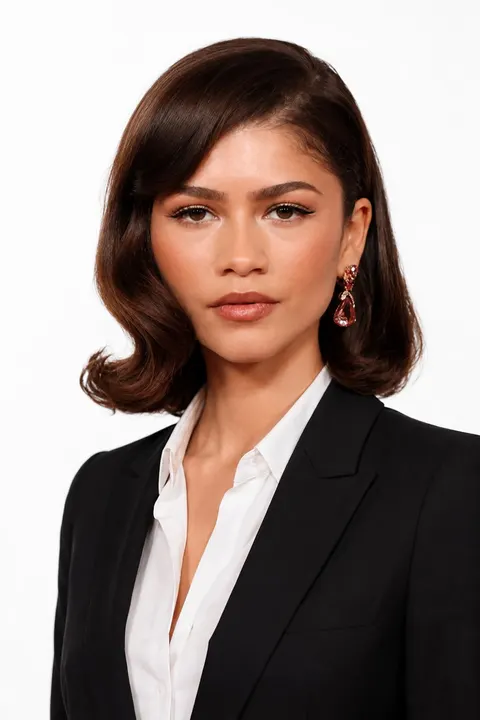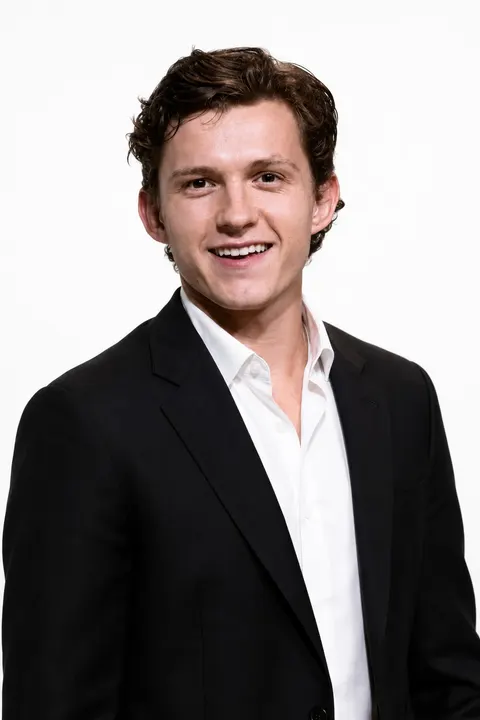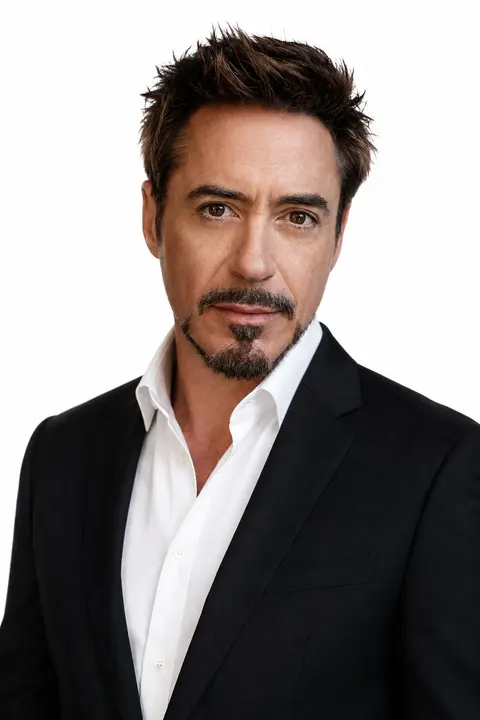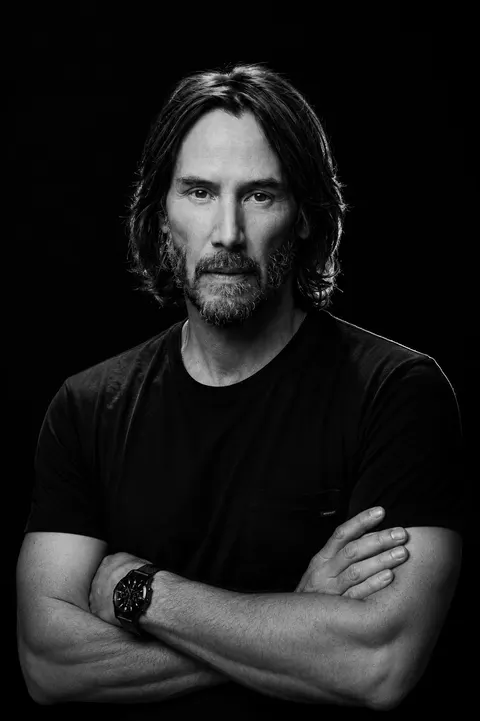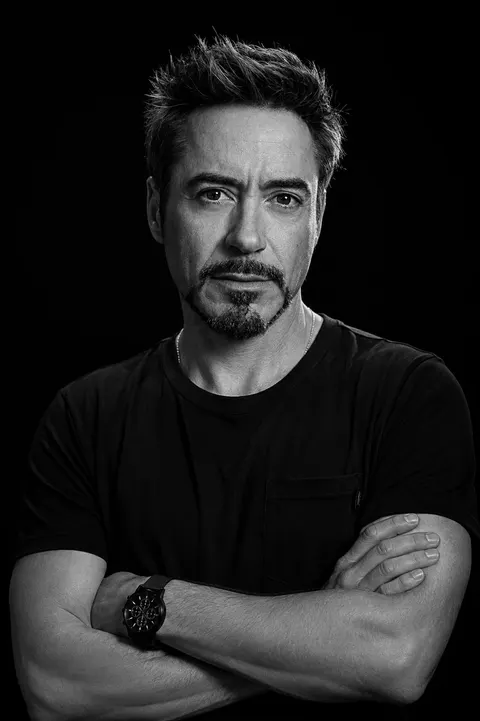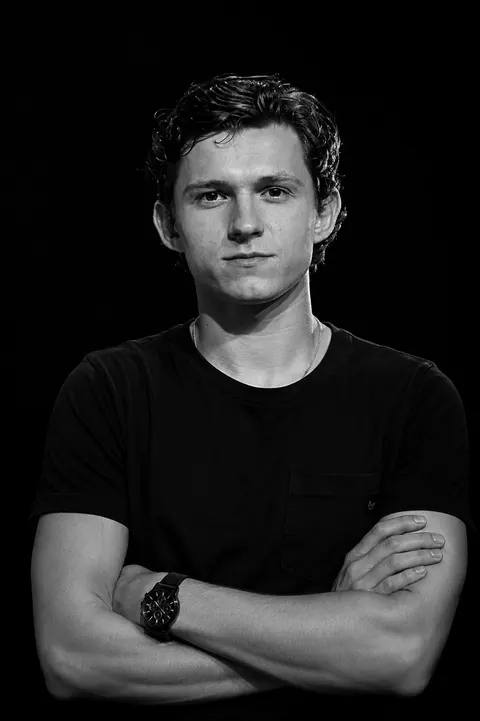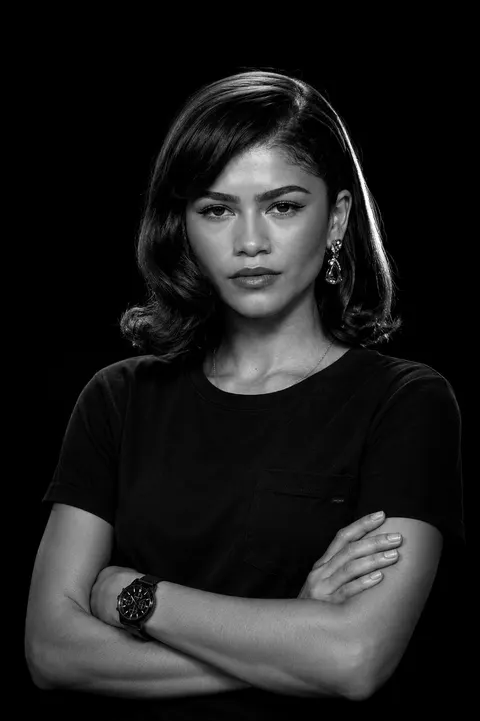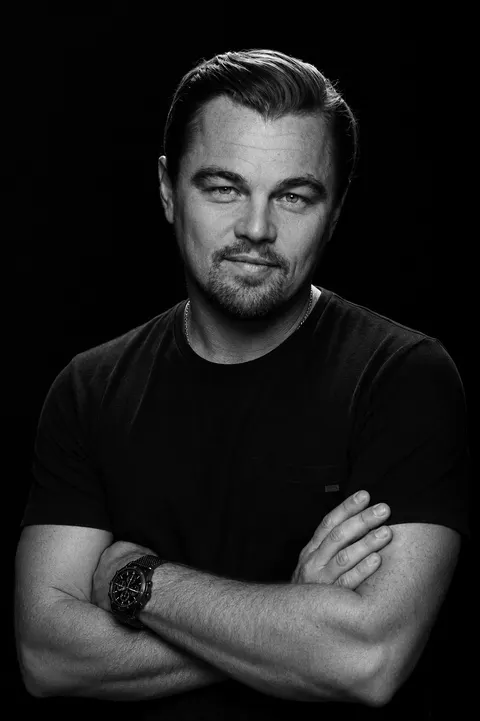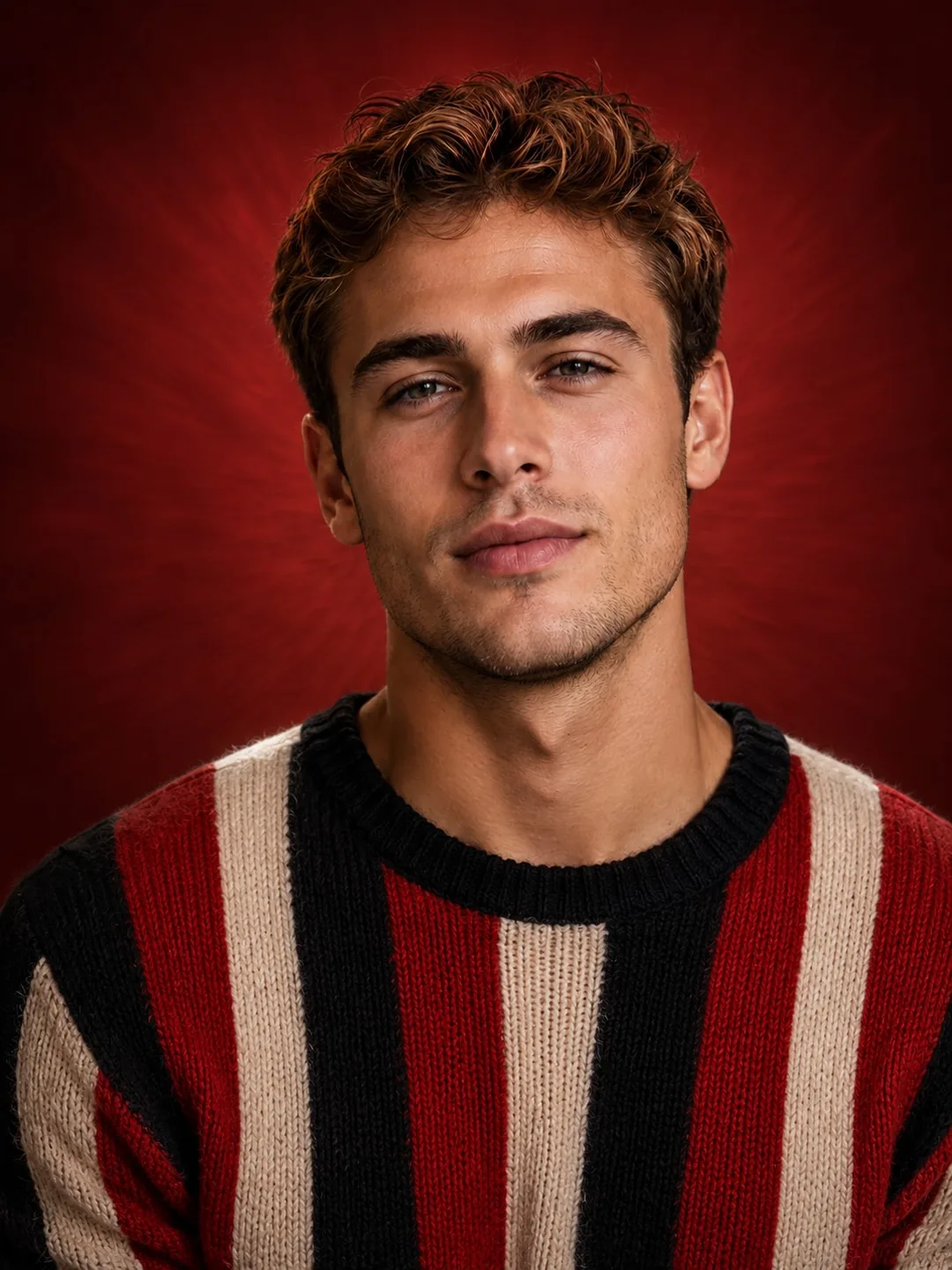
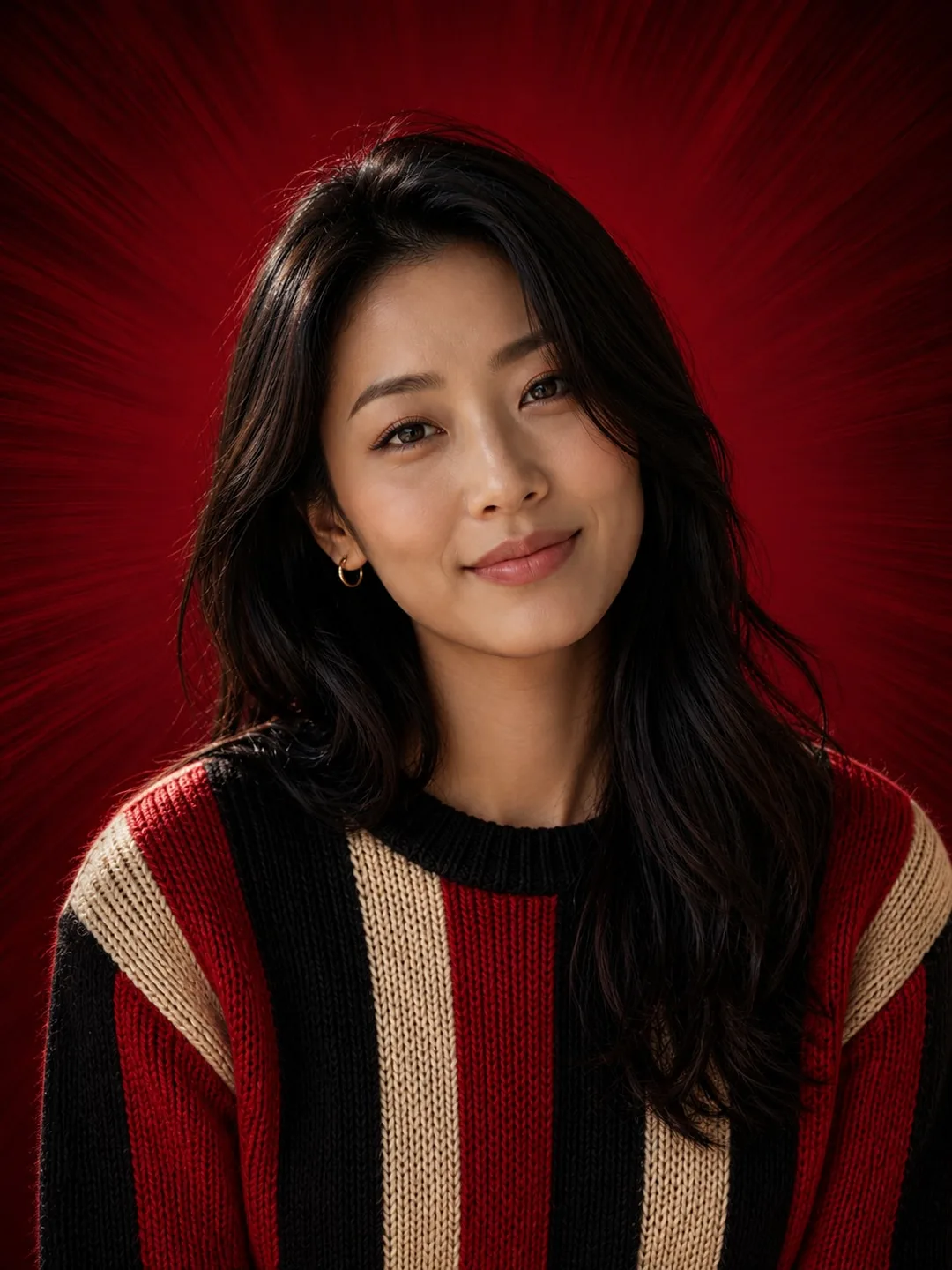
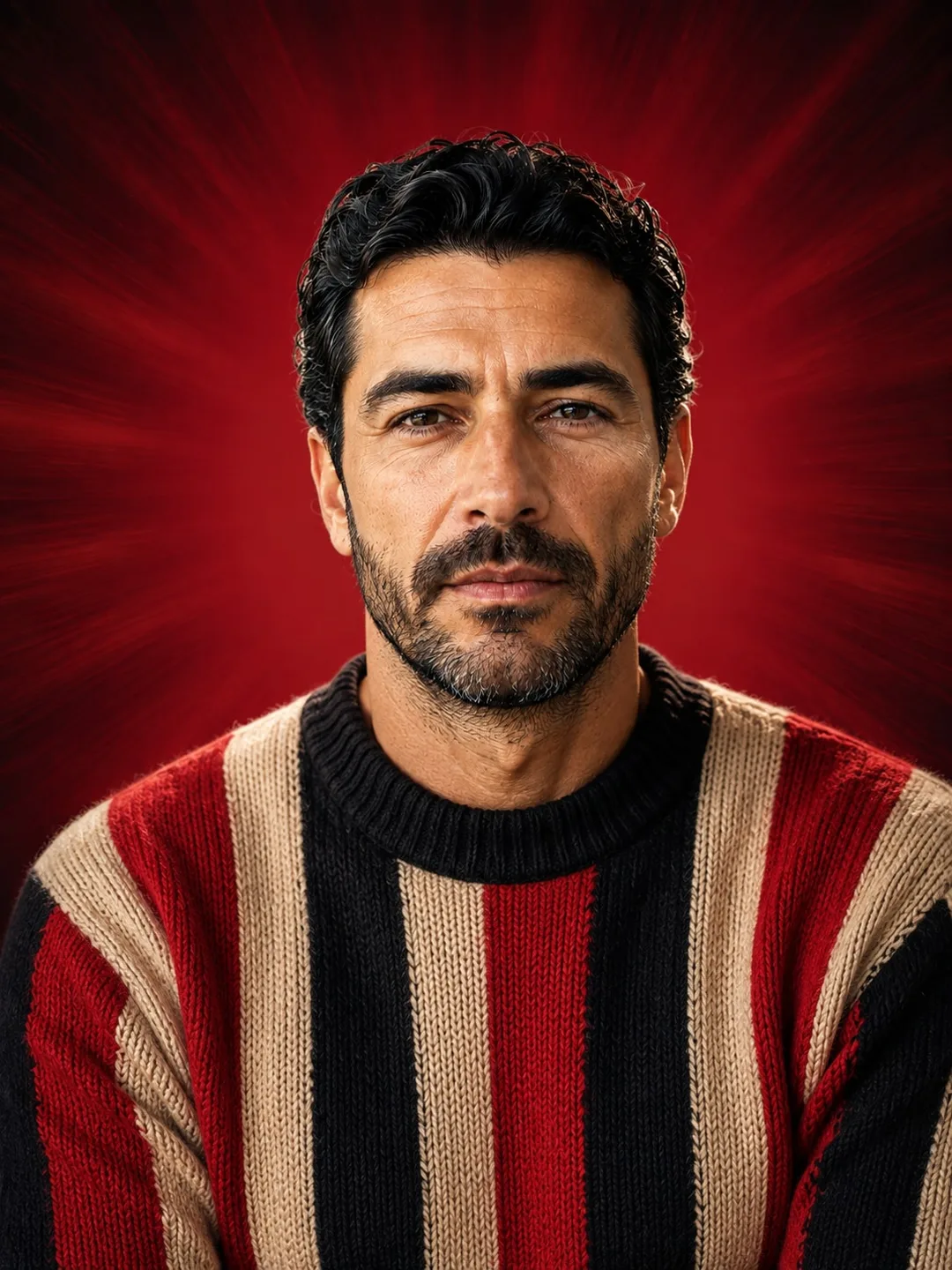
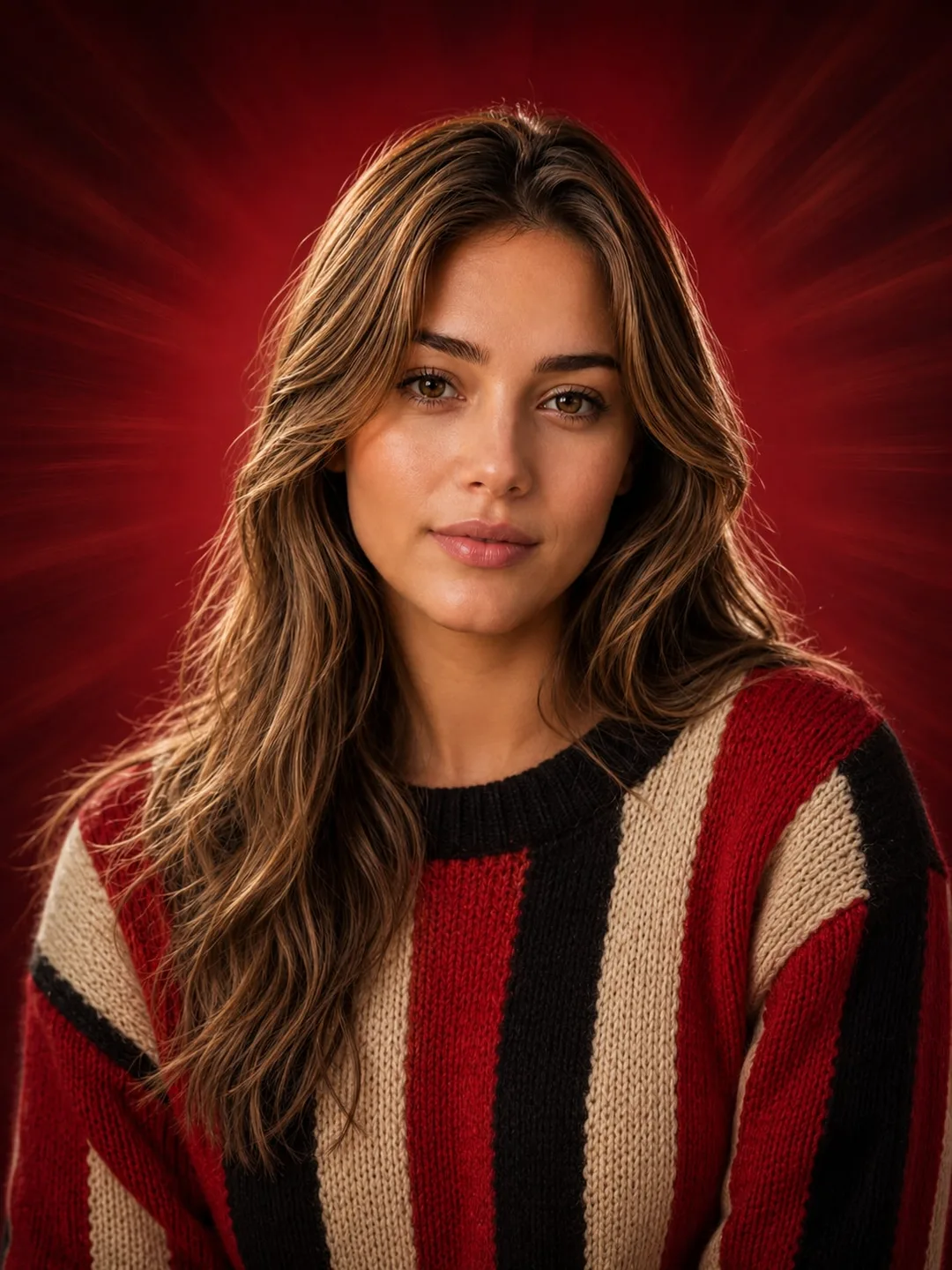
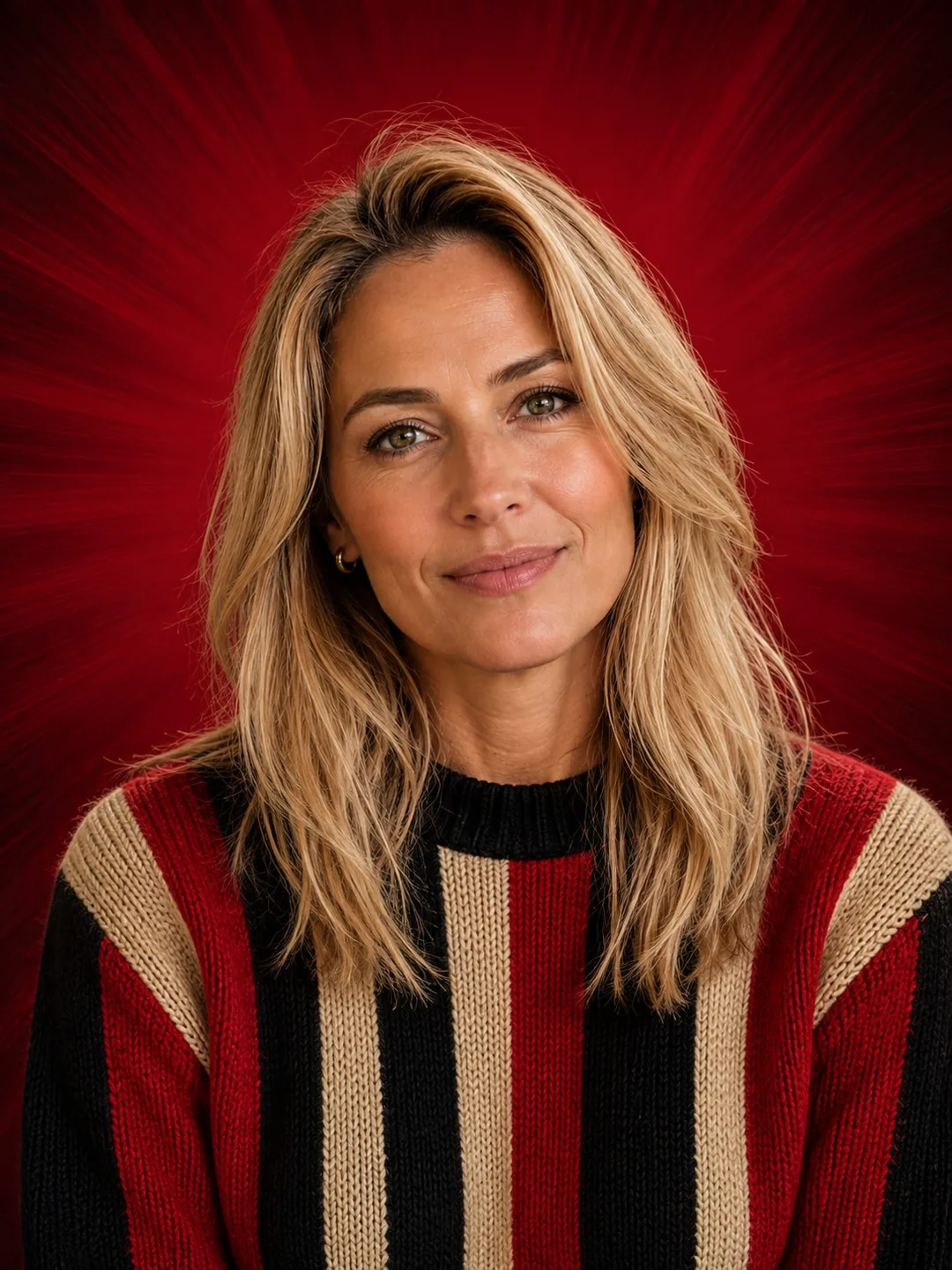
Red Radial Editorial Knitwear Portrait
Editorial studio portrait prompt: deep red radial-blur backdrop, striped chunky knit sweater, magazine-grade lighting. Copy the full locked master prompt.
Prompt
# LOCKED MASTER PROMPT — RED RADIAL EDITORIAL KNITWEAR PORTRAIT

## ROLE

You are a world-class editorial studio portrait photographer and a cinematic color/retouch specialist.
Create a premium, photorealistic editorial studio portrait using the **ATTACHED REFERENCE IMAGE as the identity source**.
The output must look like a professionally photographed magazine cover portrait captured on a high-end full-frame or medium-format camera in a controlled studio, with the background treatment applied as a deliberate post-production effect.
It must NOT look like an AI-generated image, a stock photo, a 3D render, or a social-media filter result.

Aspect ratio: **3:4 vertical.**

---

# 1. IDENTITY LOCK — ABSOLUTE PRIORITY

Use the person from the **ATTACHED REFERENCE IMAGE**.
Preserve the person's identity with maximum fidelity.
DO NOT redesign, beautify, reinterpret, slim, widen, or idealize the person.

Preserve exactly:

* Facial geometry and skull proportions
* Face shape and width-to-height ratio
* Forehead height and hairline shape
* Eyebrow shape, thickness and spacing
* Eye shape, size, spacing and eyelid structure
* Nose bridge, tip and nostril structure
* Cheekbone height and projection
* Jawline definition
* Chin shape and projection
* Lip shape, thickness and proportions
* Natural facial asymmetry
* Skin tone and undertone
* Natural skin texture, pores and blemish character
* Hair color, density and growth pattern
* Facial hair, if present
* Age and apparent age
* Any moles, scars or distinguishing marks

The person must remain unmistakably the same individual as the reference.

**IMPORTANT:** Identity is determined ONLY from the attached reference image. Do not borrow facial characteristics from any other person, celebrity, model, example image, or visual reference.

### HAIR TREATMENT
Keep the reference hairstyle, but style it as **slightly messy and naturally textured**, with visible individual strands and a small amount of directional movement.
Do NOT slick the hair down. Do NOT create a rigid, gelled, sculpted or wet-look hairstyle.
Do NOT change hair length, hair color, or hairline position from the reference.

---

# 2. COMPOSITION LOCK — CRITICAL

### Camera position
Place the camera at **eye level, or a maximum of 5 degrees below eye level**.
The lens axis is aligned with the subject's eyes.

Do NOT use a low hero angle.
Do NOT use a high angle looking down.
Do NOT tilt the camera (no dutch angle).
Do NOT use a wide-angle perspective from close distance.

### Orientation
The subject faces the camera in a **near-frontal orientation**.
The shoulders may be rotated a maximum of **10–15 degrees** away from the lens axis; anything beyond that is a three-quarter pose and is not allowed.
The head remains squared to the camera.

---

# 3. FRAMING LOCK — CRITICAL

Use a **chest-up medium close-up portrait**.

Show:

* Entire head, including full hair silhouette
* Neck
* Both shoulders, fully inside the frame
* Upper chest down to approximately the mid-sternum line

The subject occupies approximately **60–70% of the vertical frame** and approximately **50–60% of the horizontal frame**.

### HEADROOM LOCK
Leave approximately **8–12% of the total frame height** as empty space above the top of the hair.
The top of the hair must NOT touch or exceed the upper frame edge.

### CROP LOCK
Do NOT crop the top of the head.
Do NOT crop either shoulder at the vertical frame edges.
Do NOT crop below the mid-torso into a waist-up or half-body composition.
Do NOT tighten into a face-only close-up.
Do NOT produce a passport or ID-style headshot.

---

# 4. SUBJECT POSITION

Center the subject horizontally, with a permitted deviation of no more than **5% of frame width** in either direction.
The vertical eye line sits at approximately **35–42% down from the top of the frame**.
The shoulders extend symmetrically toward the lower left and lower right of the frame and exit the bottom edge naturally.
Negative space must remain balanced on both sides of the head; asymmetric side spacing is not permitted.

---

# 5. HEAD, GAZE & EXPRESSION

The head is level and squared to the camera, with no more than **5 degrees** of tilt in any direction.

The subject looks **directly into the lens**, establishing clear eye contact with the viewer.
Both eyes are fully visible, open, and equally catch-lit.

Expression:

* Relaxed
* Confident
* A light, closed-lip or barely open natural smile
* Warm but composed
* Genuine rather than performed

Do NOT produce a wide open-mouth laugh.
Do NOT produce a full teeth-forward commercial grin.
Do NOT produce a blank, cold, or aggressive expression.
Do NOT direct the gaze off-camera, upward, or downward.
Do NOT create an exaggerated model-agency facial expression.

---

# 6. WARDROBE LOCK

Dress the subject in a **bold vertically striped chunky knit sweater**.

Construction:

* Heavy-gauge knitted wool or wool-blend yarn
* Visible knit stitch structure, with individual loops and yarn fibers readable at close inspection
* Ribbed crew neckline sitting flat against the base of the neck
* Fitted through the shoulders, with natural fabric drape rather than a shrink-wrapped silhouette
* Slight surface fuzz consistent with real knitted wool

Stripe specification:

* **Vertical** stripes only, running parallel to the body's vertical axis
* Three colors: a saturated red, a warm cream/off-white, and a dark near-black tone
* Stripe width approximately **3–6 cm** at real-world scale, consistent across the garment
* Stripes follow the contour of the chest and shoulders with realistic perspective distortion — they must bend with the body, not sit flat like printed graphics

Do NOT use horizontal stripes.
Do NOT use diagonal or chevron stripes.
Do NOT add logos, brand marks, text, embroidery, patches or graphics.
Do NOT add a jacket, coat, collar shirt, t-shirt, hood or layered garment over or under the sweater.
Do NOT render the knit as smooth, flat, printed or plastic fabric.

---

# 7. BACKGROUND LOCK — CRITICAL

Use a **deep red seamless studio backdrop** filling the entire frame behind the subject.

Color character:

* Deep, saturated, slightly desaturated-toward-crimson red
* Darker and richer toward the frame corners
* Marginally brighter immediately behind the subject's head and shoulders, creating natural separation

The backdrop is a plain paper or fabric cyclorama positioned approximately **1.5–2.5 meters** behind the subject.

NO objects.
NO furniture.
NO architecture.
NO windows, doors, walls or corners.
NO visible studio equipment, stands, cables or light modifiers.
NO printed patterns, textures, fabric weave or wrinkles.
NO scenery or environmental context.
NO cast shadow of the subject on the backdrop.
NO text, typography or graphic elements.

---

# 8. RADIAL MOTION BLUR LOCK — CRITICAL

Apply a **radial zoom motion blur** to the background as a post-production effect.

Behavior:

* The blur radiates **outward from a center point aligned with the subject's face**
* Blur streaks travel radially, from the center toward the frame edges
* Blur intensity is **zero at the center** and increases progressively toward the corners
* At the extreme frame corners the streak length reaches a moderate maximum — visible and energetic, but never dissolving the background into unreadable smear
* The effect reads as controlled, intentional, and photographic

### PROTECTED ZONE — MANDATORY
The subject is completely **excluded** from the blur.

* Face, hair, neck, shoulders and sweater remain **100% sharp**
* A clean protected margin extends approximately **5–10% of frame width** beyond the subject's silhouette before any blur begins
* The transition from sharp subject to blurred background is clean and edge-accurate

Do NOT apply rotational or spin blur.
Do NOT apply linear or directional motion blur.
Do NOT apply a uniform gaussian blur across the background.
Do NOT let the blur streaks cross over, cut into, or ghost through the subject.
Do NOT create a halo, glow, outline or cut-out fringe where the sharp subject meets the blurred background.
Do NOT smear the hair strands into the background.
Do NOT create a tunnel, portal, vortex, starburst or light-speed science-fiction effect.

---

# 9. LIGHTING LOCK — CRITICAL

Use dramatic directional studio lighting with controlled, readable shadow shaping.

### KEY LIGHT
Position a medium softbox or beauty dish approximately **35–45 degrees** to one side of the camera axis and **15–25 degrees above** the subject's eye level.
The key light produces:

* Crisp, defined highlights on the forehead, cheekbone, nose bridge and jaw of the lit side
* A soft-edged but clearly directional shadow on the opposite side of the nose and cheek
* A visible, structured catchlight in both eyes
* Full, dimensional modelling of the facial planes

Shadow edges must be **soft but defined** — not razor-hard, not diffuse and shapeless.

### FILL
Add a low-output fill from the opposite side at a key-to-fill ratio of approximately **4:1**.
The shadow side retains readable detail in skin texture and sweater knit.

Do NOT flatten the face with on-axis frontal lighting.
Do NOT use ring light.
Do NOT use flat, even, shadowless beauty lighting.
Do NOT crush the shadow side of the face into pure black.
Do NOT blow out the highlight side into detail-free white.

---

# 10. RIM / EDGE LIGHT

Add a subtle rim light from behind and slightly above, positioned approximately **120–150 degrees** from the camera axis on the shadow side.

The rim light separates:

* Hair silhouette
* Ear
* Jawline edge
* Shoulder line

from the red backdrop.

Rim output must sit approximately **1 to 1.5 stops below** the key light.
The rim must read as a physically believable specular edge on real hair and real wool.

Do NOT create a continuous bright outline tracing the entire subject.
Do NOT create a neon, glowing or luminous edge.
Do NOT let the rim light spill onto the front of the face.

---

# 11. LIGHTING DIRECTION LOCK

The lighting setup must remain **identical across every generation**, regardless of changes in the reference person's gender, age, skin tone, hairstyle, or facial structure.

The identity changes.
The **lighting does NOT change.**
Key light side, key light angle, key light height, fill ratio and rim position stay fixed.
Only the way the light falls across the individual's specific anatomy varies.

---

# 12. CAMERA LOOK

Professional high-end editorial photography.
Simulate a premium full-frame or medium-format portrait system.

Focal length: approximately **85mm**, with natural portrait compression and no perspective distortion of the nose or forehead.
Approximate aperture: **f/4 to f/5.6**.

Focus:

* Critical focus on the **near eye**
* Both eyes, eyebrows, nose, lips, skin texture and knit stitch fully sharp
* The plane of focus covers the subject front to back without visible falloff across the face

Background softness comes primarily from the radial blur treatment described in Section 8, not from lens bokeh.

Do NOT use extreme shallow depth of field.
Do NOT render creamy circular bokeh balls.
Do NOT introduce lens flare, chromatic aberration or vignette-heavy optical artifacts.

---

# 13. IMAGE QUALITY

Photorealistic.
Ultra-detailed natural skin with visible but refined pores.
Natural fine facial texture, including subtle skin irregularity and realistic surface variation.
Individually resolvable hair strands, especially at the silhouette edge.
Realistic facial-hair texture where applicable.
Authentic knitted wool texture with readable stitch geometry and yarn fiber.
Physically believable shadows with correct density falloff.
Natural highlight roll-off, without clipped white patches.
High dynamic range with clean, controlled studio exposure.
Fine, organic film-grain character at low intensity.

No plastic or waxy skin.
No airbrushed or smoothed skin surface.
No excessive sharpening or edge halos.
No artificial HDR tone-mapped appearance.
No beauty-filter or skin-smoothing effect.
No CGI or 3D-render surface quality.

---

# 14. COLOR GRADING

Premium cinematic editorial color grade.

Dominant palette:
**Deep red background + red / cream / near-black knitwear + natural warm skin tones.**

Skin tones must remain **natural and accurate to the reference**.
Do NOT push the skin toward red, orange, magenta or pink.
The red belongs to the background and the garment only.
Maintain clear tonal and hue separation between the subject's skin and the red environment — the face must never appear to merge into, or be color-contaminated by, the backdrop.

Contrast: strong but controlled.
Retain detail in:

* Skin shadows
* Hair
* The dark stripes of the sweater
* The deep corners of the background

The cream stripes must stay as a clean warm off-white — they must NOT be tinted pink or red by the environment.
The dark stripes must remain visibly textured rather than collapsing into a flat black shape.
Blacks are rich but not crushed. Whites are bright but not clipped.

---

# 15. VISUAL HIERARCHY

The viewer's attention should move in this order:

**Eyes → Face → Hair and jawline → Striped knitwear → Radial red background**

The face is the unambiguous primary focal point.
The background effect supplies energy and direction but must never compete with, distract from, or visually overpower the subject.

---

# 16. NON-NEGOTIABLE RULES

These must NEVER change between generations:

1. Eye-level camera, maximum 5 degrees below.
2. Near-frontal orientation, shoulders rotated no more than 15 degrees.
3. Chest-up medium close-up framing.
4. Subject occupies 60–70% of the vertical frame.
5. 8–12% headroom above the hair.
6. Both shoulders fully inside the frame.
7. Head never cropped at the top edge.
8. Subject horizontally centered.
9. Direct eye contact with the lens.
10. Relaxed, confident, light closed-lip smile.
11. Slightly messy, naturally textured hair.
12. Vertically striped chunky knit sweater in red, cream and near-black.
13. Deep red seamless studio backdrop.
14. Radial zoom blur radiating outward from the face.
15. Subject fully protected from the blur and 100% sharp.
16. Directional key light at 35–45 degrees, 15–25 degrees above eye level.
17. 4:1 key-to-fill ratio with readable shadow detail.
18. Subtle rim light 1–1.5 stops below key.
19. 85mm portrait perspective at f/4–f/5.6.
20. Natural skin texture, natural skin tone, no red contamination.
21. Clean studio environment with no objects.
22. 3:4 vertical aspect ratio.

---

# 17. REFERENCE PRIORITY SYSTEM

When interpreting the attached reference image:

### PRIORITY 1 — IDENTITY
The person's face, hair, skin tone and natural likeness come exclusively from the attached reference.

### PRIORITY 2 — COMPOSITION
The locked framing, camera height, orientation and subject placement described above remain unchanged.

### PRIORITY 3 — LIGHTING
The locked directional key, fill ratio and rim placement remain unchanged.

### PRIORITY 4 — WARDROBE
The vertically striped chunky knit sweater remains unchanged.

### PRIORITY 5 — BACKGROUND
The deep red backdrop and the radial blur treatment remain unchanged.

### PRIORITY 6 — CAMERA
The eye-level 85mm editorial portrait perspective remains unchanged.

If the reference image conflicts with any of these instructions, **preserve the person's identity, anatomy and natural likeness from the reference, and preserve the composition, lighting, wardrobe, background, blur treatment and camera specification from this prompt.**

---

# 18. NEGATIVE CONSTRAINTS

### Composition and framing errors
Do NOT generate:

* Extreme close-up or face-only crop
* Waist-up, half-body or full-body framing
* Cropped top of head
* Cropped shoulders at the frame edges
* Low-angle hero perspective
* High-angle downward perspective
* Dutch / tilted camera angle
* Profile or strong three-quarter head turn
* Gaze directed off-camera, upward or downward
* Closed eyes or mid-blink expression
* Head tilted more than 5 degrees
* Subject placed off-center
* Subject filling the entire frame edge to edge
* Wide-angle facial distortion

### Unwanted content
Do NOT generate:

* Horizontal, diagonal or chevron stripes
* Solid-color, plain or unstriped garment
* Shirt, t-shirt, jacket, blazer, hoodie or layered clothing
* Visible logos, brand marks, text or graphics on clothing
* Hats, caps, scarves, glasses or headphones unless present in the identity reference
* Jewelry unless present in the identity reference
* Additional people or partial limbs of other people
* Hands, arms or gestures inside the frame
* Objects, props, furniture or architecture in the background
* Environmental scenery or location context
* Patterned, textured or wrinkled backdrop
* Visible lighting equipment or studio hardware
* Cast shadow of the subject on the backdrop
* Watermarks, borders, frames or captions

### Blur and effect errors
Do NOT generate:

* Blur crossing over any part of the subject
* Motion-blurred or smeared hair
* Linear directional motion blur
* Rotational or spin blur
* Uniform gaussian background blur
* Heavy lens bokeh with circular highlight balls
* Vortex, tunnel, portal or hyperspace effect
* Light streaks, sparks or particle effects
* Cut-out edge halo or fringing around the subject
* Double exposure or ghosting artifacts

### AI artifacts and rendering errors
Do NOT generate:

* Plastic, waxy or airbrushed skin
* Beauty-filter smoothing
* Excessive retouching or blemish removal
* Facial reshaping, face slimming or face widening
* Different hairstyle, hair color or hairline than the reference
* Different facial hair than the reference
* Different apparent age than the reference
* Asymmetrical or misaligned eyes caused by generation error
* Mismatched or missing catchlights
* Deformed or malformed ears
* Distorted teeth or unnatural dental geometry
* Extra or missing fingers if hands are inadvertently rendered
* Broken or discontinuous knit stitch pattern
* Stripes that fail to follow body contour
* Neon outline or artificial glow around the subject
* Orange, red or magenta skin contamination
* Flat, shadowless lighting
* Blown-out overexposed highlights
* Crushed detail-free facial shadows
* Oversharpened edges and halo artifacts
* Artificial HDR appearance
* CGI, 3D render or video-game character look
* Illustration, painting, cartoon or stylized rendering

---

# FINAL INSTRUCTION

Create the image as if the **same professional photographer, same studio, same camera, same lens, same lighting setup, same wardrobe, same background, same blur treatment and same color grade** photographed a completely different person.

Only the **identity of the subject** should change.

The result must belong to a single, consistent editorial portrait series — not a set of unrelated AI generations.

**IDENTITY CHANGES. EVERYTHING ELSE STAYS LOCKED.**
Prompt copied — just paste it (Ctrl/Cmd+V) in the chat.