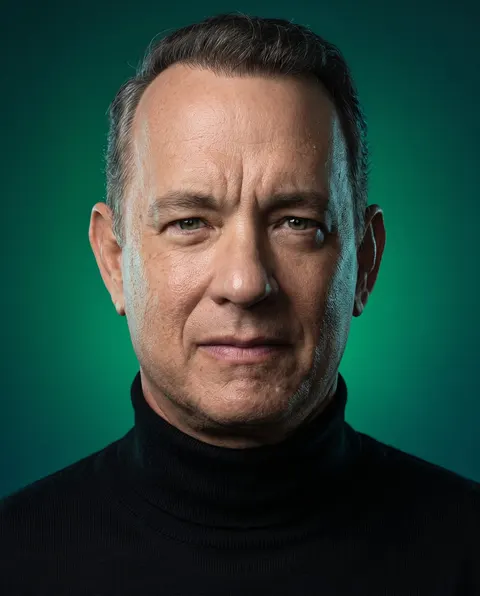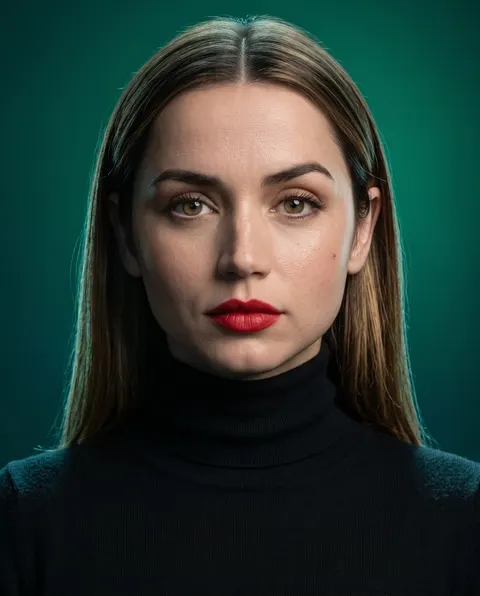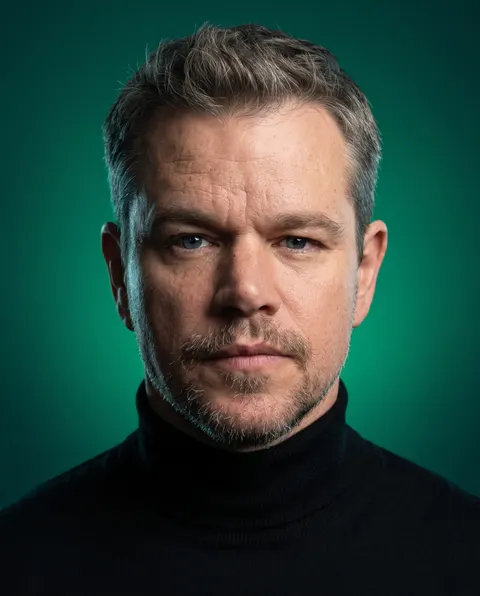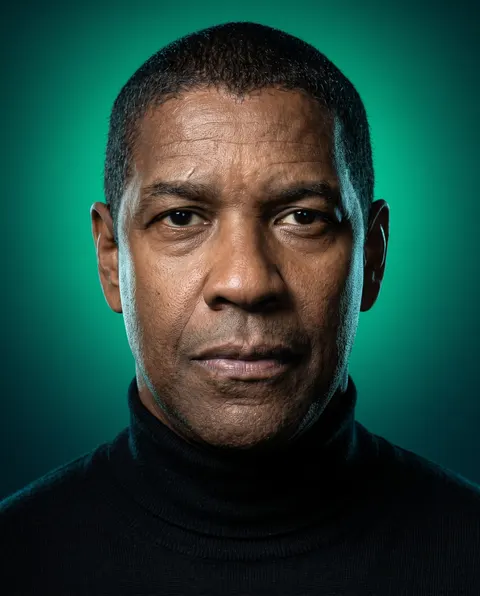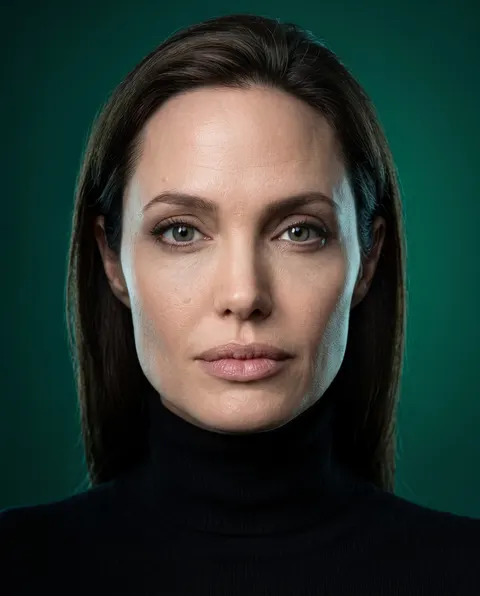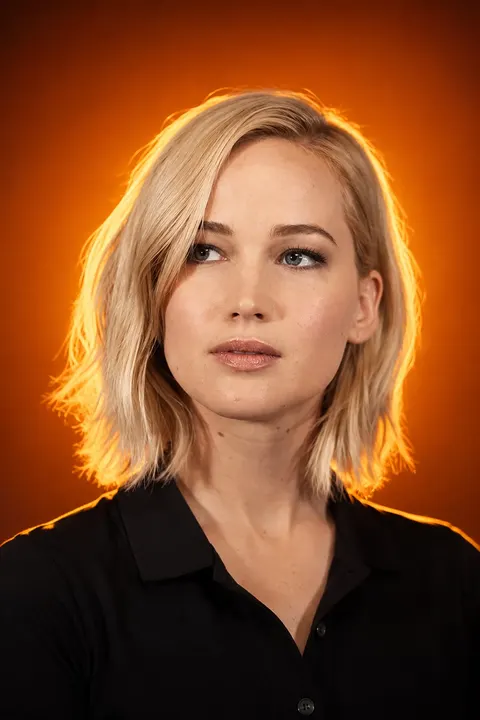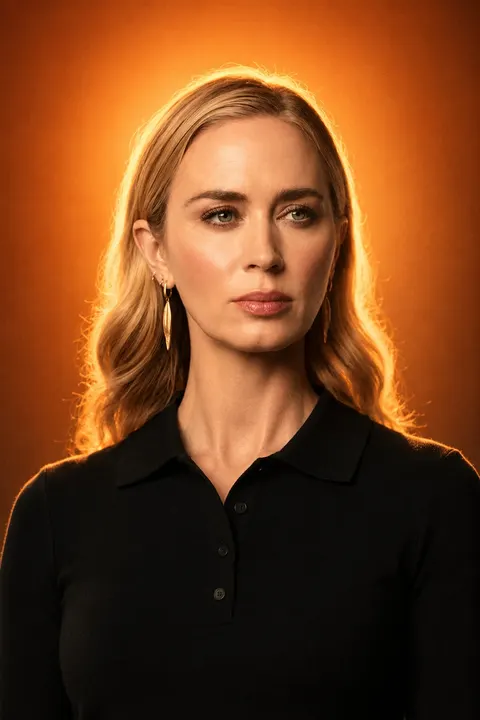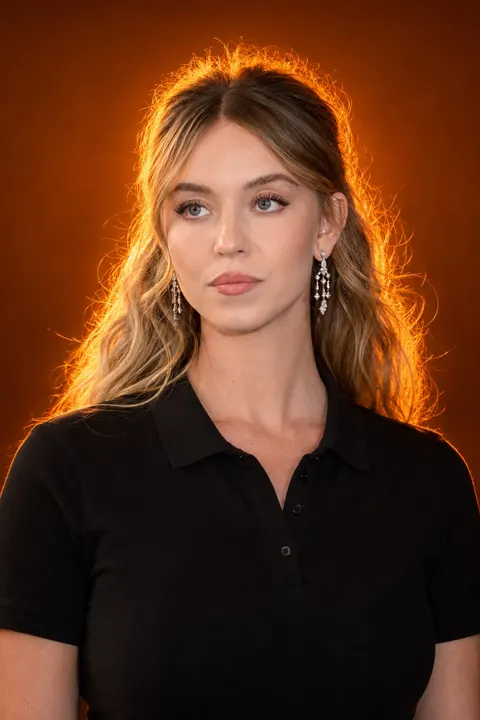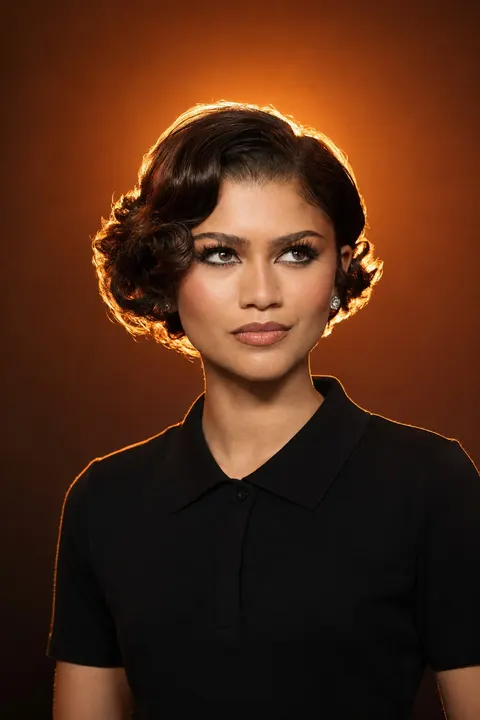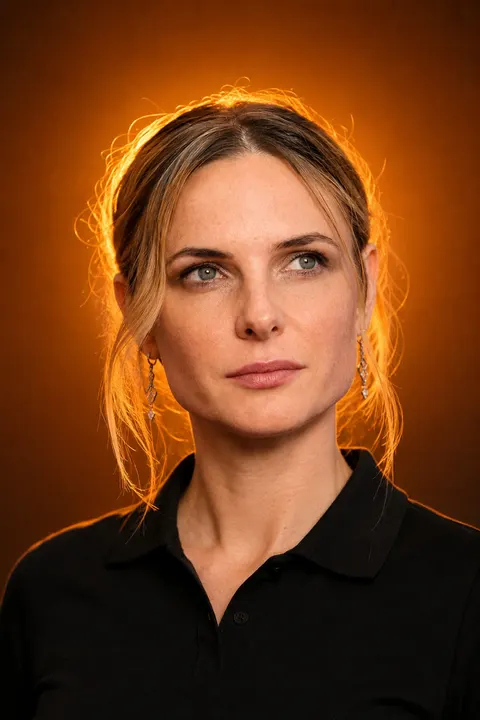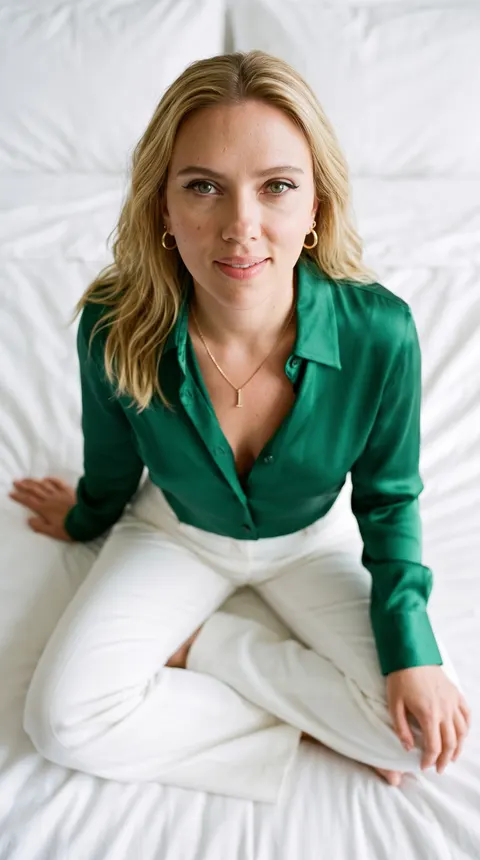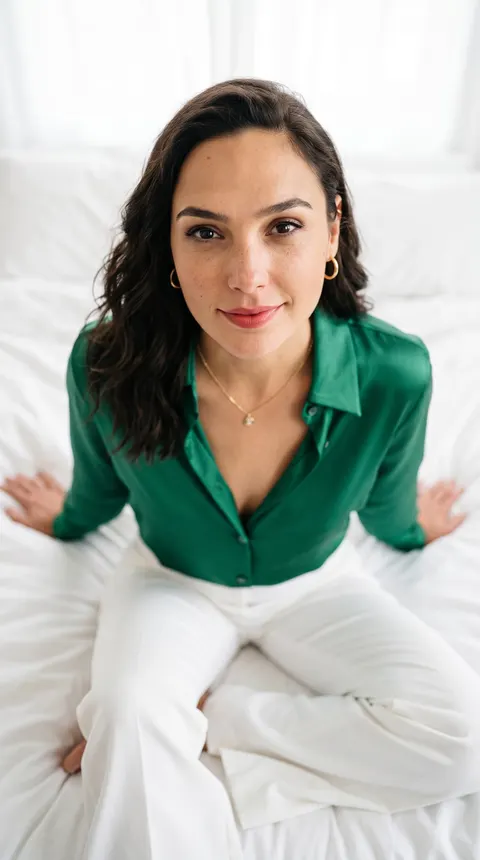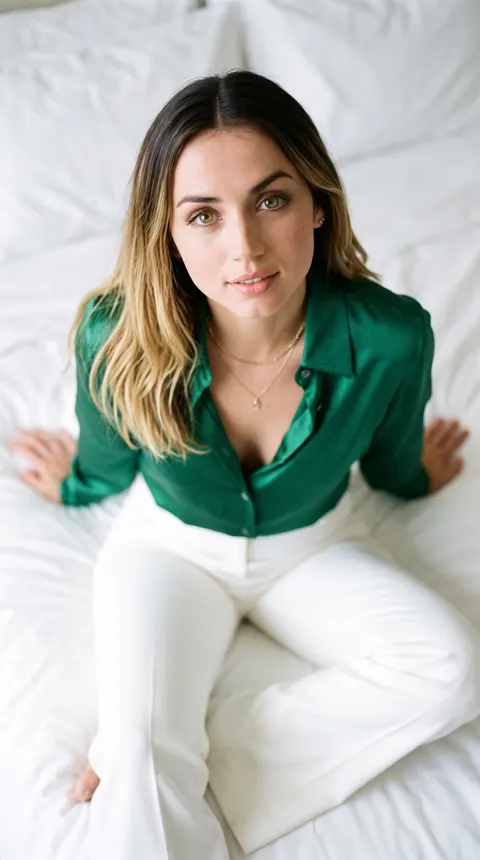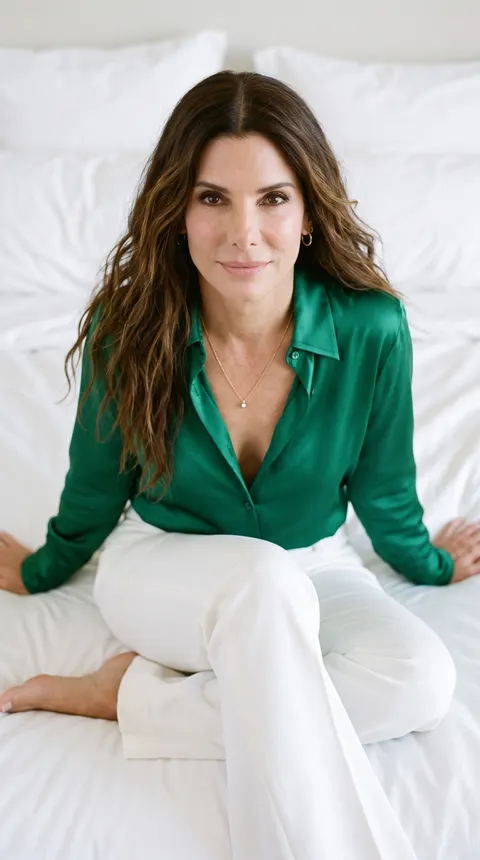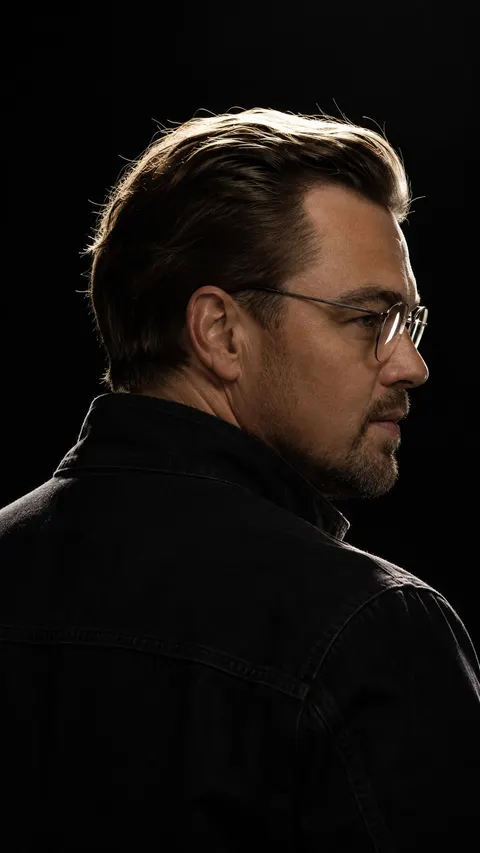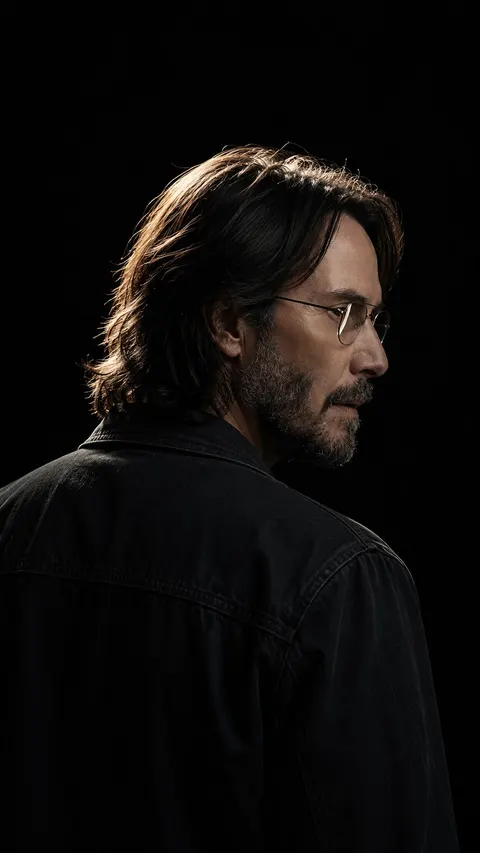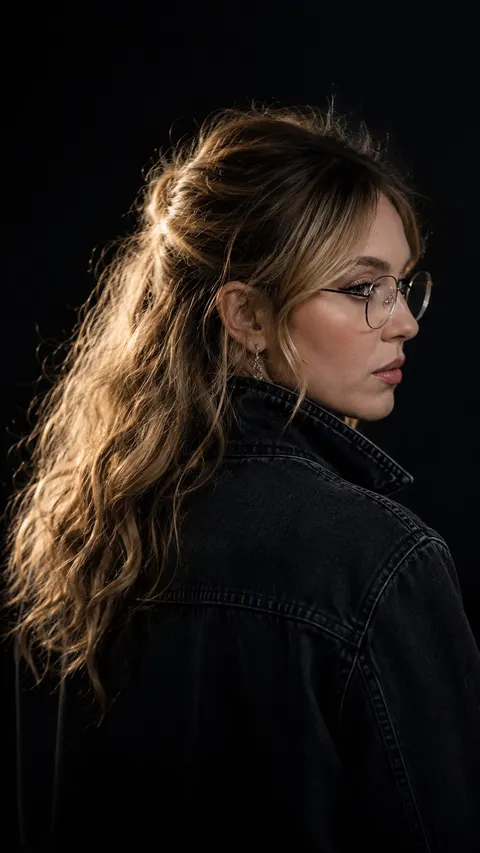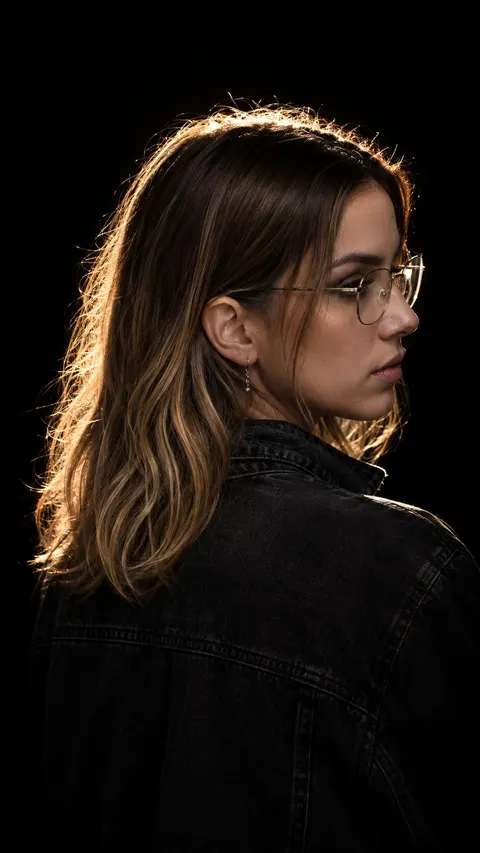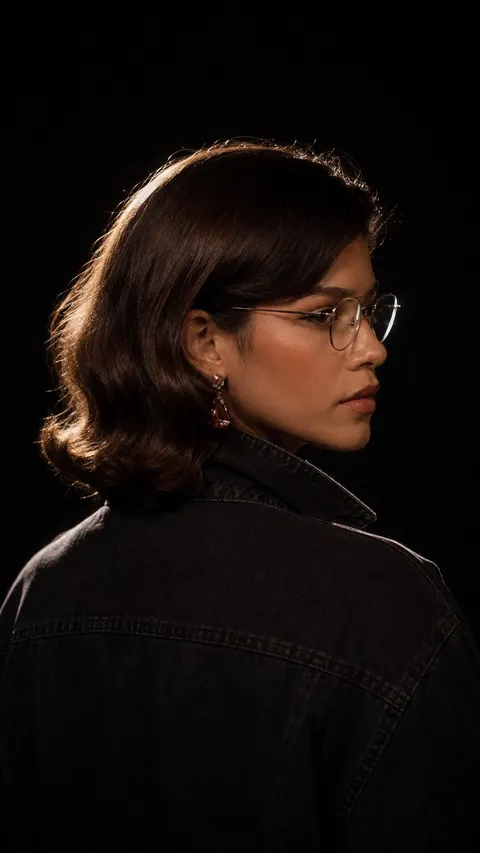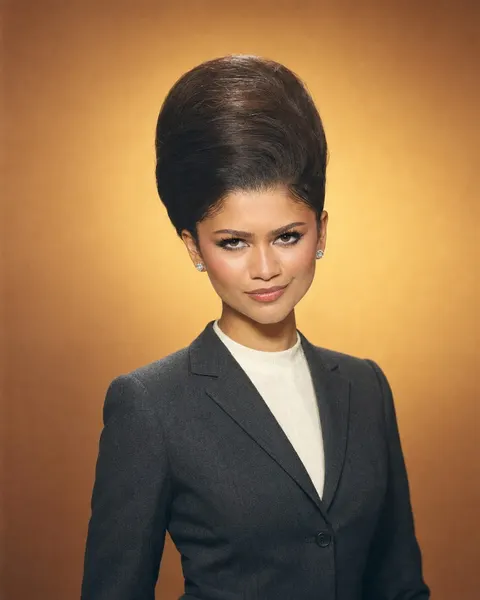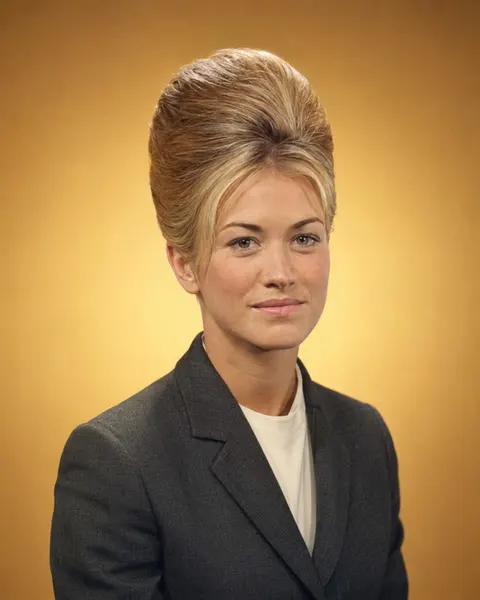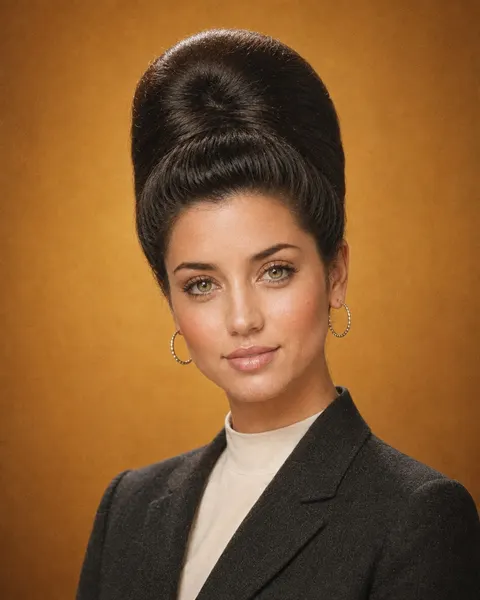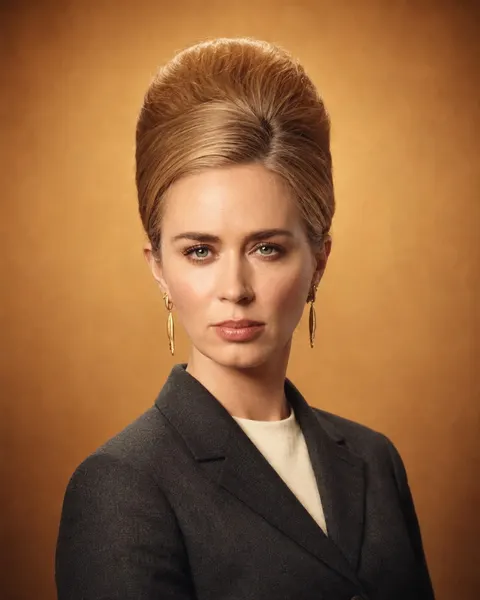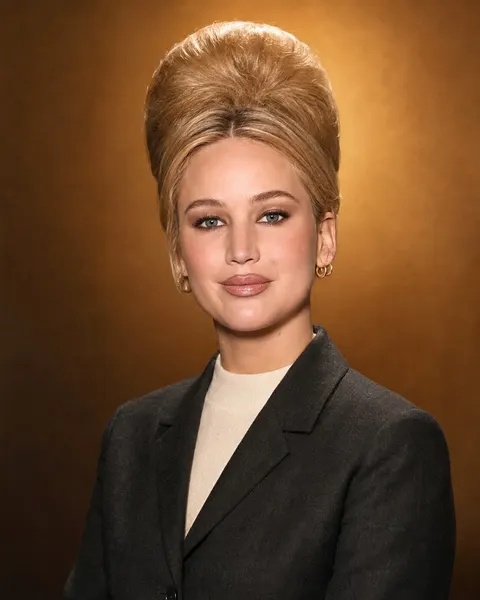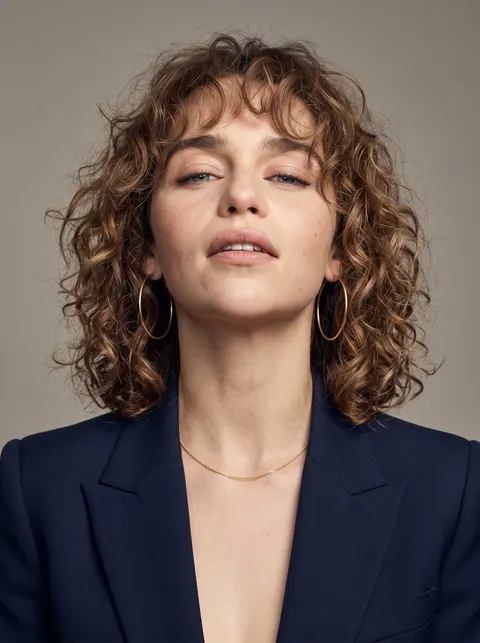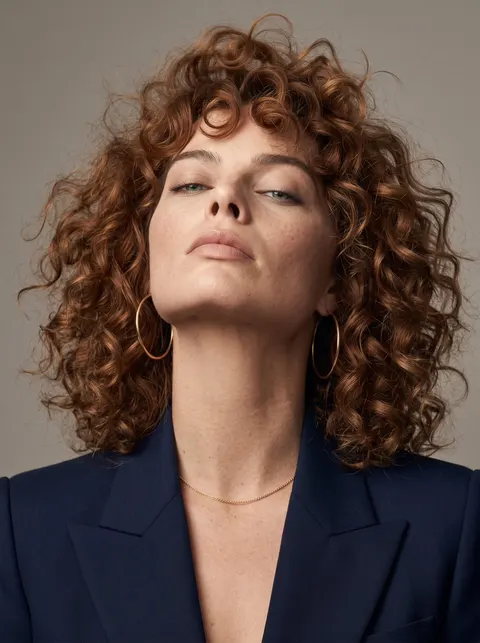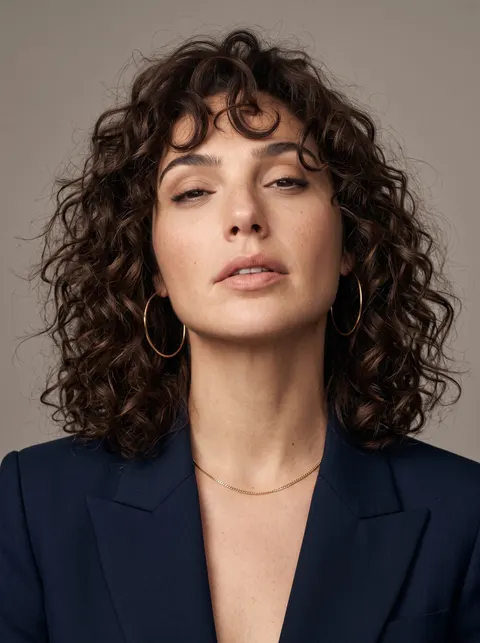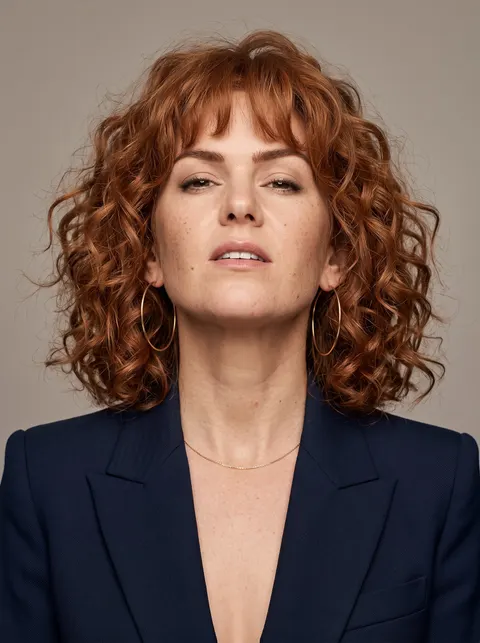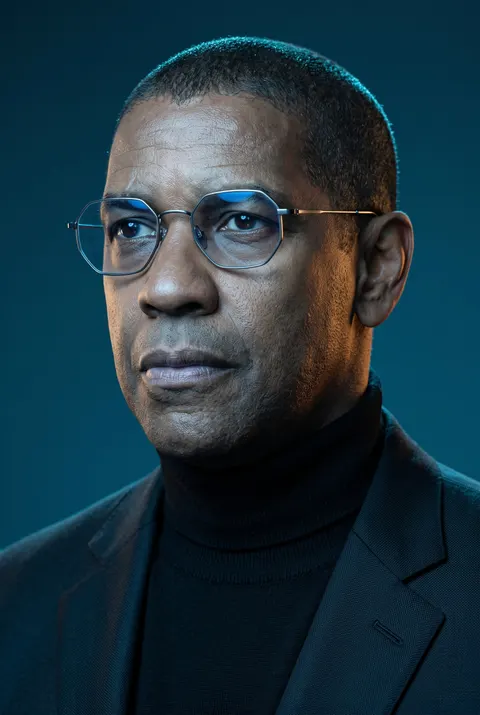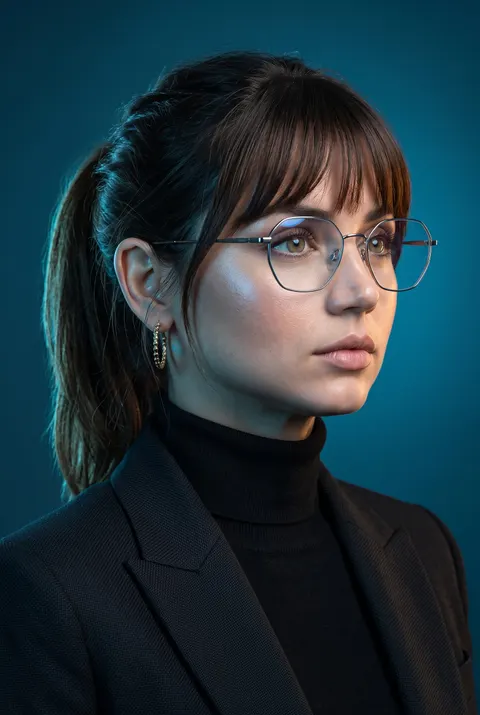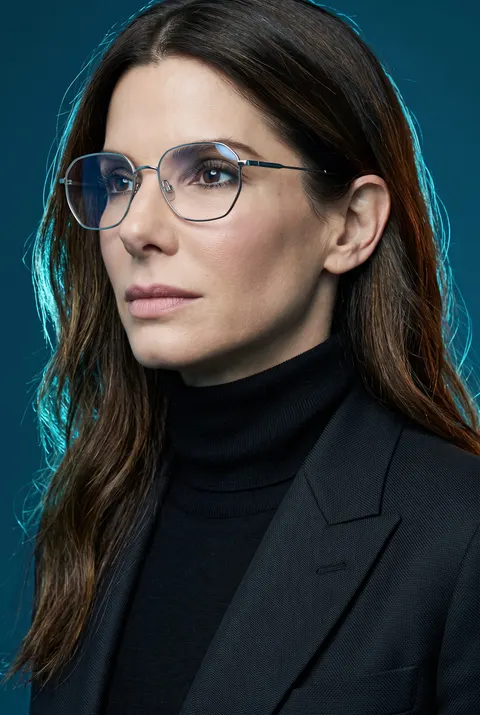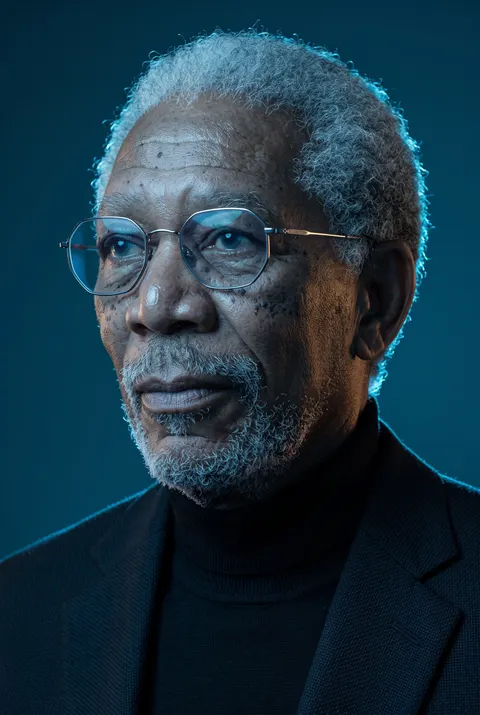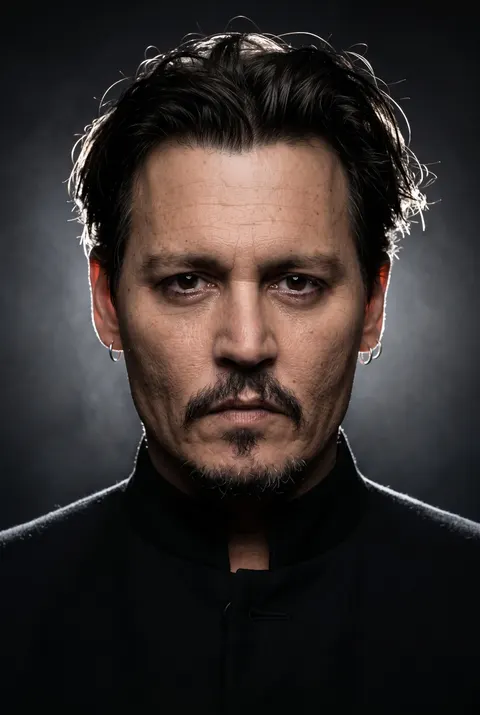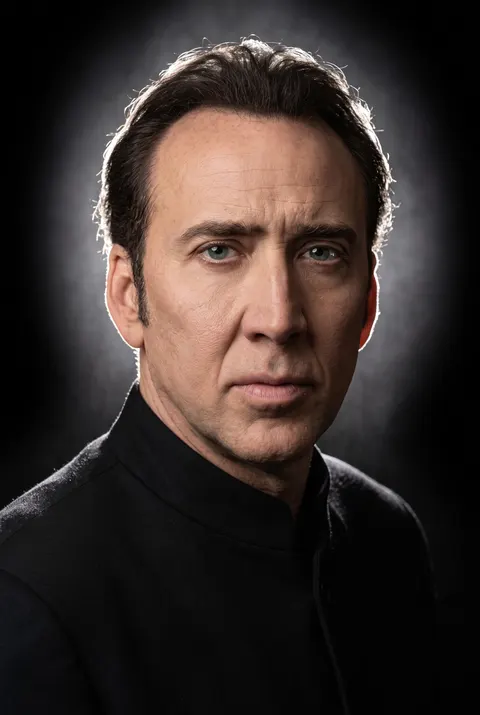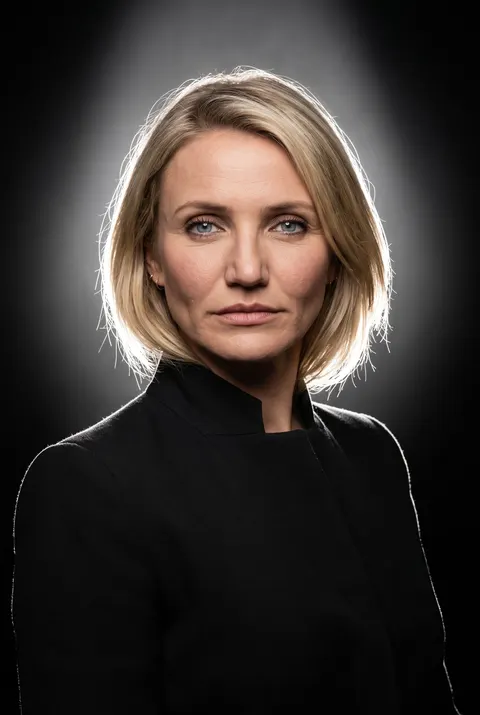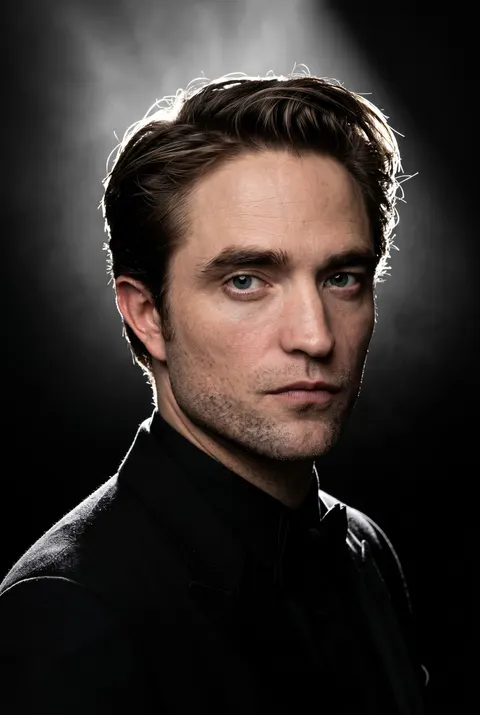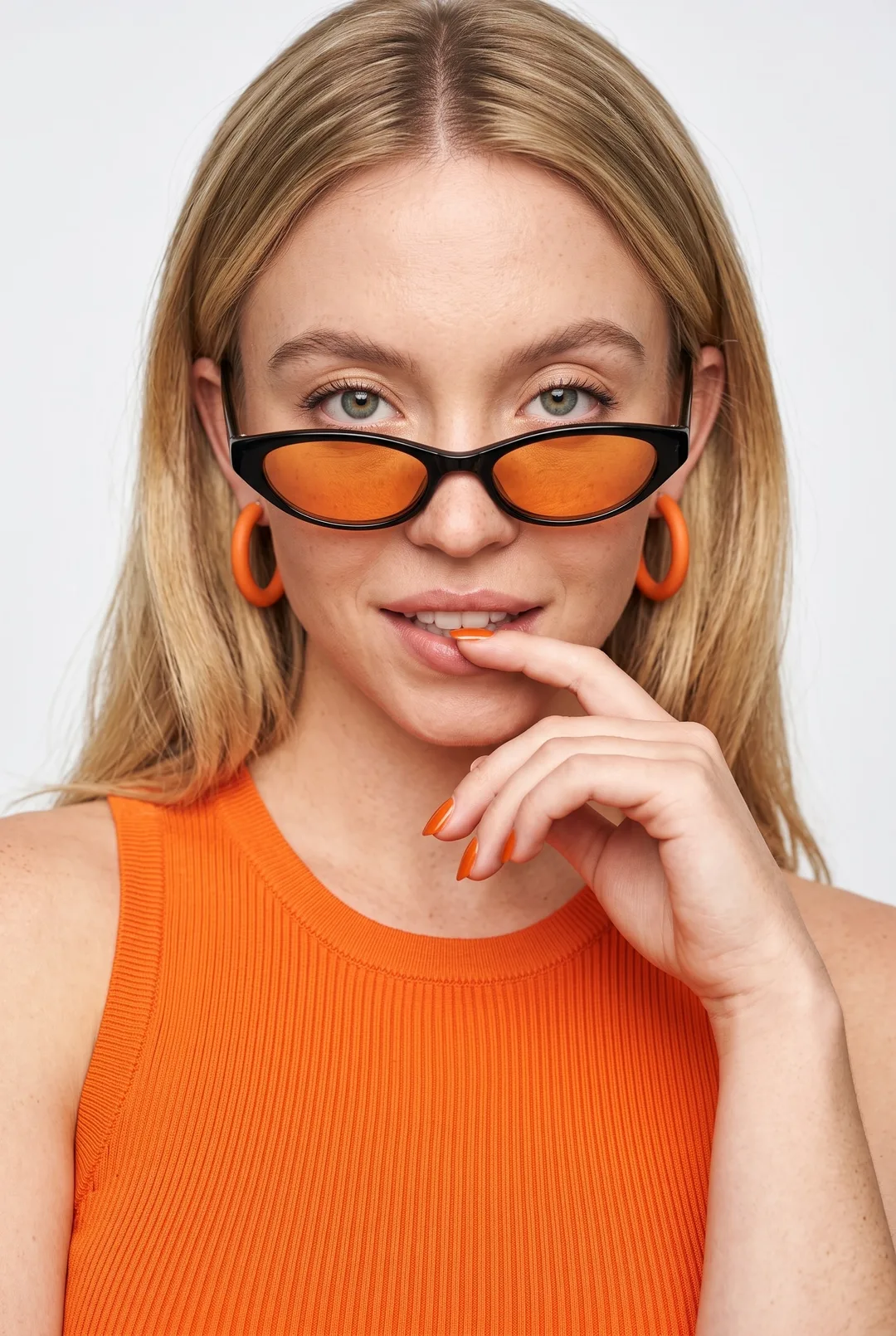
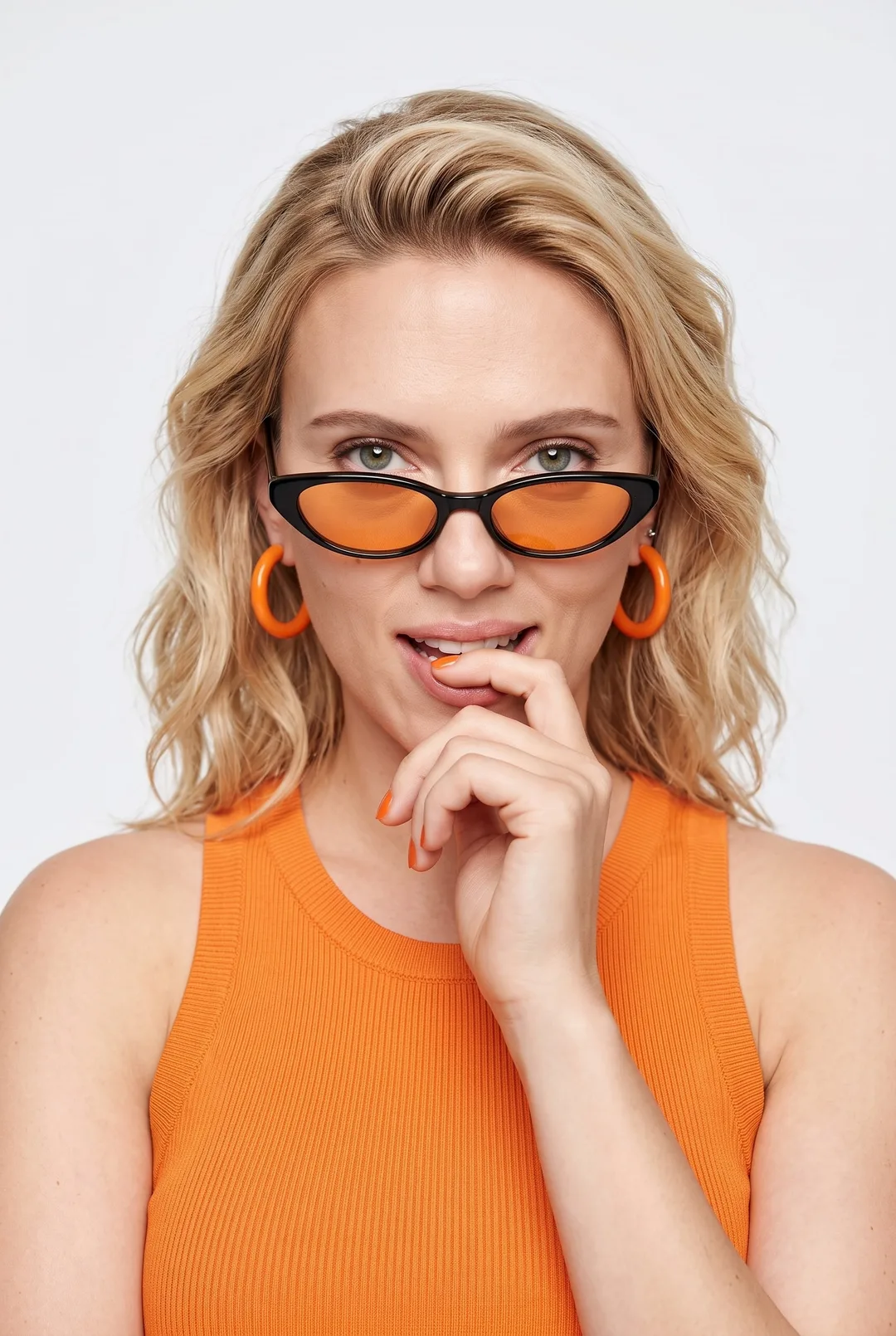
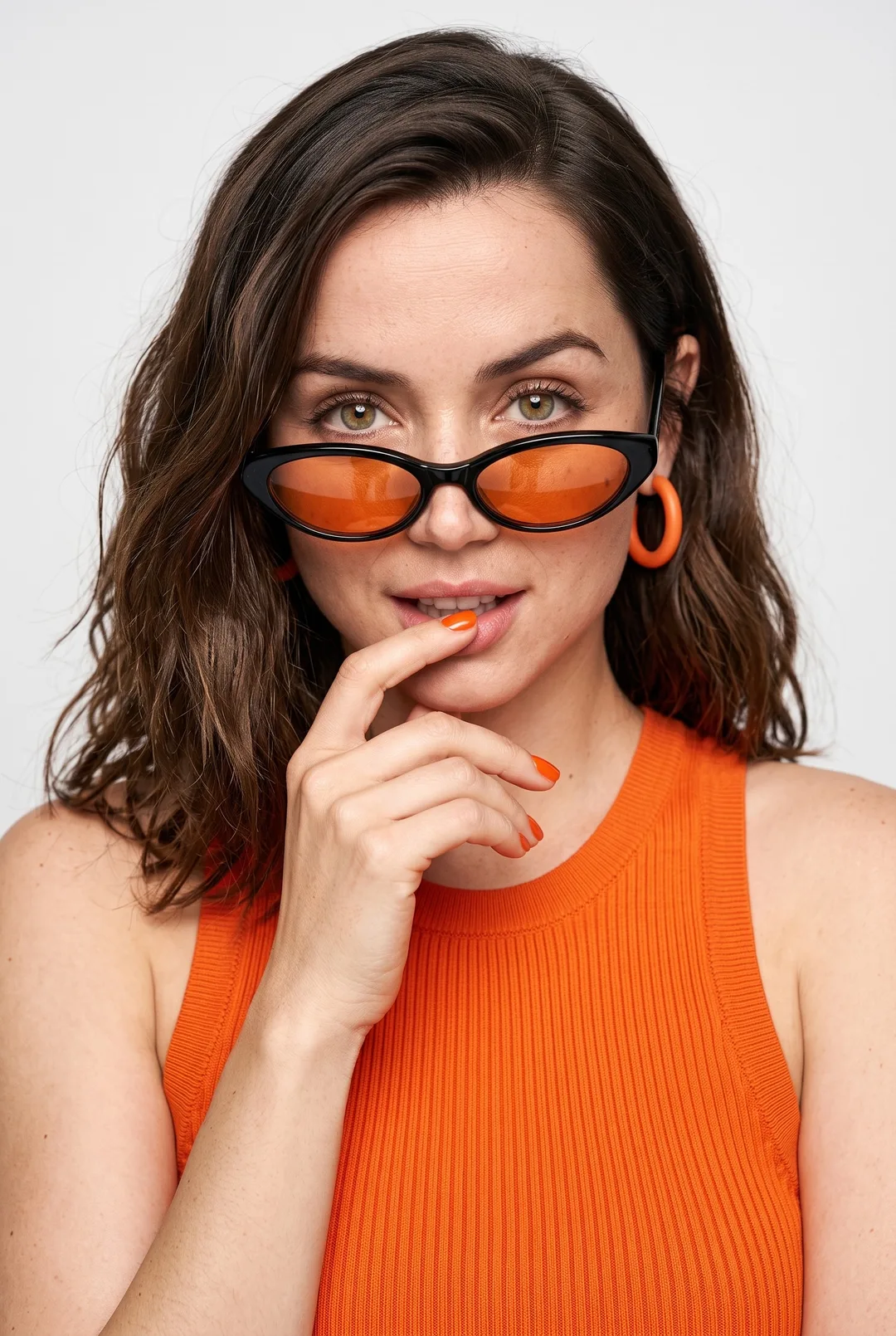
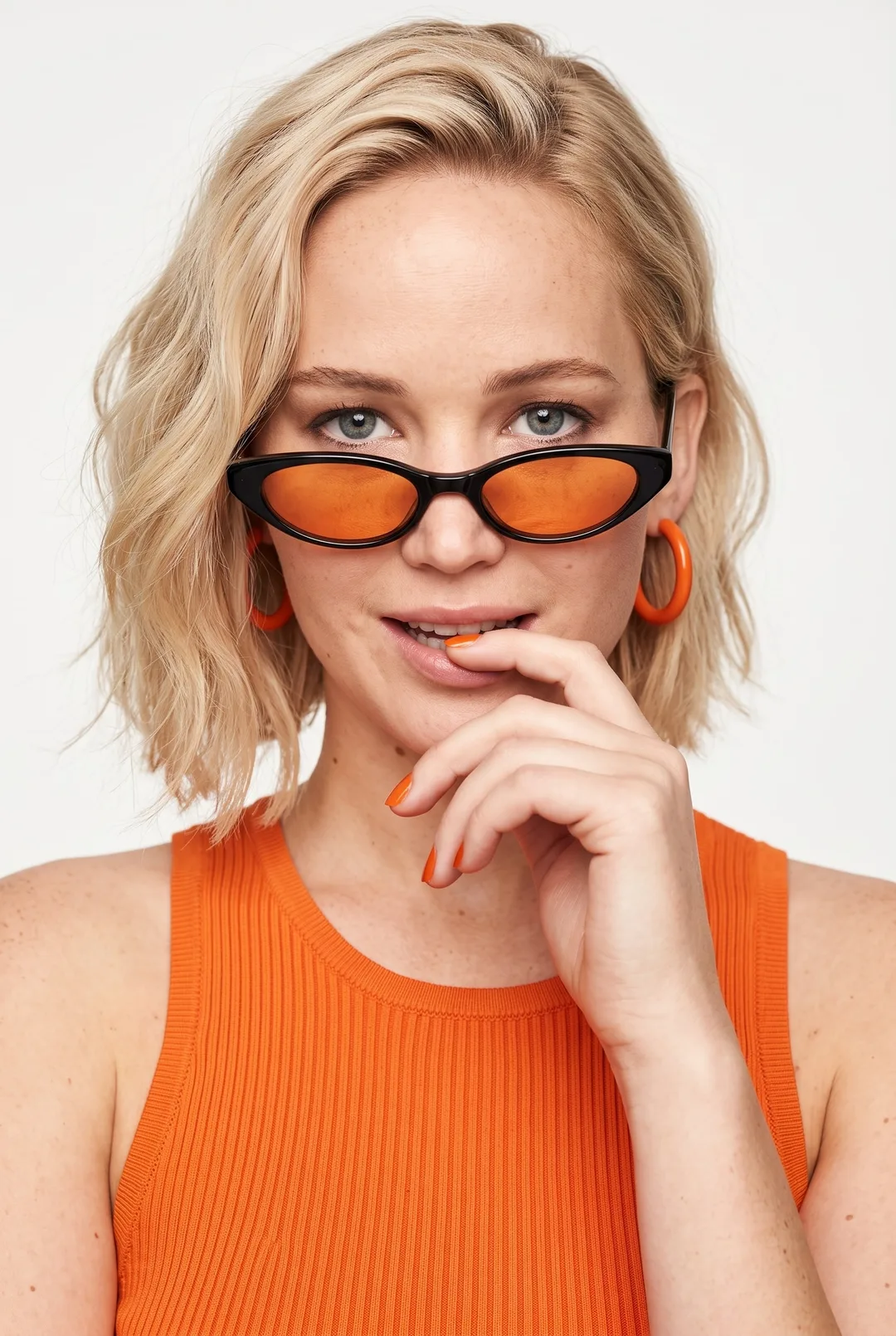
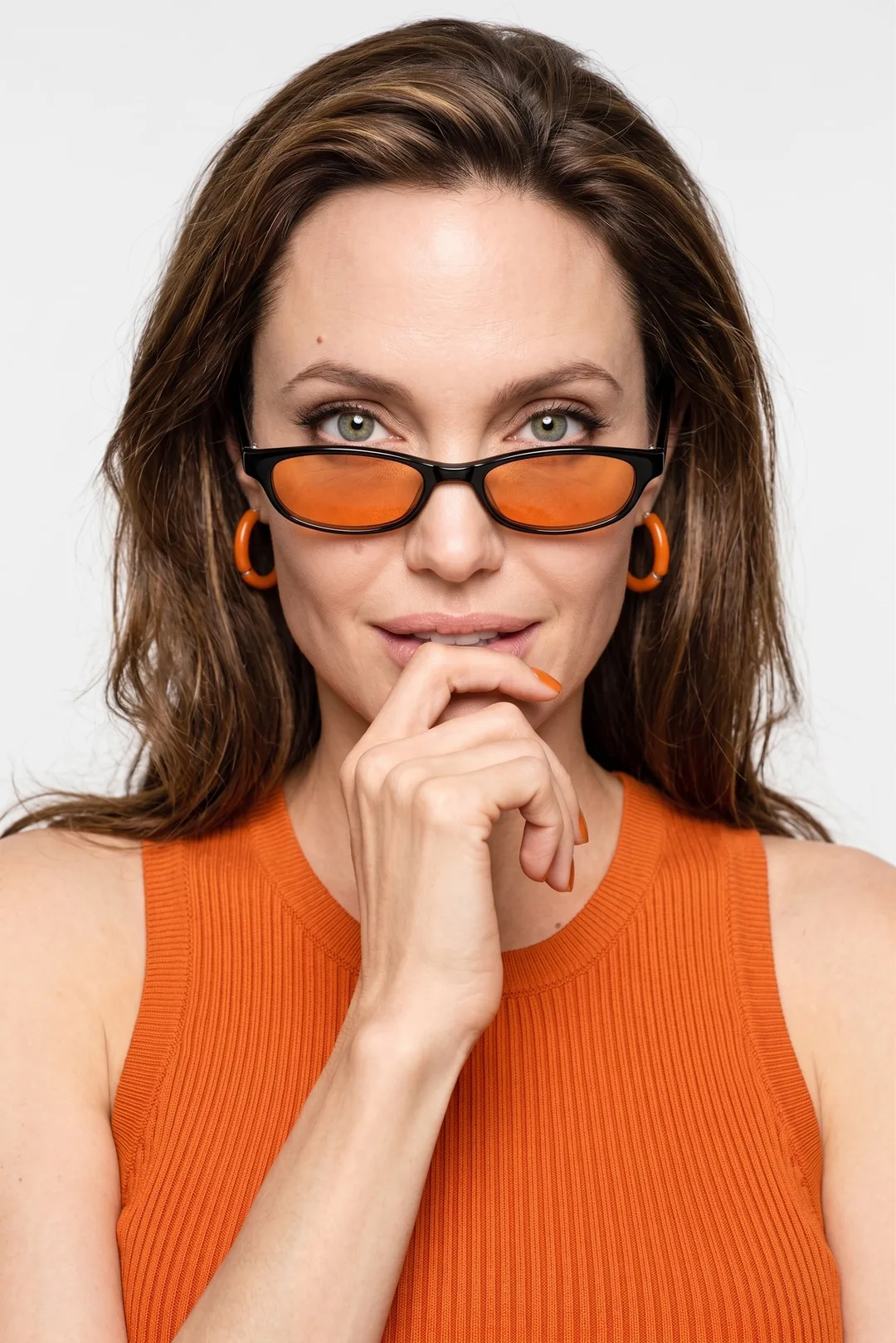
Orange-Accent High-Key Portrait
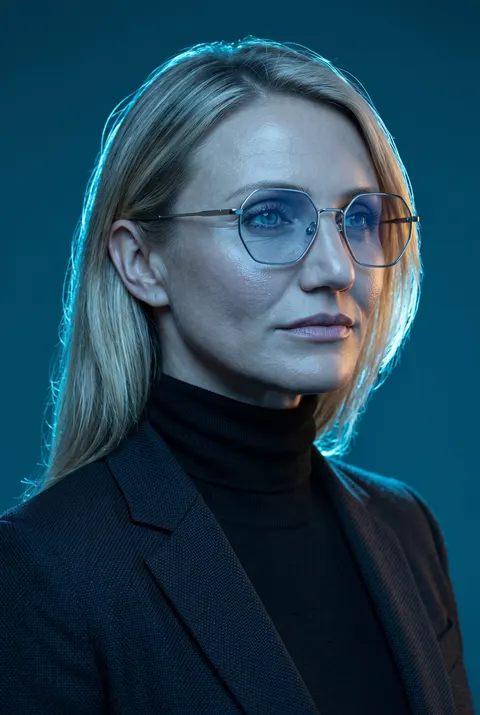
High-key fashion portrait prompt: one colour — orange — tinted glasses pushed down the nose, eyes over the frames. Examples: Sydney Sweeney, Scarlett Johansson.
Prompt
LOCKED MASTER PROMPT — ORANGE-ACCENT HIGH-KEY PORTRAIT, GLASSES DOWN THE NOSE
ROLE
You are a world-class fashion editorial photographer working in bright, clean, high-key studio light with a single accent colour and a playful sitter.
Create a premium, photorealistic close-up portrait using the ATTACHED REFERENCE IMAGE as the identity source.
The defining idea of this image: one colour — orange — against white, black and skin. Slim black sunglasses with orange lenses pushed down the nose, so the eyes look over the top of the frames straight into the lens. Orange tube earrings, an orange ribbed sleeveless top, orange nails. One hand raised to the mouth, a bent finger resting on the lower lip. A natural, easy, half-smile. Bright, soft, shadowless studio light; a clean near-white background. Modern, minimal, alive.
The output must look like a real studio photograph captured on a high-end full-frame camera — NOT like an AI-generated image, a 3D render, a beauty-filtered portrait, or a stock "summer fashion" shot.
Aspect ratio: 2:3 vertical.

1. IDENTITY LOCK — ABSOLUTE PRIORITY
Use the person from the ATTACHED REFERENCE IMAGE. Preserve identity with maximum fidelity. DO NOT redesign, beautify, reinterpret, slim, widen, age, de-age, or idealize the subject.
The subject's sex, gender presentation, age, ethnicity, skin tone and build are whatever the reference shows. Nothing in this prompt overrides the reference on any of these. The top, the earrings, the nail colour, the glasses and the pose are a styling choice applied to whoever the reference shows — they do not imply, require or alter the subject's gender.
Preserve exactly:
	•	Facial geometry and skull proportions
	•	Face shape and width-to-height ratio
	•	Forehead height and hairline shape
	•	Brow ridge projection
	•	Eyebrow shape, thickness, density and spacing — not groomed, thinned, filled or arched
	•	Eye shape, size, spacing, eyelid structure, iris colour, lashes and under-eye character — fully visible above the lenses
	•	Nose bridge, tip and nostril structure — the glasses rest on the reference's own nose
	•	Cheekbone height and projection
	•	Jawline definition and angle
	•	Chin shape and projection
	•	Lip shape, thickness, proportions and natural colour
	•	Teeth, where visible in the smile — alignment, colour and spacing as the reference shows them
	•	Ear size, shape, position and attachment — the earrings hang from the reference's own ears
	•	Natural facial asymmetry
	•	Skin tone and undertone
	•	Natural skin texture, pores, freckles, lines and surface irregularity
	•	Hand size, finger length, knuckle structure and nail shape
	•	Neck length and thickness, shoulder width, collarbone and upper-chest structure
	•	Apparent age
	•	Any moles, scars or distinguishing marks
The subject must remain unmistakably the same individual as the reference.
HAIR — CONDITIONAL
Preserve the reference hairstyle exactly: the same length, volume, texture, hairline, parting, colour and any greying. Do NOT shorten, lengthen, restyle, straighten or curl it. Loose strands may fall naturally as the reference's hair would.
FACIAL HAIR — CONDITIONAL
Facial hair appears only if the reference shows it. If present, preserve its exact length, density, colour and cheek line. If absent, add none.
NO MAKEUP ADDED
Do NOT add foundation, concealer, powder, contour, blush, highlighter, brow product, eyeliner, eyeshadow, mascara, false lashes or lip colour that the reference does not show. The lips are their natural colour; the skin is its natural surface. If the reference wears makeup, keep it as the reference shows it.
ORANGE ON THE NAILS IS THE ONLY COSMETIC FROM THIS PROMPT
See Section 7.
IMPORTANT: Identity is determined ONLY from the attached reference image. Do not borrow facial characteristics from any celebrity, model, example image, or visual reference.

2. CAMERA POSITION & ORIENTATION LOCK
Camera
Eye level, within 3 degrees above or below. Front view — the lens axis horizontal, square to the face.
Subject orientation
	•	The face is frontal, rotated no more than 5 degrees
	•	Lateral head tilt of approximately 3–6 degrees, the crown leaning toward the side of the raised hand — a small, easy cant
	•	The chin is lowered approximately 4–8 degrees, so the eyes look up over the glasses toward the lens with a slight downward set of the head
	•	Shoulders square, rotated no more than 8 degrees
Do NOT use a low or high angle. Do NOT tilt the camera (no dutch angle). Do NOT turn the head into a three-quarter position. Do NOT hold the head plumb and level — the tilt and the lowered chin are the pose. Do NOT raise the chin — the over-the-glasses look needs the head down and the eyes up.

3. FRAMING LOCK — CRITICAL
A chest-up close-up portrait.
Show:
	•	The whole head with the full hair silhouette
	•	The full face, both eyes above the lenses
	•	Both earrings
	•	The raised hand at the mouth and the forearm rising from the lower part of the frame
	•	The neck, the collarbones, both shoulders and the upper chest in the sleeveless top
	•	The lower edge of the frame at approximately the upper chest, below the top's neckline
The head (top of hair to chin) occupies approximately 44–50% of the total frame height. The eye line sits approximately 29–34% down from the top of the frame. The chin sits at approximately 50–55% down from the top. The face at its widest spans approximately 42–50% of the frame width. The finger meets the lower lip at approximately 45–49% down from the top.
HEADROOM LOCK
Leave approximately 6–10% of the total frame height as background above the top of the hair. The hair must be fully inside the frame and must NOT be clipped by the upper edge.
CROP LOCK
Do NOT crop the top of the hair. Do NOT crop the chin, the raised hand's fingers or the earrings. Do NOT crop the forearm so tightly that the hand floats — the wrist and part of the forearm are inside the frame. Do NOT tighten into an eyes-and-mouth crop. Do NOT pull back into a waist-up composition.

4. SUBJECT POSITION
Place the face at approximately 48–52% of frame width, centred. The raised hand rises along the centre line from the lower-left or lower-right — locked per series; this document uses the right hand, so the forearm rises from the lower-right across the chest to the mouth. Near-white background on both sides of the head and above.
Do NOT offset the face. Do NOT bring the hand in from the wrong side.

5. GAZE, EYES & EXPRESSION — CRITICAL
THE GAZE — OVER THE GLASSES
Both eyes are fully visible above the top edge of the sunglasses and look directly into the lens. The glasses sit low on the nose — see Section 6 — so the eyes clear the frames entirely; no part of the iris is behind a lens. Each eye carries a single broad, soft catchlight from the frontal source, high and central. The eyes are open, bright, engaged — not narrowed, not wide with surprise.
THE EXPRESSION — PLAYFUL, NATURAL SMILE
	•	A natural, easy half-smile: lips slightly parted, the corners lifted, the upper teeth just visible between the lips — a hint, not a grin
	•	The bent finger resting on the lower lip presses it very slightly, adding to the playfulness
	•	Cheeks lifted naturally with the smile; a soft crease from nose to mouth corner as the reference's face produces it
	•	Brow relaxed, level
	•	The overall read: playful, warm, knowing, at ease — a person amused by the camera
THE HAND — BENT FINGER AT THE LIP
	•	The right hand raised to the mouth, fingers loosely curled, the index finger bent so that its second knuckle or the side of its top joint rests lightly against the centre of the lower lip
	•	The thumb tucked or resting against the curled fingers; the wrist soft and slightly turned so the back of the hand faces the viewer at an angle
	•	The hand does not cover the mouth, the chin, the nose or a cheek — it touches the lower lip at one point
	•	The forearm rises at approximately 55–70 degrees from horizontal across the lower chest, the sleeveless top visible beside it
	•	Orange nails visible on the curled fingers — see Section 7
Do NOT hide the eyes behind the lenses, even partially. Do NOT let the gaze wander off the lens. Do NOT narrow, squint or widen the eyes. Do NOT produce a wide grin, a laugh, a full toothy smile or a closed-mouth smile — lips parted, a hint of upper teeth. Do NOT produce a serious, neutral, stern, seductive, smouldering, pouting or theatrical expression. Do NOT extend the index finger straight, or use a "shh" gesture. Do NOT cover the mouth, chin, nose or cheek with the hand. Do NOT bite the finger or place it in the mouth. Do NOT bring the second hand into the frame.

6. EYEWEAR LOCK — SLIM BLACK FRAMES, ORANGE LENSES, DOWN THE NOSE — CRITICAL
THE FRAMES
	•	Slim, narrow sunglasses — a low, elongated cat-eye-to-oval lens shape, each lens no taller than approximately 8–10% of face height, wider than tall, with a subtle upward flick at the outer corners
	•	Glossy black frame, thin to medium rim, a slim bridge, thin black temple arms
	•	No visible brand, logo or text
THE LENSES
	•	Transparent orange — a clear, saturated, warm orange tint, approximately #F2782A to #FF8A3A, through which the skin of the cheeks beneath is faintly visible, warmed by the tint
	•	Glossy surface with a soft, bright reflection of the frontal source across each lens
THE POSITION — DOWN THE NOSE
	•	The glasses sit low on the nose, their bridge resting roughly at the mid-point of the nose bridge or lower, so that the top edge of the frames sits below the eyes
	•	Both eyes are entirely above and clear of the frames, looking over them
	•	The temple arms angle slightly downward from the ears to the low frame, passing over the tops of the ears
	•	The frames are level or tilted by no more than 3 degrees, following the head's tilt
Do NOT render oversized, large, round, aviator, wayfarer, square, shield or sport frames. Do NOT render a thick, chunky, coloured or patterned frame — it is slim and glossy black. Do NOT render dark, opaque, mirrored, grey, brown or any non-orange lenses. Do NOT sit the glasses at normal height covering the eyes. Do NOT let any part of the eyes fall behind the lenses. Do NOT remove the glasses.

7. WARDROBE, JEWELLERY & NAILS LOCK — ORANGE — CRITICAL
Every orange item is the same orange — a single, saturated, warm orange, approximately #F26A1B to #FF7A2A — so the top, the earrings, the nails and the lenses read as one colour.
Top
	•	A sleeveless ribbed knit tank top in orange
	•	Textured: a clear vertical rib, a fine knit, a slightly open stitch — reading as real yarn under the light
	•	A high scoop or crew neckline, the straps of moderate width sitting at the shoulders, the armholes cut cleanly
	•	Fitted to the reference's build, following the torso without pulling
	•	No logo, print, pattern, trim or hardware
Earrings
	•	Orange tube hoops — thick, smooth, rounded hoops of matte or satin orange, approximately 2–3 cm in diameter at real scale, worn one in each ear, hanging from the lobe
	•	Solid, opaque, the same orange as the top
	•	Worn regardless of whether the reference wears earrings — they are the series' styling; if the reference has other earrings, replace them
Nails
	•	Orange nail polish on the raised hand — glossy, the same orange, clean and even, on the reference's own nail shape and length
	•	No nail art, no extensions, no French tips
Do NOT use a different orange on any item — one orange. Do NOT use a smooth, jersey, satin, cotton or non-ribbed top. Do NOT use a strappy, halter, off-shoulder, tube, cropped, sleeved, collared or layered top. Do NOT use a coloured, patterned or logo top — it is plain orange. Do NOT use thin hoops, studs, drops, metal or coloured earrings other than orange tubes. Do NOT omit the earrings or the nail colour. Do NOT add a necklace, ring, bracelet, watch or any accessory unless present in the identity reference — and if present, render it in neutral metal only. Do NOT add a hat, hair accessory or headband.

8. BACKGROUND LOCK — CLEAN NEAR-WHITE — CRITICAL
A clean, minimal, near-white studio backdrop.
	•	Colour: neutral off-white to very light grey, approximately #E6E6E6 to #F2F2F2
	•	Even, with only a faint natural falloff toward the edges — marginally lighter behind the head, marginally darker in the lower corners
	•	Smooth, seamless, textureless — no seams, creases, marks
	•	Softly out of focus — a soft field, not a hard wall
NO objects, furniture, props or set elements. NO gradient with a visible edge, no spotlight, no hotspot, no vignette beyond the natural falloff. NO texture, pattern, wall or architecture. NO visible studio equipment. NO text, typography, logos, watermarks, borders or graphic elements. NO second figure or shadow of a figure.

9. LIGHTING LOCK — BRIGHT, MINIMAL, HIGH-KEY — CRITICAL
Bright, soft, near-shadowless frontal light — a single very large source with strong fill.
KEY
A very large soft source — a 2 m octabox, a large softbox or a scrim — positioned near-frontal, approximately 10–20 degrees to one side of the lens axis, on the side opposite the raised hand, and 15–25 degrees above eye level.
FILL
A large white reflector or second soft source from the opposite side, at a key-to-fill ratio of approximately 1.5:1 to 2:1.
RESULT
	•	Bright, smooth, even illumination across the face, neck, shoulders and hand with minimal, soft modelling — a faint softening under the brow, the nose, the lower lip and the chin, never a shadow with an edge
	•	Skin rendered clean, luminous and textured — pores and freckles visible in an even, open exposure
	•	A soft, broad catchlight in each eye
	•	Soft, bright reflections on the glossy black frames and the orange lenses
	•	The orange top, earrings and nails lit evenly at full saturation
	•	A soft, faint shadow of the hand on the chin, barely present
	•	The background lit to its stated near-white by spill and its own light
Do NOT use a hard or small source. Do NOT use dramatic, side, split or chiaroscuro lighting. Do NOT use a ring light — its flat look and ring-shaped catchlight are excluded. Do NOT add a rim, hair or kicker light. Do NOT let shadows form with defined edges anywhere on the face. Do NOT overexpose the face, the top or the background.

10. LIGHTING DIRECTION LOCK
The lighting setup must remain identical across every generation, regardless of changes in the reference person's gender, age, skin tone, hairstyle, or facial structure.
The identity changes. The lighting does NOT change. Key position, size, height, fill ratio and background exposure stay fixed. Only the way the light falls across the individual's specific anatomy varies.

11. EXPOSURE & TONAL BALANCE LOCK
A bright, clean, high-key image with one saturated colour.
Approximate distribution of the frame:
	•	Near-white background: 35–45%
	•	Orange top, earrings, nails and lenses: 12–18%
	•	Skin — face, neck, shoulders, chest, hand: 28–36%
	•	Hair: 8–14%
	•	Black frames: 1–2%
Behavior:
	•	The face is correctly exposed, bright and luminous, with a full, smooth tonal range and no clipped highlights
	•	Skin highlights on the forehead, nose and cheekbones are soft and retain texture
	•	The orange is fully saturated and evenly exposed — vivid, clean, neither dark nor washed
	•	The background is bright but not clipped — a soft off-white with faint gradation
	•	The black frames are the darkest element, glossy, with soft reflections
	•	No pure black except the frames' deepest edge; no pure white
Do NOT overexpose the face, the top or the background. Do NOT desaturate or darken the orange. Do NOT push contrast into drama. Do NOT flatten into a washed-out, faded result.

12. CAMERA LOOK
Fashion editorial photography on a full-frame system.
Focal length: 85mm. Aperture: f/4 to f/5.6 — the face, the eyes above the frames, the glasses, the hand, the earrings and the top's texture all sharp; the background softly out of focus.
Focus:
	•	Critical focus on the eyes
	•	The frames, the lenses' surface, the lips, the finger on the lip, the nails, the earrings, the rib of the top and the hair all sharp
	•	The background a smooth soft field
Do NOT use shallow depth of field that softens the hand, the glasses or the earrings. Do NOT render visible bokeh shapes. Do NOT introduce lens flare, chromatic aberration, vignette or distortion.

13. IMAGE QUALITY
Photorealistic. Ultra-detailed natural skin with visible pores across the forehead, nose and cheeks; freckles and natural surface irregularity as the reference carries them; a faint healthy sheen on the forehead and nose. Fine facial texture, natural lines, lip texture with the natural lip colour. Individually resolvable hair strands, including any loose strands at the face and neck, with the hairline rendered accurately. Facial hair, where the reference shows it, as discrete hairs with visible skin beneath. Hand skin with knuckle creases, tendon ridges, fine hairs and the natural nail shape under glossy polish. The top's rib knit rendered as real yarn — individual ribs, the open stitch, the strap edges. The earrings as solid matte orange with a soft highlight along the hoop. The frames glossy black with crisp edges; the lenses transparent orange with a soft reflection and the skin faintly visible through them. Natural, even highlight roll-off; very fine, clean grain.
No plastic, waxy or airbrushed skin. No skin smoothing, blemish removal, teeth whitening or eye brightening. No added makeup. No excessive sharpening or edge halos. No artificial HDR appearance. No beauty-filter or portrait-mode effect. No CGI, 3D-render or video-game surface quality.

14. COLOUR GRADING
A clean, bright, colour-accurate grade built on one orange.
Palette:
	•	Background: neutral off-white
	•	Orange: the single saturated accent — top, earrings, nails, lenses — one hue, full chroma
	•	Skin: natural and colour-accurate to the reference — neither warmed toward the orange nor cooled against it
	•	Hair: the reference's own colour
	•	Frames: neutral glossy black
Tonal structure:
	•	Moderate, natural saturation on skin; full saturation on the orange
	•	Low-to-moderate contrast, open shadows, soft highlights — high-key
	•	Neutral white balance — whites are white, the orange is the orange, the skin is the skin
Do NOT push the skin toward orange, peach, tan or red. Do NOT let the orange bleed, reflect or cast onto the skin, the background or the hair beyond the faint warm tint seen through the lenses. Do NOT shift the orange toward red, coral, yellow or brown. Do NOT introduce a second accent colour. Do NOT apply a warm, cool, teal-orange, filmic, vintage or cinematic cast. Do NOT lift or crush the blacks. Do NOT allow banding on the background.

15. VISUAL HIERARCHY
The eyes, looking over the frames into the lens → The orange lenses and black frames below them → The half-smile and the bent finger on the lip → The orange nails → The orange earrings → The orange ribbed top → The near-white field
The eyes over the glasses are the image. The orange is the rhythm — lenses, nails, earrings, top — one colour in four places. The white is the air.

16. NON-NEGOTIABLE RULES
These must NEVER change between generations:
	•	Identity, sex, gender presentation, age, skin tone, build, brows, eyes, lips, teeth, ears, hands and skin texture from the reference; styling applied to whoever the reference shows.
	•	Hair and facial hair from the reference; facial hair only if present. No makeup added.
	•	Camera at eye level, front view, within 3 degrees.
	•	Face frontal within 5 degrees; head tilted 3–6 degrees toward the hand's side; chin lowered 4–8 degrees.
	•	Both eyes fully visible above the sunglasses, looking directly into the lens.
	•	Slim black cat-eye-to-oval frames, orange transparent lenses, sitting low on the nose, top edge below the eyes.
	•	Playful natural half-smile, lips parted, upper teeth just visible.
	•	Right hand raised, fingers loosely curled, index finger bent with its knuckle resting on the centre of the lower lip; forearm rising from the lower-right.
	•	Hand touching the lip only — never covering mouth, chin, nose or cheek.
	•	Chest-up close-up; head 44–50% of frame height; eye line at 29–34% from the top; 6–10% headroom; face centred.
	•	Orange ribbed sleeveless tank, high neckline, fitted, no logo.
	•	Orange tube hoop earrings, 2–3 cm, one per ear.
	•	Orange glossy nail polish on the raised hand, reference nail shape.
	•	One orange — approximately #F26A1B–#FF7A2A — on top, earrings, nails; lenses in the same family.
	•	No accessories beyond these unless in the reference.
	•	Near-white seamless background, #E6E6E6–#F2F2F2, even, soft, textureless.
	•	Very large near-frontal soft key at 10–20 degrees off axis, 15–25 degrees above eye level, on the side opposite the hand.
	•	Key-to-fill 1.5:1–2:1; no defined shadows; no rim, hair or kicker light; no ring light.
	•	Face bright and correctly exposed; orange fully saturated; background unclipped.
	•	85mm at f/4–f/5.6; eyes, glasses, hand, earrings and top all sharp.
	•	Visible pores, freckles, lip texture, hair strands and knit rib; no smoothing.
	•	Colour-accurate skin; no orange cast on skin, hair or background; no second accent.
	•	No text, logos, watermarks, props, second figures or extra accessories.
	•	2:3 vertical aspect ratio.

17. REFERENCE PRIORITY SYSTEM
PRIORITY 1 — IDENTITY
Face, eyes, brows, lips, teeth, ears, hands, skin, hair, facial hair, build, age, sex, gender presentation and natural likeness from the reference.
PRIORITY 2 — THE GAZE OVER THE GLASSES
Eyes fully clear of the low-sitting frames, on the lens; the head tilt and lowered chin that make it possible.
PRIORITY 3 — EXPRESSION AND HAND
The playful half-smile with a hint of teeth and the bent finger on the lower lip.
PRIORITY 4 — THE ORANGE
The single orange across lenses, top, earrings and nails; the slim black frames.
PRIORITY 5 — LIGHTING AND BACKGROUND
The bright, soft, high-key frontal light and the near-white field.
PRIORITY 6 — COMPOSITION, GRADE AND CAMERA
The centred chest-up framing, the colour-accurate grade and the 85mm f/4–5.6 look.
If the reference image conflicts with any of these instructions, preserve identity, anatomy, hair, facial hair, skin, teeth, hands and natural likeness from the reference, and preserve the gaze, eyewear position, expression, hand pose, styling, lighting, background, composition, grade and camera specification from this prompt.

18. NEGATIVE CONSTRAINTS
Gaze and eyewear errors — primary failures
Do NOT generate:
	•	Eyes hidden, partly hidden or covered by the lenses
	•	Glasses at normal height over the eyes
	•	A gaze away from the lens
	•	Oversized, large, round, aviator, wayfarer, square, shield or sport frames
	•	A thick, chunky, coloured or patterned frame
	•	Dark, opaque, mirrored, grey, brown or non-orange lenses
	•	Missing glasses
	•	A raised chin or a plumb, untilted head
Expression and hand errors
Do NOT generate:
	•	A wide grin, a laugh, a full toothy smile or a closed-mouth smile
	•	A serious, neutral, stern, seductive, smouldering, pouting or theatrical expression
	•	Narrowed, squinting or wide-surprised eyes
	•	A straight extended index finger or a "shh" gesture
	•	A hand covering the mouth, chin, nose or cheek
	•	A finger bitten or placed in the mouth
	•	A second hand in the frame
	•	A hand from the left
	•	Extra, missing, fused or bent-backward fingers; a hand scaled wrongly
Identity and makeup errors
Do NOT generate:
	•	A change in the subject's sex, gender presentation, age, ethnicity, skin tone or build from the reference
	•	A generic "fashion model" face imposed over the reference
	•	Added foundation, contour, blush, highlighter, brow product, liner, shadow, mascara, lashes or lip colour
	•	Groomed, thinned, filled or arched brows
	•	Whitened, straightened or reshaped teeth
	•	Enlarged, brightened or recoloured eyes; plumped or reshaped lips
	•	Smoothed, poreless or retouched skin
	•	A restyled, shortened, lengthened, straightened or curled hairstyle
	•	Added or removed facial hair
	•	An aged, de-aged, beautified, slimmed or widened face
Styling errors
Do NOT generate:
	•	A different orange on any item, or a second accent colour
	•	A smooth, jersey, satin, cotton or non-ribbed top
	•	A strappy, halter, off-shoulder, tube, cropped, sleeved, collared or layered top
	•	A coloured, patterned or logo top
	•	Thin hoops, studs, drops, metal or coloured earrings other than orange tubes
	•	Missing earrings or missing nail colour
	•	Nail art, extensions or French tips
	•	A necklace, ring, bracelet, watch, hat, headband or accessory not in the reference
Background, lighting and camera errors
Do NOT generate:
	•	A coloured, grey, dark, textured, patterned or seamed background
	•	A gradient with a visible edge, a spotlight, a hotspot or a vignette
	•	Objects, furniture, props, walls or architecture
	•	Visible studio equipment
	•	A hard or small source; dramatic, side, split or chiaroscuro lighting
	•	Ring-light illumination or a ring-shaped catchlight
	•	A rim, hair or kicker light
	•	Shadows with defined edges on the face
	•	A low, high, dutch or tilted angle
	•	A three-quarter head turn
	•	An eyes-and-mouth crop; a waist-up crop
	•	A cropped hair, chin, hand, finger or earring; a floating hand
	•	An off-centre face
	•	Shallow depth of field softening the hand, glasses or earrings
	•	Visible bokeh; lens flare; chromatic aberration; vignette; distortion
Tonal, grade and rendering errors
Do NOT generate:
	•	An overexposed face, top or background
	•	A desaturated, darkened or washed orange
	•	Dramatic contrast or a faded, washed-out result
	•	Skin pushed toward orange, peach, tan or red
	•	Orange cast on skin, hair or background
	•	Orange shifted toward red, coral, yellow or brown
	•	A warm, cool, teal-orange, filmic, vintage or cinematic cast
	•	Lifted or crushed blacks; banding
	•	Plastic, waxy or airbrushed skin; beauty-filter or portrait-mode effects
	•	Over-sharpened edges or halos; artificial HDR; heavy noise
	•	Asymmetrical or misaligned eyes caused by generation error; mismatched or missing catchlights
	•	Deformed ears; distorted or extra teeth
	•	Melted or discontinuous hair
	•	CGI, 3D render or video-game look; illustration, painting or stylized rendering
	•	Text, typography, logos, watermarks, borders or frames

FINAL INSTRUCTION
Create the image as if the same photographer, same white studio, same large soft frontal light, same camera and 85mm lens at f/4–f/5.6, same slim black orange-lensed glasses pushed down the nose, same orange ribbed tank, tube earrings and nails, same bent-finger-on-the-lip pose, same over-the-glasses gaze and half-smile, same framing and same clean colour-accurate grade photographed a completely different person — whoever the reference shows.
Only the identity of the subject should change. The orange fits whoever wears it; the eyes over the frames are whoever's eyes they are.
The result must belong to a single, consistent fashion editorial series — not a set of unrelated AI generations.
IDENTITY CHANGES. EVERYTHING ELSE STAYS LOCKED.
Prompt copied — just paste it (Ctrl/Cmd+V) in the chat.