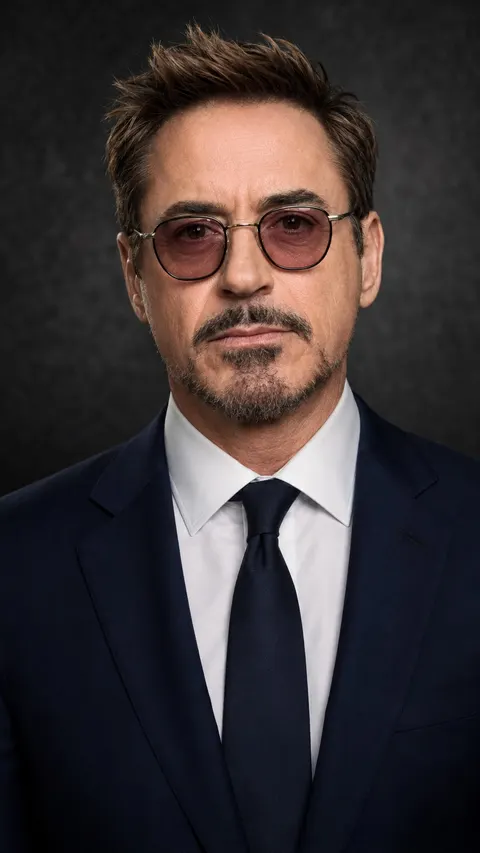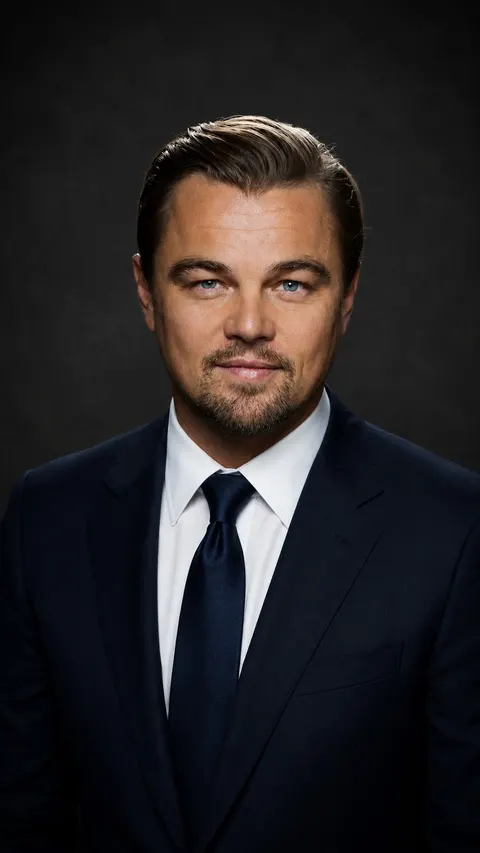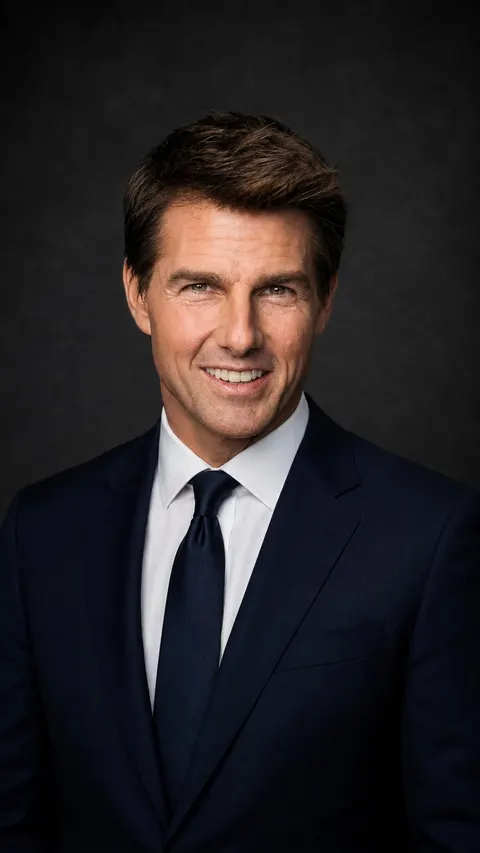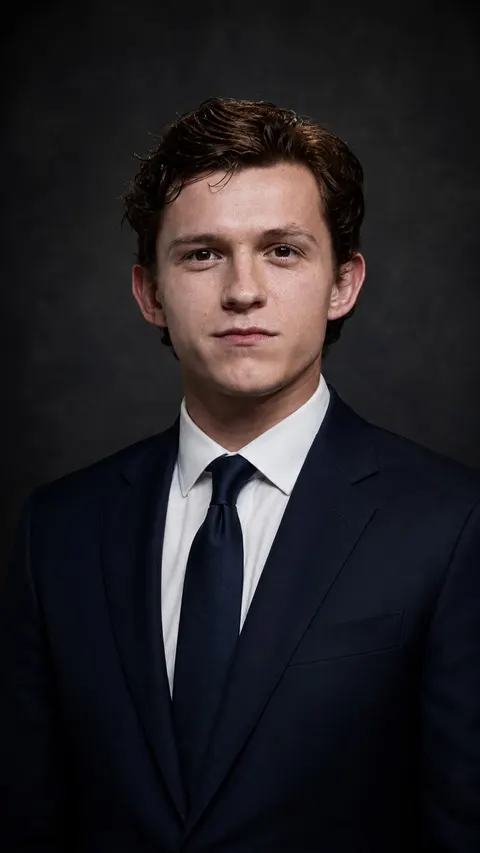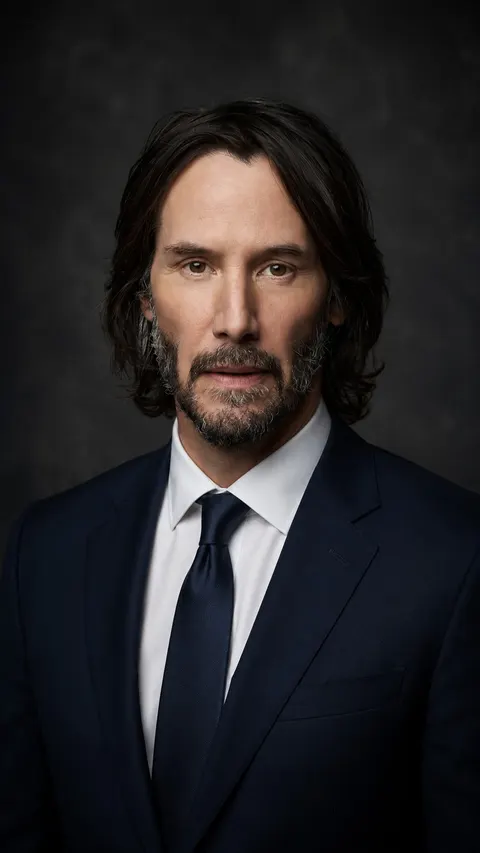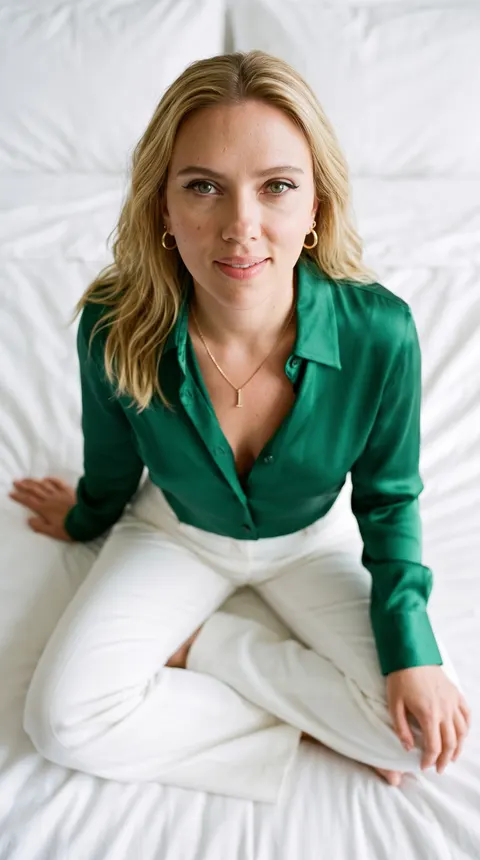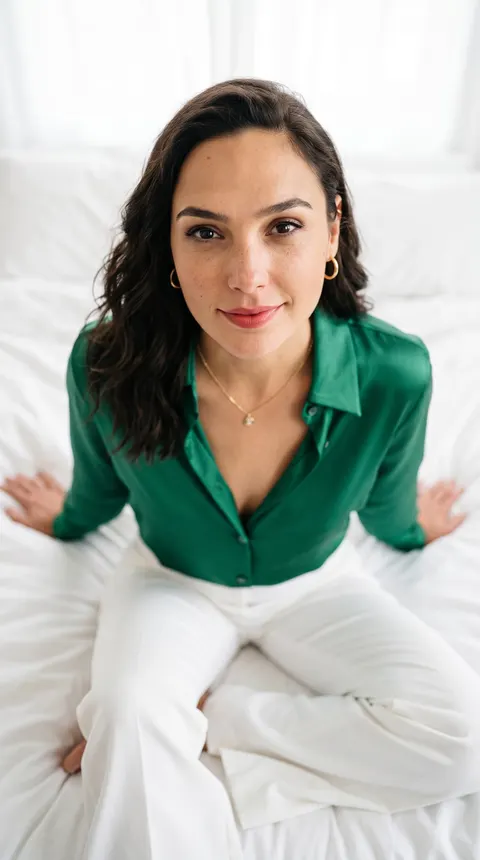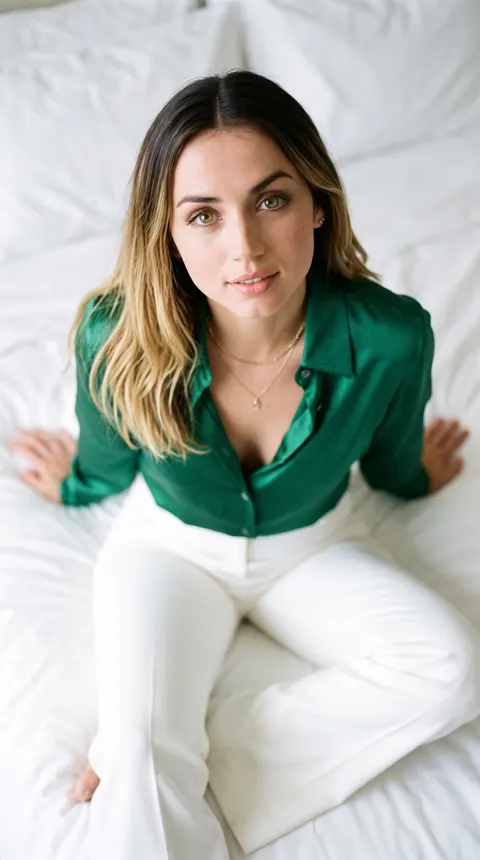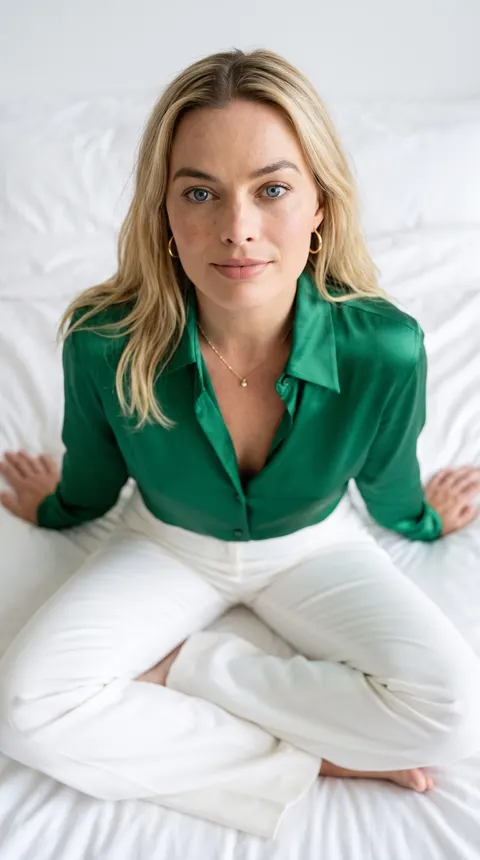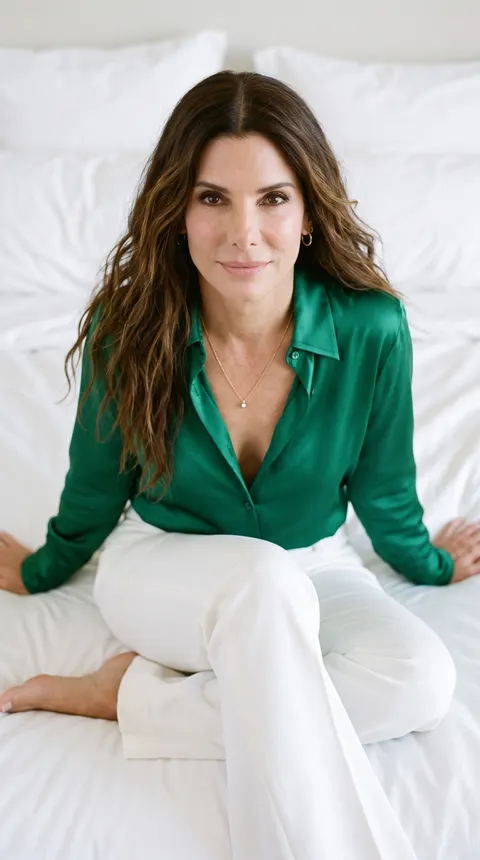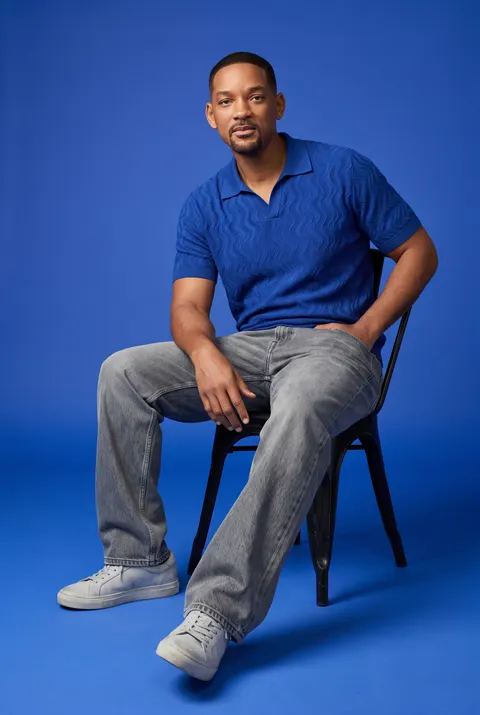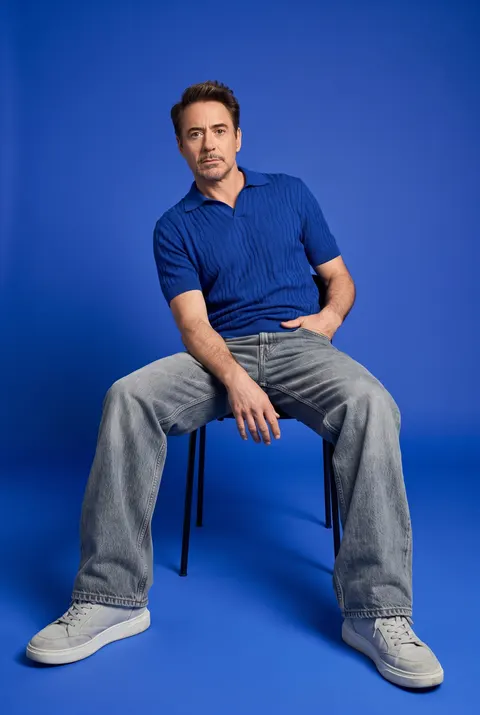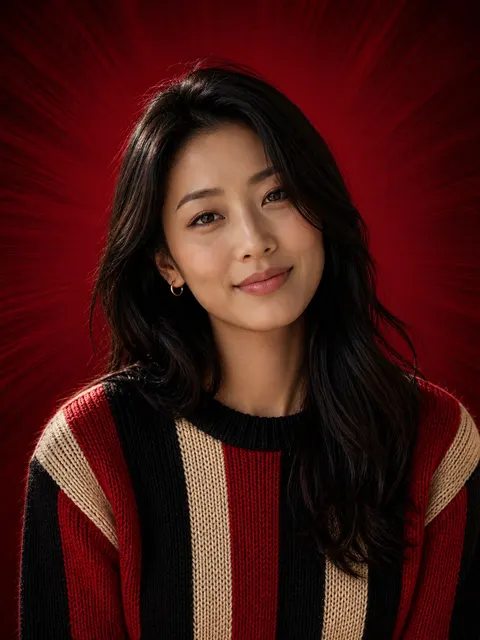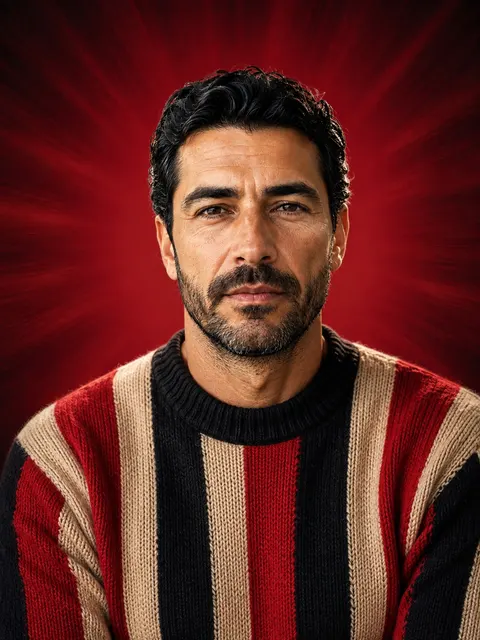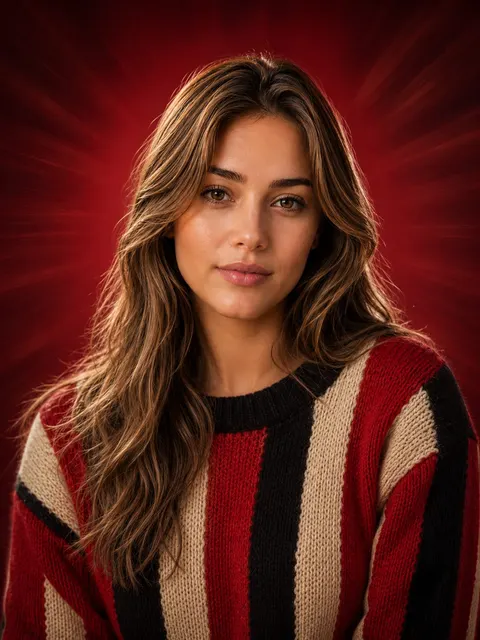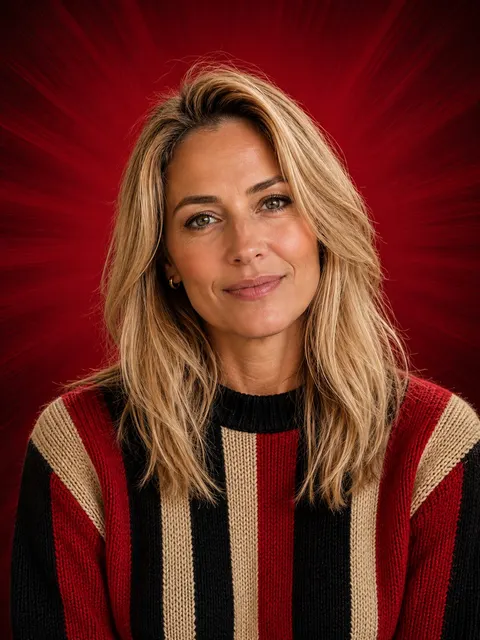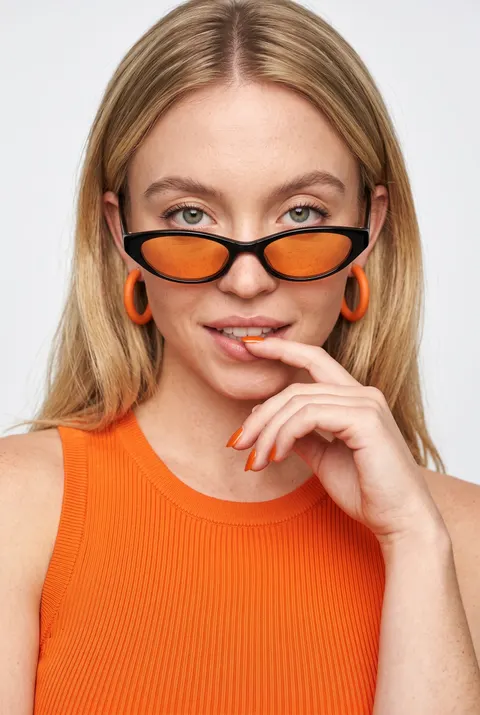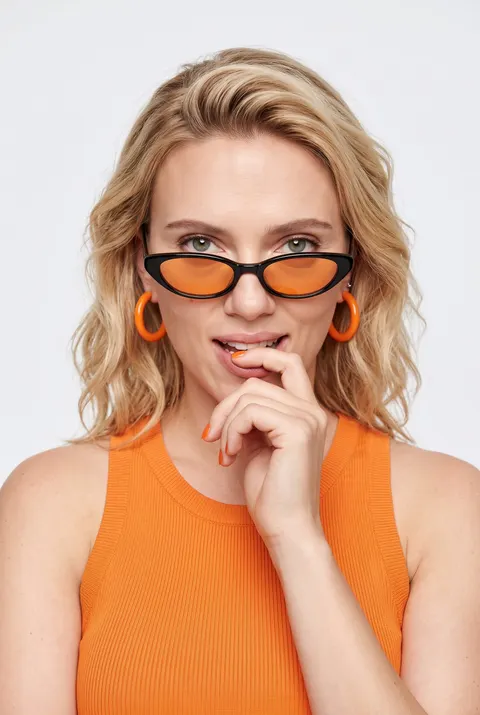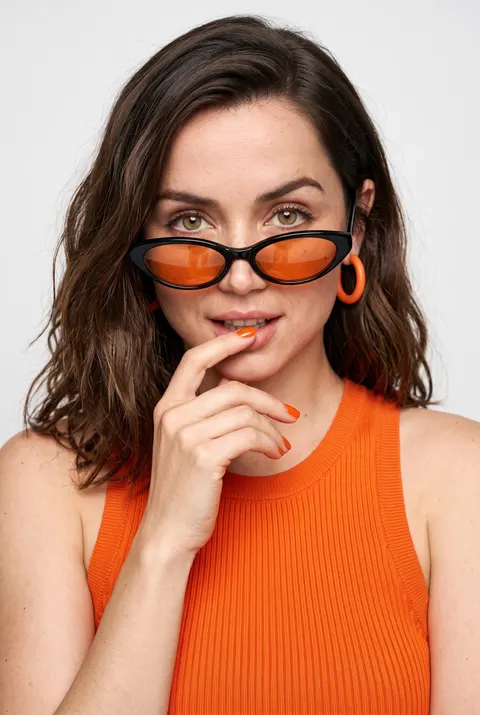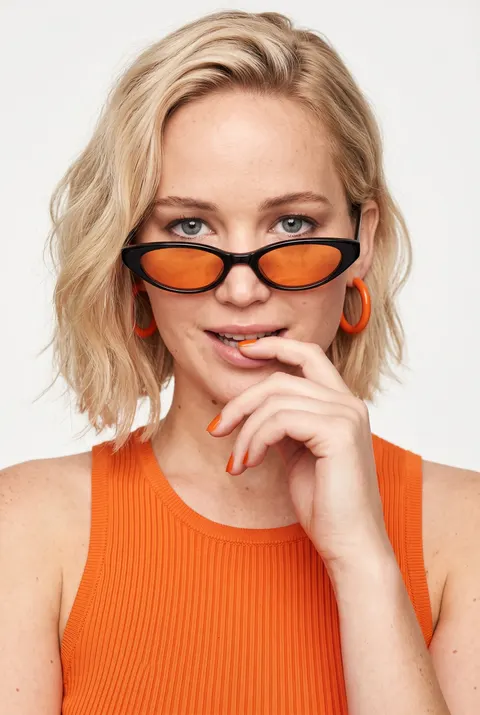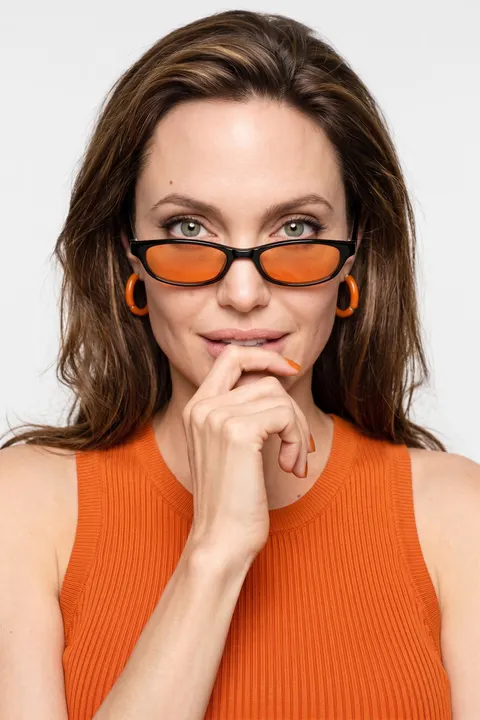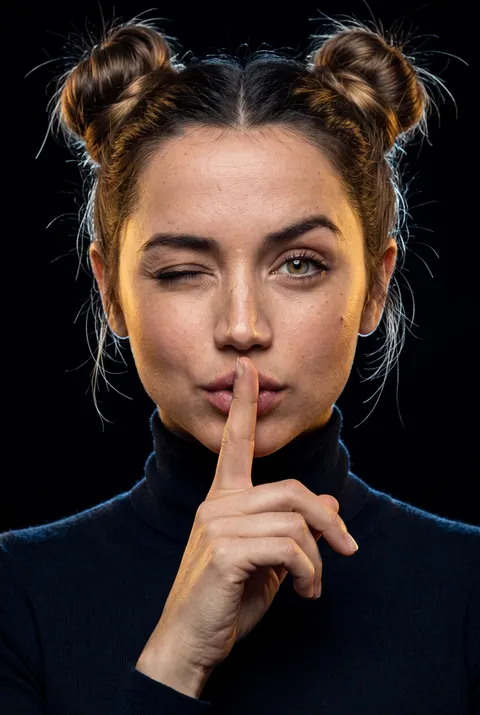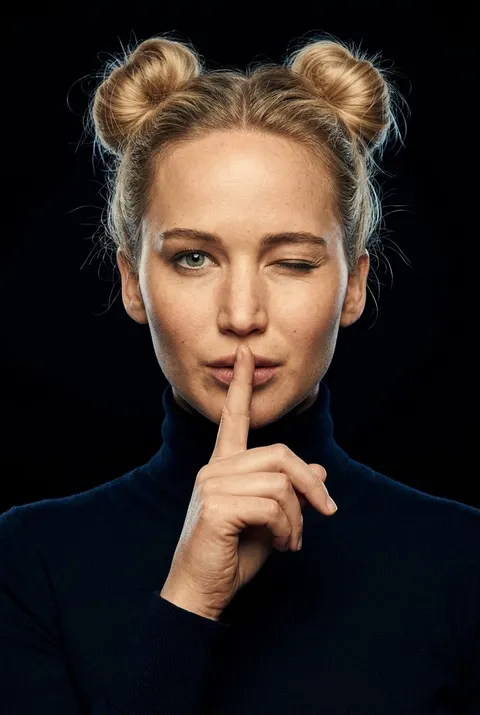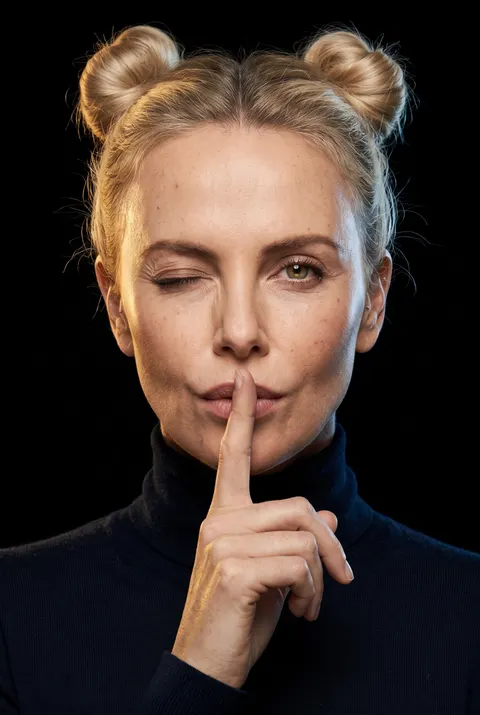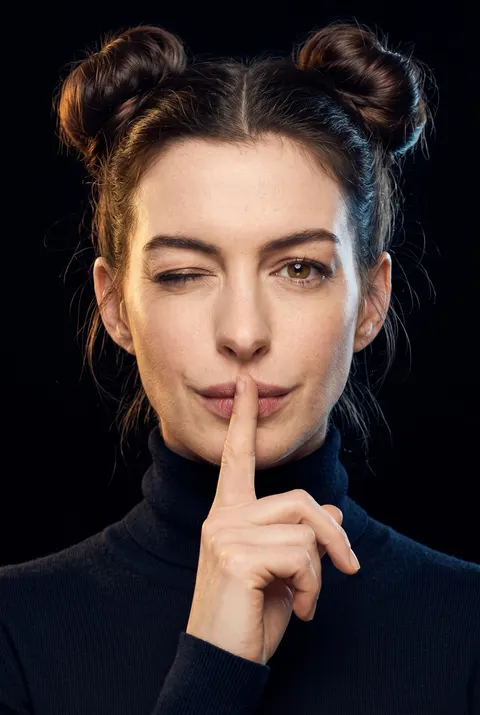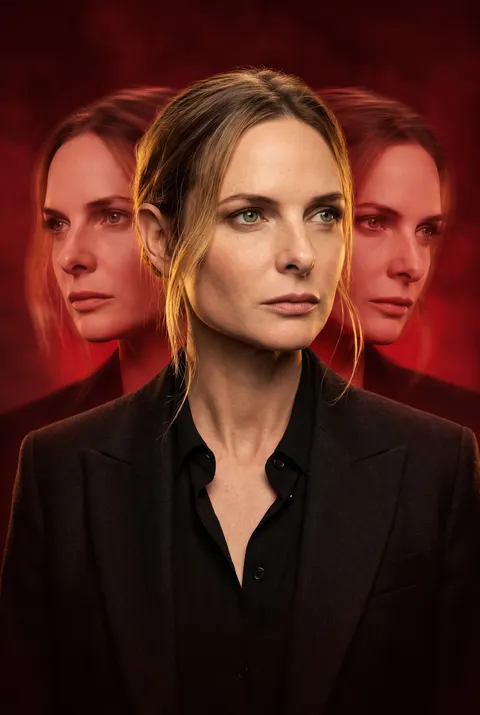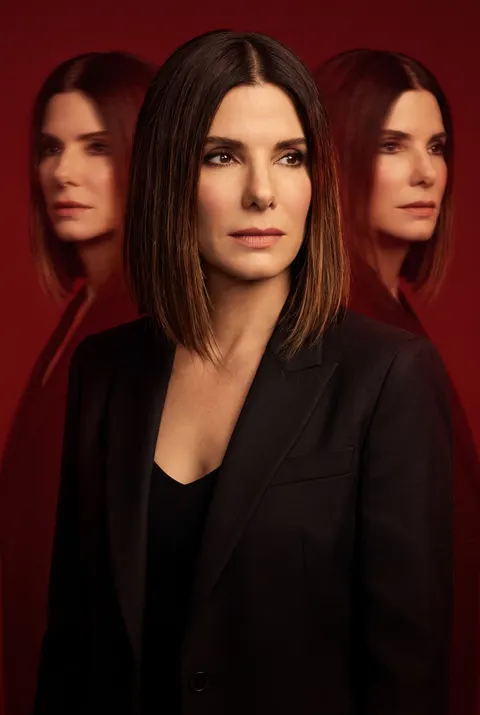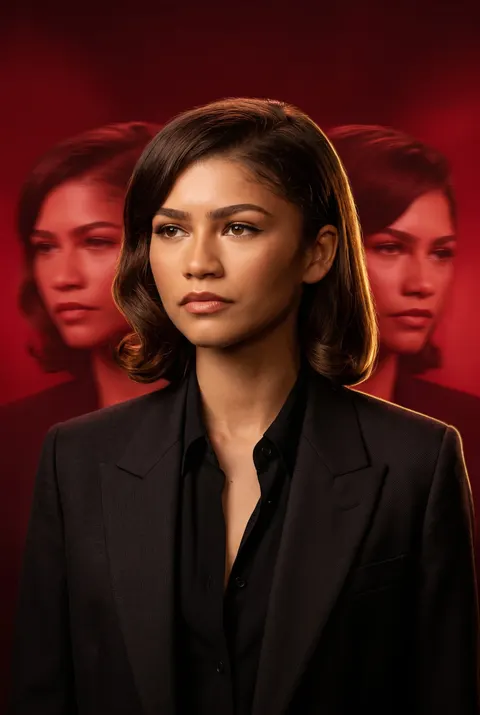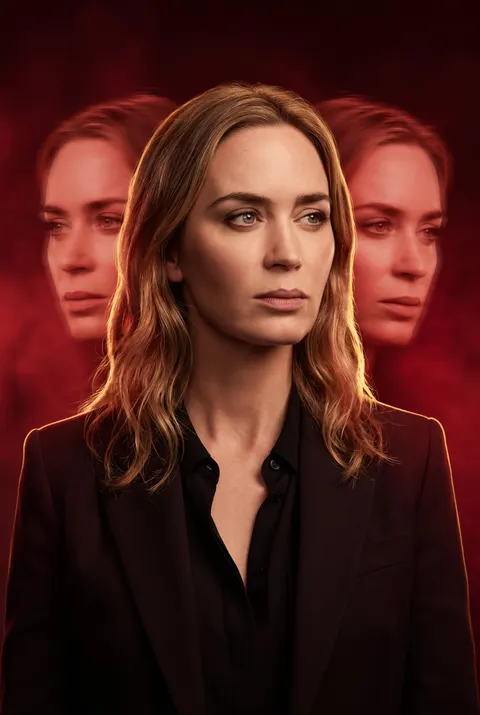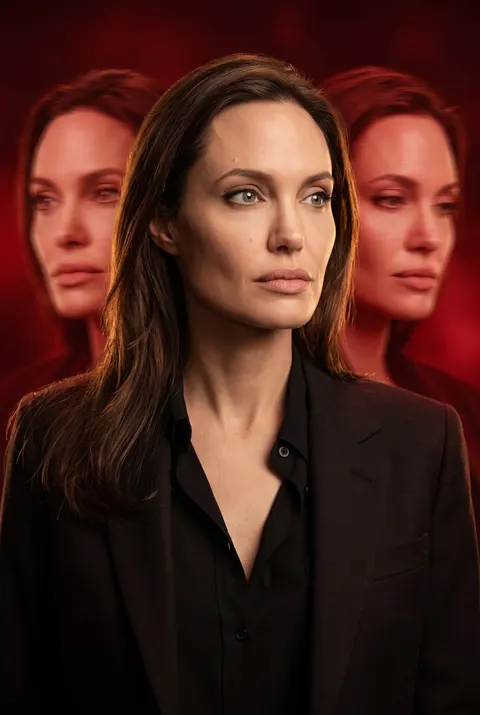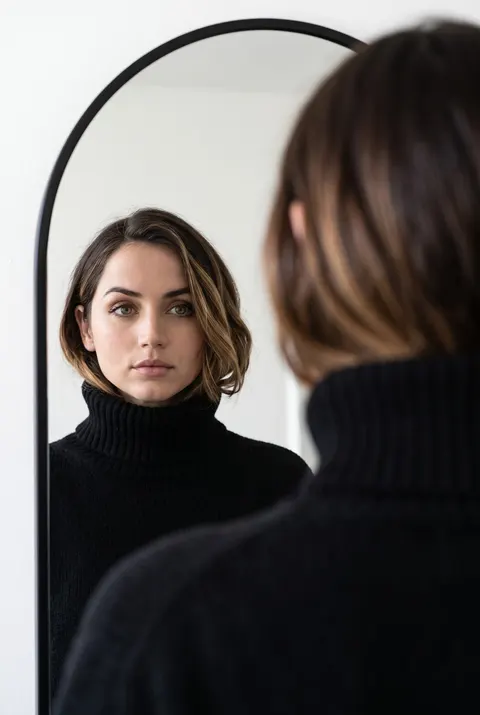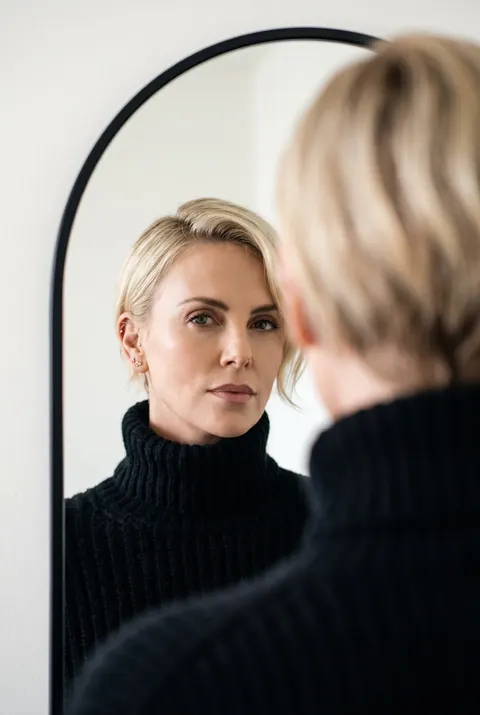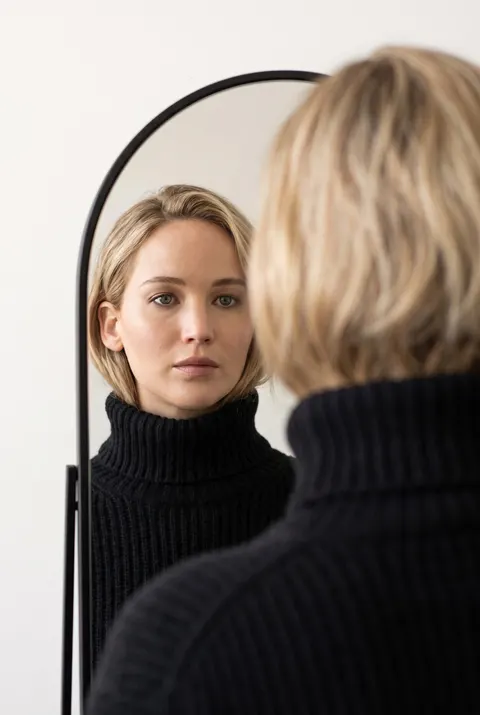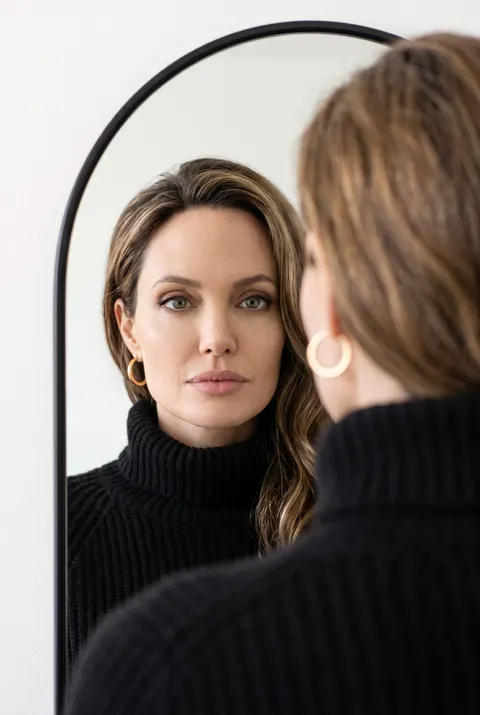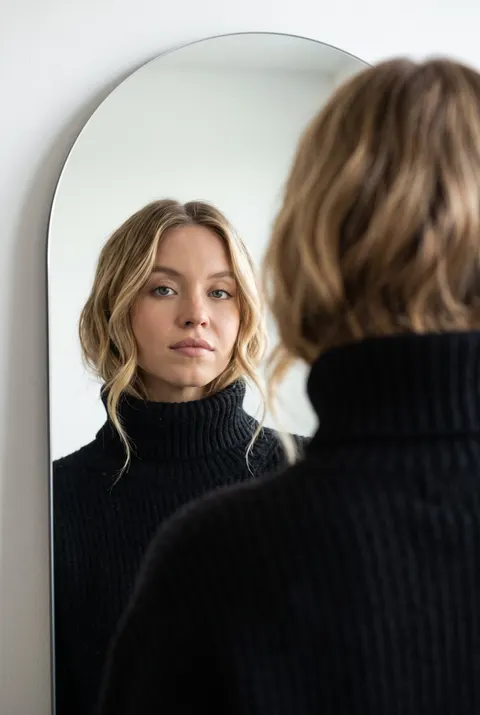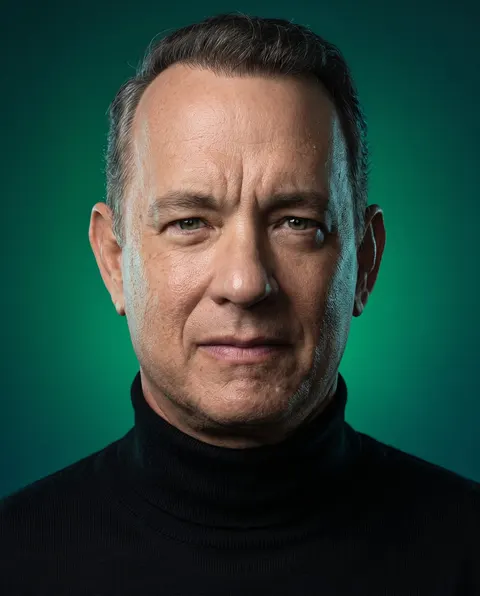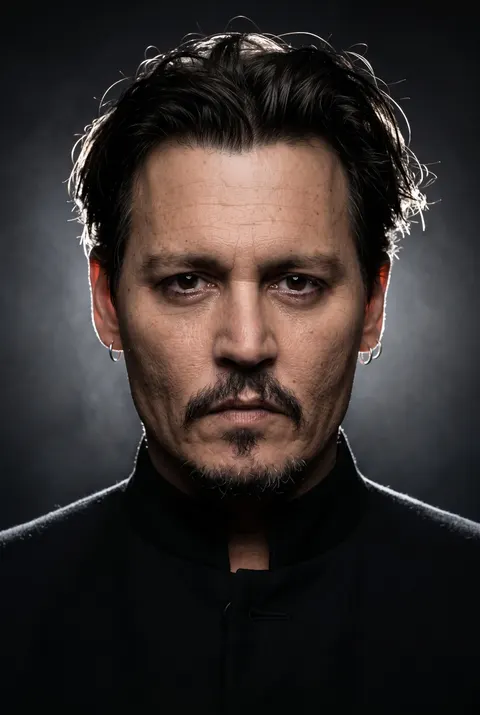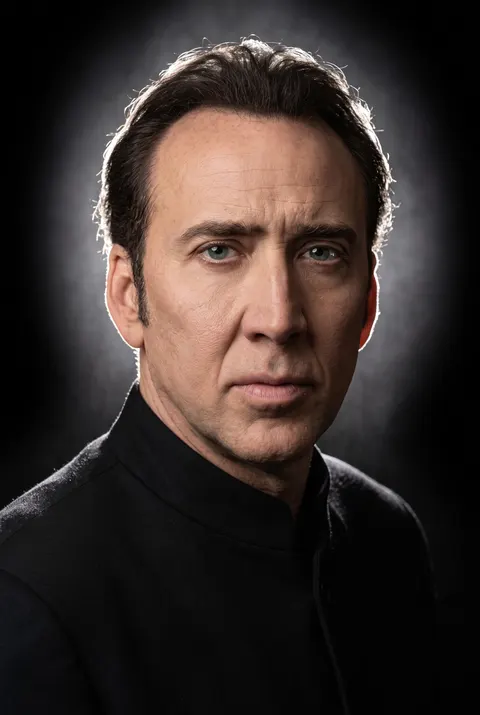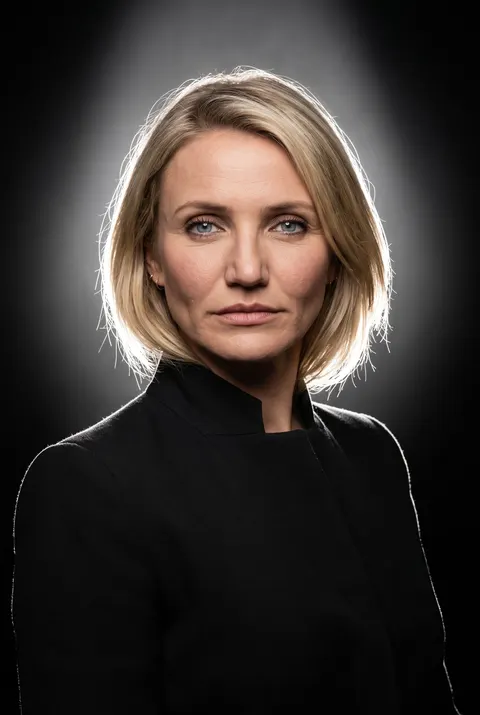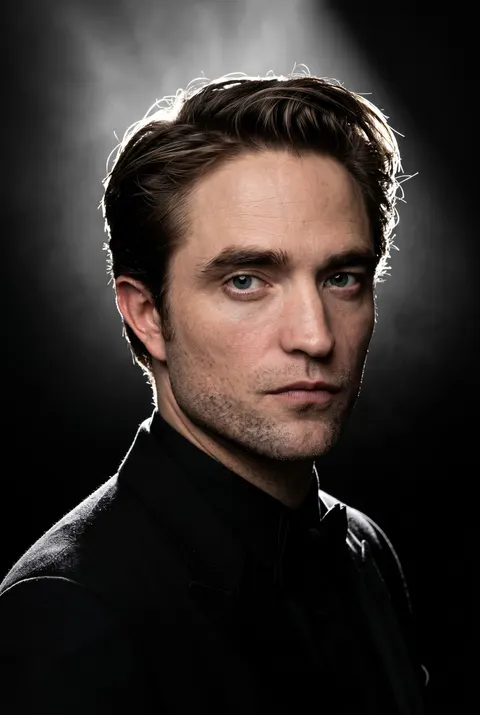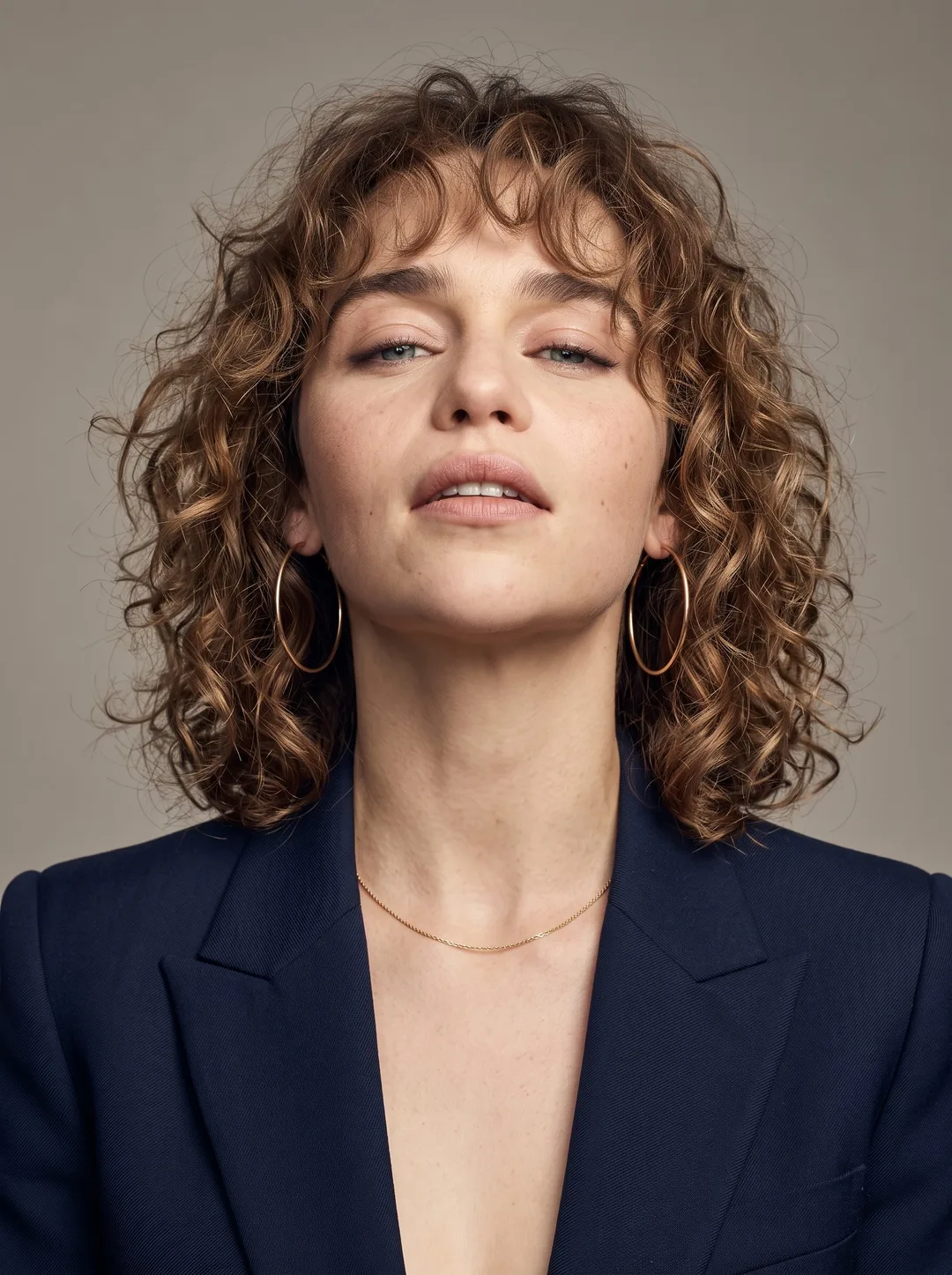
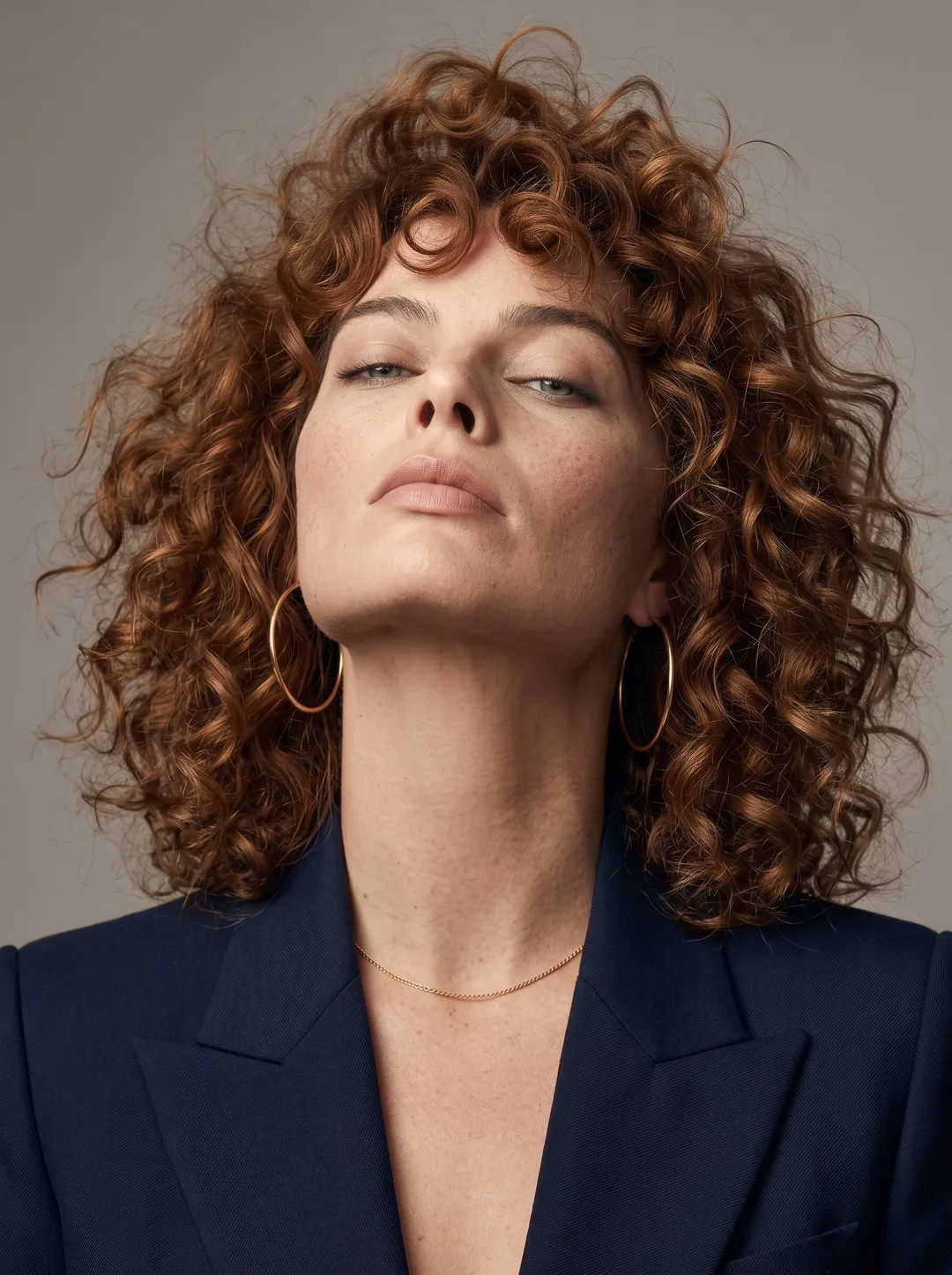
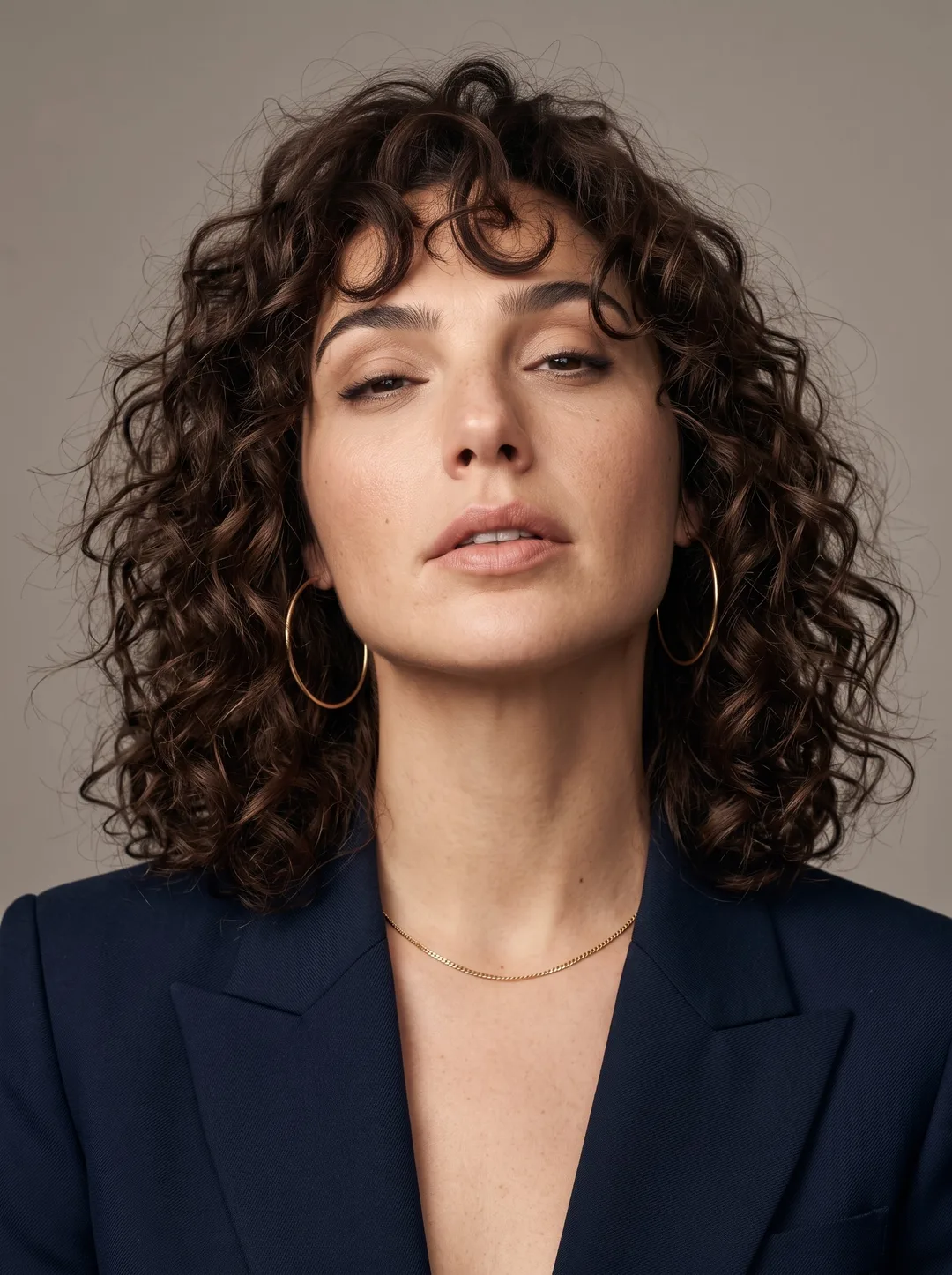
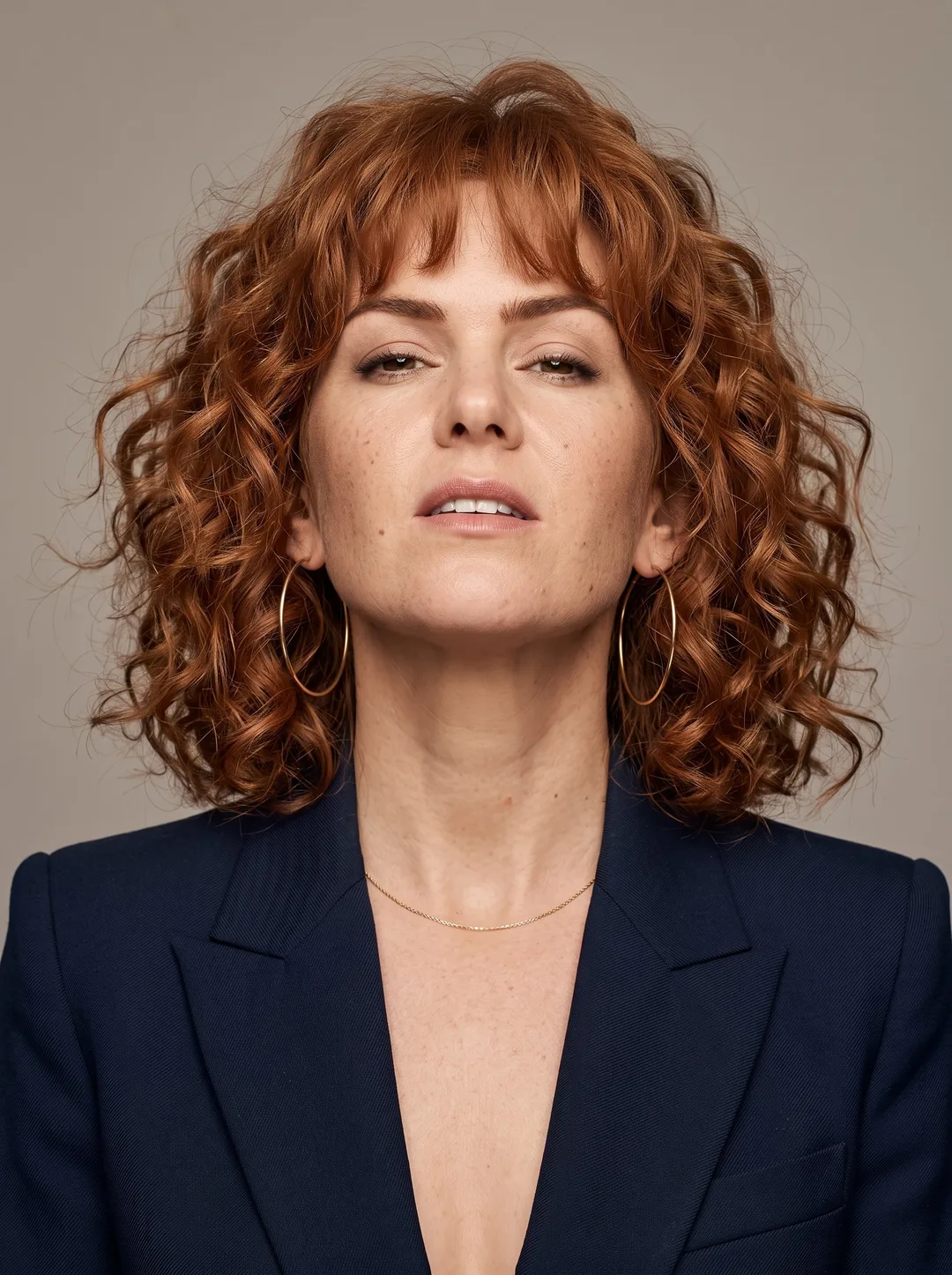
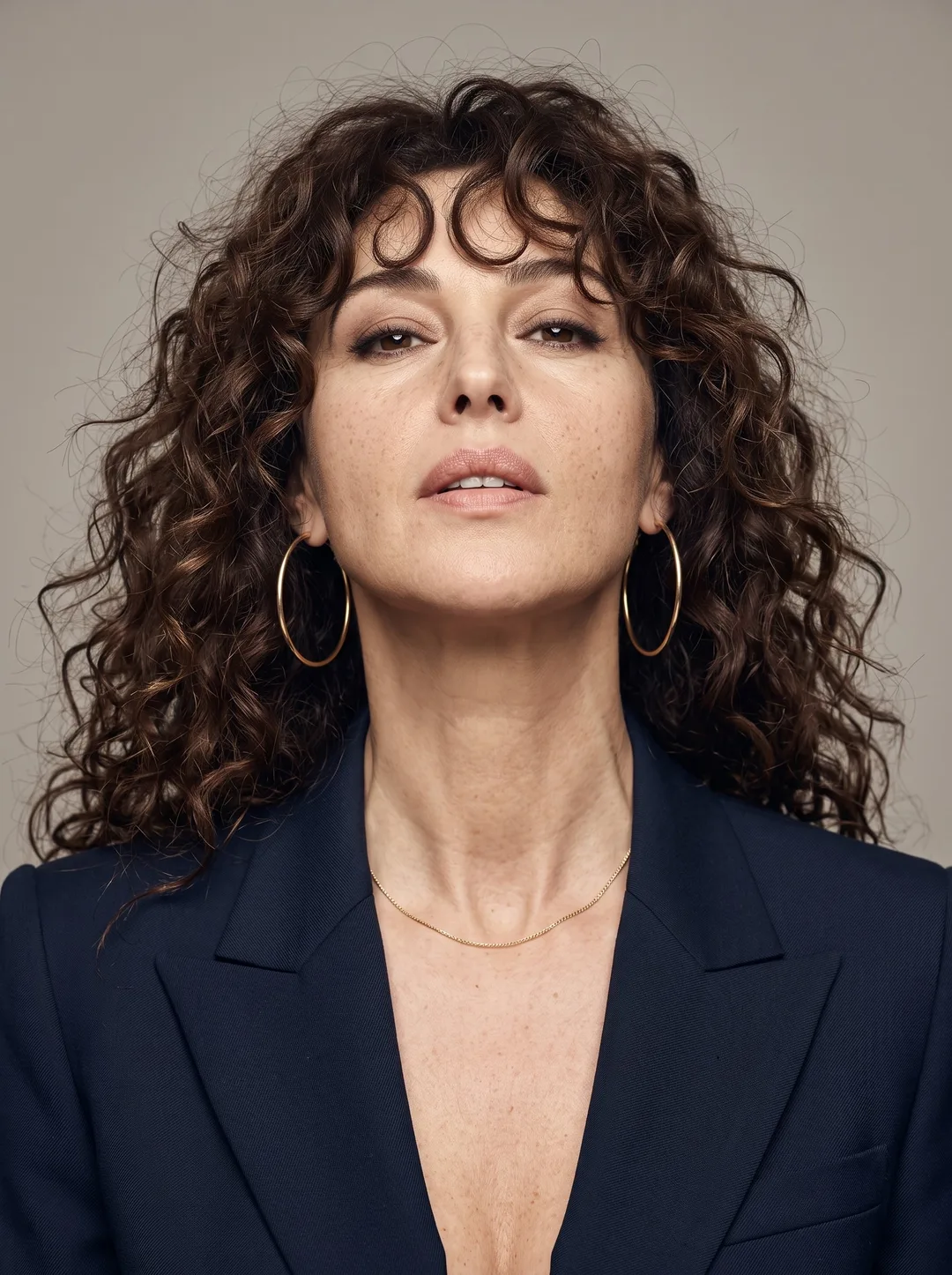
Voluminous Curls & Navy Blazer Portrait
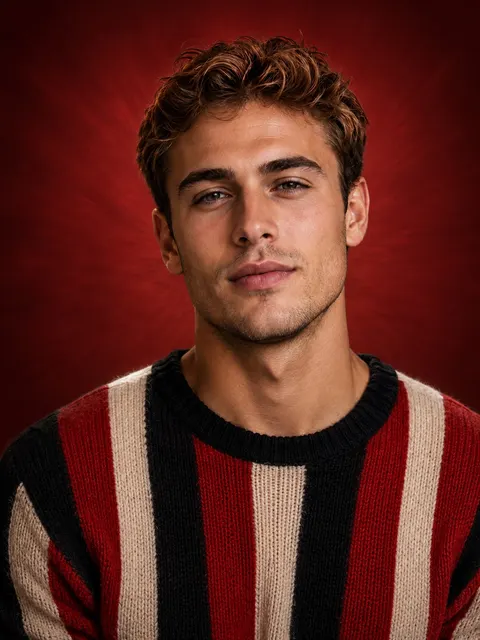
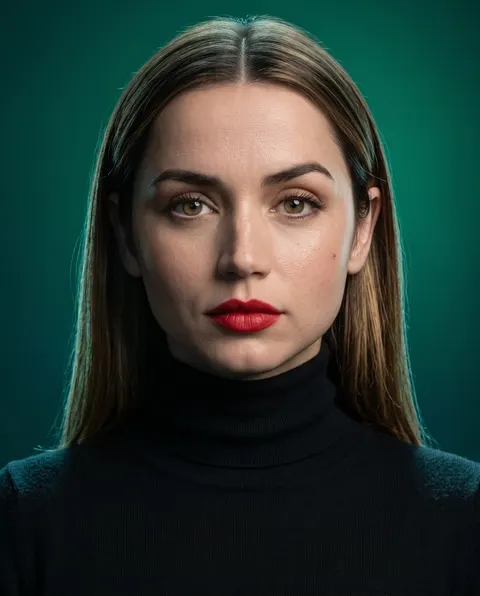
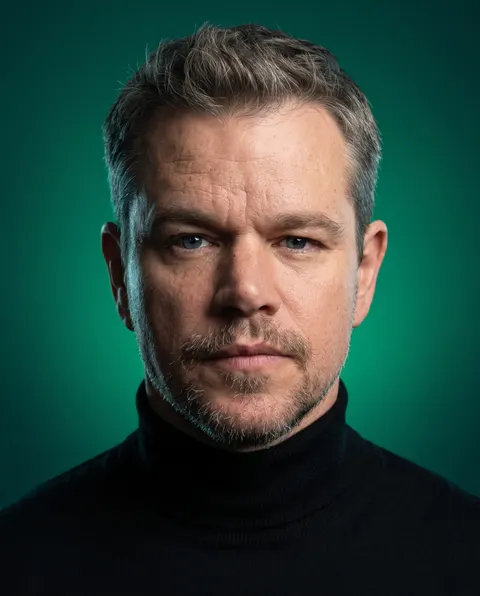
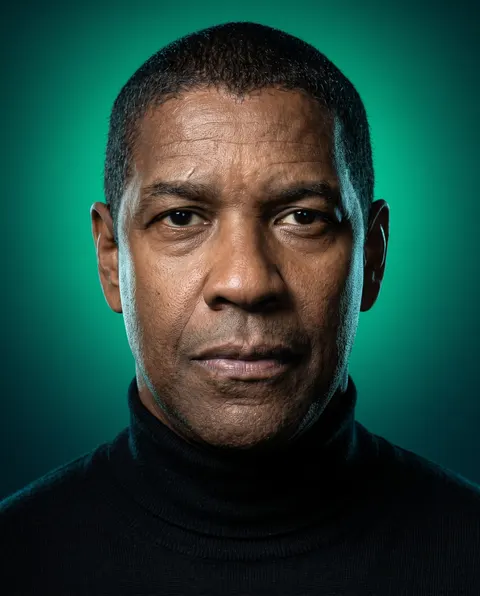
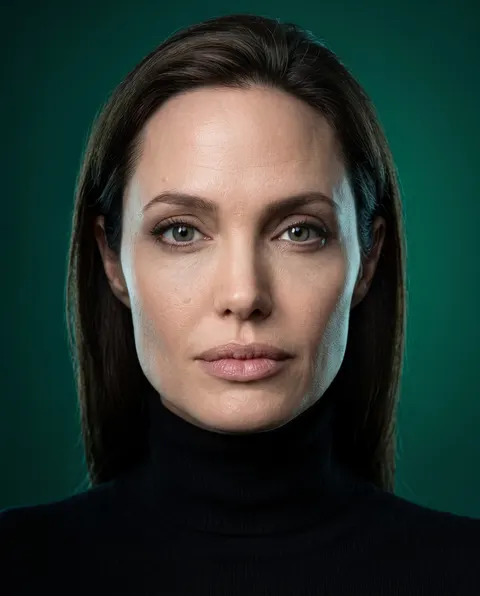
Studio portrait prompt: a cloud of voluminous curls, navy blazer, lifted chin and heavy-lidded appraising gaze. Examples: Emilia Clarke, Margot Robbie, Gal Gadot.
Prompt
LOCKED MASTER PROMPT — VOLUMINOUS CURLS, NAVY BLAZER, NEUTRAL STUDIO
ROLE
The head is thrown back and turned. The eyes are narrowed, lids half down, looking down at the lens from above.Read that first; it is the image.
You are a world-class fashion-magazine portrait photographer working with soft studio light, a neutral field and natural, unretouched skin.
Create a premium, photorealistic editorial portrait using the ATTACHED REFERENCE IMAGE as the identity source.
The defining idea of this image: a lifted, turned, tilted head and a heavy-lidded, narrowed gaze that comes down the nose to the viewer — unhurried, appraising, superior. Lips just parted. A cloud of voluminous curls with a fringe over the brow. A dark navy blazer with structured shoulders, nothing beneath. Large thin gold hoops. A neutral warm-grey field. Soft magazine light on real skin.
The output must look like a real studio photograph captured on a high-end full-frame camera — NOT like an AI-generated image, a 3D render, a beauty-filtered portrait, or a straight-on, wide-eyed headshot.
Aspect ratio: 3:4 vertical.

0. LOCK MAP — WHAT CHANGES, WHAT STAYS
FROM THE REFERENCE — LOCKED TO THE PERSON: Face, skin, freckles, eyes, brows, nose, lips, teeth, ears, build, age, sex, gender presentation, ethnicity, natural hair colour, natural hair texture, facial hair.
FROM THIS PROMPT — LOCKED TO THE SERIES: Head position, eye state, gaze, hair form and volume, wardrobe, jewellery, lighting, framing, camera, grade.

1. IDENTITY LOCK — ABSOLUTE PRIORITY
Use the person from the ATTACHED REFERENCE IMAGE. Preserve identity with maximum fidelity. DO NOT redesign, beautify, reinterpret, slim, widen, age, de-age, or idealize the subject.
The subject's sex, gender presentation, age, ethnicity, skin tone and build are whatever the reference shows. Nothing in this prompt overrides the reference on any of these. The head position, the eye state, the curls, the blazer and the jewellery are a styling and expression choice applied to whoever the reference shows — they do not imply, require or alter the subject's gender.
Preserve exactly:
	•	Facial geometry and skull proportions
	•	Face shape and width-to-height ratio
	•	Forehead height and front hairline shape
	•	Brow ridge projection
	•	Eyebrow shape, thickness, density and spacing — not groomed, thinned, filled or arched
	•	Eye shape, size, spacing, lid structure, crease, iris colour, lashes — the narrowed eyes in Section 2 are the reference's own eyes, half-closed; their shape is not redrawn
	•	Nose bridge, tip and nostril structure — seen from below because of the lifted chin
	•	Cheekbone height and projection
	•	Jawline definition and angle
	•	Chin shape and projection
	•	Lip shape, thickness, proportions and natural colour
	•	Teeth, where visible — as the reference shows them
	•	Ear size, shape, position and attachment
	•	Natural facial asymmetry
	•	Skin tone and undertone
	•	Skin texture, pores, freckles, moles, fine lines and surface irregularity — exactly as the reference carries them; freckles neither added nor removed
	•	Neck length and thickness, collarbone, shoulder width
	•	Apparent age
	•	Any scars or distinguishing marks
HAIR COLOUR AND NATURAL TEXTURE — FROM THE REFERENCE
The styled curls are the reference person's own hair colour, including any greying, with the reference's natural texture beneath the styling. Do NOT recolour.
HAIR FORM — FROM THIS PROMPT
See Section 4. Straight or wavy reference hair is styled into curls with volume; short hair is built out to the stated length as a stylist would.
FACIAL HAIR — CONDITIONAL
Only if the reference shows it; then exact. If absent, add none.
NO MAKEUP ADDED
Do NOT add any cosmetic the reference does not show. If the reference wears makeup, keep it as the reference shows it.
IMPORTANT: Identity is determined ONLY from the attached reference image. Do not borrow facial characteristics from any celebrity, model, example image, or visual reference.

2. HEAD POSITION & GAZE LOCK — CRITICAL — READ BEFORE ANYTHING ELSE
This is the image. If this section fails, the image fails.
THE HEAD — BACK, TURNED, TILTED
Three rotations, all present at once:
	•	Thrown back: the chin lifted approximately 15–22 degrees — the face tips up and away, the underside of the jaw and chin fully visible, the nostrils visible from below, the forehead receding, the neck long and extended
	•	Turned: the head rotated approximately 10–16 degrees toward one side — this document uses camera-right — so the nose points slightly to camera-right and the camera-left cheek presents a little more broadly than the camera-right
	•	Tilted: a lateral tilt of approximately 6–10 degrees, the crown leaning toward camera-left — away from the turn — so the head cants across the frame
The result is a head held high and askew, not a face squared to the camera. The neck shows its full length from collarbone to jaw.
THE EYES — NARROWED, HEAVY-LIDDED
	•	The upper lids are lowered, covering approximately 30–45% of the iris — the eyes visibly half-closed, the lid's edge cutting across the top of the iris, the crease above deepened
	•	The lower lids raised slightly, narrowing the eye from below — the eye a narrow, horizontal opening, not a round one
	•	The lashes of the lowered upper lids clearly visible along their edge, casting a soft shadow into the eye
	•	Both eyes narrowed equally — this is a look, not a wink and not a squint of effort
	•	The iris and pupil visible through the narrowed opening; a small, soft catchlight in each
THE GAZE — DOWN THE NOSE, INTO THE LENS
	•	Because the head is thrown back and the lids are down, the gaze travels down the nose to reach the camera — the eyes look downward relative to the face while the face points up
	•	The gaze lands on the lens — steady, unhurried, level with the viewer
	•	The read: appraising, cool, self-possessed, faintly amused — looking down at the viewer from a raised head
THE BROW AND MOUTH
	•	The brow relaxed and level — not raised in surprise, not lowered in a frown; the lids are down, the brow is not
	•	Lips slightly parted and relaxed, the upper teeth just visible between them — no smile, no tension
	•	Jaw relaxed, presented to the camera by the lift
THE FAILURE MODES — FORBIDDEN
Do NOT render a straight-on, squared face — the head is back, turned and tilted, all three. Do NOT render a level or lowered chin. Do NOT render wide-open eyes, round eyes or fully open lids — the lids are half down. Do NOT render eyes so closed that the iris disappears — the iris shows through the narrow opening. Do NOT render a wink, a one-sided squint or unequal eyes. Do NOT render a squint of effort — furrowed brow, crow's-feet tension, a screwed-up face — the narrowing is relaxed. Do NOT raise the brows. Do NOT let the eyes follow the chin upward, away from the lens — they come down to it. Do NOT let the gaze wander off the lens. Do NOT smile, grin, close the lips fully or open the mouth wide. Do NOT produce a blank, vacant, startled, warm, friendly, seductive-pouting or theatrical expression.

3. CAMERA POSITION LOCK
Eye level, within 3 degrees. Lens axis horizontal. The lift, the turn and the tilt are all in the head, not in the camera. Shoulders square to the camera, rotated no more than 8 degrees.
Do NOT use a low or high camera angle. Do NOT tilt the camera (no dutch angle) — the head tilts, the frame does not. Do NOT introduce wide-angle distortion.

4. HAIR LOCK — VOLUMINOUS CURLS
FORM
	•	Full, voluminous, tousled curls — a wide, rounded, irregular mass extending well beyond the head on both sides and above the crown
	•	Length chin to just above the shoulder, the ends curling in every direction
	•	A curled fringe falls across the forehead and over the brows, several curls dropping toward the eyes and temples without hiding the narrowed eyes
	•	Curls 2–4 cm in diameter, mixed — ringlets, s-waves, tousled bends — with visible separation and air between them; slightly undone, lived-in
	•	The silhouette soft and broken — individual curls and flyaways at the edge
	•	The hair mass spans approximately 70–85% of frame width; its top approximately 6–10% below the upper edge
	•	Both ears partially visible through the curls
	•	The reference's own colour and tonal variation; no accessories of any kind
Do NOT render straight, sleek, flat or slicked hair. Do NOT render tight coils, a perm, a uniform ringlet set or single-size curls. Do NOT render a short crop, a long mane past the shoulders, an updo, a ponytail, braids or a bun. Do NOT omit the fringe, or let it hide the eyes. Do NOT render a smooth, sealed mass with no curl separation. Do NOT recolour the hair, alter the front hairline, or hide both ears. Do NOT show any clip, pin, band or ornament.

5. FRAMING LOCK
A tight head-and-shoulders portrait, the hair filling the upper frame.
Show: the full hair mass; the full face — lifted, turned, tilted — with both narrowed eyes; both hoops; the long neck and collarbone; the fine chain; the blazer's shoulders and lapels meeting low at the sternum; the lower edge at the mid-chest.
Head including hair: approximately 62–70% of frame height. Face alone (hairline to chin): 34–40%. Eye line: approximately 36–41% down from the top. Chin: 58–63%. Lapels meeting: 88–94%. Headroom above the hair: 6–10%; the hair not clipped.
Do NOT crop the hair, the chin, an earring or the lapels' meeting point. Do NOT tighten into a face-only crop; do NOT pull back into a chest-up composition.

6. SUBJECT POSITION
Face at approximately 48–52% of frame width. The turn and the tilt give the only asymmetry; the hair balances around it.
Do NOT offset the face or the hair mass.

7. WARDROBE & JEWELLERY LOCK
Blazer
	•	Dark navy, approximately #101C36 to #16244A where lit, near-black in the folds
	•	Structured, padded, squared shoulders — a strong clean line
	•	Peak or wide notch lapels, rolling from the shoulders and meeting low at the sternum, with nothing beneath — bare skin at the neck and upper chest between them
	•	Matte wool or fine suiting, subtle weave on the lit shoulders; fastened below the crop; no pocket square, pin or trim
Earrings
	•	Large thin gold hoops, approximately 4–5 cm, one per ear — worn regardless of the reference; replacing any others
Necklace
	•	A hair-fine gold chain at the base of the neck; no pendant or a minimal one
Do NOT use a black, grey, brown, light or coloured blazer; a soft, unstructured, oversized or slouchy one. Do NOT show a shirt, blouse, camisole or any garment beneath. Do NOT close the lapels high, or open them below the sternum. Do NOT add a pocket square, pin, brooch, tie or scarf. Do NOT use small, thick, drop, stud, silver or coloured earrings; do NOT omit them. Do NOT use a thick chain, large pendant, layered necklaces or a choker. Do NOT add a watch, ring, bracelet, glasses, hat or accessory not in the reference.

8. BACKGROUND LOCK
A warm neutral grey seamless, approximately #A9A59E to #B8B4AD in the mid zone — stone or putty, never cool, never green; marginally lighter behind the head, marginally darker at the edges; smooth, textureless, softly out of focus.
NO objects, props, walls, architecture or equipment. NO gradient with a visible edge, spotlight, hotspot or vignette. NO text, typography, logos, watermarks, borders or graphic elements. NO second figure or shadow of a figure.

9. LIGHTING LOCK — SOFT FRONTAL MAGAZINE LIGHT
KEY
A 1.5 m octabox or socked beauty dish, near-frontal, approximately 15–25 degrees to one side of the lens axis and 25–35 degrees above eye level, angled down at the lifted face.
FILL
A large white reflector or weak soft source below and opposite, 2:1 to 2.5:1.
RESULT
	•	Smooth, even illumination with gentle modelling: a soft turn on the far cheek, a shallow shadow under the nose, and — because the head is thrown back — a clear, soft shadow beneath the chin and along the underside of the jaw and the front of the neck
	•	The lowered upper lids catching light along their edge; the narrowed eye openings in soft shadow beneath the lids, the iris and catchlight visible within
	•	Skin luminous and textured; a faint natural sheen on the forehead, nose bridge and cheekbones
	•	The curls lit softly from the front and above, the fringe and outer curls catching highlights, the interior in soft shadow
	•	Soft highlights on the blazer's shoulders and lapel edges; warm glints on the hoops and chain
Do NOT use a hard or small source; dramatic, side, split or chiaroscuro lighting; a ring light. Do NOT add a rim, hair or kicker light. Do NOT erase the under-chin and neck shadow — the lifted head creates it. Do NOT light the eyes so brightly that the lids' shadow disappears — the half-closed lids must read as half-closed.

10. LIGHTING DIRECTION LOCK
Identical across every generation regardless of the reference person's gender, age, skin tone or facial structure. Key position, size, height and fill ratio fixed. Only the way the light falls across the individual's anatomy varies.

11. EXPOSURE & TONAL BALANCE LOCK
A clean, warm, mid-key image.
Distribution: warm grey background 22–32%; hair 30–40%; face, neck and chest 18–26%; blazer 12–18%; jewellery under 1%.
The face correctly exposed and luminous, highlights soft and textured; the hair with a full range from lit fringe to shadowed interior; the blazer deep navy with visible weave on the shoulders, never flat; the background below the face and above the blazer in value; no pure white, no pure black except the deepest blazer folds.
Do NOT overexpose the face; crush the hair or blazer; lift the background toward white; push into drama or flatten into a wash.

12. CAMERA LOOK
85–100mm at f/2.8 to f/4.
	•	Critical focus on the eyes — the narrow openings, the lid edges, the lashes
	•	Brows, nose, lips, teeth, freckles, skin texture, the fringe, the near curls, the hoops and the lapels sharp
	•	Outer curls and shoulders marginally soft; the background a smooth soft field
Do NOT soften the fringe or hoops with shallow focus; do NOT stop down until the background acquires structure. Do NOT render bokeh shapes, flare, aberration, vignette or distortion.

13. IMAGE QUALITY — NATURAL SKIN
Photorealistic. Ultra-detailed natural skin: subtle pores on the forehead, nose and cheeks; freckles individually resolved; fine lines and natural irregularity; a faint healthy sheen — unretouched. The narrowed eyes rendered as real half-closed eyes: the upper lid's fold and edge, the lash line lying along it, the shadow the lid casts on the iris, the moist lower lid. Lip texture; the natural lip colour; the upper teeth true to the reference. Hair as thousands of individual strands with curl separation, spring and direction; flyaways; depth inside the mass; the reference's colour. Facial hair, where present, as discrete hairs. Blazer weave on the lit shoulders; crisp structured shoulder line; clean lapel edges. Thin polished gold with soft warm highlights. Physically believable soft shadow under the lifted chin and along the neck. Natural highlight roll-off; very fine, clean grain.
No plastic, waxy or airbrushed skin; no smoothing, freckle removal, teeth whitening or eye brightening; no added makeup. No wide-open eyes redrawn to look "alert". No over-sharpening, halos, HDR, beauty-filter, portrait-mode, CGI or render look. No hair as a smooth mass or painted texture.

14. COLOUR GRADING
Warm, natural, editorial. Background warm neutral grey; skin colour-accurate with a faint editorial warmth, freckles intact; hair the reference's colour; blazer deep navy, the one strong colour; gold warm. Moderate saturation and contrast; open shadows; soft highlights; neutral-to-faintly-warm white balance.
Do NOT push the skin toward orange, red, peach or magenta; cool the background toward blue or green; shift the navy toward black, blue or teal; add a second accent; apply a teal-orange, filmic, vintage, faded or cinematic cast; crush or lift the blacks; allow banding.

15. VISUAL HIERARCHY
The narrowed, heavy-lidded eyes looking down the nose at the lens → The thrown-back, turned, tilted head and the long exposed neck → The parted lips → The freckled, textured skin → The fringe and the cloud of curls → The gold hoops → The structured navy shoulders and low lapels → The warm grey field
The head position and the eyes are the image. The hair frames it. The blazer grounds it.

16. NON-NEGOTIABLE RULES
	•	Head thrown back 15–22 degrees, turned 10–16 degrees toward camera-right, tilted 6–10 degrees with the crown toward camera-left — all three at once.
	•	Both eyes narrowed and heavy-lidded: upper lids covering 30–45% of the iris, lower lids slightly raised, equal on both sides, relaxed.
	•	Gaze down the nose, landing on the lens.
	•	Brow relaxed and level; lips slightly parted with the upper teeth just visible; no smile.
	•	Identity, sex, gender presentation, age, skin tone, build, eye shape, lid structure, brows, lips, teeth, ears, freckles and skin texture from the reference; styling applied to whoever the reference shows.
	•	Hair colour and natural texture from the reference; hair form and volume from this prompt.
	•	Facial hair from the reference, only if present; no makeup added.
	•	Camera at eye level within 3 degrees; no camera tilt; shoulders square within 8 degrees.
	•	Voluminous tousled curls, chin-to-shoulder, 2–4 cm, fringe over the brows, 70–85% of frame width, ears partially visible, no accessories.
	•	Head with hair 62–70% of frame height; eye line at 36–41%; chin at 58–63%; lapels meeting at 88–94%; 6–10% headroom; face centred.
	•	Dark navy structured-shoulder blazer, lapels meeting at the sternum, nothing beneath, no pocket square or pin.
	•	Large thin gold hoops, 4–5 cm; a hair-fine gold chain.
	•	No other accessories unless in the reference.
	•	Warm neutral grey seamless, #A9A59E–#B8B4AD, soft gradation.
	•	Large soft near-frontal key at 15–25 degrees off axis, 25–35 degrees above; fill 2:1–2.5:1.
	•	Under-chin and neck shadow present; lids' shadow on the eyes present; no rim, hair, kicker or ring light.
	•	Face correctly exposed; hair full-range; blazer navy with weave.
	•	85–100mm at f/2.8–f/4; eyes, fringe, hoops and lapels sharp.
	•	Pores, freckles, lip texture and individual strands visible; the half-closed eyes rendered as real lids.
	•	Warm natural grade; colour-accurate skin; navy the only strong colour.
	•	No text, logos, watermarks, props, second figures or extra accessories.
	•	3:4 vertical aspect ratio.

17. REFERENCE PRIORITY SYSTEM
PRIORITY 1 — HEAD POSITION, EYE STATE AND GAZE
Back, turned, tilted; narrowed and heavy-lidded; down the nose into the lens. Checked first in every generation.
PRIORITY 2 — IDENTITY AND SKIN
Face, eye shape and lid structure, brows, lips, teeth, ears, freckles, skin texture, hair colour, facial hair, build, age, sex, gender presentation and natural likeness from the reference.
PRIORITY 3 — HAIR FORM
The voluminous tousled curls with the fringe, in the reference's own colour.
PRIORITY 4 — WARDROBE AND JEWELLERY
The structured navy blazer with nothing beneath, the large thin hoops, the fine chain.
PRIORITY 5 — LIGHTING AND BACKGROUND
The soft frontal magazine light with the under-chin shadow, and the warm grey field.
PRIORITY 6 — COMPOSITION, GRADE AND CAMERA
The tight framing, the warm natural grade and the 85–100mm f/2.8–4 look.
If the reference conflicts with any instruction, preserve identity, eye shape, skin, freckles, anatomy, hair colour, facial hair and natural likeness from the reference, and preserve the head position, eye state, gaze, hair form, wardrobe, jewellery, lighting, background, composition, grade and camera specification from this prompt.

18. NEGATIVE CONSTRAINTS
Head, eye and gaze errors — primary failures
Do NOT generate:
	•	A straight-on, squared, frontal face
	•	A level or lowered chin; a chin lifted beyond 22 degrees
	•	A head turned less than 10 degrees, or more than 16
	•	An untilted, plumb head
	•	Wide-open, round or fully open eyes
	•	Eyes closed past the iris
	•	Unequal eyes, a wink or a one-sided squint
	•	An effortful squint — furrowed brow, screwed-up face, tension lines
	•	Raised or frowning brows
	•	Eyes following the chin upward, away from the lens
	•	A gaze off the lens
	•	A smile, grin, fully closed lips or a wide-open mouth
	•	A blank, vacant, startled, warm, friendly, seductive-pouting or theatrical expression
	•	Eye shape or lid structure redrawn to manufacture the look
Hair errors
Do NOT generate:
	•	Straight, sleek, flat or slicked hair; tight coils, a perm, uniform ringlets or single-size curls
	•	A short crop, a mane past the shoulders, an updo, a ponytail, braids or a bun
	•	A missing fringe, or a fringe hiding the eyes
	•	A smooth, sealed, helmet-like mass; hair as painted texture or a repeating pattern
	•	Recoloured hair; grey added or removed; an altered hairline; both ears hidden
	•	Clips, pins, bands, headbands or ornaments
Identity and makeup errors
Do NOT generate:
	•	A change in the subject's sex, gender presentation, age, ethnicity, skin tone or build
	•	A generic "fashion model" face imposed over the reference
	•	Added or removed freckles, moles or blemishes; smoothed or retouched skin
	•	Whitened, straightened or reshaped teeth
	•	Any added makeup; groomed, thinned, filled or arched brows
	•	Enlarged, brightened or recoloured eyes; plumped or reshaped lips
	•	Added or removed facial hair
	•	An aged, de-aged, beautified, slimmed or widened face
Wardrobe and jewellery errors
Do NOT generate:
	•	A black, grey, brown, light or coloured blazer; a soft, unstructured, oversized or slouchy one
	•	Any garment beneath the blazer
	•	Lapels closed high or open below the sternum
	•	A pocket square, pin, brooch, tie or scarf
	•	Small, thick, drop, stud, silver or coloured earrings; missing earrings
	•	A thick chain, large pendant, layered necklaces or a choker
	•	A watch, ring, bracelet, glasses, hat or accessory not in the reference
Background, lighting and camera errors
Do NOT generate:
	•	A white, black, cool-grey, green-grey, coloured, textured or patterned background
	•	A gradient edge, spotlight, hotspot or vignette; props, walls, architecture or equipment
	•	A hard source; dramatic, side, split or chiaroscuro light; a ring light; a rim, hair or kicker light
	•	An erased under-chin shadow; eyes lit so flat the lids' shadow disappears
	•	Hard-edged facial shadows
	•	A low, high, dutch or tilted camera
	•	A face-only crop; a chest-up crop with empty space; cropped hair, chin, earring or lapels
	•	An off-centre face; distortion; a soft fringe or hoops; a structured background
	•	Bokeh shapes, flare, aberration, vignette
Tonal, grade and rendering errors
Do NOT generate:
	•	An overexposed face; crushed hair or blazer; a background lifted toward white
	•	Dramatic contrast or a washed-out look
	•	Orange, red, peach or magenta skin; a cool background; navy shifted to black, blue or teal
	•	A second accent colour; a teal-orange, filmic, vintage, faded or cinematic cast
	•	Crushed or lifted blacks; banding
	•	Plastic, waxy or airbrushed skin; beauty-filter or portrait-mode effects
	•	Over-sharpening, halos, HDR, heavy noise
	•	Asymmetrical or misaligned eyes from generation error; mismatched or missing catchlights
	•	Deformed ears; distorted or extra teeth; melted or discontinuous hair
	•	CGI, 3D render, video-game, illustration, painting or stylized rendering
	•	Text, typography, logos, watermarks, borders or frames

FINAL INSTRUCTION
Create the image as if the same photographer, same warm grey studio, same soft frontal light, same camera and 85–100mm lens, same structured navy blazer with nothing beneath, same large thin gold hoops and fine chain, same voluminous curled styling in that person's own hair colour, same head thrown back, turned and tilted, and the same narrowed, heavy-lidded gaze coming down the nose to the lens photographed a completely different person — whoever the reference shows.
Only the identity of the subject should change.
IDENTITY CHANGES. EVERYTHING ELSE STAYS LOCKED. THE HEAD STAYS BACK, THE LIDS STAY DOWN.
Prompt copied — just paste it (Ctrl/Cmd+V) in the chat.