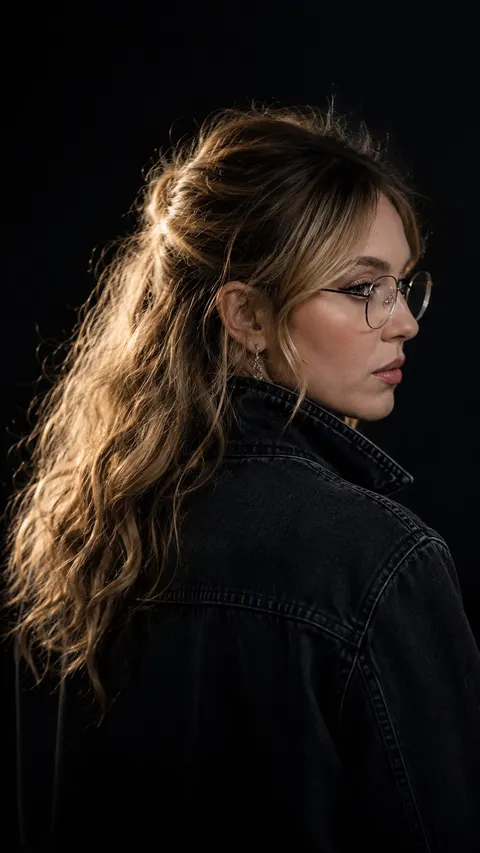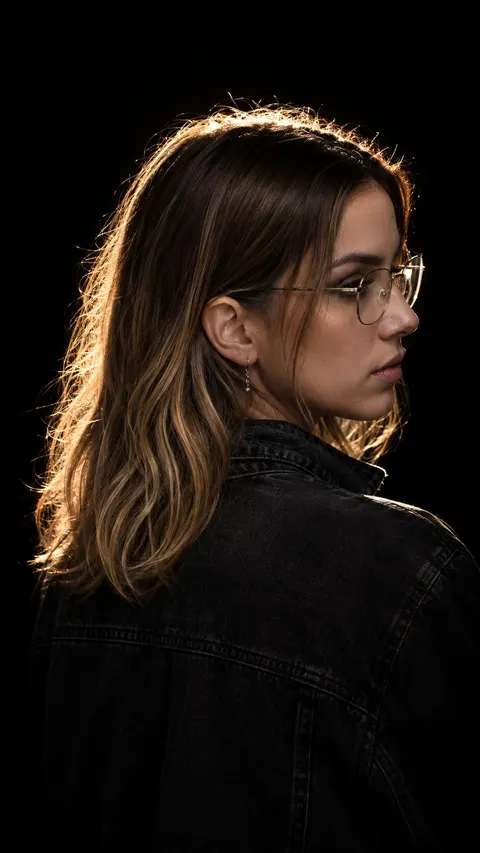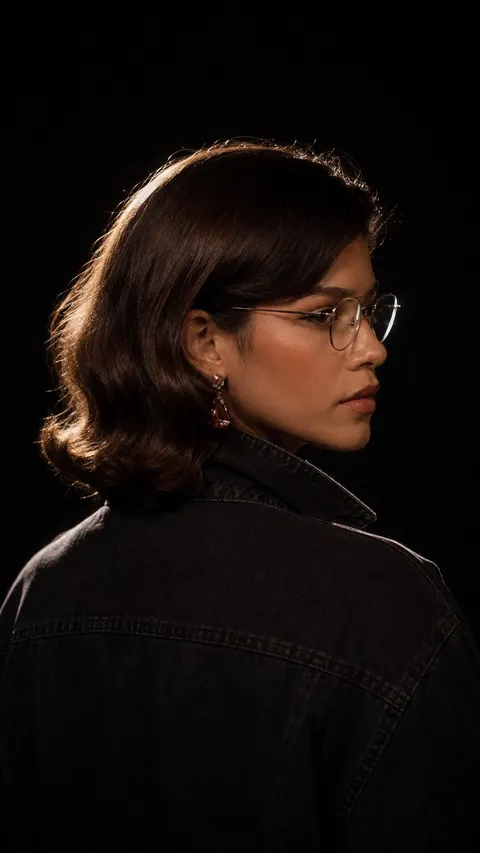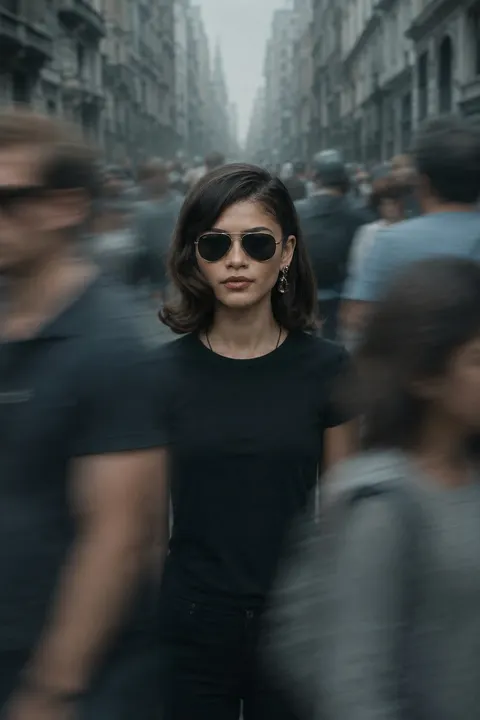
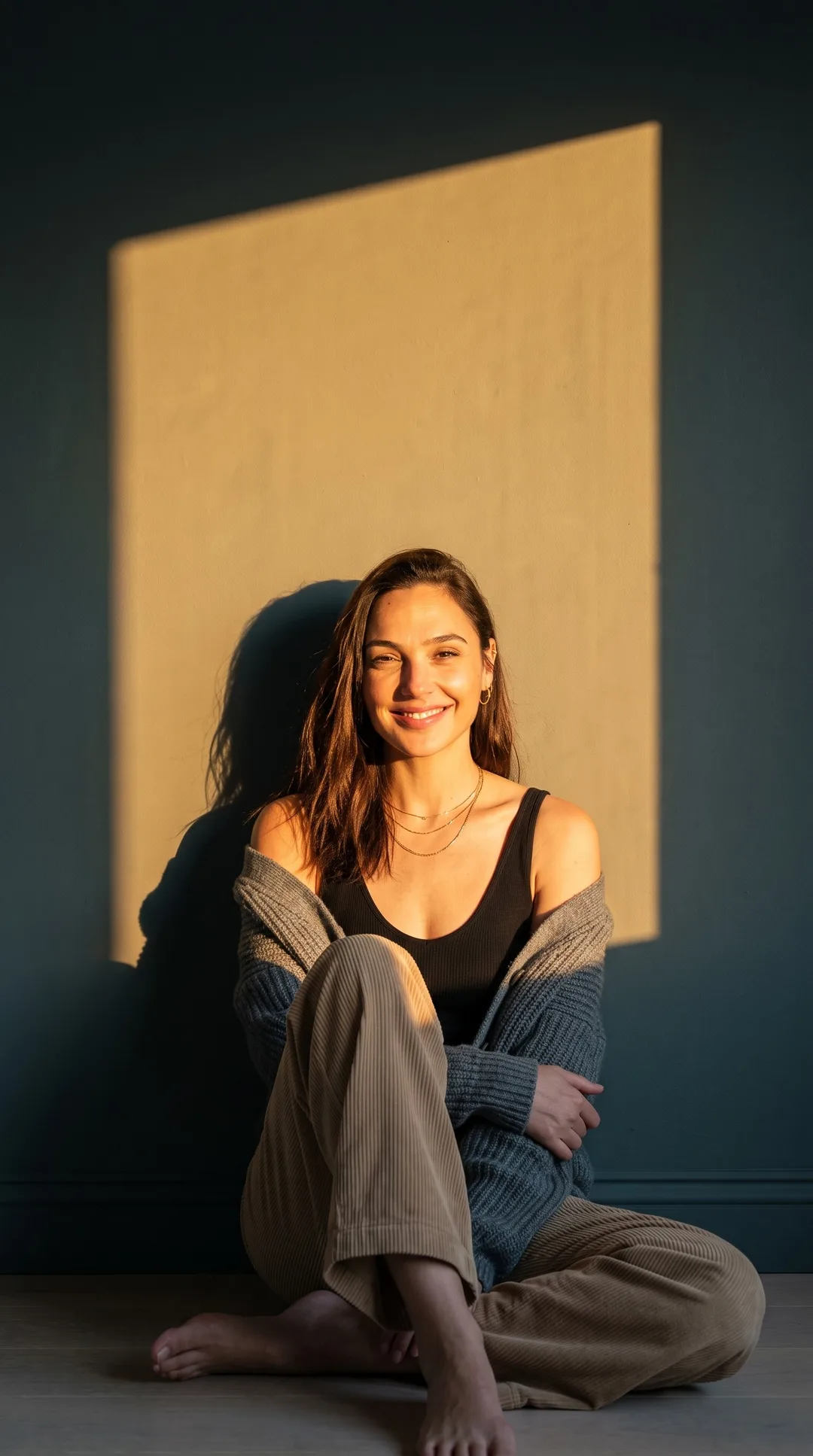
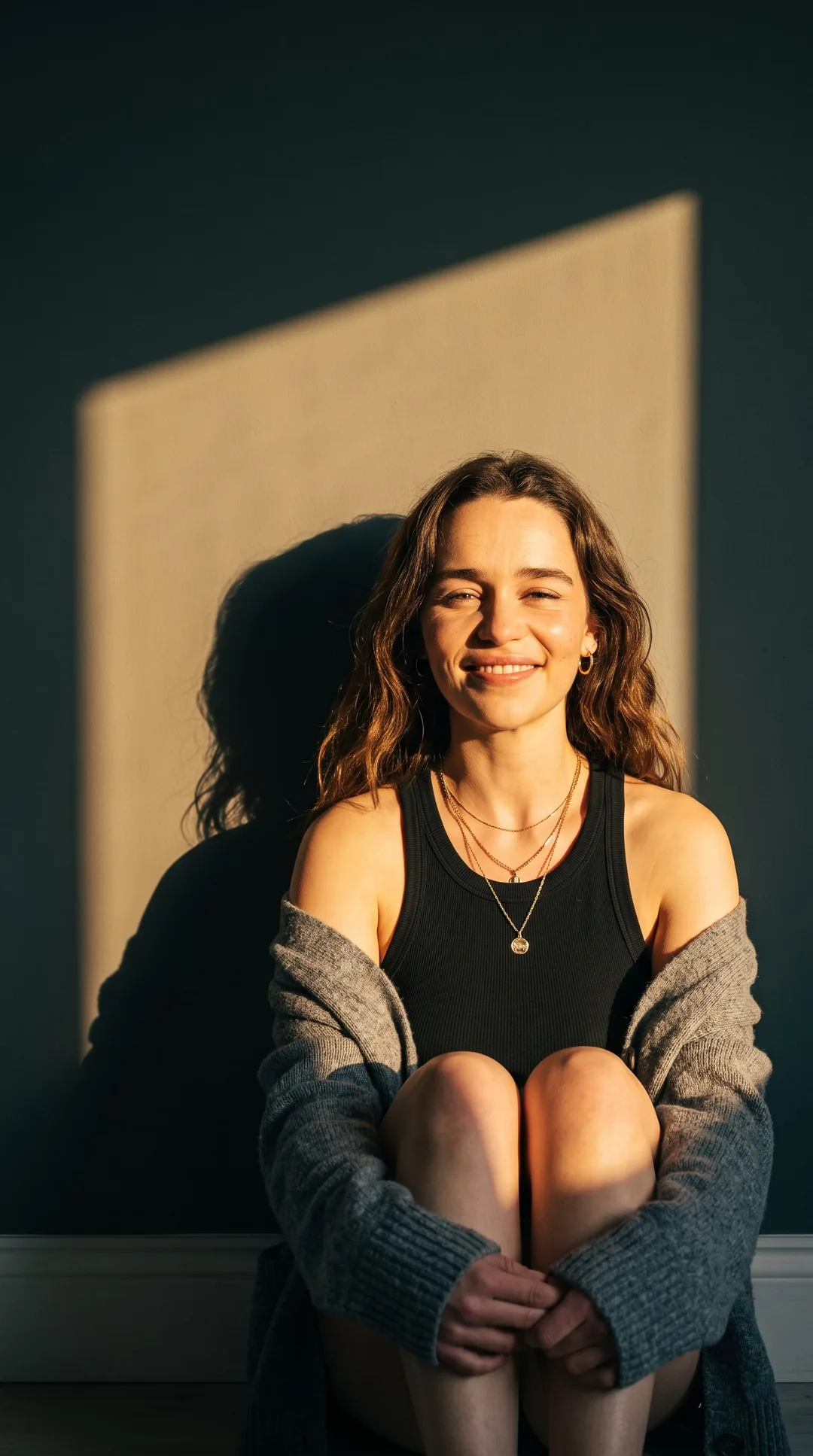
Golden Window Light on a Bare Wall
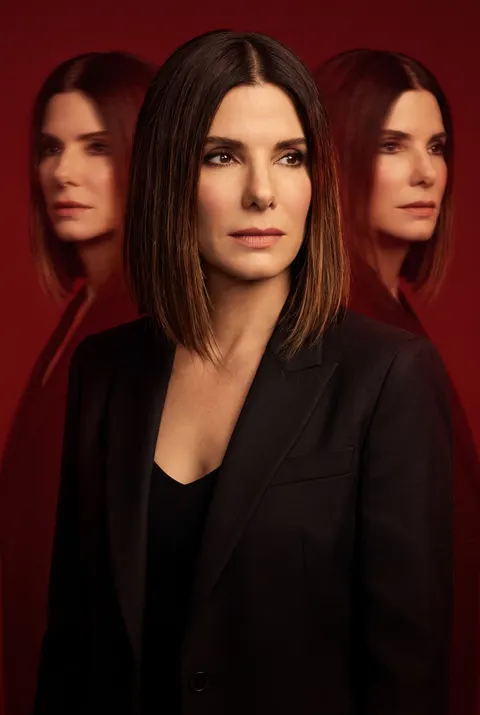
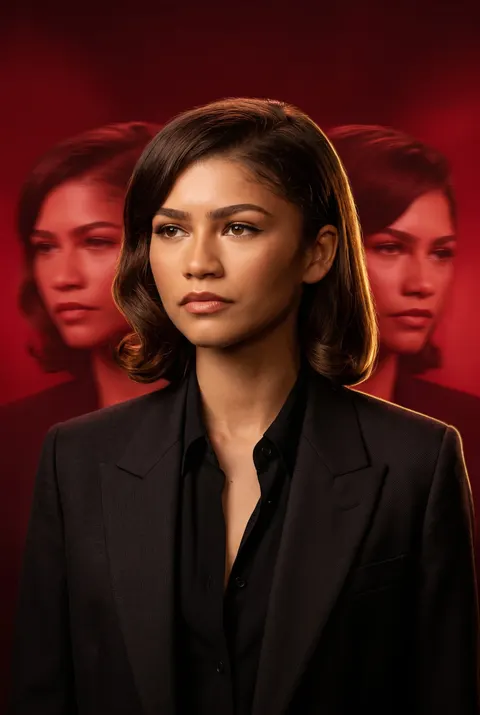
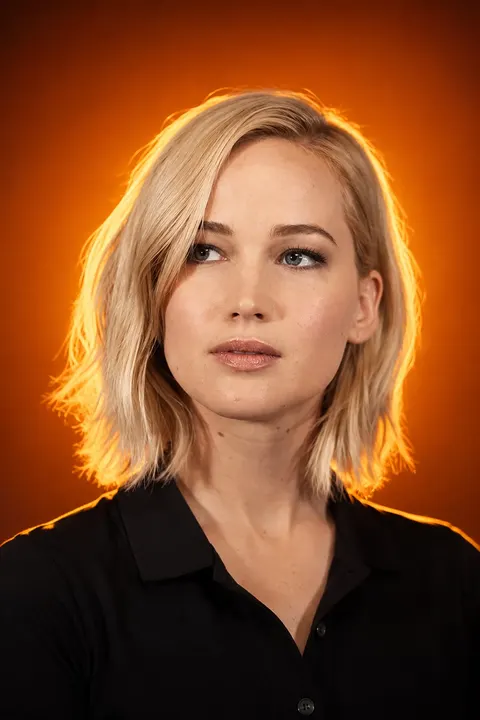
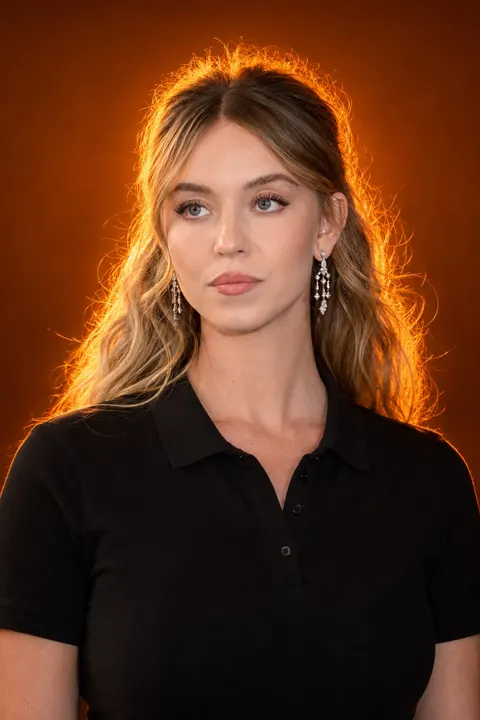
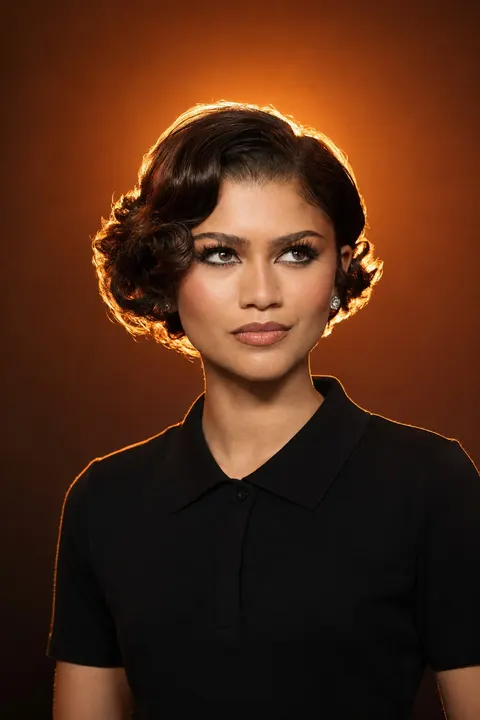
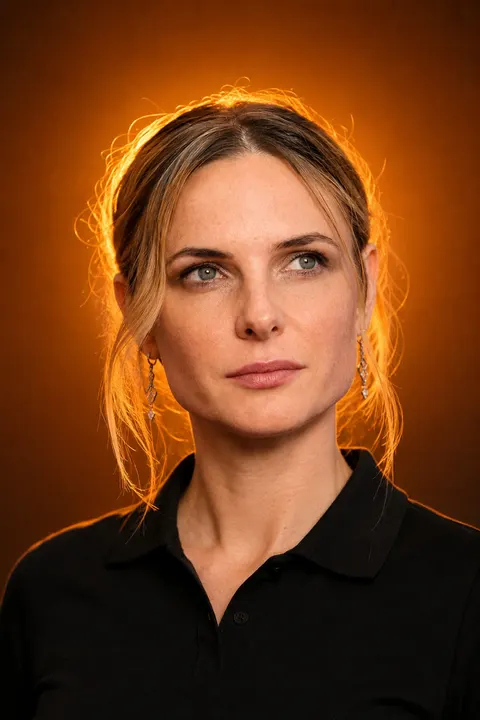
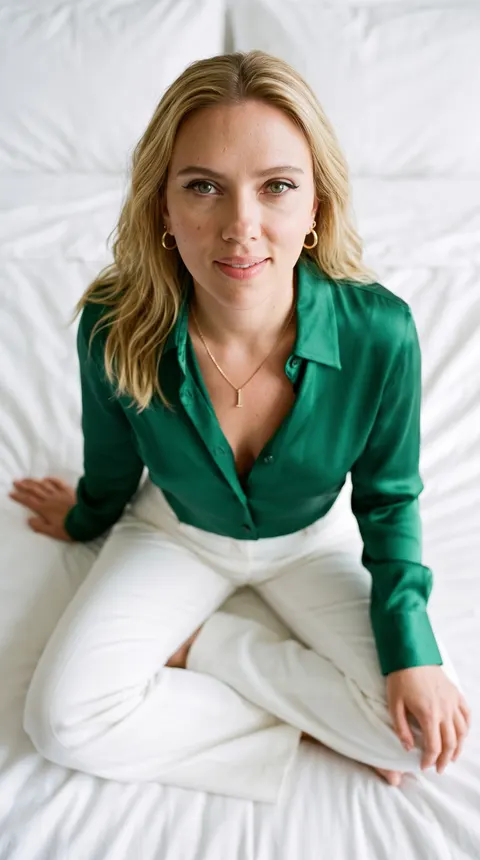
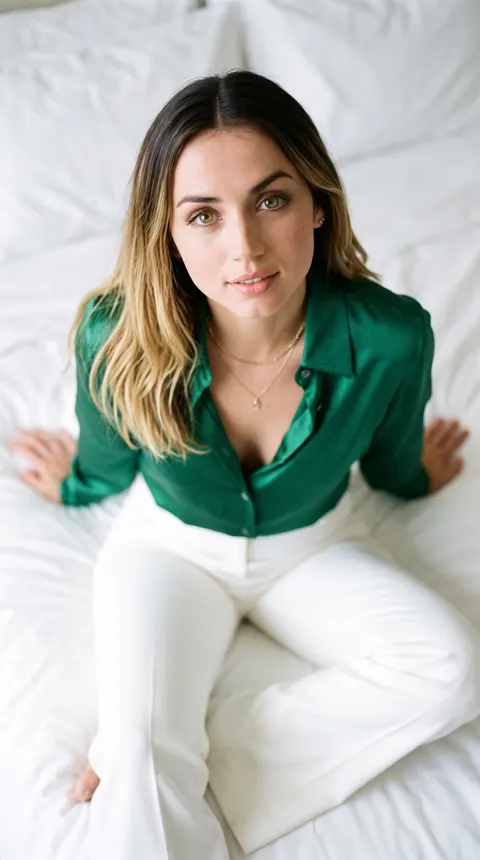
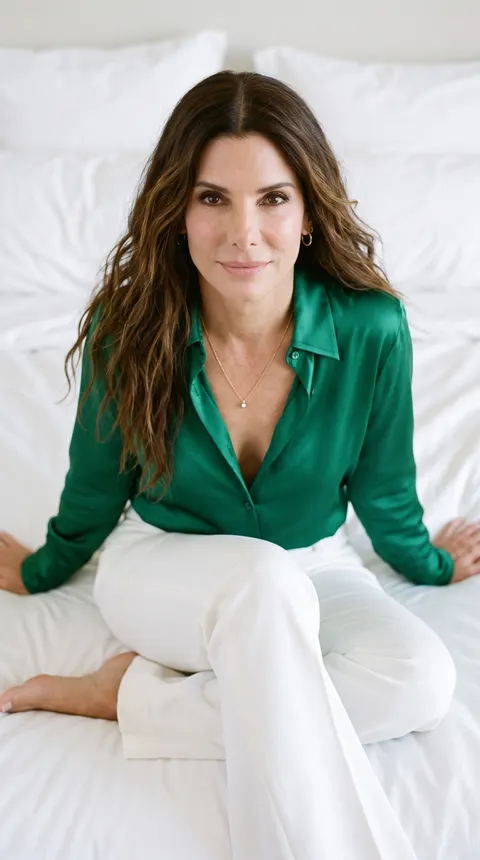
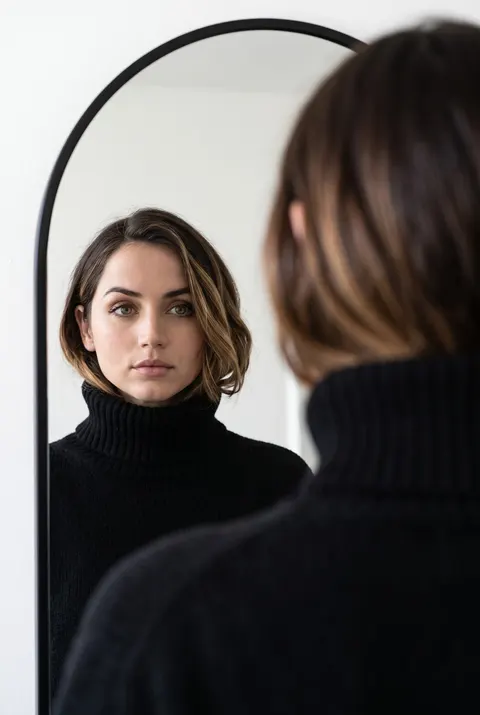
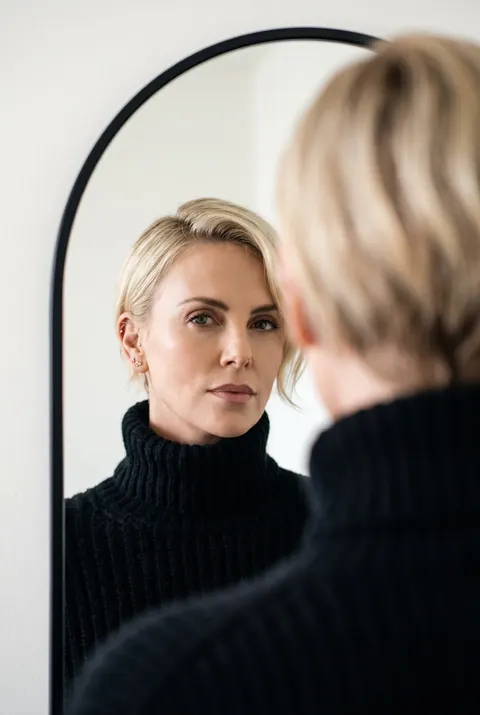
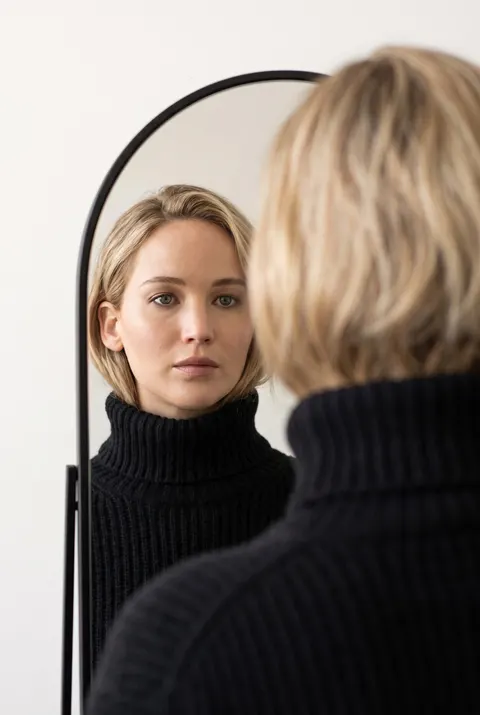
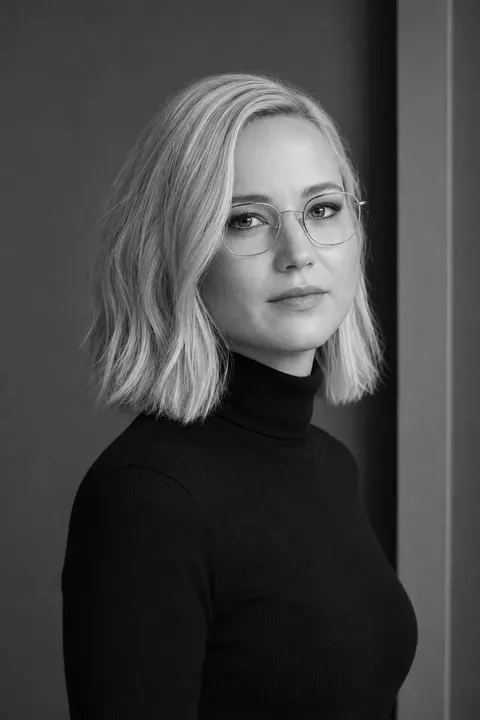
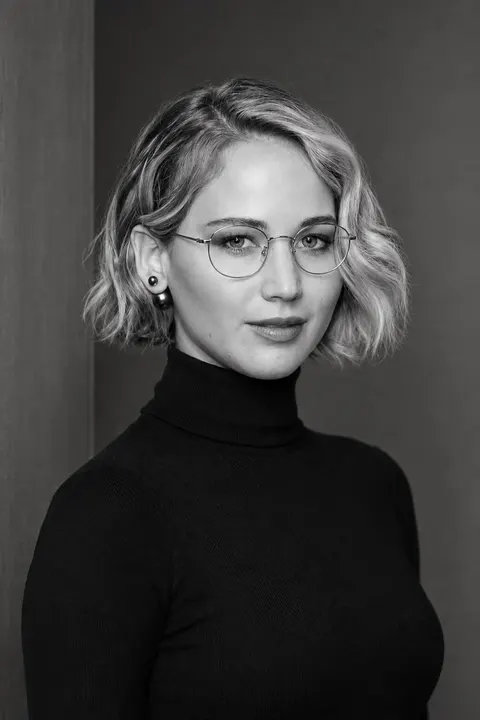
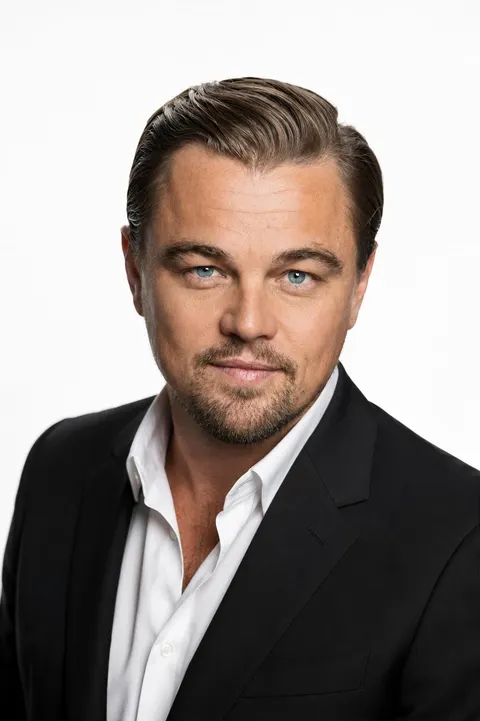
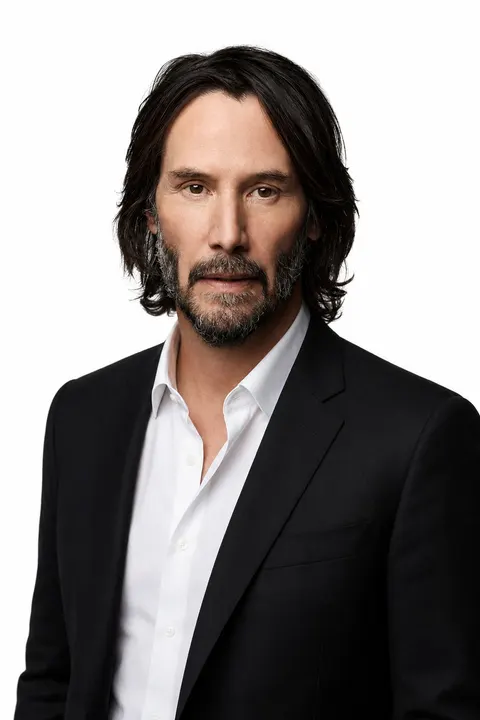
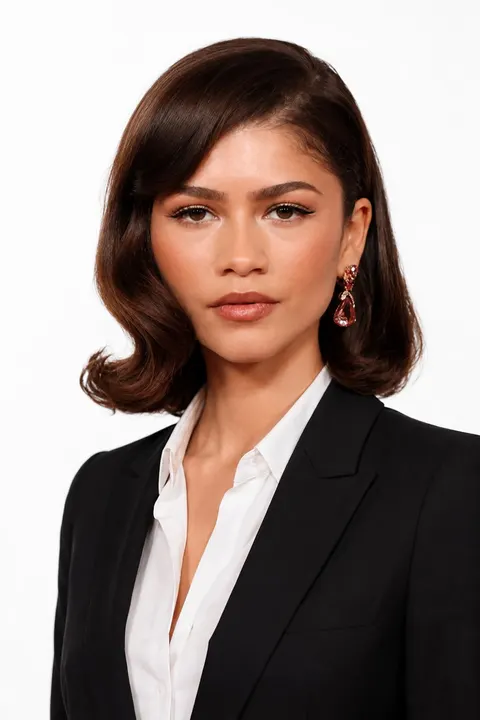
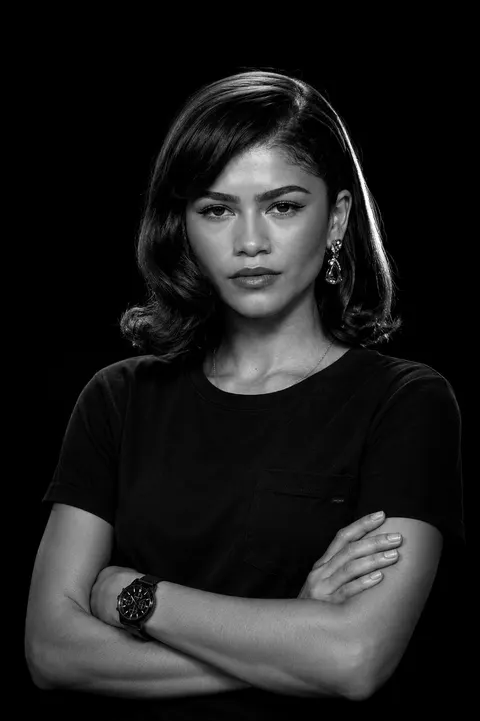
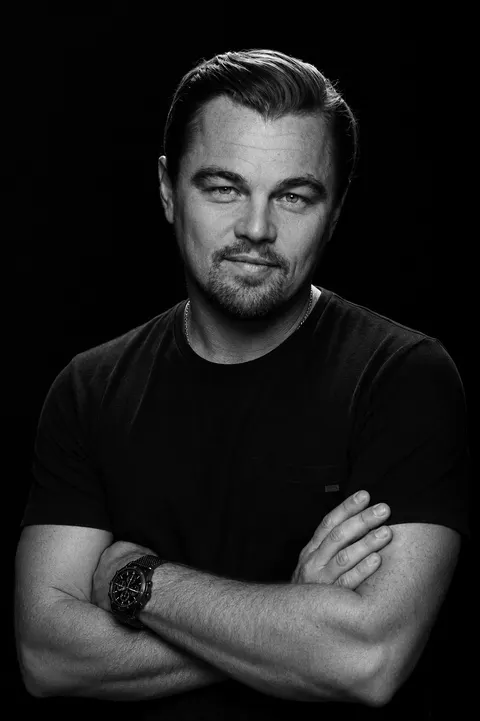
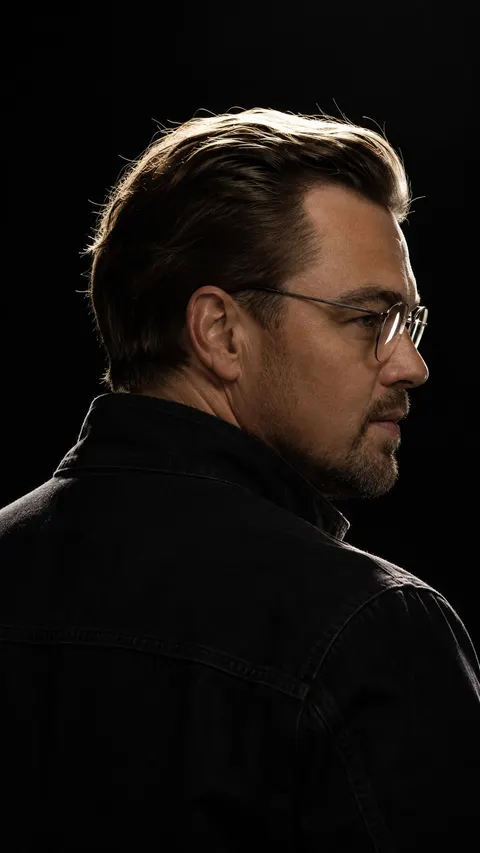
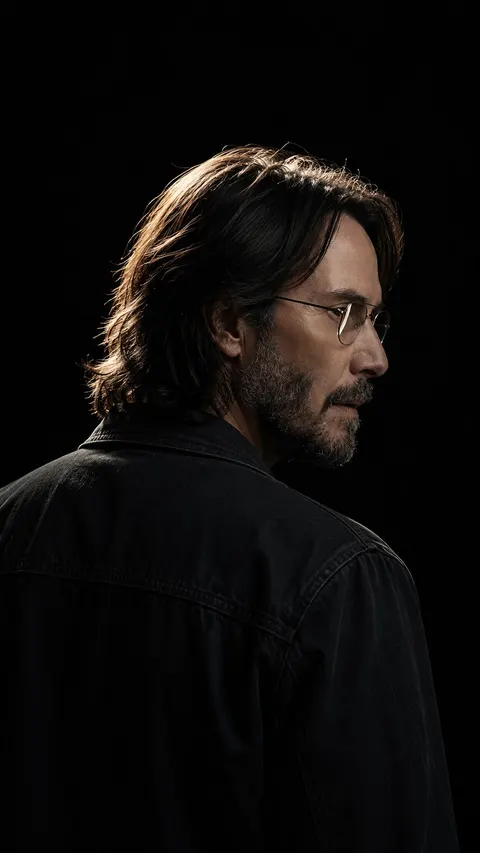
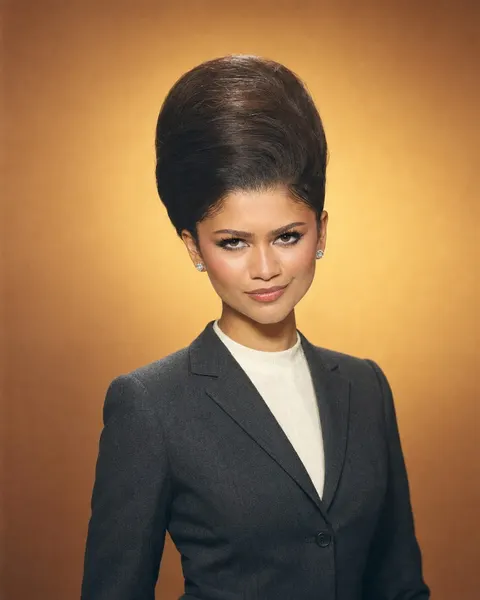
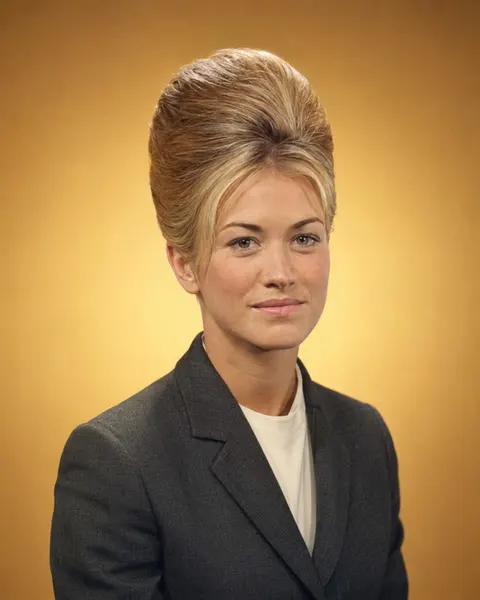
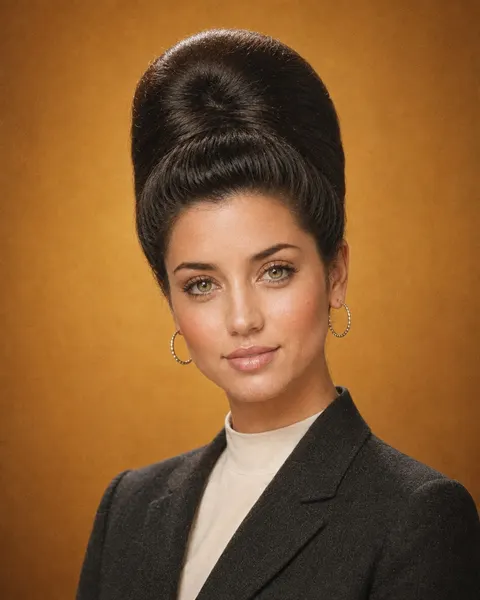
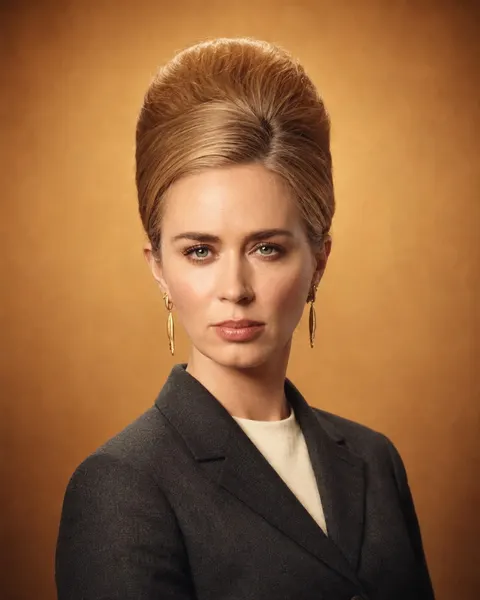
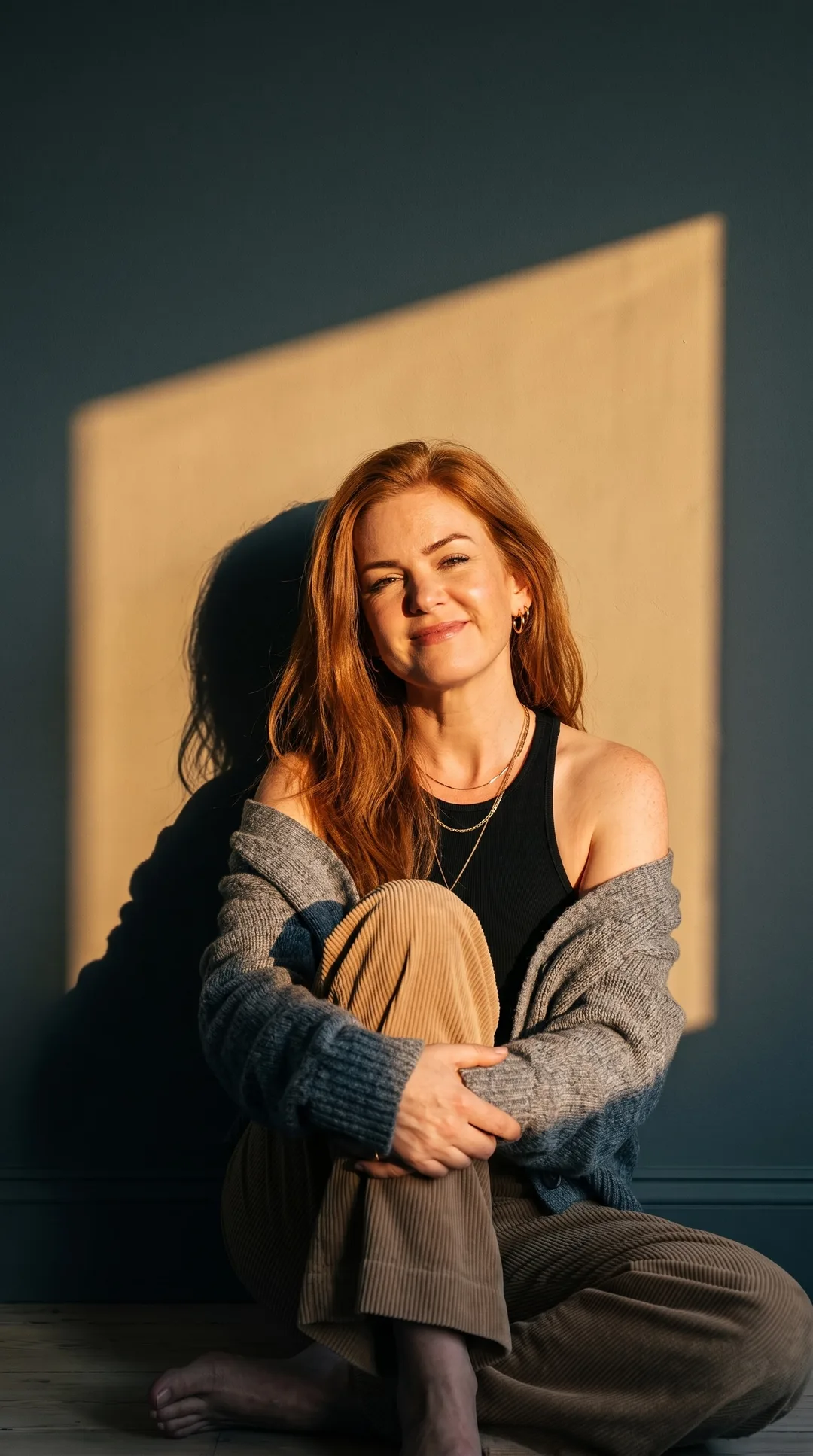
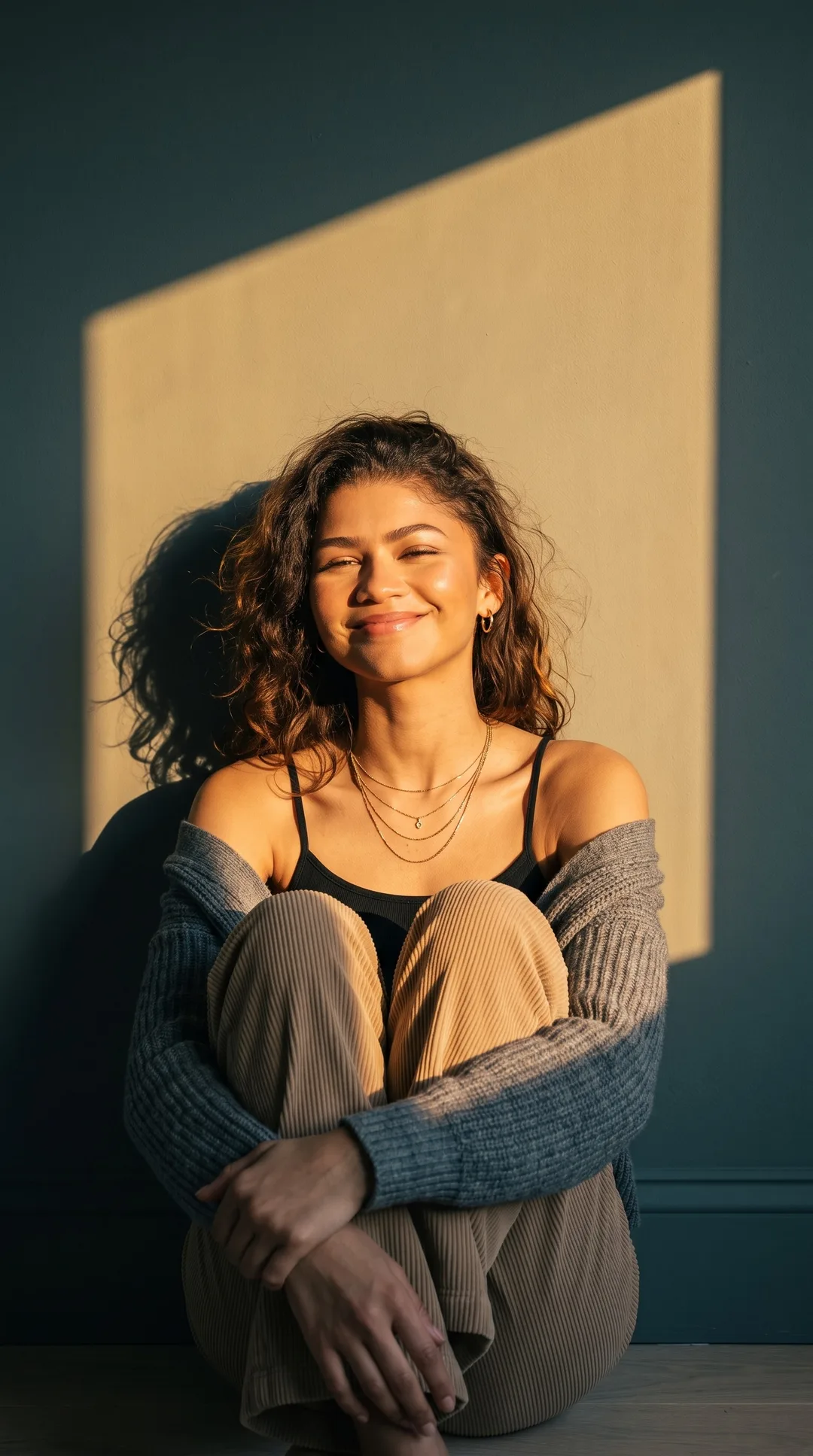
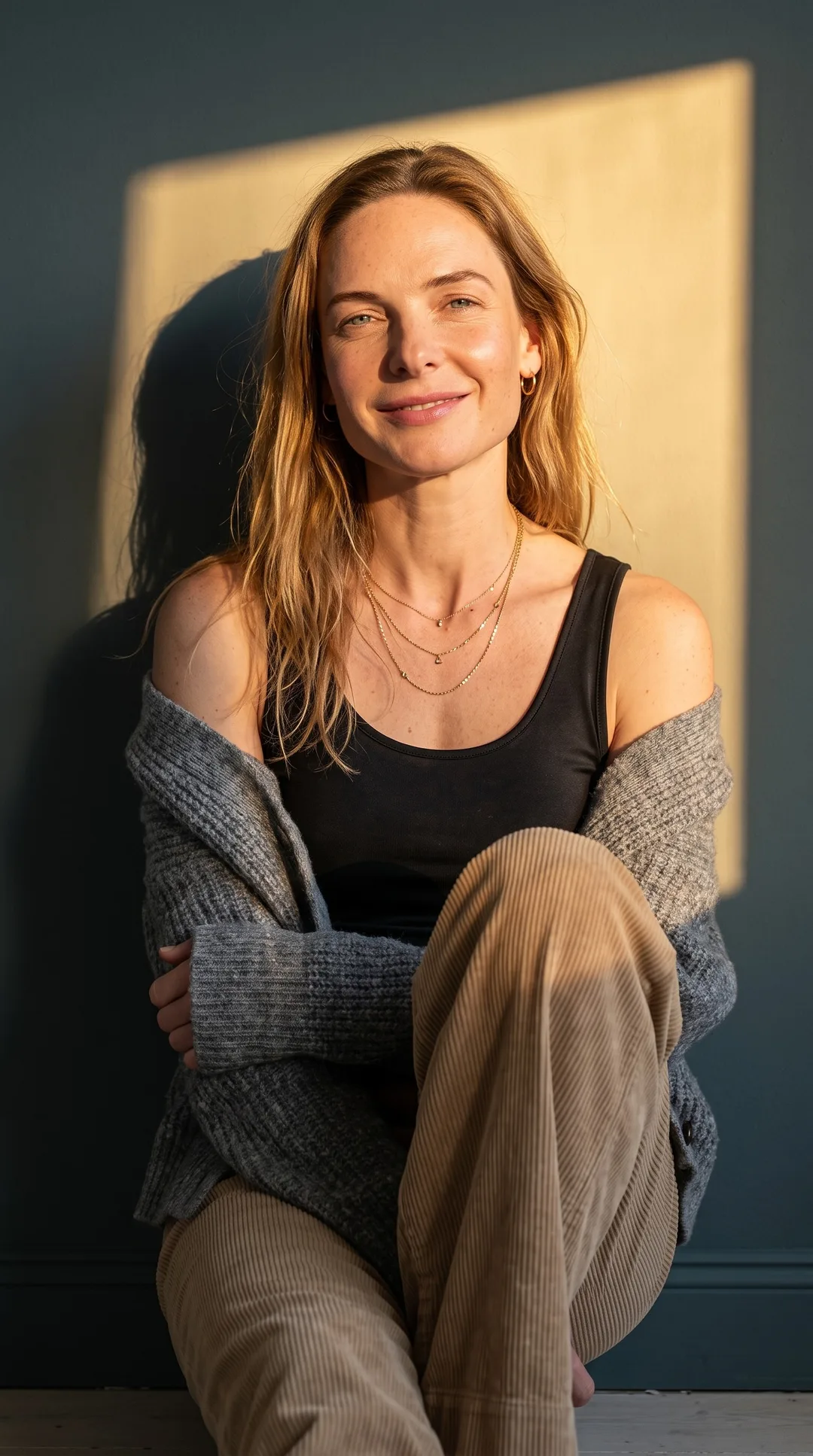
Cozy natural-light prompt: low golden sun throws a hard-edged window rectangle on a bare wall, subject seated on the floor inside it. Examples: Zendaya, Gal Gadot.
Prompt
LOCKED MASTER PROMPT — GOLDEN WINDOW LIGHT ON A BARE WALL, SEATED ON THE FLOOR
ROLE
You are a world-class lifestyle and documentary portrait photographer working with hard, low, late-afternoon sun in an empty room.
Create a premium, photorealistic environmental portrait using the ATTACHED REFERENCE IMAGE as the identity source.
The defining idea of this image: one window, one wall, one person. Low golden sun pours through an unseen window and throws a bright, hard-edged rectangle of light onto a bare wall. The subject sits on the floor inside that light, back to the wall, knees drawn up, arms wrapped around them, a cardigan slipping off the shoulders, and smiles into the sun with eyes narrowed by warmth and contentment. The subject's own shadow stands on the wall beside them. The room is empty. The moment is complete.
The output must look like a real photograph captured on a high-end full-frame camera in real sunlight — NOT like an AI-generated image, a 3D render, a studio shot, a stock "cosy home" picture, or a warm-filtered snapshot.
Aspect ratio: 9:16 vertical.

1. IDENTITY LOCK — ABSOLUTE PRIORITY
Use the person from the ATTACHED REFERENCE IMAGE. Preserve identity with maximum fidelity. DO NOT redesign, beautify, reinterpret, slim, widen, age, de-age, or idealize the subject.
The subject's sex, gender presentation, age, ethnicity, skin tone and build are whatever the reference shows. Nothing in this prompt overrides the reference on any of these. The tank top, the cardigan, the trousers, the jewellery and the pose are a styling choice applied to whoever the reference shows — they do not imply, require or alter the subject's gender.
Preserve exactly:
	•	Facial geometry and skull proportions
	•	Face shape and width-to-height ratio
	•	Forehead height and hairline shape
	•	Brow ridge projection
	•	Eyebrow shape, thickness, density and spacing — not groomed, thinned, filled or arched
	•	Eye shape, size, spacing, lid structure, iris colour and lashes — the narrowed, smiling eyes in Section 6 are the reference's own eyes, crinkled; their shape is not redrawn
	•	Nose bridge, tip and nostril structure
	•	Cheekbone height and projection
	•	Jawline definition and angle
	•	Chin shape and projection
	•	Lip shape, thickness, proportions and natural colour
	•	Teeth, where visible in the smile — as the reference shows them
	•	Ear size, shape, position and attachment
	•	Natural facial asymmetry
	•	Skin tone and undertone
	•	Skin texture, pores, freckles, moles, fine lines and surface irregularity — exactly as the reference carries them; freckles neither added nor removed
	•	Neck, shoulders, collarbone, arms, hands, legs and feet proportions — the seated body is the reference's body
	•	Apparent age
	•	Any scars or distinguishing marks
The subject must remain unmistakably the same individual as the reference.
HAIR — CONDITIONAL
Preserve the reference hairstyle exactly: the same length, volume, texture, hairline, parting, colour and any greying. Worn down and loose, falling naturally over the shoulders and the cardigan as the reference's hair would; backlit and side-lit by the sun, its edges glowing. Do NOT shorten, lengthen, restyle, straighten or curl it. Do NOT recolour.
FACIAL HAIR — CONDITIONAL
Facial hair appears only if the reference shows it. If present, preserve its exact length, density, colour and cheek line. If absent, add none.
NO MAKEUP ADDED
Do NOT add any cosmetic the reference does not show. The warmth on the skin is sunlight. If the reference wears makeup, keep it as the reference shows it.
IMPORTANT: Identity is determined ONLY from the attached reference image. Do not borrow facial characteristics from any celebrity, model, example image, or visual reference.

2. THE LIGHT STRUCTURE LOCK — WINDOW, WALL, SHADOW — CRITICAL
Three things the sun does in this room. Read this before framing or pose.
THE WINDOW — out of frame
A window on the camera-right side of the room, low and to the right of the frame, through which direct late sun enters at a low angle.
THE RECTANGLE OF LIGHT — on the wall
	•	The sun projects a bright, hard-edged trapezoid onto the wall behind the subject — the window's shape, skewed by the sun's angle
	•	Its left edge is a crisp vertical-to-slightly-diagonal line running down the wall at approximately 18–26% of frame width, leaning marginally as it descends
	•	Its top edge is a crisp diagonal, rising from left to right, crossing the frame from roughly 22–28% of frame heighton the left to 10–16% on the right — the rectangle is taller on the right, where the sun enters
	•	Its right edge is a crisp vertical line at approximately 80–88% of frame width
	•	Inside the rectangle: the wall is bright, warm, golden; outside it: the wall is deep, dark, cool-shadowed
	•	The edges are hard — direct sun — with a penumbra no wider than a few millimetres at real scale
THE SUBJECT'S SHADOW — on the wall
	•	The subject sits inside the rectangle; the sun strikes the subject from the camera-right and casts the subject's shadow onto the wall toward the camera-left
	•	The shadow is hard-edged, dark and warm-grey, showing the silhouette of the head, the hair's outline, the shoulders and the raised knees, offset to the left and slightly enlarged
	•	The shadow sits within the bright rectangle, its left portion running into the dark wall beyond the rectangle's left edge where it merges into the general shadow
THE FLOOR
	•	The subject sits on a bare floor — pale wood, concrete or plain boards — of which only a strip is visible at the very bottom of the frame beneath the legs, in shadow
	•	A dark skirting board runs along the base of the wall
Do NOT show the window itself, its frame, glass, curtain or sill. Do NOT soften the rectangle's edges into a gradient — they are hard. Do NOT place the rectangle symmetrically or square — it is a skewed trapezoid, taller on the right. Do NOT omit the subject's cast shadow, soften it, or cast it to the right. Do NOT let the shadow fall on the floor instead of the wall. Do NOT light the wall evenly — the contrast between inside and outside the rectangle is the image.

3. CAMERA POSITION & ORIENTATION LOCK
Camera
Low — at the seated subject's eye level, within 5 degrees above or below. The lens axis is horizontal, square to the wall.
Subject orientation
	•	The body faces the camera square, rotated no more than 10 degrees
	•	The head is rotated no more than 8 degrees
	•	Lateral head tilt of approximately 5–10 degrees, the crown leaning toward the camera-left — away from the sun, as if leaning into the warmth on the cheek
	•	The chin lifted approximately 5–10 degrees — the face turned up a little into the light
Do NOT shoot from standing height — the camera is down with the subject. Do NOT shoot from below the subject's eye line. Do NOT tilt the camera (no dutch angle) — the wall's verticals stay vertical. Do NOT turn the body or the head into a three-quarter position. Do NOT introduce wide-angle distortion on the face or the knees.

4. FRAMING LOCK — CRITICAL
A full seated figure against the wall, the light rectangle framing the upper body.
Show:
	•	The whole head with the full hair, inside the bright rectangle
	•	The full face
	•	The shoulders and the slipped cardigan
	•	The tank top, the layered necklaces
	•	Both arms, wrapped around the raised knees
	•	Both knees, raised, in the trousers
	•	The lower legs and the feet, or the trouser hems at the floor, at the bottom edge
	•	The wall — bright rectangle and dark surround — and the skirting board and a strip of floor
The head (top of hair to chin) occupies approximately 14–18% of the total frame height. The eye line sits approximately 28–32% down from the top of the frame. The chin sits at approximately 38–42% down from the top. The knees sit at approximately 58–66% down from the top. The skirting board runs at approximately 88–93% down from the top. The figure spans approximately 58–70% of the frame width at the knees.
HEADROOM LOCK
Leave approximately 20–26% of the total frame height above the top of the hair — the bright rectangle's upper zone and the dark wall above it.
CROP LOCK
Do NOT crop the top of the head. Do NOT crop the knees or the arms. Do NOT crop above the skirting board — the wall's base and the floor strip must read. Do NOT tighten into a waist-up or chest-up composition. Do NOT pull back so far that the figure becomes small in a large room.

5. SUBJECT POSITION
Place the head at approximately 48–54% of frame width, near centre. The body descends the centre; the knees spread slightly to both sides. The bright rectangle spans from roughly 18–26% to 80–88% of frame width behind the figure, so bright wall shows on both sides of the head — more on the right, where the light enters. The subject's shadow falls to the left of the figure.
Do NOT push the figure to a side. Do NOT centre the rectangle on the figure — it is offset right.

6. POSE & EXPRESSION LOCK — CRITICAL
THE SEAT
	•	Sitting on the floor, back against the wall, weight settled
	•	Knees drawn up and slightly apart, the feet flat on the floor or the trouser hems pooling at the floor
	•	The torso upright and relaxed, leaning very slightly back into the wall
THE ARMS
	•	Both arms wrapped loosely around the raised knees — the forearms crossing or resting over the shins, the hands relaxed, one hand loosely holding the opposite wrist or forearm, or both hands resting on the knees
	•	Elbows out, soft; shoulders dropped and relaxed
	•	The hands low, unposed, out of the way of the face
THE CARDIGAN
	•	The cardigan has slipped off both shoulders and hangs at the upper arms, the shoulders and the tank top's straps exposed to the sun
THE EXPRESSION — WARM, CONTENT, EYES NARROWED BY THE SMILE AND THE SUN
	•	A genuine, easy smile — the corners lifted, the lips closed or barely parted, the cheeks raised
	•	The eyes narrowed — half-closed by the smile's lift of the lower lids and by the bright sun on the face — the crinkle at the outer corners clear, the irises visible through the narrow openings
	•	The gaze toward the lens, softened by the narrowing — direct but easy
	•	Brow relaxed; the face lifted slightly into the light
	•	The read: content, warm, at ease, sun on the face
Do NOT stand, kneel, lie down, or sit on any object. Do NOT sit cross-legged or with the legs extended — the knees are up. Do NOT let the arms hang, raise a hand to the face or hair, or place the hands prominently. Do NOT pull the cardigan up onto the shoulders. Do NOT render wide-open eyes — they are narrowed. Do NOT close the eyes fully. Do NOT render a wide grin, a laugh, visible full teeth or an open mouth. Do NOT render a serious, neutral, pouting, seductive or theatrical expression. Do NOT turn the gaze away from the lens.

7. WARDROBE & JEWELLERY LOCK
Tank top
	•	A black fitted tank top — thin straps, a scoop neckline, ribbed or smooth jersey — worn beneath the cardigan; near-black, catching a soft sheen where the sun hits
Cardigan
	•	A grey chunky-knit cardigan — mid-to-dark heather grey, approximately #5A5854 to #6E6C68 where lit, a soft, loose, heavy knit — worn slipped off both shoulders, gathered at the upper arms and the elbows, its texture raked by the low sun
Trousers
	•	Wide-leg corduroy trousers in warm beige-tan, approximately #B89A6A to #C9AA78 in the sun, deeper in the folds — a visible wale, soft and slightly rumpled, pooling at the hems
Jewellery
	•	Layered thin gold necklaces — three to five fine chains of different lengths, some with tiny pendants, resting on the collarbone and the chest above the tank's neckline, glinting in the sun
	•	Small gold hoop earrings, one per ear
	•	Worn regardless of whether the reference wears jewellery — they are the series' styling; if the reference wears other jewellery, replace it
Do NOT use a white, coloured, printed or sleeved top beneath the cardigan. Do NOT use a smooth, fine-gauge, buttoned-up, coloured or patterned cardigan. Do NOT wear the cardigan on the shoulders or closed. Do NOT use jeans, leggings, joggers, shorts, a skirt, or slim, dark or non-corduroy trousers. Do NOT use a single necklace, a thick chain, silver or coloured jewellery, or large hoops. Do NOT add a watch, ring, bracelet, hat, glasses or accessory unless present in the identity reference. Do NOT add socks or shoes as a focal element — feet bare or hems covering them, in shadow.

8. ENVIRONMENT LOCK — EMPTY ROOM
An empty apartment room — no furniture, no objects.
	•	A bare, flat wall behind the subject, painted a deep muted teal-grey, approximately #2E3A3A to #3A4646 in shadow, warming to a golden ochre inside the light rectangle, approximately #C08A48 to #D6A05C
	•	Smooth painted surface — a faint plaster texture visible in the raking sun, no pattern, no picture, no fixture
	•	A dark skirting board along the wall's base, in shadow
	•	A bare floor strip at the bottom — pale wood, concrete or boards — in shadow
	•	Nothing else in the room
NO chair, furniture, box, tool, coffee cup, mug, bottle, plant, lamp, rug, cushion or object of any kind. NO window, frame, glass, curtain or sill visible. NO second wall, corner, door or ceiling visible. NO other person or shadow of another person. NO text, typography, logos, watermarks, borders or graphic elements.

9. LIGHTING LOCK — HARD LOW SUN — CRITICAL
One light: direct late-afternoon sun through the unseen window at camera-right. Everything else is bounce.
THE SUN
	•	Position: camera-right, approximately 60–80 degrees to the side of the lens axis, and low — approximately 10–20 degrees above the seated subject's eye line
	•	Colour: warm golden, approximately 2600–3000 K — the deep amber of the last hour of sun
	•	Quality: hard — direct sun, crisp shadow edges, strong specular highlights
ON THE SUBJECT
	•	The right side of the face (camera-right) bright and golden: the forehead, cheekbone, nose bridge, the lifted chin, the right side of the neck and shoulder
	•	A crisp nose shadow across the left cheek; a clear shadow beneath the chin; the left side of the face in warm shadow, lit by bounce from the wall, fully detailed
	•	The hair backlit and side-lit: the strands on the camera-right side glowing amber, individual hairs and flyaways rimmed in gold; the left side of the hair darker
	•	The exposed shoulders and the collarbone catching hard highlights; the necklaces sparking
	•	The cardigan's knit and the corduroy's wale raked into strong texture on the sunlit side, soft in shadow
	•	The cast shadow of the whole figure on the wall to the left, hard-edged
FILL
Bounce from the sunlit wall and floor: key-to-fill approximately 4:1 to 6:1. The shadow side of the face and body is warm, deep and readable.
Do NOT use studio light, a softbox, flash, or any artificial source. Do NOT soften the sun — the shadows are hard. Do NOT light from the left, from the front, or from above. Do NOT lift the shadow side until it matches the lit side. Do NOT crush the shadow side to black. Do NOT add a rim, hair or fill light.

10. LIGHTING DIRECTION LOCK
The lighting setup must remain identical across every generation, regardless of changes in the reference person's gender, age, skin tone, hairstyle, or body.
The identity changes. The lighting does NOT change. The window's side, the sun's angle and height, the rectangle on the wall, the shadow's direction and the fill ratio stay fixed. Only the way the sun falls across the individual's specific anatomy and hair varies.

11. EXPOSURE & TONAL BALANCE LOCK
A warm, contrasty, sun-and-shadow image.
Approximate distribution of the frame:
	•	Bright golden wall inside the rectangle: 22–30%
	•	Dark wall outside the rectangle, skirting and floor: 28–36%
	•	The subject's cast shadow on the wall: 6–10%
	•	Sunlit skin, hair and clothing: 14–20%
	•	Shadow-side skin, hair and clothing: 12–18%
	•	Jewellery glints: under 1%
Behavior:
	•	The sunlit skin is bright and golden, its highlights just below clipping with texture retained
	•	The shadow side of the face and body is warm and deep, roughly 2 to 2.5 stops below the lit side, fully readable
	•	The bright wall sits below the sunlit skin in value — golden, not white
	•	The dark wall is deep, cool-toned, with a trace of texture
	•	The cast shadow is a hard, dark shape inside the bright rectangle
	•	No pure white; near-black only in the deepest folds and the darkest wall corners
Do NOT clip the sunlit skin or the bright wall. Do NOT crush the shadow side or the dark wall to featureless black. Do NOT flatten the sun-shadow contrast into an even exposure. Do NOT lift the dark wall toward the bright wall.

12. CAMERA LOOK
Available-light portraiture on a full-frame system.
Focal length: 35–50mm — wide enough for the full seated figure and the rectangle, natural on the face. Aperture: f/2.8 to f/4 — the face and the whole figure sharp; the wall, close behind, also largely sharp, its edges of light crisp.
Focus:
	•	Critical focus on the eyes
	•	The face, hair, necklaces, hands, knees and clothing texture sharp
	•	The wall directly behind sharp enough that the rectangle's edges and the cast shadow's outline are crisp
	•	The floor strip marginally soft
Do NOT use shallow depth of field that softens the wall's light edges or the cast shadow. Do NOT use a telephoto that flattens the room. Do NOT introduce wide-angle distortion. Do NOT render bokeh, lens flare, chromatic aberration or a heavy vignette — the sun is off-frame and does not flare.

13. IMAGE QUALITY
Photorealistic. Ultra-detailed natural skin: pores and freckles resolved on the sunlit cheek and nose; the crinkle lines at the narrowed eyes; the nasolabial folds lifted by the smile; a natural sheen on the sunlit forehead and cheekbone; the shadow-side skin textured in warm bounce. Hair rendered strand by strand where the sun catches it — glowing amber edges, individual flyaways — darker and softer on the shadow side. Facial hair, where the reference shows it, as discrete hairs. The cardigan's chunky knit and the corduroy's wale rendered as real fibre, raked by the low sun. The necklaces as fine real chains with tiny sparks. The wall's plaster with faint texture in the raking light; the rectangle's edges crisp; the cast shadow's outline exact. Physically correct hard shadows everywhere — nose, chin, knees, the figure on the wall. Natural highlight roll-off; fine, organic grain at low intensity, slightly more visible in the dark wall.
No plastic, waxy or airbrushed skin. No skin smoothing, freckle removal or blemish removal. No added makeup. No excessive sharpening or halos. No artificial HDR appearance — the contrast is real sun. No beauty-filter effect. No CGI, 3D-render or video-game surface quality.

14. COLOUR GRADING
A warm, natural, late-sun grade with a cool-shadow counterpoint.
Palette:
	•	Sunlit wall: golden ochre
	•	Sunlit skin: the reference's own tone, warmed by amber sun — glowing, not orange
	•	Shadow-side skin: warm, deeper
	•	Shadow wall: deep muted teal-grey — the cool complement, muted and quiet
	•	Hair: the reference's own colour, amber at the lit edges
	•	Cardigan: heather grey; trousers: beige-tan; tank: black; gold: warm
Tonal structure:
	•	Strong warmth in the light; a muted cool in the shadows — the natural split of low sun and a shaded wall, not a graded effect
	•	Moderate-to-strong contrast; deep but not crushed shadows; bright but textured highlights
Do NOT push the sunlit skin toward orange, red or bronze. Do NOT let the wall's ochre flood the skin. Do NOT push the shadow wall toward saturated teal or blue. Do NOT apply a teal-orange LUT, a heavy filmic, vintage, faded or matte look — the warm-cool split is the sun, not a grade. Do NOT introduce a third colour family. Do NOT lift or crush the blacks. Do NOT allow banding in the wall's gradation.

15. VISUAL HIERARCHY
The narrowed, smiling eyes in the sun → The lifted, sunlit face and the shadow across it → The glowing edges of the hair → The bare shoulders, the slipped cardigan and the gold chains → The wrapped arms and raised knees → The bright rectangle of light on the wall and the figure's shadow inside it → The dark wall and the empty floor
The face in the sun is the subject. The rectangle and the shadow are the room telling the time. The empty wall is the quiet.

16. NON-NEGOTIABLE RULES
These must NEVER change between generations:
	•	Identity, sex, gender presentation, age, skin tone, build, eye shape, brows, lips, teeth, freckles and skin texture from the reference; styling applied to whoever the reference shows.
	•	Hair and facial hair from the reference; hair down and loose, sun-lit at the edges. No makeup added.
	•	Sun from camera-right, 60–80 degrees off axis, 10–20 degrees above the seated eye line, 2600–3000 K, hard.
	•	A hard-edged trapezoid of light on the wall — left edge at 18–26% of frame width, right edge at 80–88%, top edge rising left-to-right from 22–28% to 10–16% of frame height.
	•	The subject's hard cast shadow on the wall to the camera-left, inside the rectangle.
	•	Window, frame, glass, curtain and sill out of frame.
	•	Camera at the seated subject's eye level; no tilt; wall verticals vertical.
	•	Body square within 10 degrees; head within 8 degrees; head tilted 5–10 degrees toward camera-left; chin lifted 5–10 degrees.
	•	Seated on the floor, back to the wall, knees drawn up and slightly apart, arms wrapped loosely around the knees, hands low.
	•	Cardigan slipped off both shoulders.
	•	Eyes narrowed by the smile and the sun, irises visible; genuine closed-or-barely-parted smile; gaze to the lens.
	•	Full seated figure: head 14–18% of frame height; eye line at 28–32%; knees at 58–66%; skirting at 88–93%; 20–26% headroom.
	•	Head at 48–54% of frame width; rectangle offset right; bright wall on both sides of the head.
	•	Black fitted tank, grey chunky-knit cardigan, beige-tan wide corduroy trousers.
	•	Layered thin gold necklaces, small gold hoops; no other accessories unless in the reference.
	•	Empty room: bare teal-grey wall, dark skirting, bare floor strip — no furniture, chair, cup or object.
	•	Fill 4:1–6:1 from the sunlit wall; shadow side warm, deep and readable.
	•	Sunlit skin and wall unclipped; shadow side and dark wall uncrushed.
	•	35–50mm at f/2.8–f/4; figure, wall edges and cast shadow sharp; no flare.
	•	Pores, freckles, hair strands, knit and corduroy texture visible; no smoothing.
	•	Warm natural grade; skin its own tone; muted cool shadow wall; no LUT look; no third colour.
	•	No text, logos, watermarks, second figures or objects.
	•	9:16 vertical aspect ratio.

17. REFERENCE PRIORITY SYSTEM
PRIORITY 1 — IDENTITY
Face, eyes, brows, lips, teeth, freckles, skin, hair, facial hair, build, age, sex, gender presentation and natural likeness from the reference.
PRIORITY 2 — THE LIGHT STRUCTURE
The hard low sun from camera-right, the trapezoid on the wall, the cast shadow to the left.
PRIORITY 3 — POSE AND EXPRESSION
The floor seat with knees up and arms wrapped, the slipped cardigan, the narrowed-eyed content smile with the face lifted into the sun.
PRIORITY 4 — COMPOSITION
The full seated framing, the low camera and the rectangle's placement.
PRIORITY 5 — WARDROBE, JEWELLERY AND ROOM
The tank, cardigan, corduroys, gold chains and hoops; the bare teal-grey wall and empty floor.
PRIORITY 6 — GRADE AND CAMERA
The warm late-sun grade and the 35–50mm f/2.8–4 look.
If the reference image conflicts with any of these instructions, preserve identity, anatomy, skin, freckles, hair, facial hair, build and natural likeness from the reference, and preserve the light structure, pose, expression, composition, wardrobe, room, grade and camera specification from this prompt.

18. NEGATIVE CONSTRAINTS
Light-structure errors — primary failures
Do NOT generate:
	•	An evenly lit wall with no rectangle
	•	A soft-edged, gradient or glowing light patch instead of a hard-edged trapezoid
	•	A symmetric, square or centred rectangle
	•	A rectangle taller on the left
	•	A visible window, frame, glass, curtain or sill
	•	A missing, softened or right-cast subject shadow
	•	A shadow on the floor instead of the wall
	•	Sun from the left, the front or above
	•	Studio light, softbox, flash or any artificial source
	•	Softened shadows on the face or body
	•	Lens flare or a visible sun
Pose and expression errors
Do NOT generate:
	•	A standing, kneeling, lying or chair-seated subject
	•	Cross-legged or extended legs
	•	Arms hanging, a hand at the face or hair, or prominent posed hands
	•	A cardigan on the shoulders or closed
	•	Wide-open eyes
	•	Fully closed eyes
	•	A wide grin, a laugh, full visible teeth or an open mouth
	•	A serious, neutral, pouting, seductive or theatrical expression
	•	A gaze away from the lens
	•	A level or lowered chin; an untilted head
	•	A three-quarter body or head
Identity and makeup errors
Do NOT generate:
	•	A change in the subject's sex, gender presentation, age, ethnicity, skin tone or build from the reference
	•	A generic "lifestyle model" face imposed over the reference
	•	Added or removed freckles, moles or blemishes; smoothed or retouched skin
	•	Any added makeup; groomed, thinned, filled or arched brows
	•	Enlarged, brightened or recoloured eyes; eye shape redrawn for the smile
	•	Whitened or reshaped teeth
	•	A restyled, shortened, lengthened, straightened, curled, tied or recoloured hairstyle
	•	Added or removed facial hair
	•	An aged, de-aged, beautified, slimmed or widened face
	•	A body build not matching the reference
Wardrobe and jewellery errors
Do NOT generate:
	•	A white, coloured, printed or sleeved top beneath the cardigan
	•	A smooth, fine-gauge, buttoned, coloured or patterned cardigan
	•	Jeans, leggings, joggers, shorts, a skirt, or slim, dark or non-corduroy trousers
	•	A single necklace, a thick chain, silver or coloured jewellery, large hoops
	•	Missing necklaces or earrings
	•	A watch, ring, bracelet, hat, glasses or accessory not in the reference
	•	Shoes or socks as a focal element
Room errors
Do NOT generate:
	•	A chair, furniture, box, tool, coffee cup, mug, bottle, plant, lamp, rug, cushion or any object
	•	A second wall, corner, door or ceiling
	•	A patterned, textured, white, bright or coloured wall
	•	A missing skirting board or floor strip
	•	Another person or another shadow
	•	A studio backdrop or a seamless
Camera, tonal and grade errors
Do NOT generate:
	•	A standing-height or low camera; a dutch angle; tilted wall verticals
	•	A waist-up or chest-up crop; a tiny figure in a big room
	•	A cropped head, knees, arms or skirting
	•	Shallow depth of field softening the wall's light edges or the cast shadow
	•	Telephoto flattening; wide-angle distortion
	•	Bokeh, chromatic aberration or a heavy vignette
	•	Clipped sunlit skin or wall
	•	A crushed shadow side or dark wall
	•	An evenly exposed, low-contrast image
	•	A dark wall lifted toward the bright wall
	•	Orange, red or bronze skin; ochre flooding the face
	•	A saturated teal or blue shadow wall
	•	A teal-orange LUT, heavy filmic, vintage, faded or matte look
	•	A third colour family
	•	Lifted or crushed blacks; banding
	•	Plastic, waxy or airbrushed skin; beauty-filter effects
	•	Over-sharpening, halos, HDR look, heavy noise
	•	Asymmetrical or misaligned eyes from generation error
	•	Deformed ears, hands or feet; extra or missing fingers
	•	Melted or discontinuous hair
	•	CGI, 3D render, video-game, illustration or painting look
	•	Text, typography, logos, watermarks, borders or frames

FINAL INSTRUCTION
Create the image as if the same photographer, same empty room, same bare teal-grey wall, same window at the same hour throwing the same hard rectangle of golden light, same low camera, same 35–50mm lens, same black tank, grey cardigan slipped off the shoulders, beige corduroys and gold chains, same knees-up floor seat with arms wrapped, same narrowed-eyed content smile lifted into the sun, same framing and same warm natural gradephotographed a completely different person — whoever the reference shows — with every freckle that person actually has.
Only the identity of the subject should change. The sun throws whoever's shadow it is given onto the same wall.
The result must belong to a single, consistent portrait series — not a set of unrelated AI generations.
IDENTITY CHANGES. EVERYTHING ELSE STAYS LOCKED.
Prompt copied — just paste it (Ctrl/Cmd+V) in the chat.