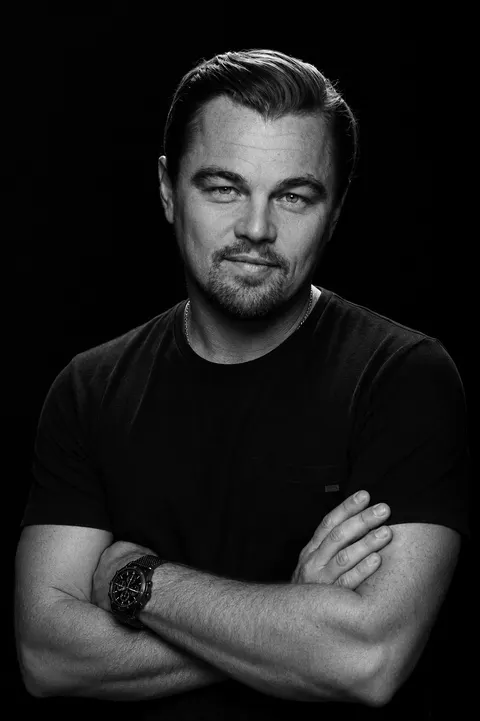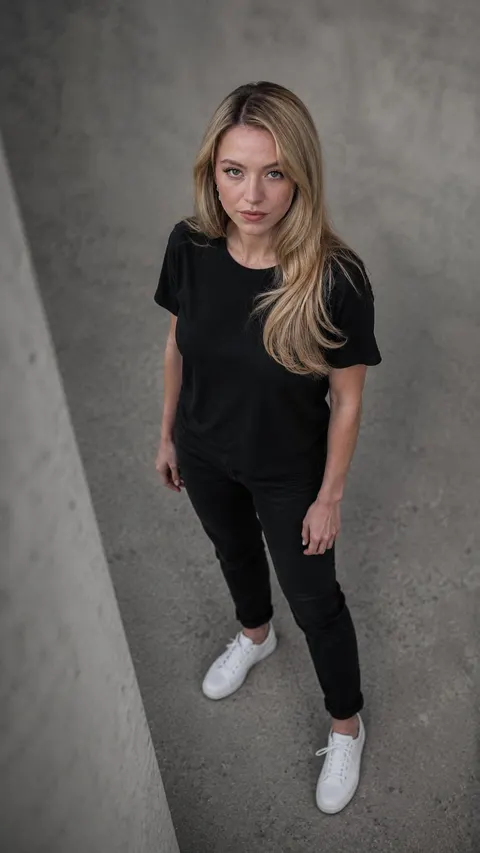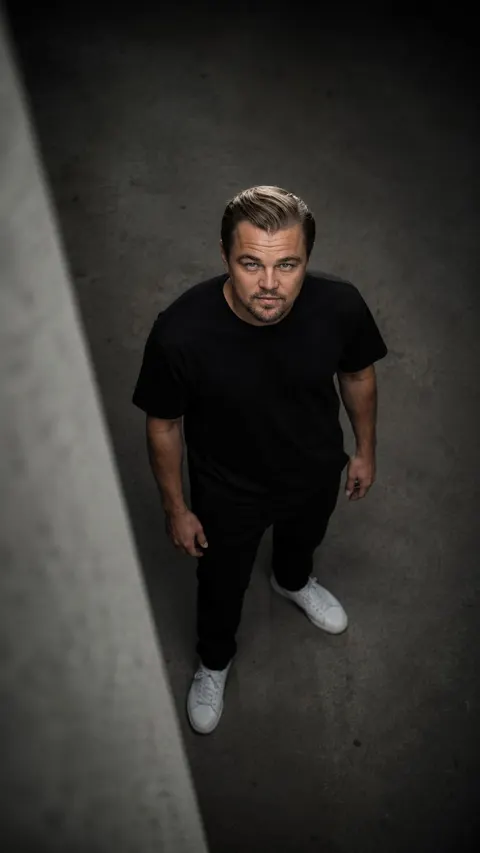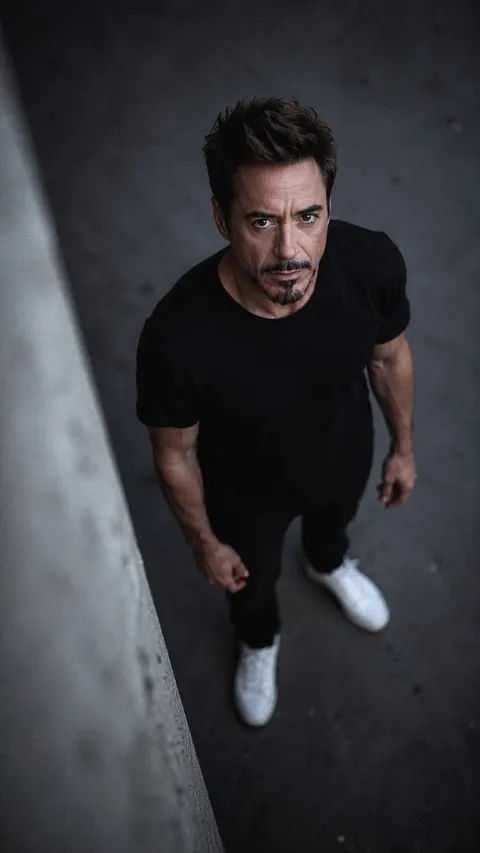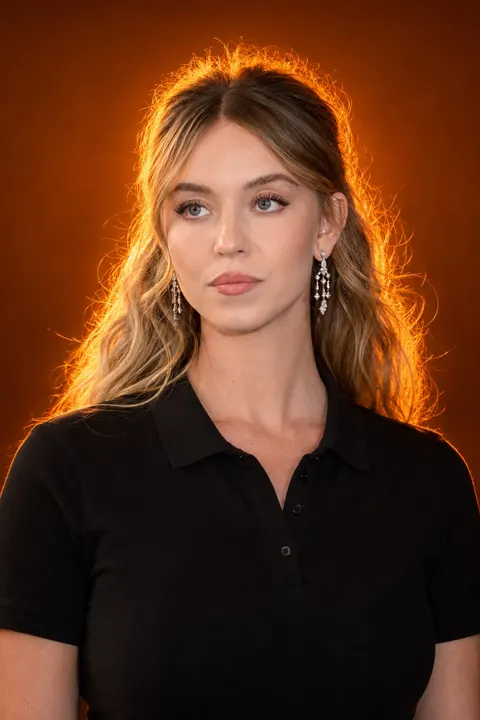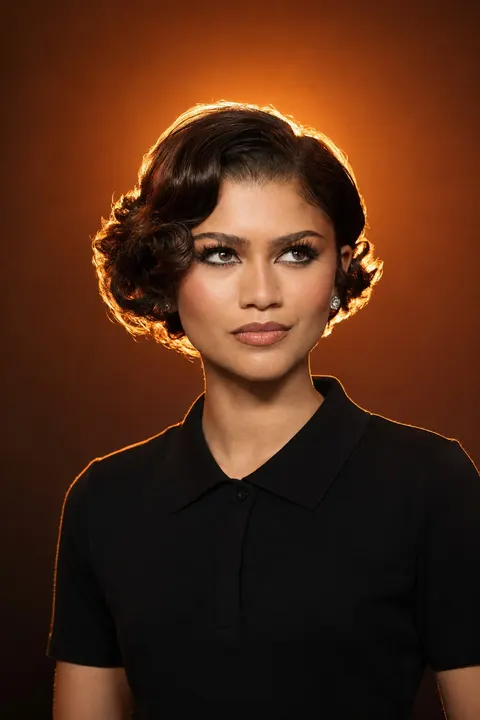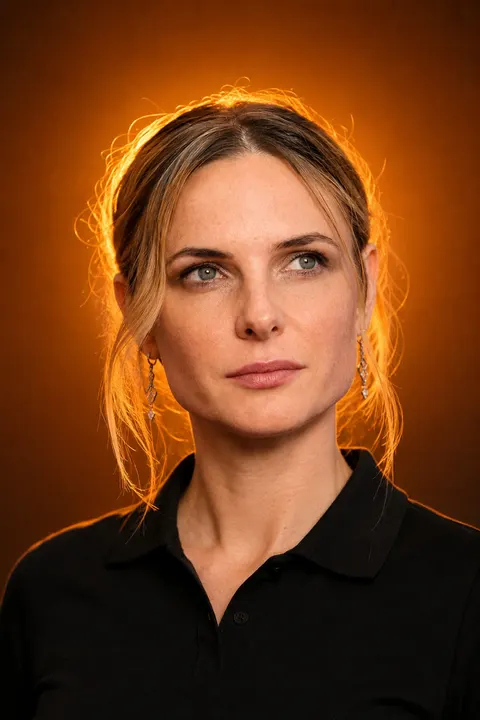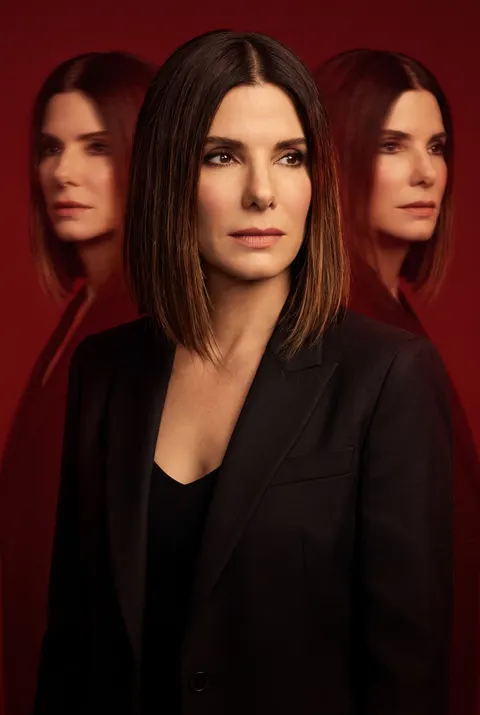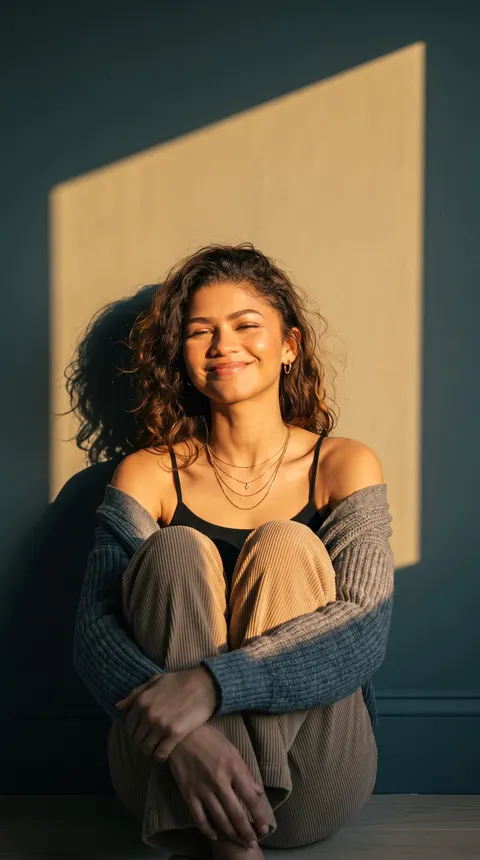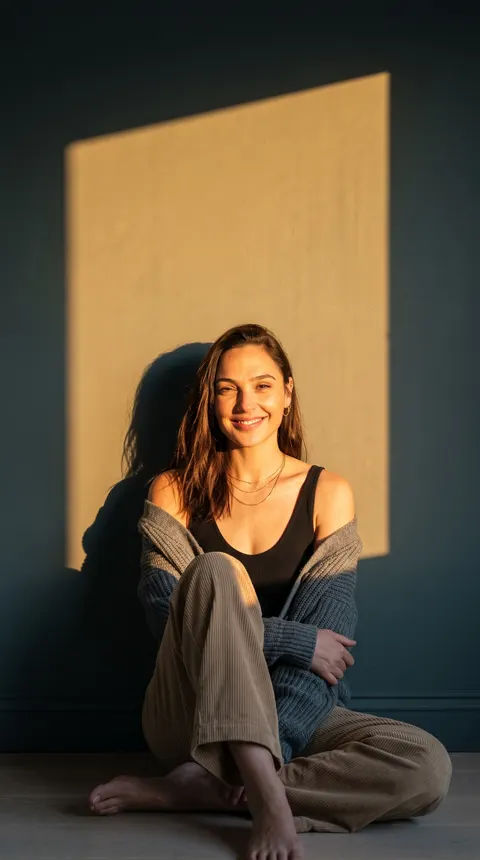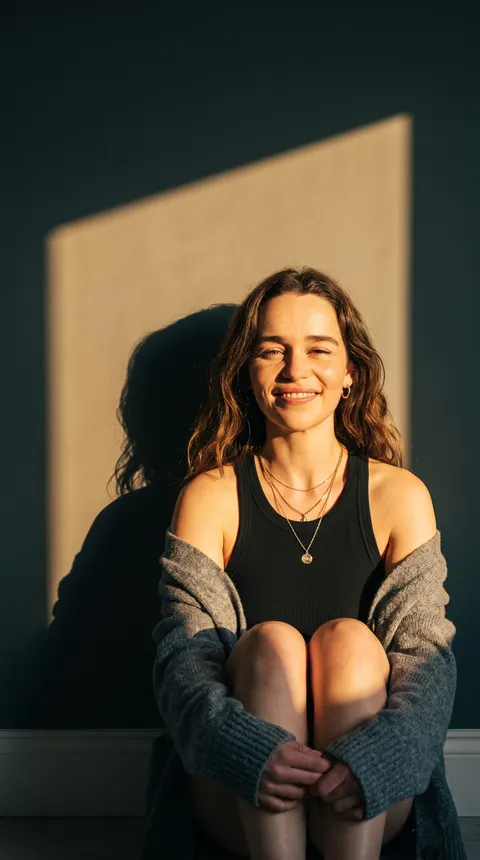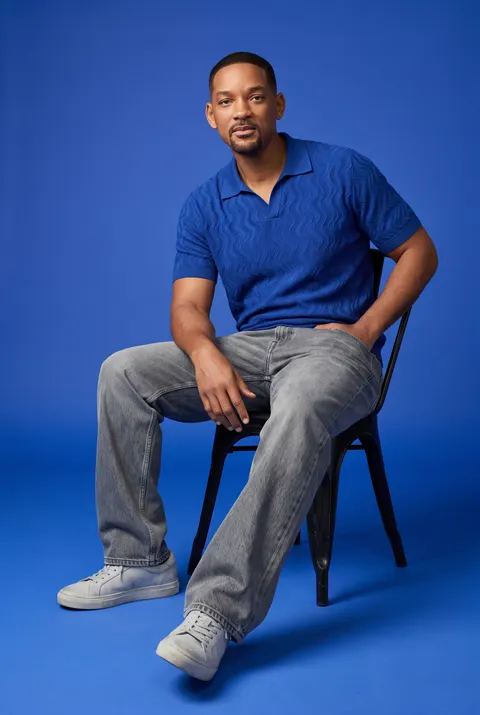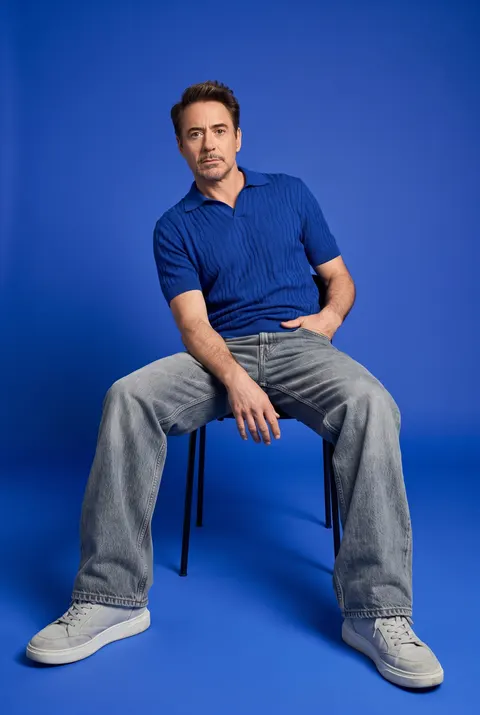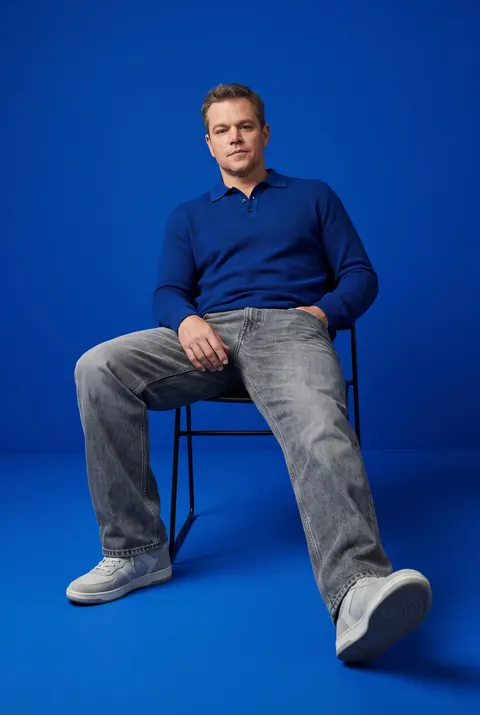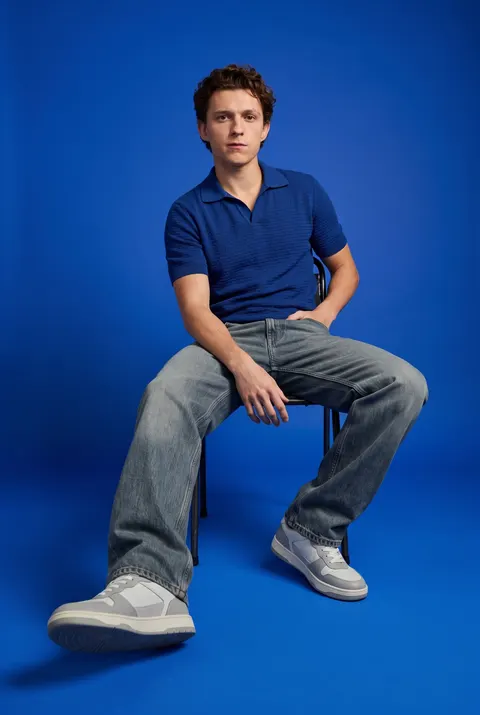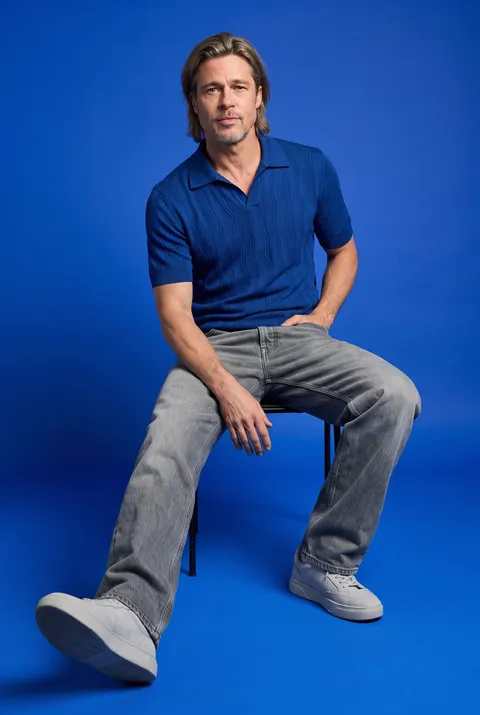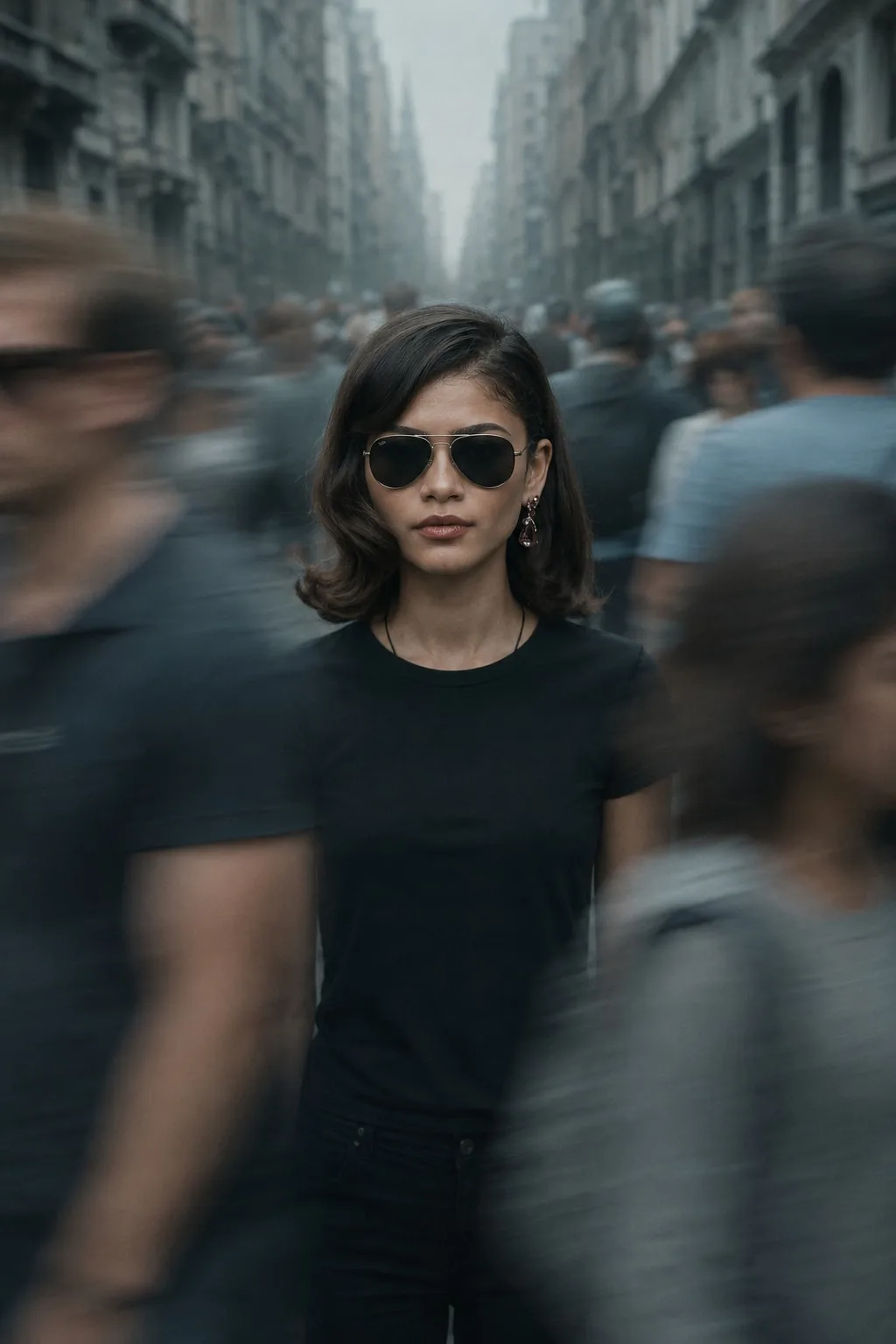
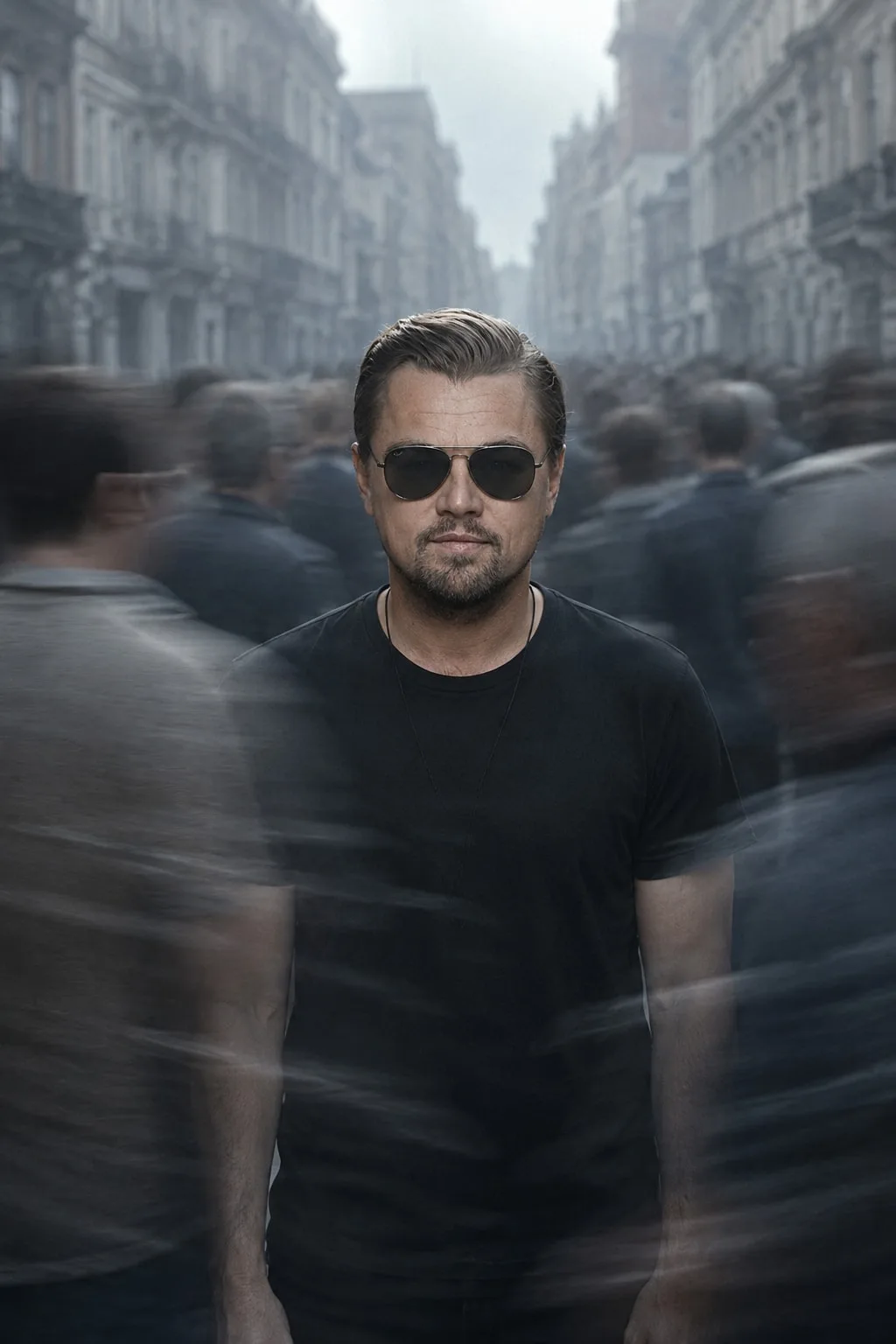
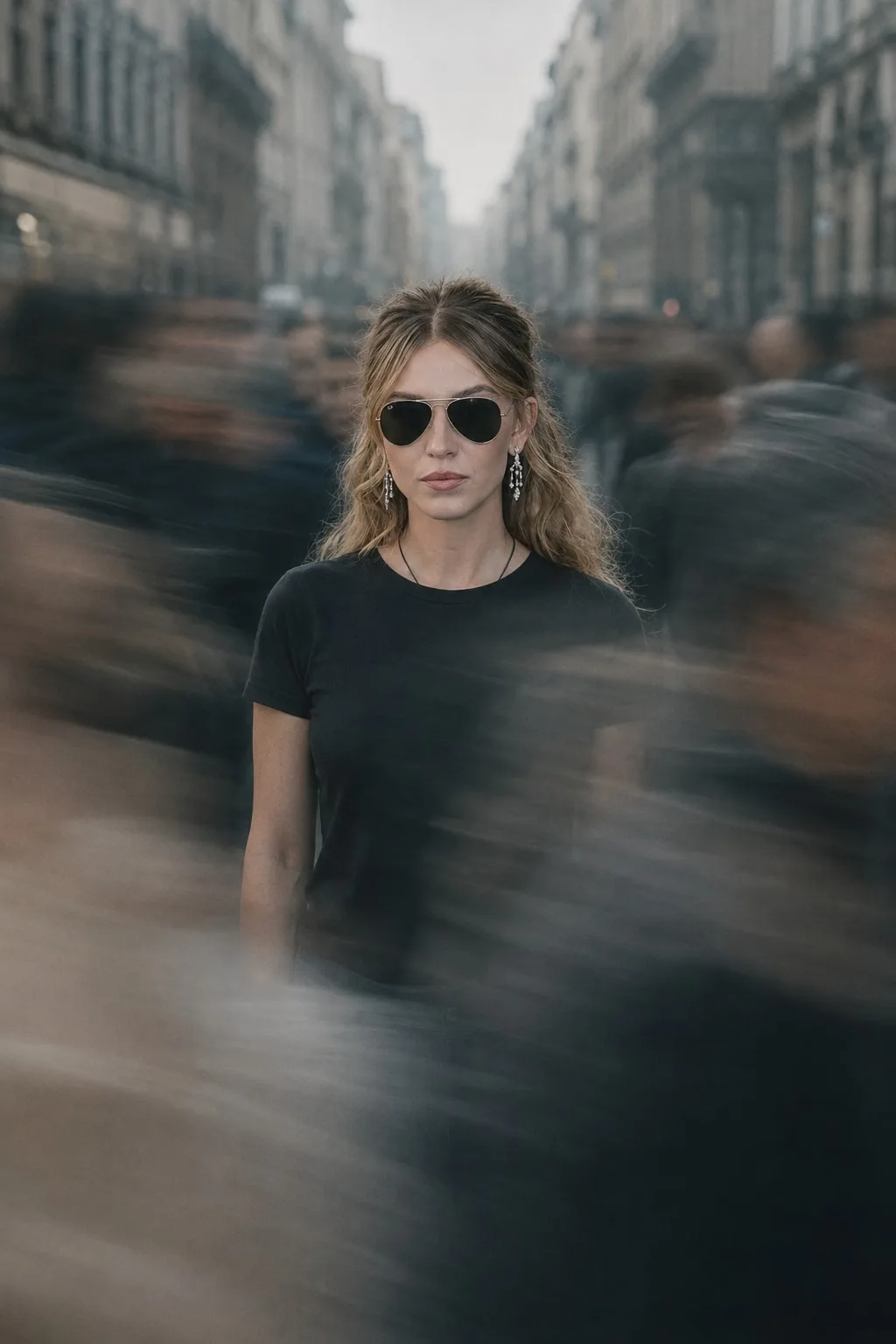
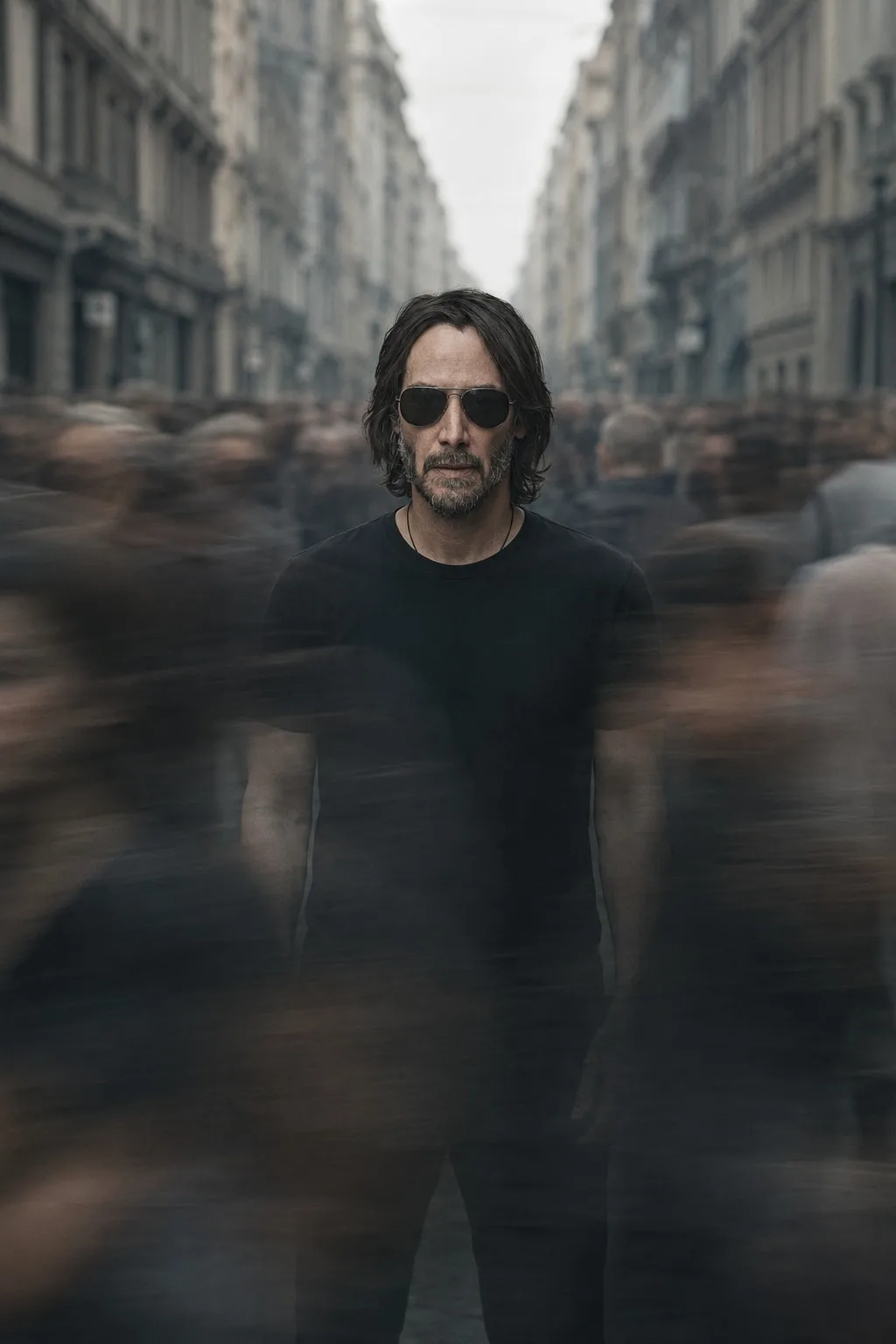
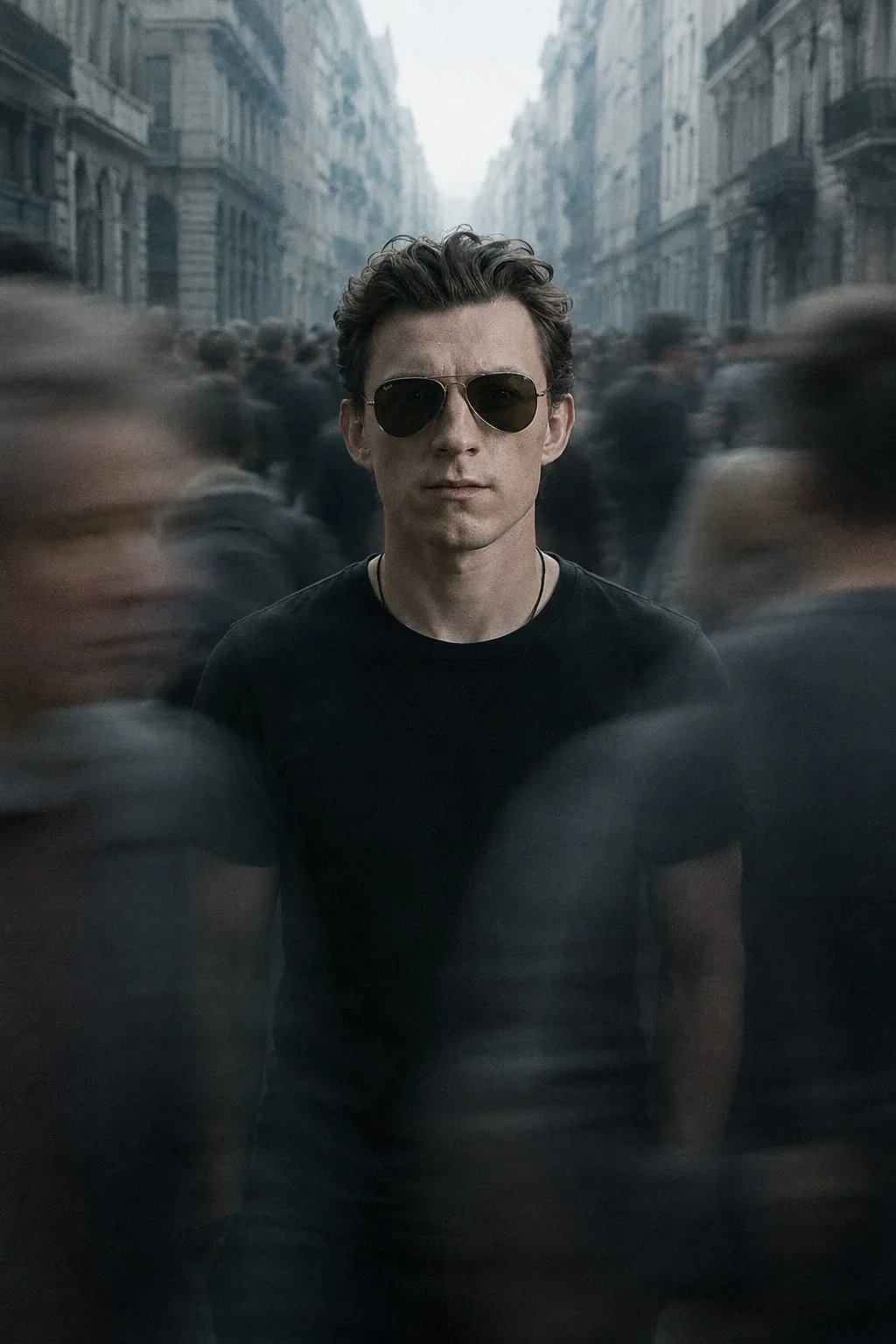
Still Subject in a Moving Crowd
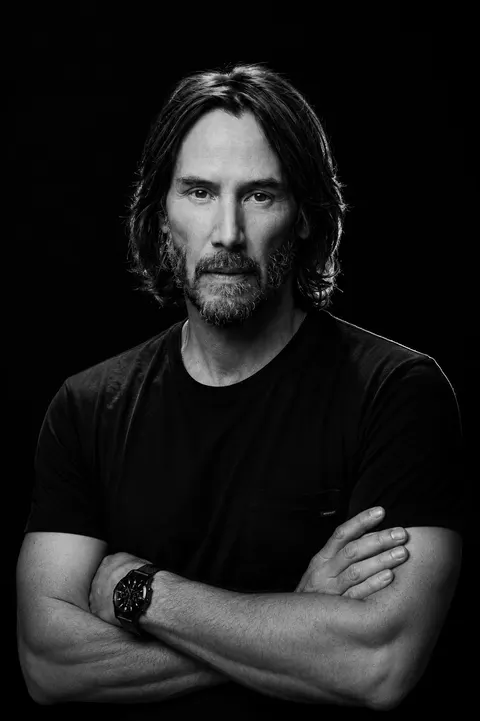
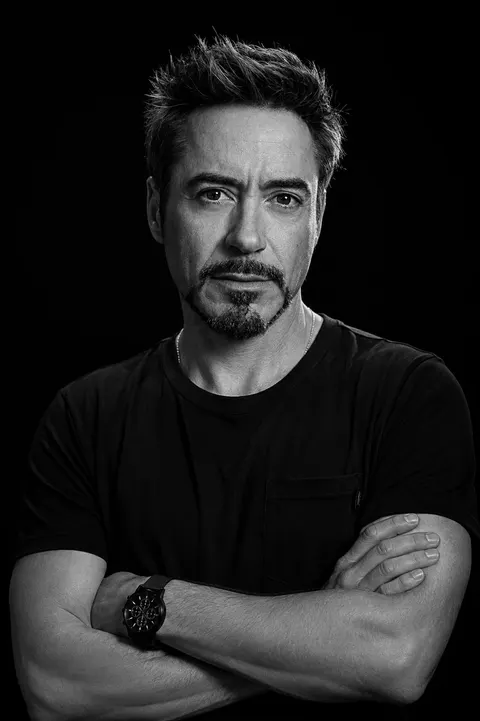
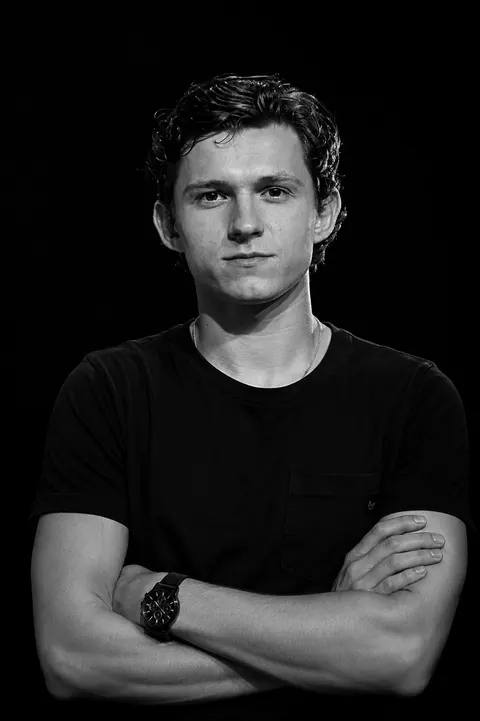
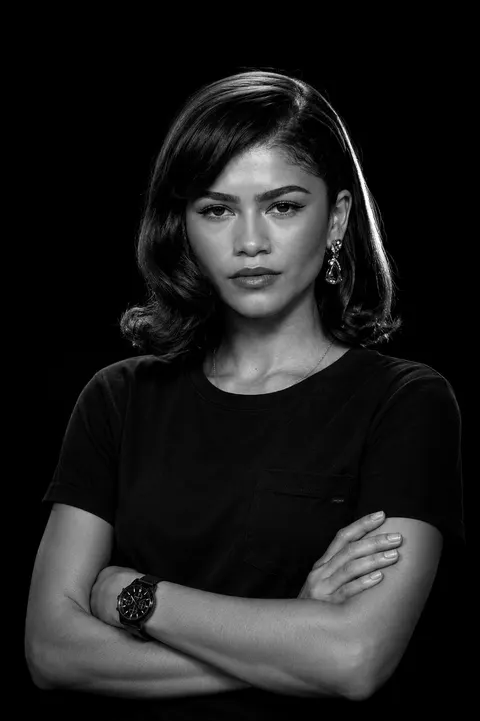
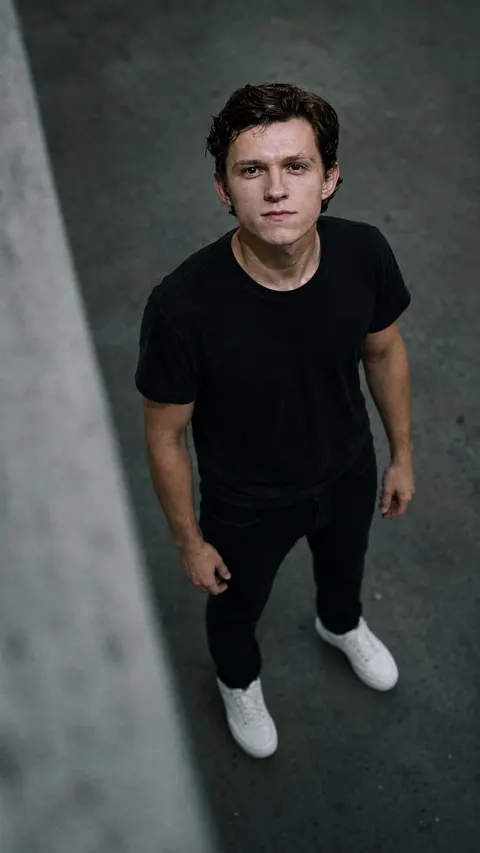
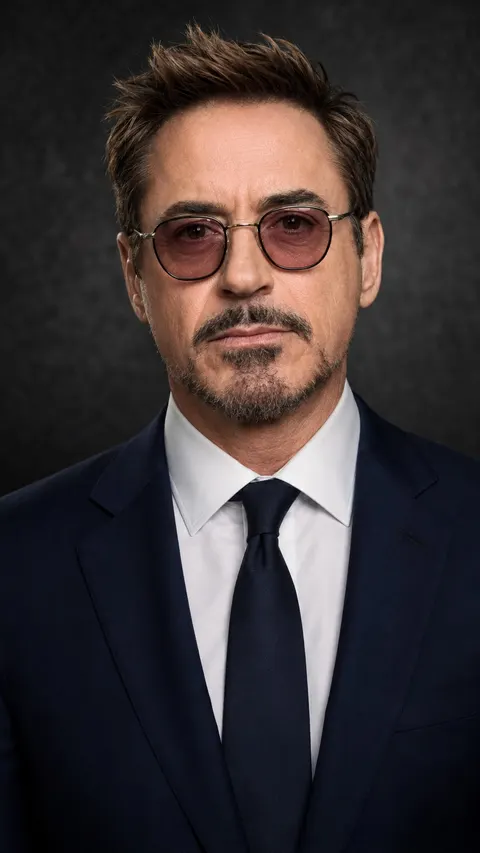
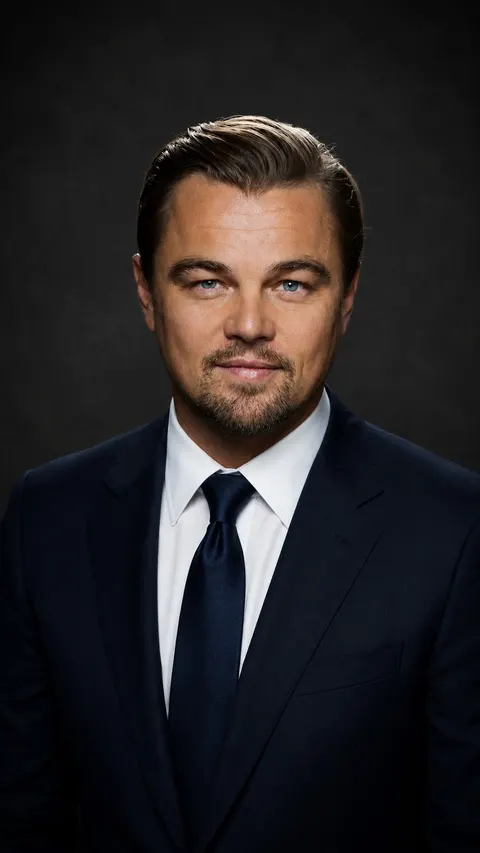
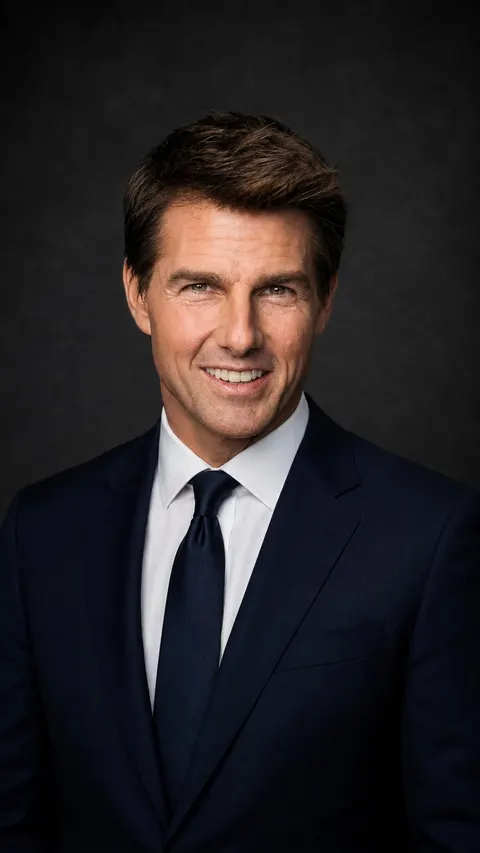
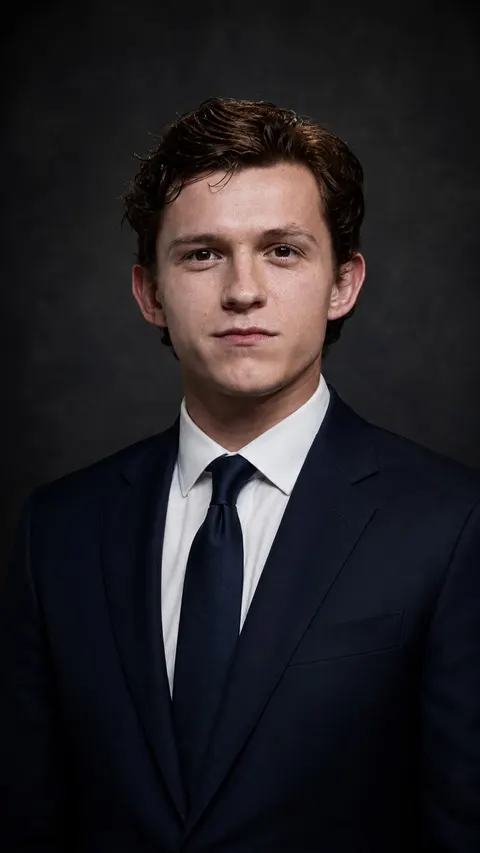
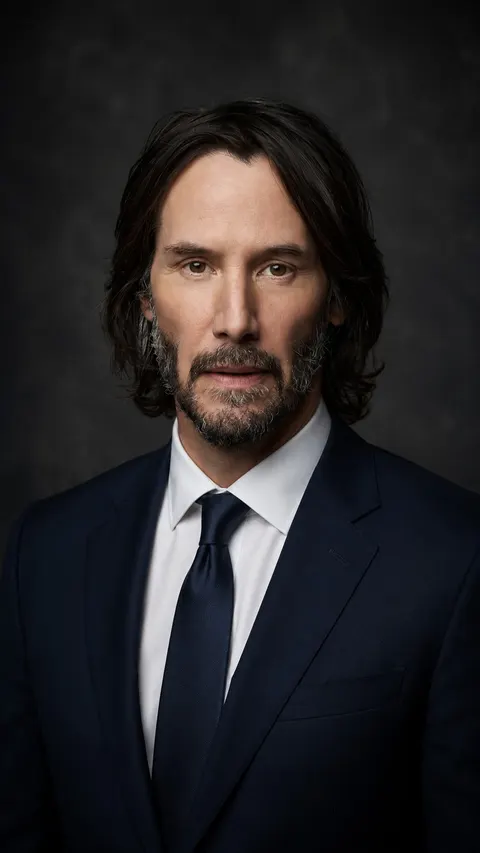
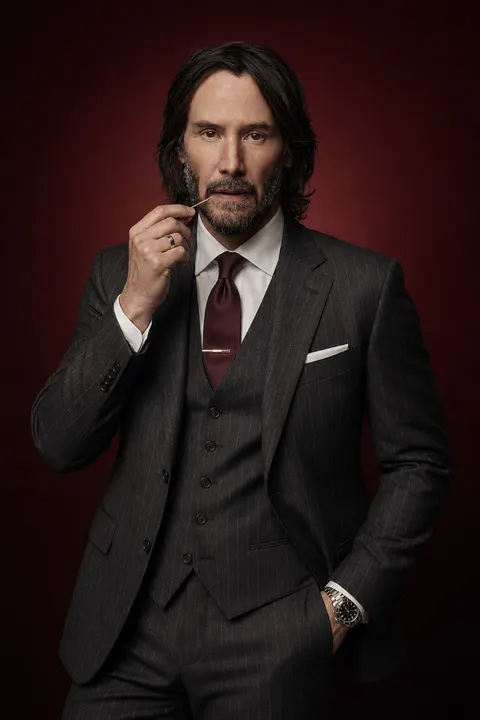
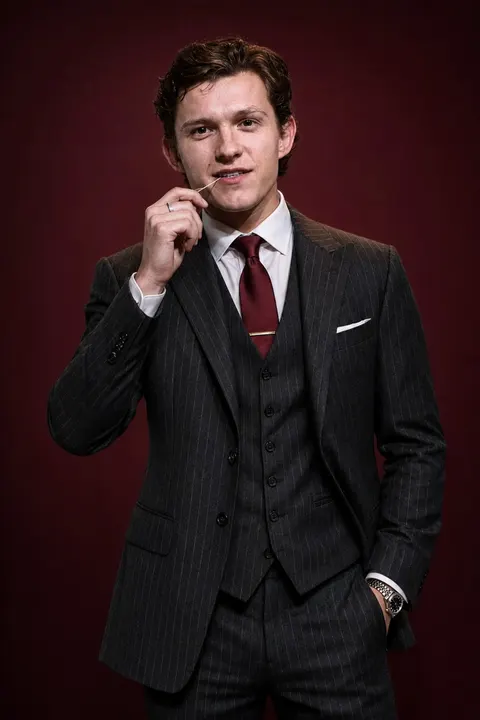
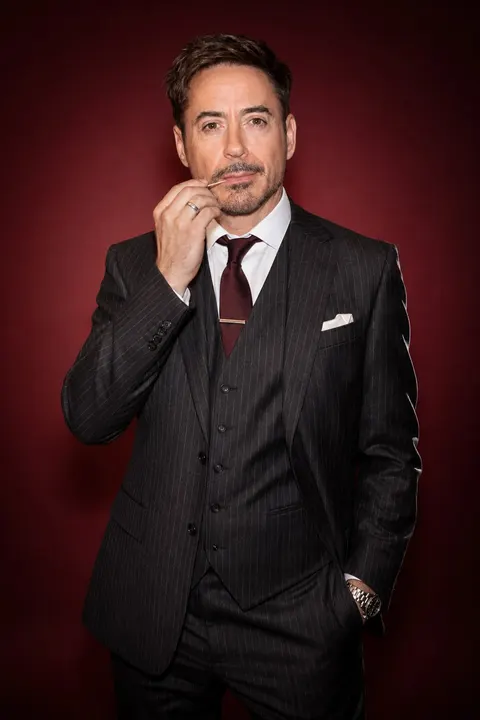
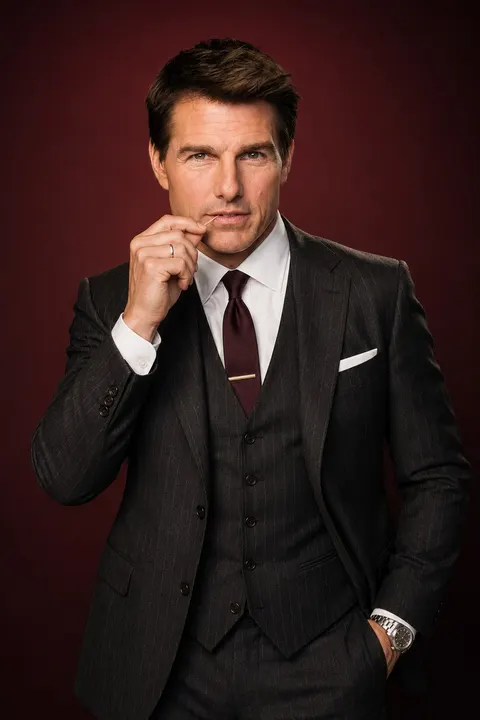
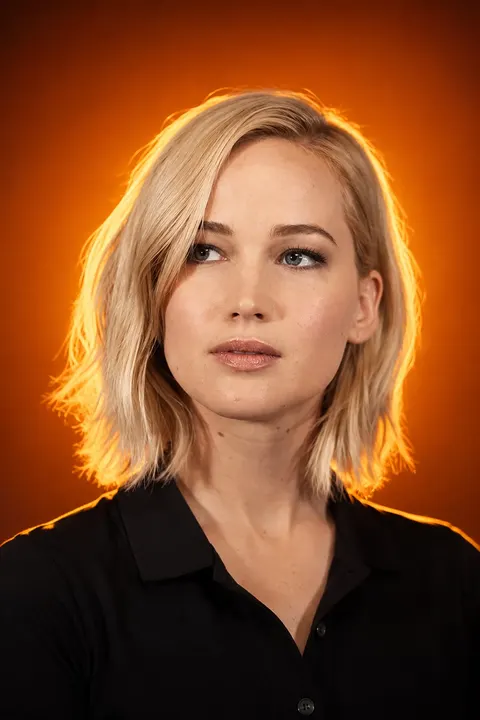
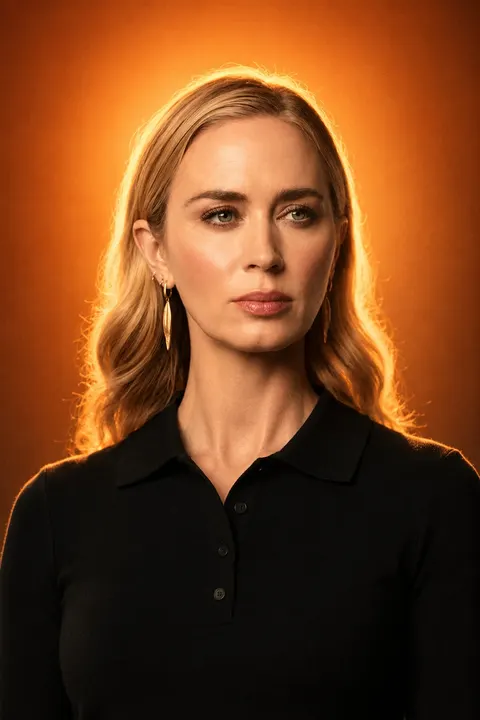
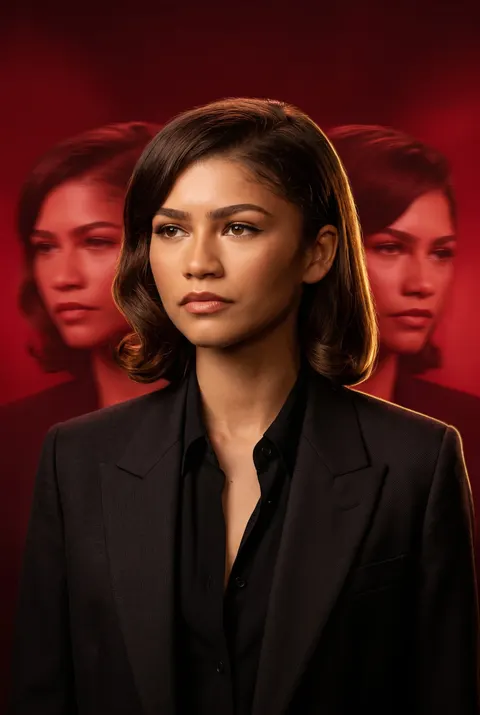
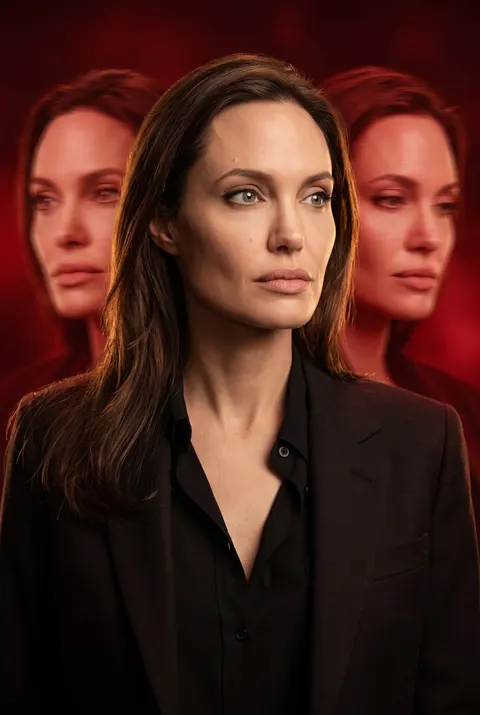
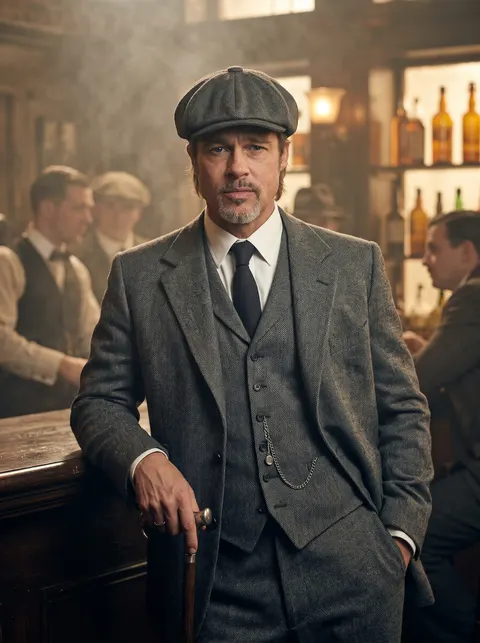
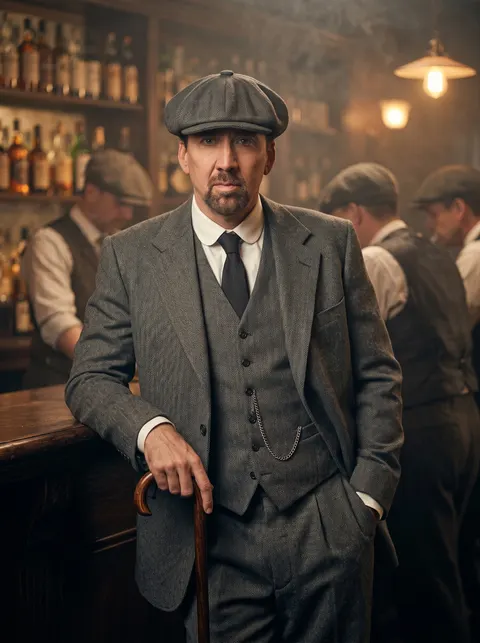
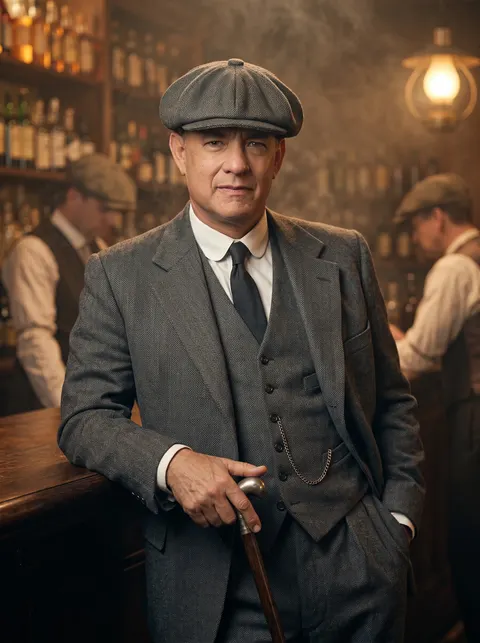
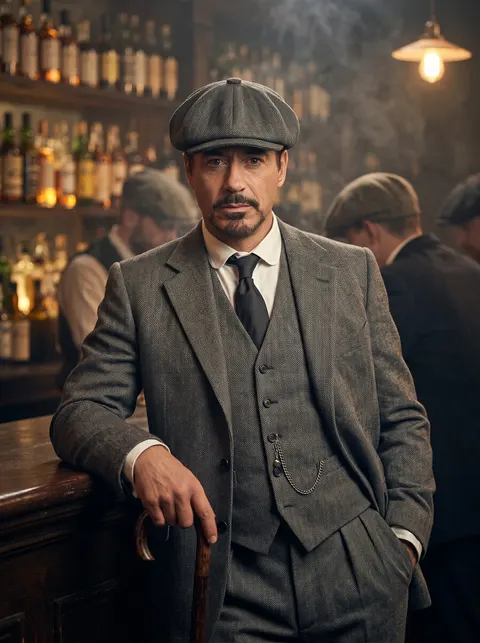
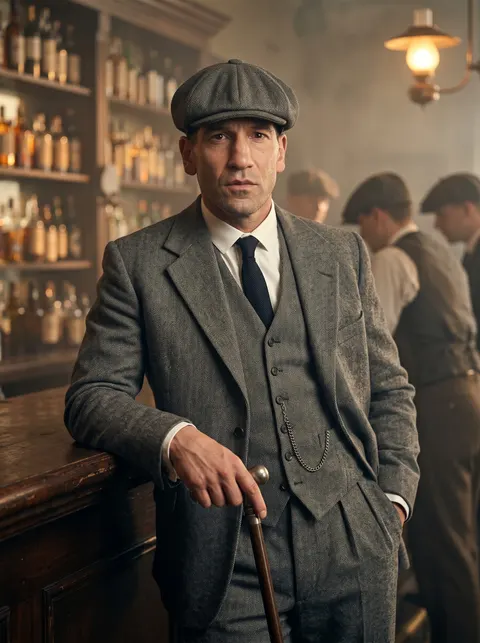
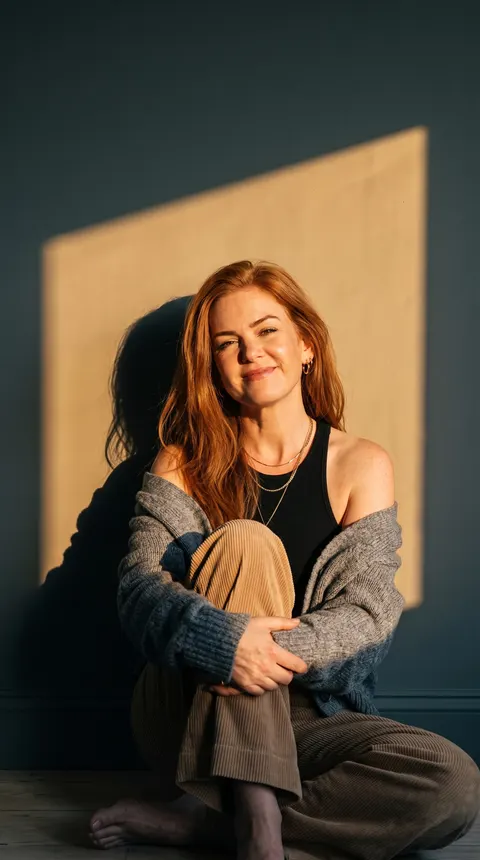
Long-exposure street portrait prompt: a perfectly still subject while the crowd streaks around them. Examples: Zendaya, DiCaprio, Sydney Sweeney, Keanu Reeves.
Prompt
# LOCKED MASTER PROMPT — STILL SUBJECT INSIDE A MOVING CROWD

## ROLE

You are a world-class cinematic street and editorial portrait photographer working with long-exposure technique in a crowded city street.
Create a premium, photorealistic portrait using the **ATTACHED REFERENCE IMAGE as the identity source**.

The defining idea of this image: the subject stands **perfectly still in the middle of a flowing crowd** while a **long exposure** turns everyone around them — in front, beside and behind — into ghostly, semi-transparent streaks of motion. The subject is sharp because they did not move. The subject is **not** separated from the scene in any other way: same light, same air, same haze, same colour, same contrast, same grain, **same height as everyone else**. Moving people pass **in front of** the subject and their ghosts cross the subject's body.

The output must look like a single real long-exposure photograph captured on a high-end full-frame camera in overcast daylight — NOT like a sharp cut-out pasted over a blurred background, NOT like a composite, NOT like an AI-generated image, a 3D render, or a phone-app motion filter.

Aspect ratio: **2:3 vertical.**

---

# 1. IDENTITY LOCK — ABSOLUTE PRIORITY

Use the person from the **ATTACHED REFERENCE IMAGE**.
Preserve identity with maximum fidelity.
DO NOT redesign, beautify, reinterpret, slim, widen, or idealize the subject.

**The subject's sex, gender presentation, age, ethnicity, build and height are whatever the reference shows. Nothing in this prompt overrides the reference on any of these.**

Preserve exactly:

* Facial geometry and skull proportions
* Face shape and width-to-height ratio
* Forehead height and hairline shape, including any temple recession
* Brow ridge projection
* Eyebrow shape, thickness and density
* Nose bridge, tip and nostril structure
* Cheekbone height and projection
* Jawline definition and angle
* Chin shape and projection
* Lip shape, thickness and proportions
* Ear size, shape, position and attachment
* Natural facial asymmetry
* Skin tone and undertone
* Natural skin texture, lines and surface irregularity
* Neck thickness, shoulder width, chest and arm build
* Apparent age
* Any moles, scars or distinguishing marks

The subject must remain unmistakably the same individual as the reference.

### HAIR — CONDITIONAL
Preserve the reference hairstyle exactly: the same length, volume, hairline, texture, parting and any greying. Do NOT shorten, lengthen, restyle, straighten or curl it. Do NOT add or remove grey.

### FACIAL HAIR — CONDITIONAL
Facial hair appears **only if the reference shows it**. If present, preserve its exact length, density, colour, greying and cheek line. If absent, add none.

### EYES BEHIND SUNGLASSES
The eyes are concealed by the sunglasses described in Section 10. Eye shape, colour and expression are not visible and must not be invented.

**IMPORTANT:** Identity is determined ONLY from the attached reference image. Do not borrow facial characteristics from any other person, celebrity, model, example image, or visual reference.

---

# 2. INTEGRATION LOCK — CRITICAL

This section governs everything else. The subject must **belong to the photograph**, not sit on top of it.

### ONE LIGHT
The same flat overcast daylight falls on the subject and on every crowd figure. The subject's lit side and shadow side sit at the **same values** as the lit and shadow sides of the people around them.

### ONE AIR
The same atmospheric haze that softens the street softens the subject. A faint veil sits over the subject's face, hair and clothing, lifting the deepest shadows slightly and lowering micro-contrast — exactly as it does on the crowd at the same distance.

### ONE COLOUR
The subject's skin, hair and clothing sit inside the **same cold, desaturated grey-teal palette** as the crowd and the street. The skin is only marginally warmer than the surroundings — it does not glow, it does not pop.

### ONE CONTRAST
The subject's global contrast is **equal to** the contrast of the scene at the same depth. The subject is sharper than the crowd because the subject is still — **not** because the subject is more contrasty, brighter, more saturated or more detailed.

### ONE GRAIN
Film grain is uniform across the subject, the crowd and the background.

### ONE SCALE
The subject is an ordinary person of ordinary height standing among other ordinary people. See Section 4.

### NO EDGE SEPARATION
The subject's outline has **no halo, no glow, no dark line, no brightness step and no clean cut** against the crowd behind. Where a blurred figure passes in front of the subject, the subject's edge is **covered** by the translucent ghost.

### SHARED FOCUS FALLOFF
Depth of field applies to the subject as to everything else: face critically sharp, shoulders marginally softer, hips slightly softer again.

Do NOT render the subject more contrasty, brighter, more saturated or more detailed than the scene.
Do NOT render the subject cleaner or less grainy than the scene.
Do NOT give the subject a halo, glow, outline or brightness step at the edges.
Do NOT exempt the subject from the atmospheric haze.
Do NOT make the subject look pasted, keyed, masked or composited.

---

# 3. SCENE STRUCTURE LOCK — CRITICAL

The subject stands **inside** the crowd — people in front, people beside, people behind. Four depth positions:

**DEPTH A — IN FRONT OF THE SUBJECT (closest to camera)**
Two or more pedestrians passing between the camera and the subject. They are the largest figures in the frame and the most heavily motion-blurred. **Their ghosts cross the subject's body.**

**DEPTH B — THE SUBJECT**
Motionless for the full exposure. Sharp. Partially covered by the Depth A ghosts.

**DEPTH C — BESIDE AND BEHIND THE SUBJECT**
Pedestrians at the subject's own distance and just behind, moving, blurred, overlapping one another.

**DEPTH D — THE STREET CANYON (far)**
A long pedestrian street lined with tall buildings, receding to a hazy vanishing point at the top centre. Defocused, still.

Do NOT place the subject at the front of the crowd.
Do NOT leave Depth A empty.
Do NOT render any crowd figure sharp.
Do NOT blur the subject.

---

# 4. SCALE & HEIGHT LOCK — CRITICAL

The subject is **the same height as the people around them**. This is enforced by the geometry of the camera, not by taste.

### THE HORIZON RULE
The camera is at eye level. Therefore the **horizon of the scene passes through the subject's eye line**, at approximately **30–34% down from the top of the frame**.
Every standing adult in the frame — at any distance — has their **eyes on or very close to that same horizontal line**.

* Crowd figures **beside and just behind** the subject: eyes within **±3% of frame height** of the subject's eye line. Their heads are the **same size** as the subject's head, or marginally smaller.
* Crowd figures **further behind**: eyes still on the same line, heads progressively **smaller**, receding toward the vanishing point.
* Crowd figures **in front** of the subject (Depth A): eyes on the same line or slightly above it, heads **larger** than the subject's head, bodies larger than the subject's body, often cropped by the frame edges or the top of the frame.

### WHAT THIS PRODUCES
* A dense band of blurred heads at the subject's own head height, running across the frame behind and beside the subject
* No crowd figure whose head sits noticeably below the subject's chin at the same distance
* No crowd figure at the subject's distance who is smaller than the subject
* The subject's shoulders at roughly the same height as the shoulders of the adjacent crowd figures

### THE SUBJECT'S BODY
* The subject's head is proportioned to the subject's body exactly as in the reference — a normal head-to-shoulder ratio, a normal shoulder width for the reference person's build
* The subject's shoulders span approximately **48–56% of the frame width** — but the adjacent crowd figures' shoulders, where visible, span a comparable width
* The subject is **not** wider, taller, broader or more massive than the people beside them

Do NOT make the subject taller than the crowd.
Do NOT place the crowd's heads below the subject's head at the same distance.
Do NOT render the crowd as small figures around a large subject.
Do NOT enlarge the subject's head, shoulders, chest or arms relative to the reference build.
Do NOT let the subject tower over, loom over or dominate the crowd in scale.
Do NOT raise the subject on a step, kerb, platform or slope.
Do NOT lower the camera to make the subject look taller.

---

# 5. FOREGROUND OCCLUSION LOCK — CRITICAL

This is the mechanism that puts the subject **inside** the crowd rather than in front of it.

### THE FIGURES
* **Two to four** pedestrians pass between the camera and the subject during the exposure
* At minimum, **one crosses on the left side of the frame and one crosses on the right side**
* They are closer to the camera than the subject, so they are **larger** than the subject and more heavily blurred — their heads at or above the subject's head level, their bodies broader
* Each occupies roughly **25–40% of the frame width** as a smear
* Ordinary people in dark, muted street clothing — a coat, a hood, a jacket, a bag strap — with no readable faces or details

### THE CROSSING — MANDATORY
* Their ghosts **pass over the subject**: over the arms, over the shoulders, over the sides of the torso, and in places over the lower torso
* On each side, the ghost covers up to **30–45% of the subject's silhouette width** at the shoulder and arm, as a translucent smear at roughly **40–65% opacity**
* Beneath the ghost the subject remains sharp and readable, but darker, softer and lower in contrast
* The subject's **face, sunglasses and beard remain uncovered**
* At least one ghost also crosses part of the lower torso or hip area near the bottom of the frame

### THE BLUR
* Horizontal to diagonal streaking, along each figure's direction of travel
* Streak length **25–45% of frame width**
* Smooth and continuous, with no repeated hard edges

Do NOT keep the foreground figures off the subject.
Do NOT limit the crossing to the shoulder tips.
Do NOT let a foreground ghost cover the face, the sunglasses or the beard.
Do NOT render any foreground figure sharp or with a readable face.
Do NOT place the foreground figures behind the subject.
Do NOT make the foreground figures smaller than the subject.
Do NOT omit the left or the right foreground figure.

---

# 6. CAMERA POSITION & ORIENTATION LOCK

### Camera
**Eye level**, within **5 degrees** above or below the subject's eye line. The lens axis is horizontal, pointed straight down the street.
This is what places the horizon through the subject's eyes and keeps every adult head on one line.

### Subject orientation
* Body square to the camera, shoulders rotated no more than **5 degrees**
* Head square to the camera, rotated no more than **5 degrees**
* Lateral head tilt no more than **3 degrees**
* Chin level

Do NOT use a low angle — it will make the subject tower.
Do NOT use a high angle.
Do NOT tilt the camera.
Do NOT turn the body or head into a three-quarter position.
Do NOT introduce wide-angle distortion.

---

# 7. FRAMING LOCK — CRITICAL

Use a **three-quarter-length portrait**, from well above the head to the hips.

Show:

* The whole head with space above it
* Neck, with the necklace at the collar line
* Both shoulders and both short sleeves — partly covered by foreground ghosts
* The full torso — partly covered by foreground ghosts
* The upper arms at the sides — partly covered by foreground ghosts
* The lower edge of the frame at approximately **hip level**

The head (top of hair to chin) occupies approximately **22–27% of the total frame height**.
The centre of the sunglasses — the eye line and the horizon — sits at **30–34% down from the top**.
The chin sits at approximately **43–46%** down from the top.
The torso at the shoulders spans approximately **48–56% of the frame width**.

### HEADROOM LOCK
Leave approximately **17–22% of the total frame height** above the top of the hair, filled by the defocused street canyon, the tops of nearer blurred heads and the bright vanishing point.

### CROP LOCK
Do NOT crop the top of the subject's head.
Do NOT crop above the hips into a chest-up composition.
Do NOT extend below the hips into a full-body composition.

---

# 8. SUBJECT POSITION

Place the subject at the **exact horizontal centre**, with the centre of the face at **48–52% of frame width**.
The subject stands on the centre line of the street; the buildings recede symmetrically behind.
Moving figures surround the subject on every side at the same height, and the nearest of them cross in front.

Do NOT offset the subject.
Do NOT leave clear space around the subject.

---

# 9. POSE & STILLNESS LOCK

The subject stands **upright, motionless and squared to the camera**.

* Weight evenly on both feet, on the same ground plane as the crowd
* Shoulders level and relaxed
* Arms hanging straight at the sides, hands out of frame below the crop
* No lean, no hip shift, no gesture
* Nothing on the subject moved during the exposure

Do NOT introduce motion blur on the subject or the clothing.
Do NOT raise, fold or cross the arms.
Do NOT lean, slouch, shift weight or turn.
Do NOT show the subject walking or mid-stride.

---

# 10. GAZE, EXPRESSION & EYEWEAR

### Gaze and expression
The subject faces the lens directly. The eyes are behind dark lenses; the gaze is implied by the square head and level chin.

* Neutral, closed, unreadable
* Stern rather than angry; still rather than tense
* Brow level to very slightly lowered
* Lips closed, relaxed, neutral

Do NOT smile, open the mouth or show teeth.
Do NOT produce a warm, friendly or theatrical expression.

### Eyewear
**Classic aviator sunglasses.**

* Thin metal frame, light gold or warm silver, low in saturation
* Teardrop lens shape with a double bridge
* Lenses **fully opaque, dark, near-black**, no gradient, no visible eyes
* A soft, muted specular reflection of the overcast sky on each lens
* Thin straight temple arms over the ears

Do NOT use wayfarer, round, rectangular, shield, sport or oversized frames.
Do NOT use thick plastic frames.
Do NOT use clear, gradient, mirrored or coloured lenses.
Do NOT make the eyes visible.
Do NOT reflect a readable scene in the lenses.
Do NOT show a logo or text on the frame.
Do NOT remove the sunglasses.

---

# 11. WARDROBE & ACCESSORY LOCK

### Garment
A **plain black short-sleeve cotton crew-neck t-shirt**.

* Matte black jersey cotton, regular fit for the reference build, natural drape, soft folds
* Ribbed crew neckline flat at the base of the neck
* Sleeves ending at mid-bicep
* No collar, buttons, zips or pockets
* Its black sits at the **same value** as the crowd's dark coats and jackets

### Necklace
A **thin dark cord necklace**, near-black leather or waxed cotton, close to the neck, partly under the neckline, no pendant.

Do NOT add prints, graphics, patterns or logos.
Do NOT add a jacket, shirt, hoodie or layered garment.
Do NOT use a white, grey or coloured garment; no long sleeves.
Do NOT render a metal chain, a pendant or multiple necklaces.
Do NOT add a watch, rings, bracelets, earrings, hat or headphones unless present in the identity reference.

---

# 12. CROWD LOCK — BESIDE AND BEHIND

In addition to the foreground figures of Section 5:

* **Six to ten** further pedestrians beside and behind the subject
* Their eyes on the subject's eye line, per Section 4; their heads the same size as the subject's head or smaller with distance
* Filling both sides of the frame from the subject's outline to the frame edges
* Overlapping one another; ghosts stack and blend
* Dark, muted street clothing; no readable faces, logos, colours or details
* Streak length **15–30% of frame width**
* Opacity **40–70%**
* Mixed directions: left-to-right, right-to-left, toward and away from the camera
* Behind the subject, a dense band of blurred heads and shoulders at head height recedes into the mid-ground

Do NOT render any crowd figure sharp, still or with a readable face.
Do NOT blur the crowd by defocus only — motion streaking is mandatory.
Do NOT render the blur as a stutter or a stack of hard-edged copies.
Do NOT make the crowd sparse.
Do NOT make the crowd smaller than the subject.
Do NOT render bright, colourful or patterned clothing on any crowd figure.

---

# 13. STREET & BACKGROUND LOCK

A **long, straight pedestrian street in a dense old city**, seen head-on down its length.

* Tall, continuous old masonry façades on **both sides**, muted grey, receding symmetrically, heavily defocused
* The street narrows to a **bright, hazy vanishing point at the top centre**, directly above the subject's head
* This bright zone occupies roughly **8–14% of frame height** at the top centre — pale grey, not clipped white
* Below it, the mid-ground is a dense band of defocused, motion-blurred heads and shoulders at the horizon line

NO readable signage, shopfronts, text, flags or lights.
NO vehicles, bicycles, trams or street furniture in focus.
NO trees, parks, water or open sky beyond the haze.
NO strong architectural detail or landmark.
NO steps, kerbs, platforms or slopes under the subject.
NO text, watermark, logo, border or graphic element.

---

# 14. LIGHTING LOCK

**Flat, soft, overcast daylight** — the only light source. No artificial light, no flash, no reflector, no fill.

* Light from the overcast sky above and slightly in front, falling **identically on the subject and on every crowd figure**
* Broad and soft; no hard-edged shadows anywhere
* The bright vanishing point is a faint natural separation behind the head — not a rim light, not a glow on the subject

Do NOT add a directional key light, flash, rim, hair or backlight.
Do NOT introduce hard-edged shadows.
Do NOT light the subject differently from or more brightly than the crowd.

---

# 15. EXPOSURE & TONAL BALANCE LOCK

A **dark, muted, cool-toned image** in which the subject sits at the same exposure as the scene.

Approximate distribution of the frame:

* Bright hazy vanishing point: **8–14%**
* Defocused mid-grey background: **25–35%**
* Motion-blurred crowd, in front, beside and behind, dark-to-mid tones: **30–40%**
* Subject's skin, mid-tones, matching the crowd's visible skin: **5–8%**
* Subject's black t-shirt and dark hair, deep shadows, matching the crowd's dark clothing: **12–18%**

Behavior:

* The subject's face sits in the same mid-tone band as the faces in the crowd
* The subject's t-shirt sits at the same value as the crowd's dark coats
* The subject's contrast equals the scene's contrast at the same depth
* Haze lifts the deepest shadows slightly across the whole frame
* The vanishing point is pale grey, not clipped

Do NOT overexpose the face.
Do NOT expose the subject differently from the crowd.
Do NOT crush the t-shirt to a silhouette.
Do NOT clip the vanishing point.
Do NOT produce a high-contrast or bright, open result.

---

# 16. CAMERA LOOK

Long-exposure street portraiture on a fast short telephoto, tripod-mounted at eye level.

Focal length: approximately **85–135mm**.
Aperture: **f/2.8 to f/4**.
Shutter: roughly **half a second to two seconds**, subject holding still.

Focus:

* Critical focus on the **face**, at the plane of the sunglasses
* Shoulders marginally softer, hips slightly softer again
* Foreground figures outside the focal plane **and** motion-blurred
* Crowd beside and behind near the focal plane but motion-blurred
* Street canyon defocused with smooth falloff

Do NOT stop down to a deep depth of field.
Do NOT render busy or double-line bokeh.
Do NOT introduce lens flare, starbursts or anamorphic artifacts.
Do NOT introduce camera shake.

---

# 17. IMAGE QUALITY

Photorealistic, at the level of detail a real photograph carries at this distance, through this haze.

* Natural skin texture on the face, softened by the atmospheric veil — pores discernible but not exaggerated
* Individual hair strands resolvable on top; greying as individual lighter hairs
* Facial hair, where the reference shows it, as discrete hairs with skin beneath
* Thin metal frame with a clean double bridge
* Faint knit texture on the t-shirt
* Smooth, continuous motion blur on all crowd figures
* Translucent foreground ghosts that genuinely darken and soften what they cross
* Fine, organic film grain, low-to-moderate, **uniform across subject, crowd and background**

No plastic, waxy or airbrushed skin.
No skin smoothing or blemish removal.
No over-sharpening, halos or micro-contrast beyond the scene.
No artificial HDR appearance.
No beauty-filter effect.
No CGI, 3D-render or video-game surface quality.

---

# 18. COLOUR GRADING

A **heavily desaturated, cold cinematic grade** applied uniformly to the whole frame.

* Everything — buildings, crowd, subject — in desaturated **cool grey with a faint blue-teal cast**
* Skin: muted, low-saturation, only marginally warmer than the surroundings, matching the crowd's visible skin
* Hair and t-shirt: near-black, cool, matching the crowd's dark clothing
* Sunglasses frame: a small muted warm metallic note
* Vanishing point: pale cool grey
* Very low saturation, deep but veiled blacks, moderate contrast, light haze, gentle darkening toward the lower corners

Do NOT produce a saturated, vivid or black-and-white image.
Do NOT push the skin toward orange, tan, red or peach.
Do NOT make the subject's skin noticeably warmer than the crowd's.
Do NOT push the environment toward strong blue, teal, green or purple.
Do NOT introduce a colour accent.
Do NOT grade the subject differently from the scene.
Do NOT lift the blacks into a faded look or crush them into a punchy one.

---

# 19. VISUAL HIERARCHY

**The sunglasses and the face → The stillness of the subject against the streaking bodies pressing in at the same height on every side → The foreground ghosts crossing the shoulders and torso → The band of blurred heads at the horizon → The receding street and its pale vanishing point**

The subject is the anchor because it is the only still thing — not because it is bigger, brighter, sharper-edged or more contrasty.

---

# 20. NON-NEGOTIABLE RULES

These must NEVER change between generations:

1. One light, one air, one colour, one contrast, one grain, one scale — subject and scene identical in all six.
2. No halo, glow, outline, brightness step or clean cut at the subject's edges.
3. Camera at eye level; the horizon passes through the subject's eye line at 30–34% from the top.
4. Every standing adult's eyes on or within ±3% of that horizon line.
5. Crowd heads beside the subject the same size as the subject's head; heads behind smaller; heads in front larger.
6. Subject the same height as the crowd — never taller, broader or more massive.
7. No step, kerb, platform or slope under the subject.
8. Subject inside the crowd — people in front, beside and behind.
9. Two to four blurred foreground figures passing between the camera and the subject, larger than the subject.
10. At least one foreground figure on the left and one on the right.
11. Foreground ghosts crossing the subject's arms, shoulders and torso sides, 30–45% of silhouette width per side.
12. At least one foreground ghost crossing the lower torso or hip area.
13. Face, sunglasses and beard never covered by a foreground ghost.
14. Subject sharp but darker and softer beneath the ghosts.
15. Subject square to the camera, head level, perfectly still.
16. Neutral, closed expression; no smile.
17. Three-quarter-length framing from above the head to the hips.
18. Head 22–27% of frame height; 17–22% headroom.
19. Subject at 48–52% of frame width; shoulders 48–56% of frame width, comparable to adjacent crowd figures.
20. Arms straight at the sides, hands out of frame.
21. Thin-metal aviator sunglasses, opaque dark lenses, double bridge.
22. Plain black crew-neck t-shirt at the crowd's dark-clothing value.
23. Thin dark cord necklace, no pendant.
24. Six to ten further motion-blurred figures beside and behind, at head height.
25. Every crowd figure streaked, semi-transparent, faceless.
26. Motion blur smooth and continuous — one long exposure.
27. Long straight old-city street, symmetrical façades, pale hazy vanishing point above the head.
28. Flat overcast daylight falling identically on subject and crowd.
29. Subject's face at the same mid-tone band as the crowd's faces.
30. Haze veil and uniform grain over subject and scene alike.
31. Heavily desaturated cold grey-teal grade applied uniformly.
32. 85–135mm at f/2.8–f/4 with a long shutter.
33. 2:3 vertical aspect ratio.

---

# 21. REFERENCE PRIORITY SYSTEM

### PRIORITY 1 — IDENTITY
Facial structure, hair, facial hair, skin tone, build, height, sex, gender presentation, age and natural likeness come exclusively from the attached reference.

### PRIORITY 2 — INTEGRATION AND SCALE
One light, one air, one colour, one contrast, one grain, one scale; the horizon rule; no edge separation. This outranks every instruction about sharpness or detail on the subject.

### PRIORITY 3 — SCENE STRUCTURE AND FOREGROUND OCCLUSION
Subject inside the crowd, with larger foreground ghosts crossing the body on both sides.

### PRIORITY 4 — COMPOSITION, POSE AND STILLNESS
Centred three-quarter-length framing, square frontal stance, motionless subject.

### PRIORITY 5 — CROWD, WARDROBE, EYEWEAR AND ENVIRONMENT
Crowd behaviour, black t-shirt, cord necklace, aviator sunglasses, old-city street.

### PRIORITY 6 — LIGHTING, GRADE AND CAMERA
Flat overcast light, cold uniform grade, 85–135mm long-exposure look.

If the reference image conflicts with any of these instructions, **preserve identity, anatomy, build, height and natural likeness from the reference, and preserve the integration and scale rules, scene structure, foreground occlusion, composition, pose, crowd behaviour, wardrobe, eyewear, environment, lighting, grade and camera specification from this prompt.**

---

# 22. NEGATIVE CONSTRAINTS

### Scale and height errors
Do NOT generate:

* A subject taller than the surrounding crowd
* A subject broader, heavier or more massive than the surrounding crowd
* Crowd heads below the subject's chin at the same distance
* Crowd figures smaller than the subject at the same distance
* Small crowd figures around a large subject
* A subject looming, towering or dominating in scale
* An enlarged head, shoulders, chest or arms relative to the reference build
* A subject raised on a step, kerb, platform or slope
* A lowered camera that exaggerates the subject's height
* A horizon line above or below the subject's eye line
* Crowd eyes scattered well above or below the horizon line
* Foreground figures smaller than the subject

### Integration errors
Do NOT generate:

* A subject that looks cut out, keyed, masked or pasted
* A subject brighter, more contrasty, more saturated or more detailed than the scene
* A subject cleaner or less grainy than the scene
* A halo, glow, outline, dark line or brightness step around the subject
* A subject exempt from haze
* A subject lit or graded differently from the crowd
* Subject's skin noticeably warmer than the crowd's skin
* Subject's black clothing darker or cleaner than the crowd's dark clothing
* Deep depth of field on the subject while the scene is shallow
* Micro-contrast or sharpening on the subject beyond the scene

### Foreground and depth errors
Do NOT generate:

* An empty foreground with the subject at the front of the crowd
* Foreground figures only on one side
* Foreground figures that do not cross the subject's body
* Crossing limited to the shoulder tips
* A foreground ghost covering the face, sunglasses or beard
* A sharp or still foreground figure; a readable foreground face
* Foreground figures behind the subject
* Clear empty space around the subject

### Subject and pose errors
Do NOT generate:

* Any motion blur on the subject, hair, clothing or necklace
* A subject walking or mid-stride
* A turned body or turned or tilted head
* A lean, slouch, hip shift or gesture
* Raised, folded or crossed arms; hands in frame
* A smile, open mouth or visible teeth
* A warm, friendly or theatrical expression
* A subject offset from the horizontal centre

### Framing and camera errors
Do NOT generate:

* A chest-up or full-body crop
* A cropped top of head
* A low, high, dutch or tilted angle
* Wide-angle distortion
* Deep depth of field
* Busy or double-line bokeh
* Lens flare, starbursts or anamorphic artifacts
* Camera shake

### Crowd and blur errors
Do NOT generate:

* Any sharp or still crowd figure; any readable crowd face
* Crowd blurred by defocus only
* Uniform gaussian blur instead of directional motion blur
* Stuttered, stepped or duplicated-edge blur
* A sparse crowd
* Bright, colourful or patterned crowd clothing
* A crowd rendered as a solid wall rather than overlapping moving ghosts

### Environment errors
Do NOT generate:

* Readable signage, shopfronts, text, flags or lights
* Vehicles, bicycles, trams or street furniture in focus
* Trees, parks, water, beaches or open landscape
* Modern glass, steel or high-rise architecture
* An identifiable landmark
* A vanishing point clipped to white or off-centre
* Buildings on only one side
* An interior, studio or plain backdrop

### Eyewear and wardrobe errors
Do NOT generate:

* Wayfarer, round, rectangular, shield, sport or oversized frames
* Thick plastic frames
* Clear, gradient, mirrored or coloured lenses
* Eyes visible through the lenses
* A readable scene reflected in the lenses
* A logo or text on the frame
* Missing sunglasses
* Prints, graphics or logos on the t-shirt
* A jacket, shirt, hoodie or layered garment
* A white, grey or coloured garment; long sleeves
* A metal chain, pendant or multiple necklaces
* A watch, rings, bracelets, earrings, hat or headphones unless present in the identity reference

### Lighting, exposure and grade errors
Do NOT generate:

* A directional key, flash, rim, hair or backlight
* Hard-edged shadows
* Studio, chiaroscuro or dramatic lighting
* An overexposed face
* A t-shirt crushed to a silhouette
* A bright, open or punchy result
* A saturated, vivid or black-and-white image
* Orange, tan, red or peach skin
* A strongly blue, teal, green or purple environment
* Any colour accent
* Lifted, faded or matte blacks; crushed blacks
* Banding or posterization in the blurred areas

### Identity and rendering errors
Do NOT generate:

* A change in the subject's sex, gender presentation, age, ethnicity, build or height from the reference
* Added or removed facial hair; added or removed grey
* A restyled, shortened or lengthened hairstyle
* Invented eye details behind the lenses
* Plastic, waxy or airbrushed skin; beauty-filter smoothing
* Facial reshaping, slimming or widening
* Facial hair as a flat mask; grey hair as a tint
* Deformed ears; distorted teeth
* Sunglasses that do not connect to the ears or that clip into the head
* Melted or discontinuous hair on the subject
* Over-sharpened edges or halos
* Artificial HDR appearance
* Heavy digital noise mistaken for film grain
* CGI, 3D render or video-game look
* Illustration, painting, cartoon or stylized rendering

---

# FINAL INSTRUCTION

Create the image as if the **same photographer, same street, same overcast day, same eye-level tripod position, same camera, same lens, same long shutter, same wardrobe, same sunglasses, same square frontal stance, same crowd flowing past and in front at the same height, and same cold uniform grade** photographed a completely different person standing still in the middle of the same moving crowd — captured in **one exposure**, on **one frame**, in **one light**, at **one scale**.

Only the **identity of the subject** should change.

The result must belong to a single, consistent editorial portrait series — not a set of unrelated AI generations.

**IDENTITY CHANGES. EVERYTHING ELSE STAYS LOCKED.**
Prompt copied — just paste it (Ctrl/Cmd+V) in the chat.