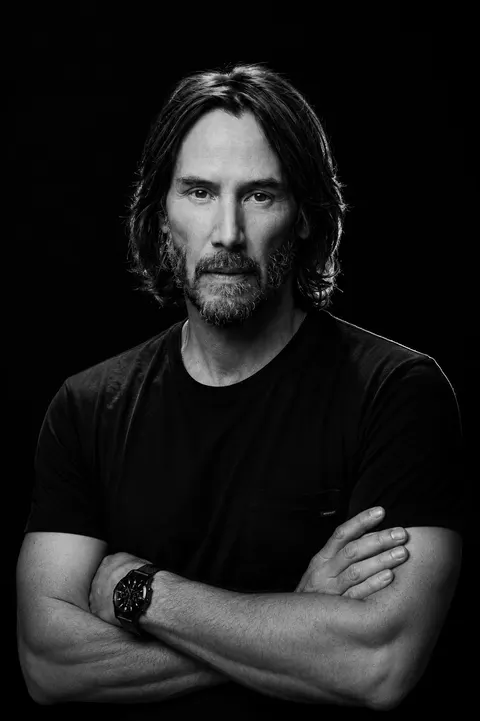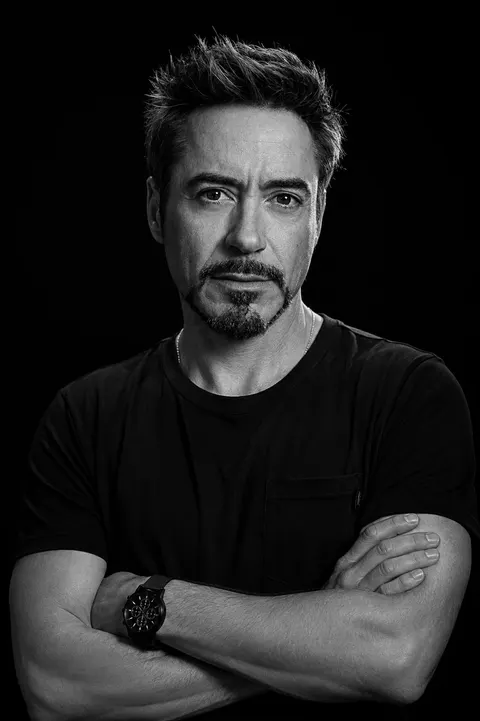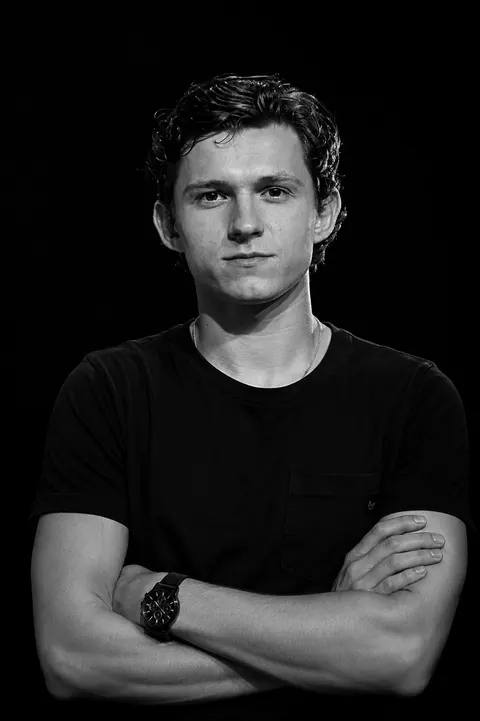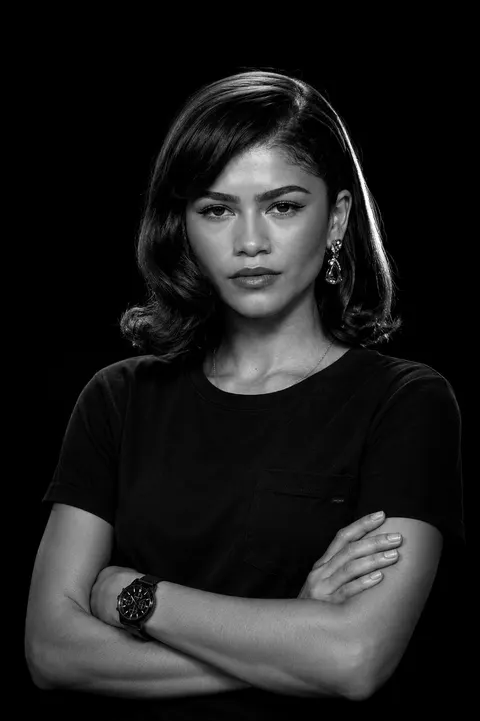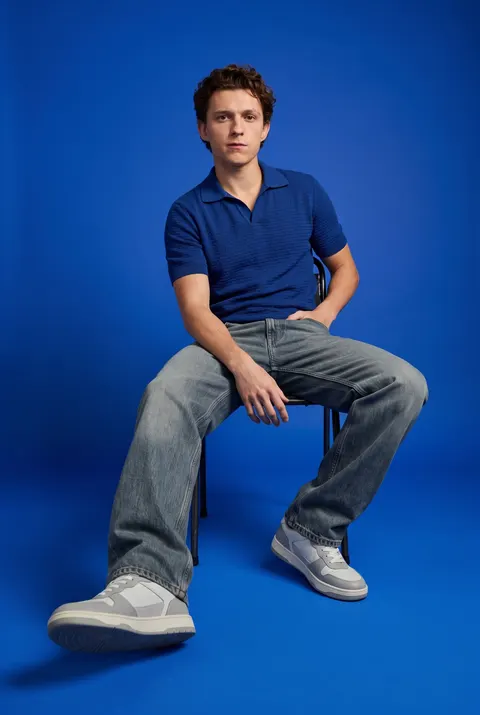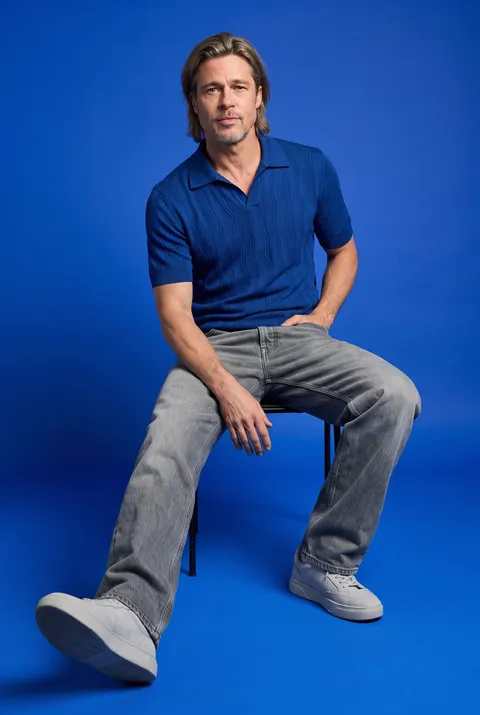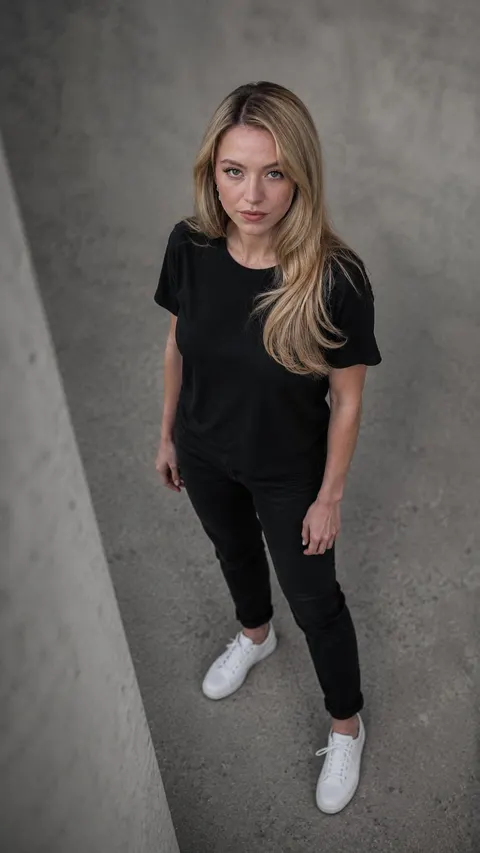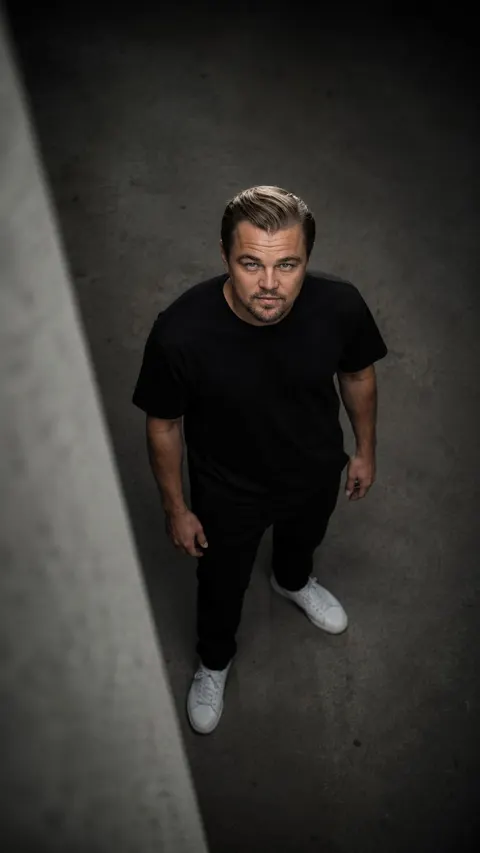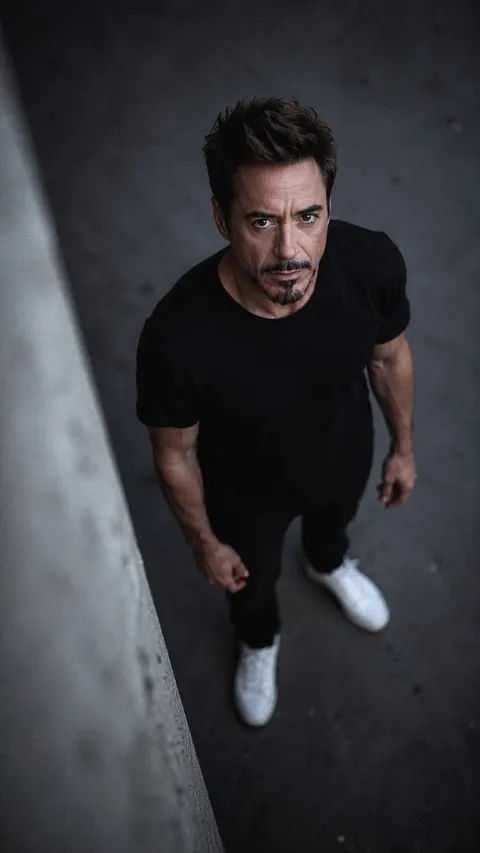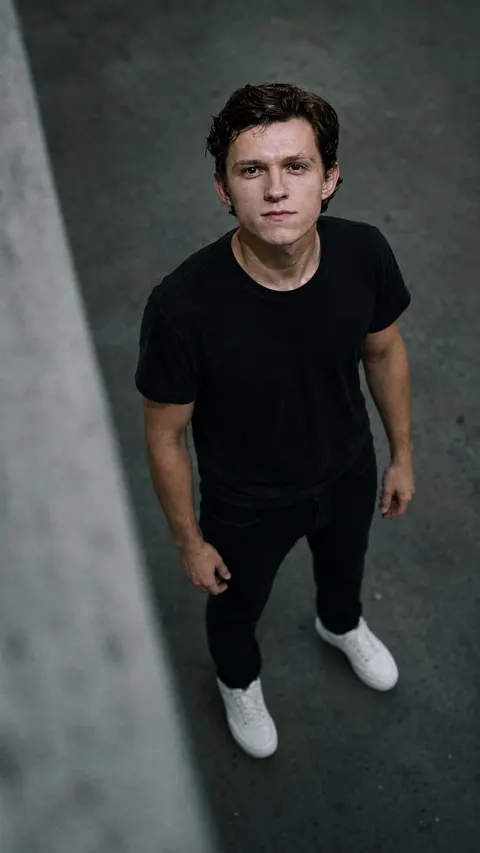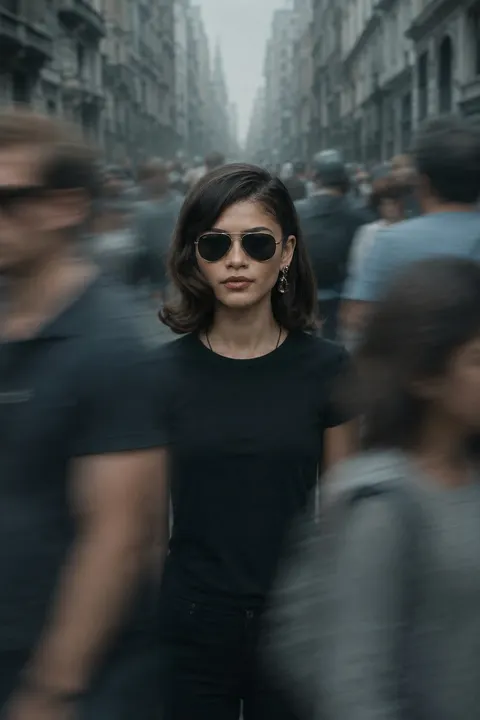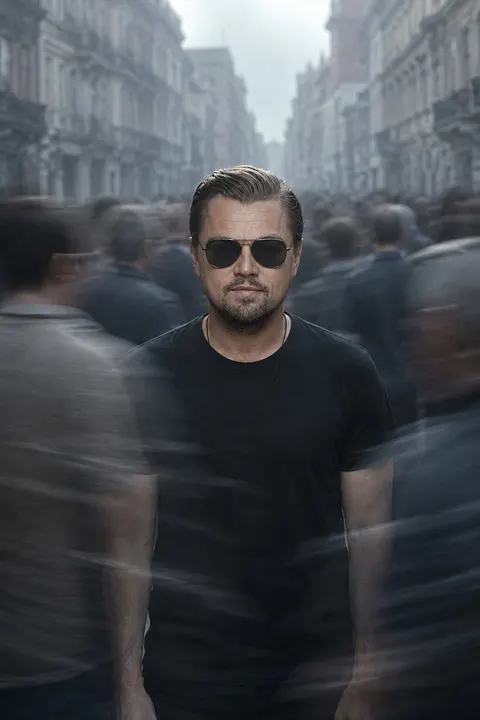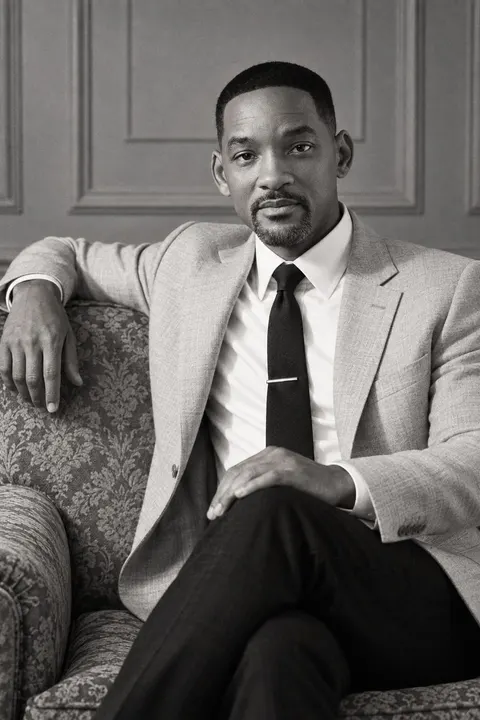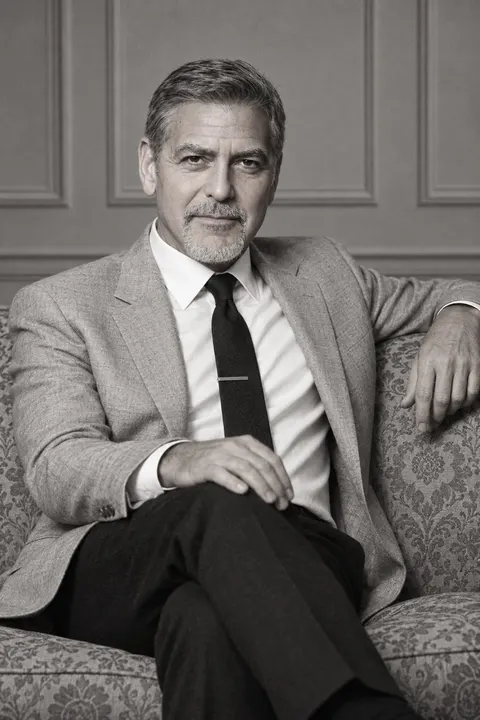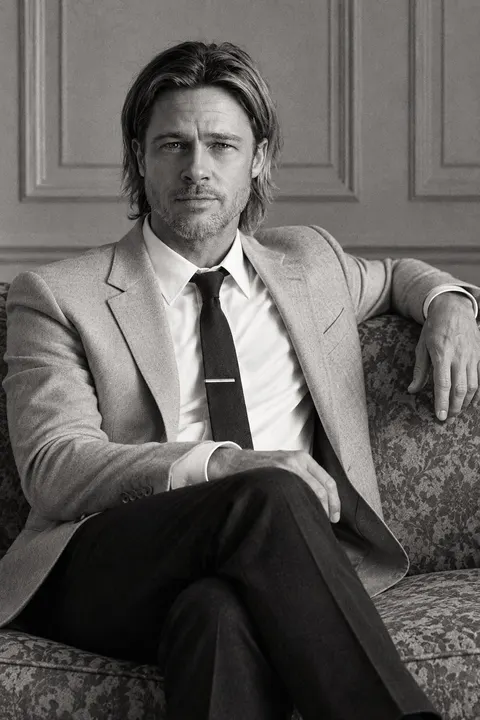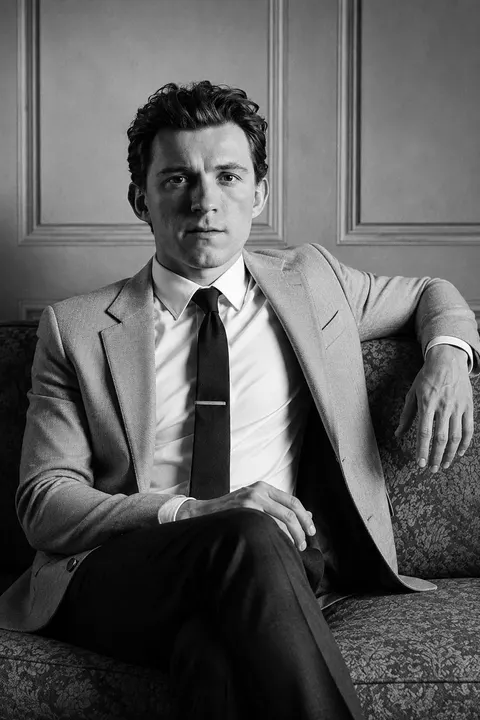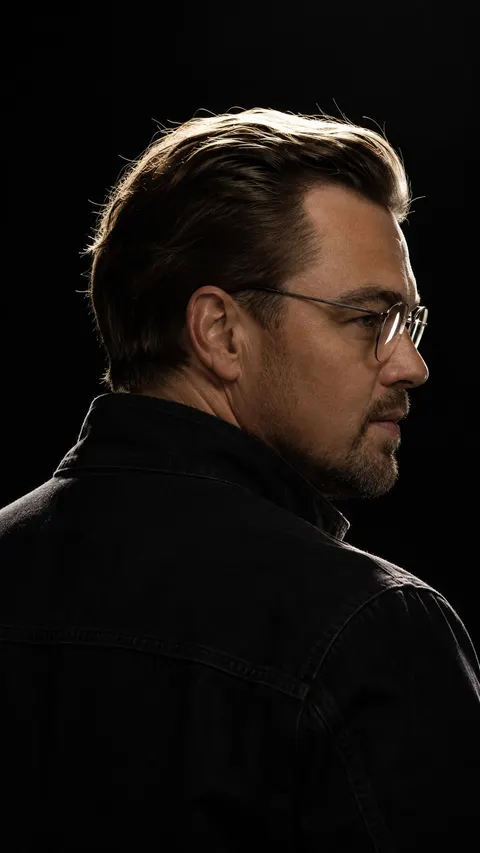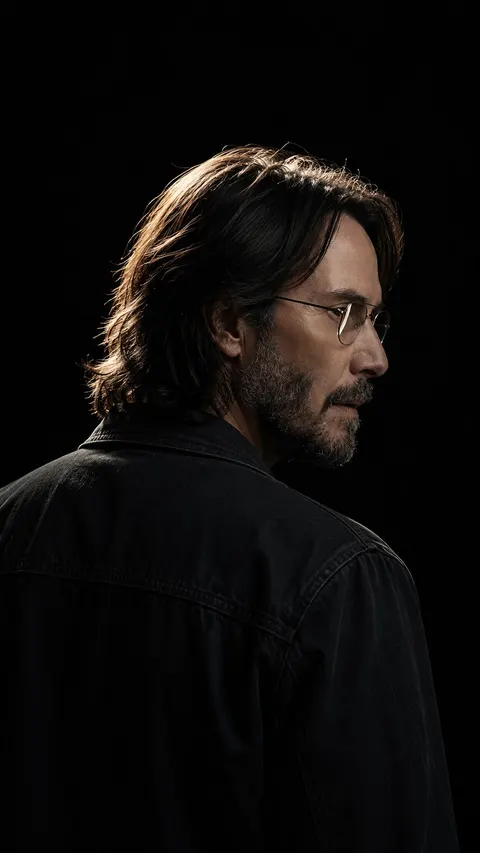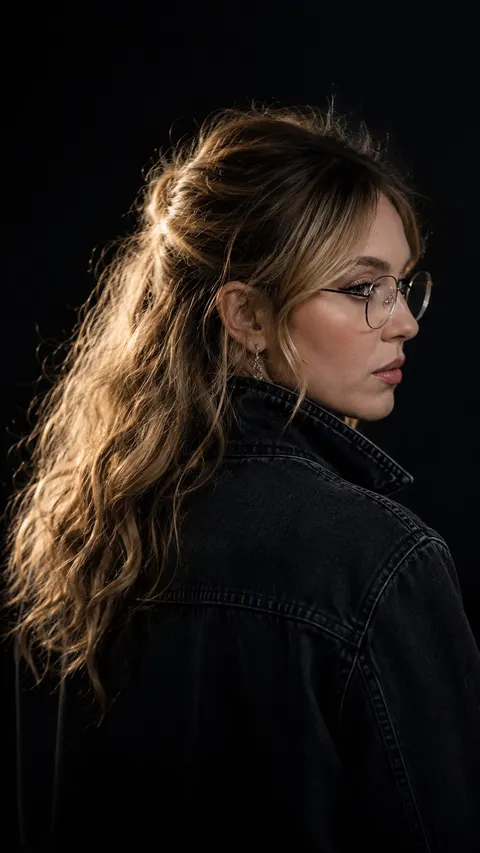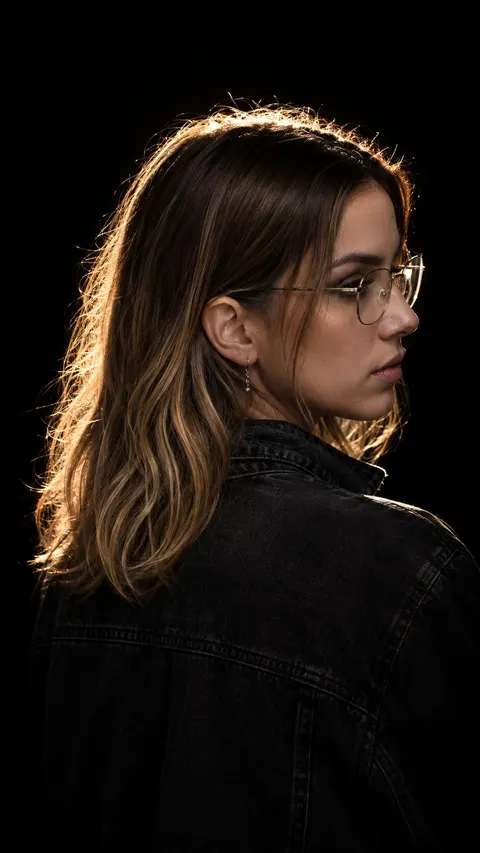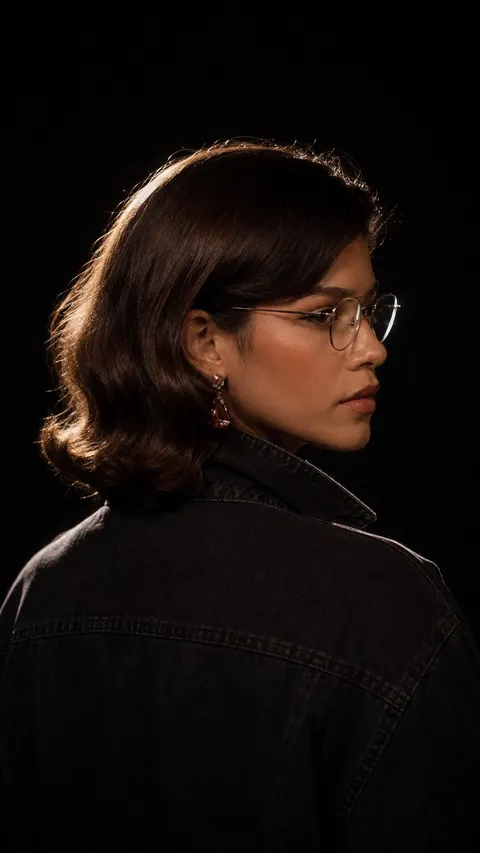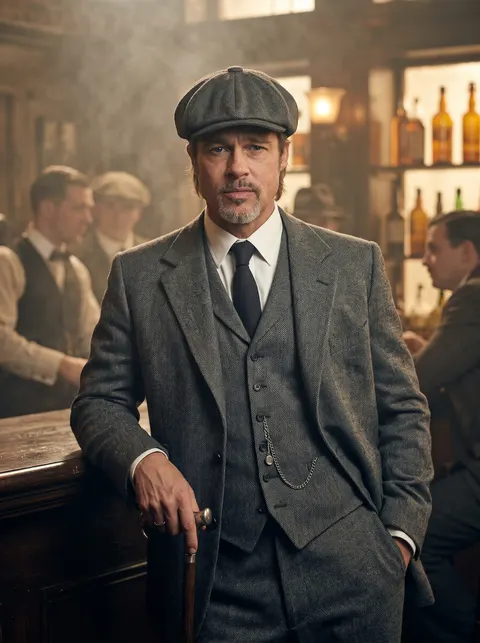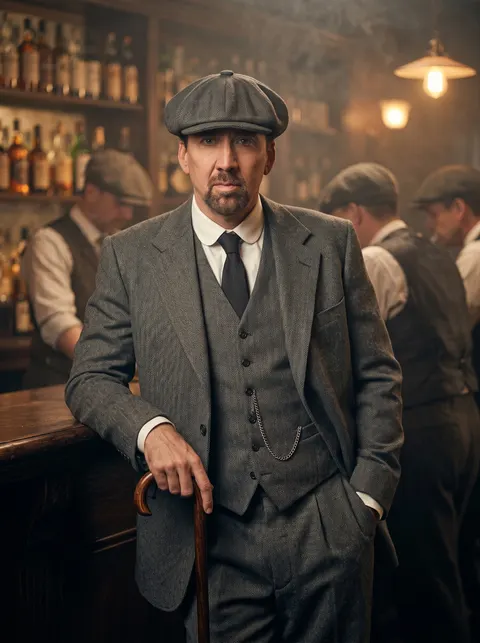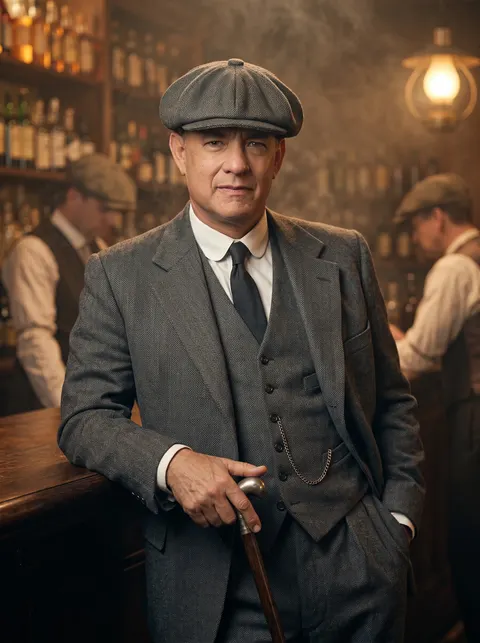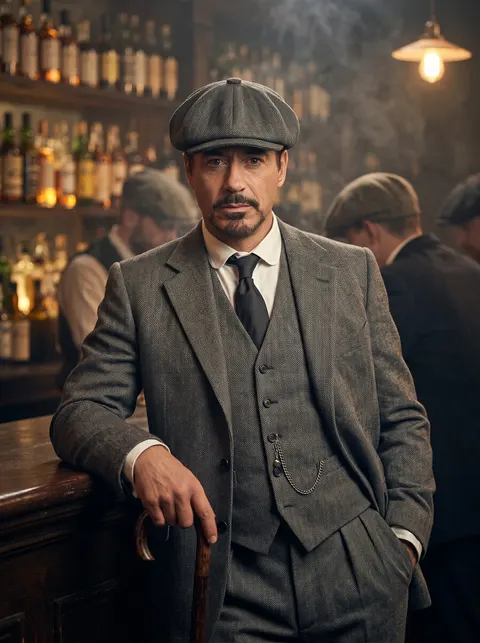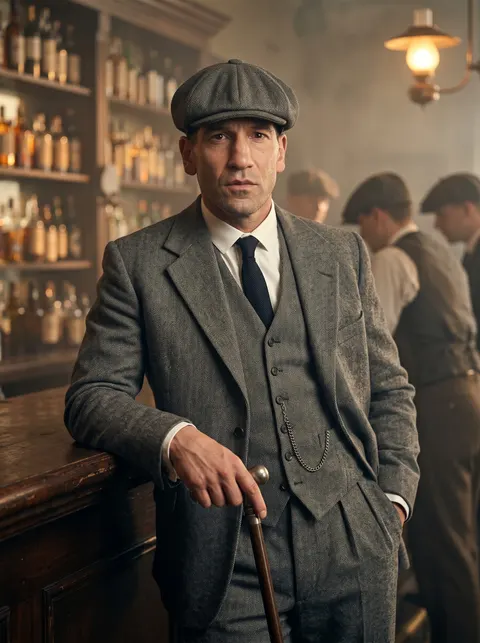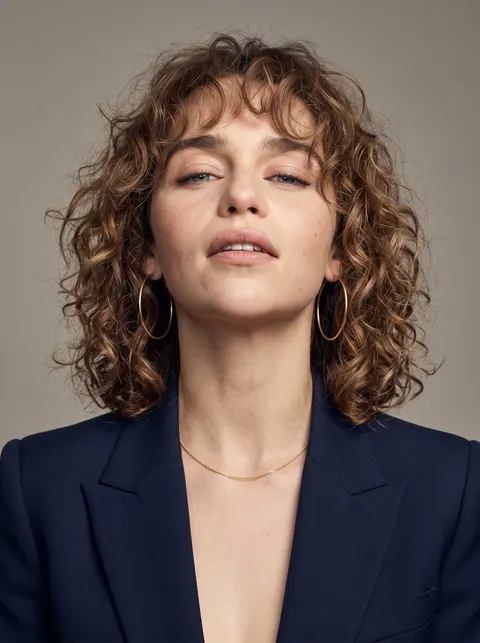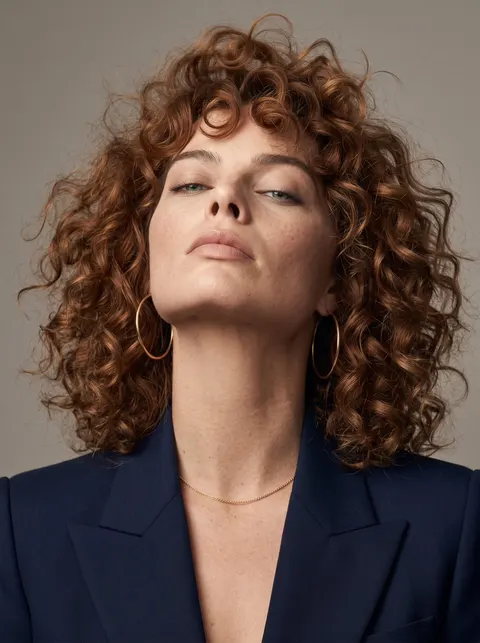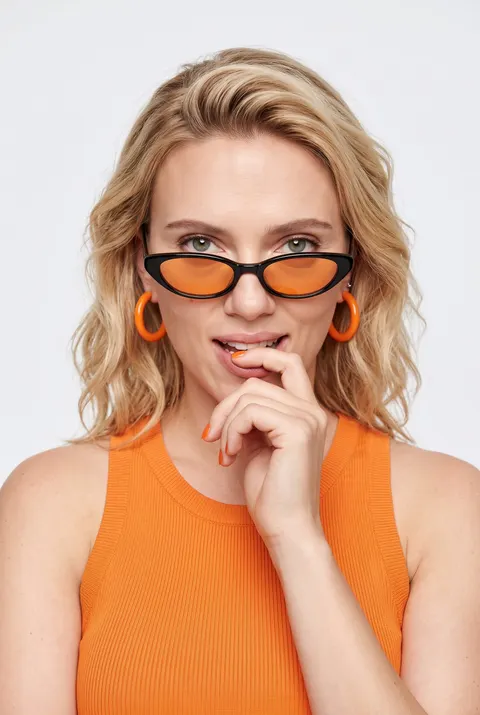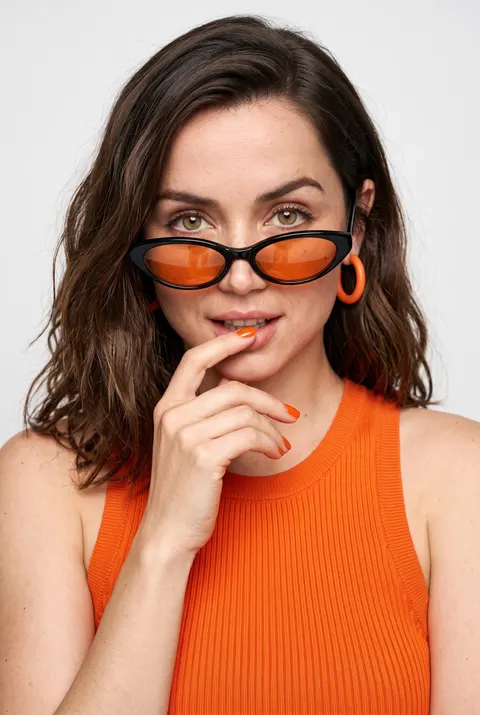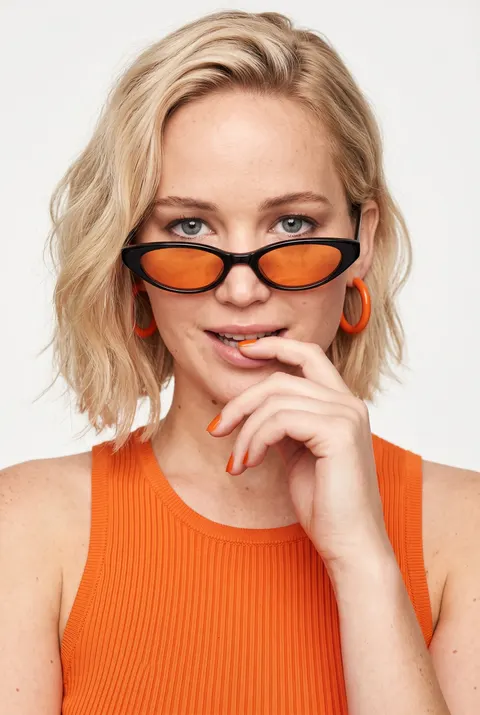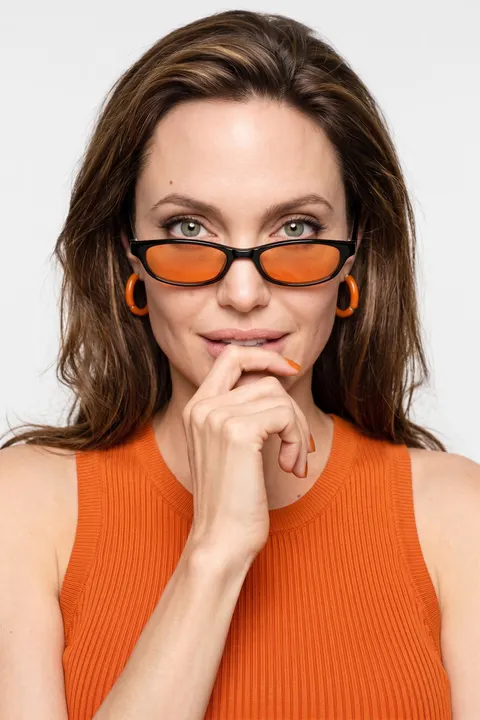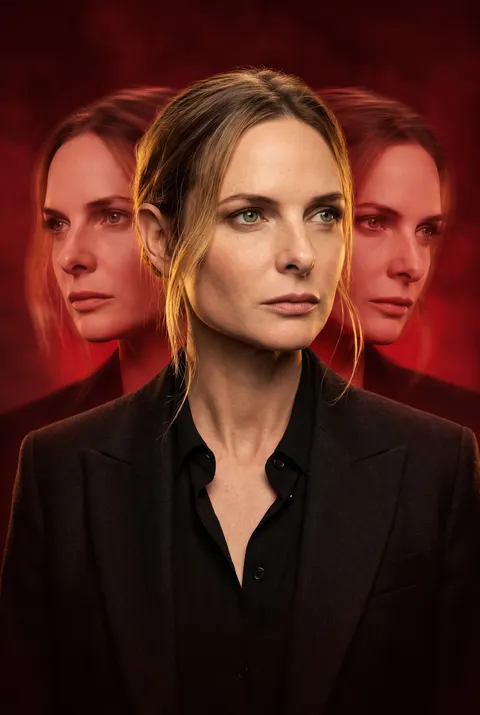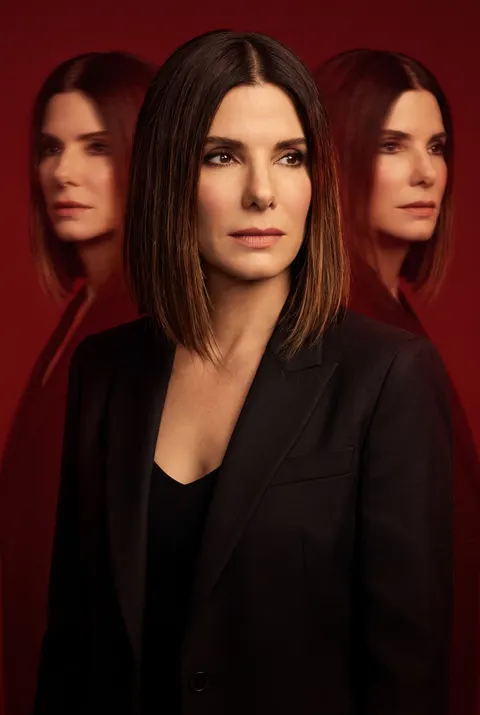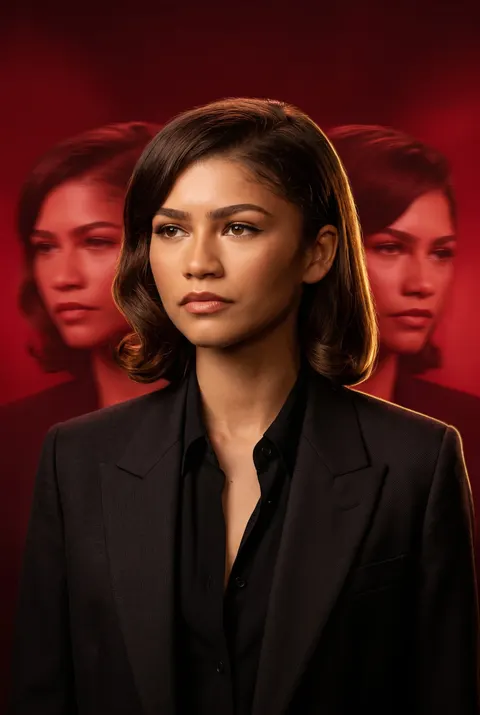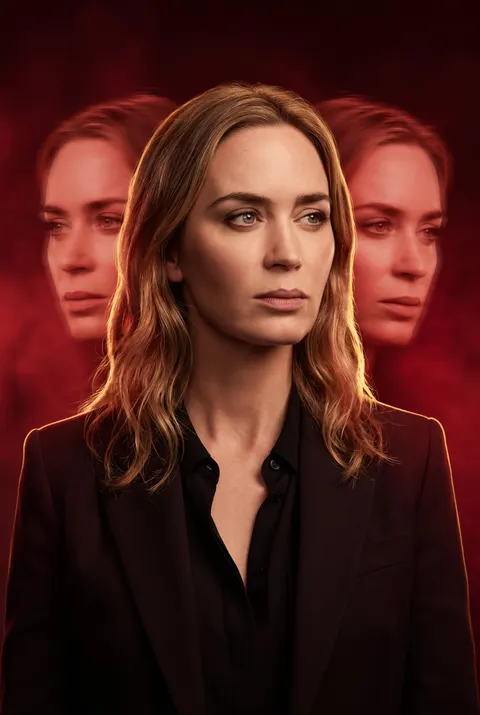
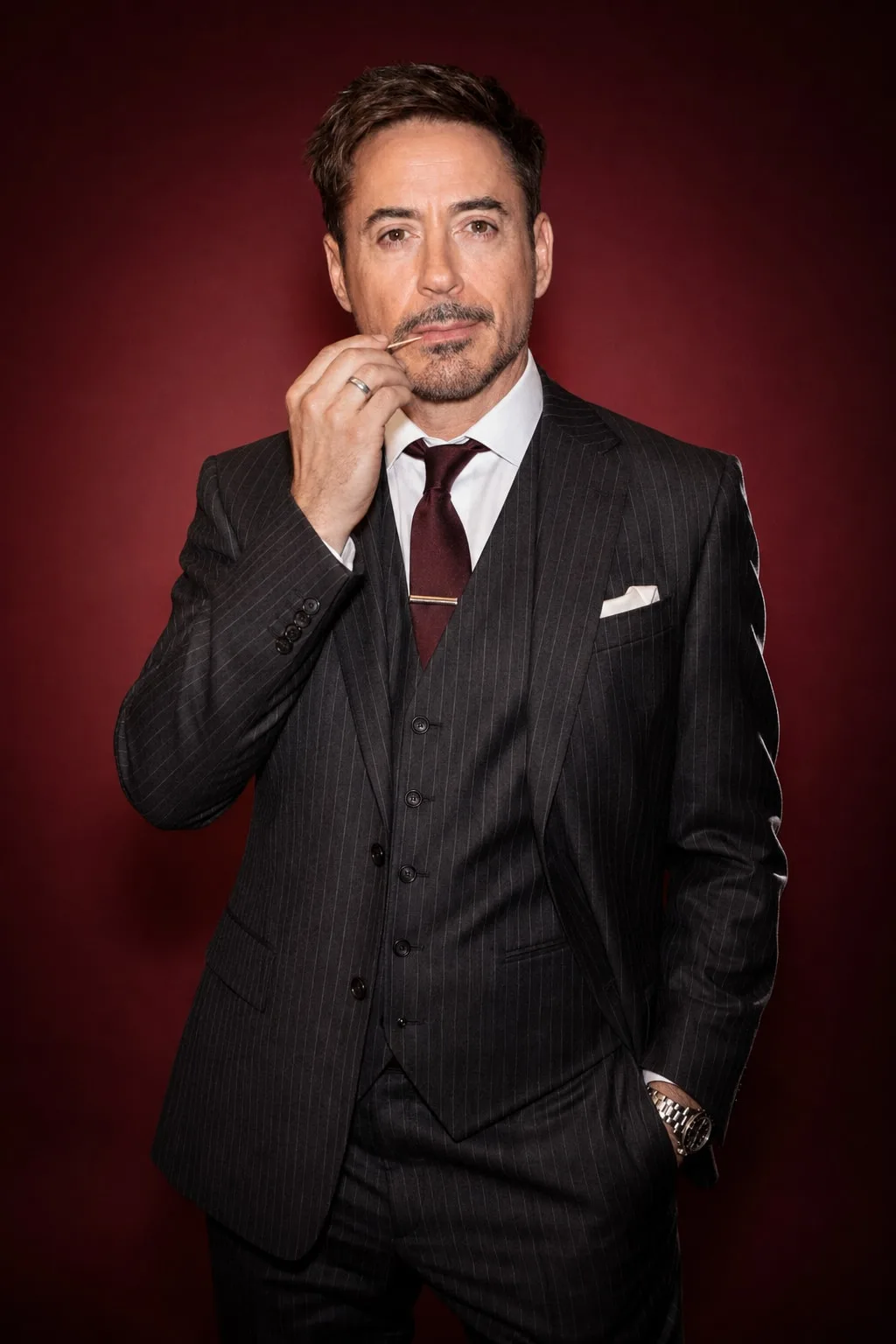
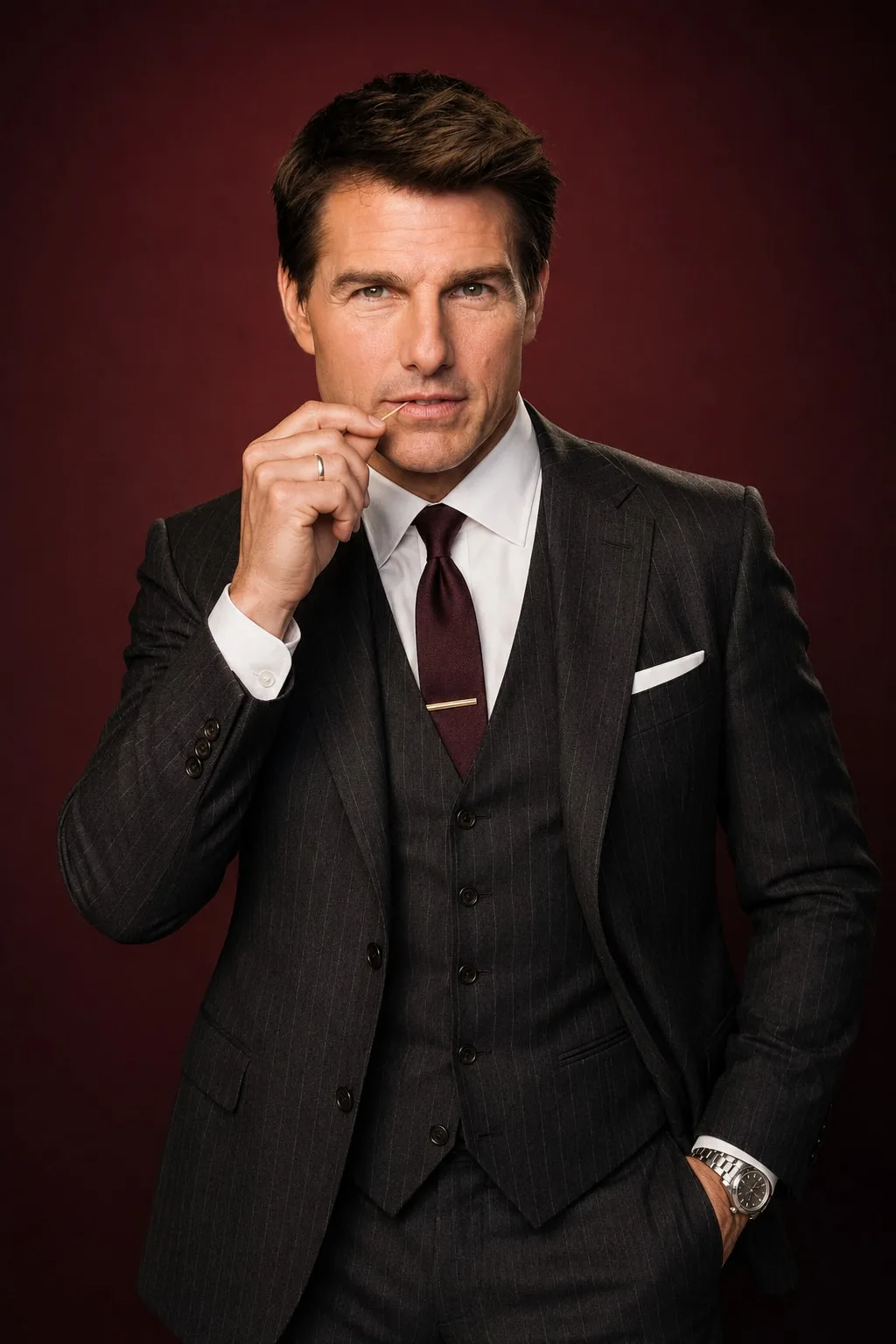
Pinstripe Three-Piece Suit Portrait
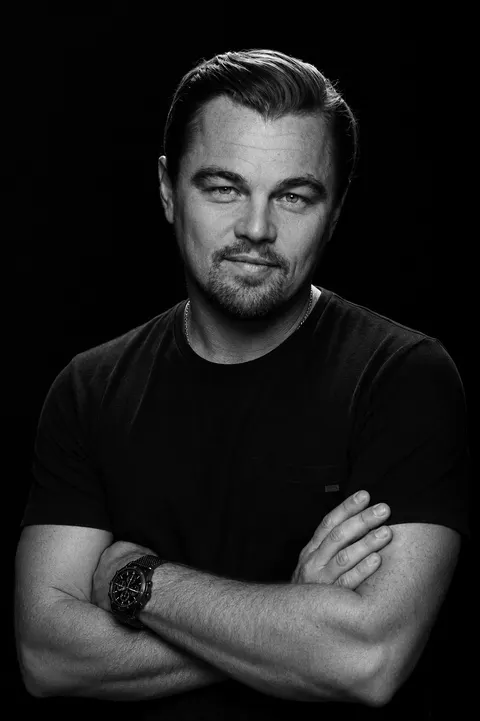
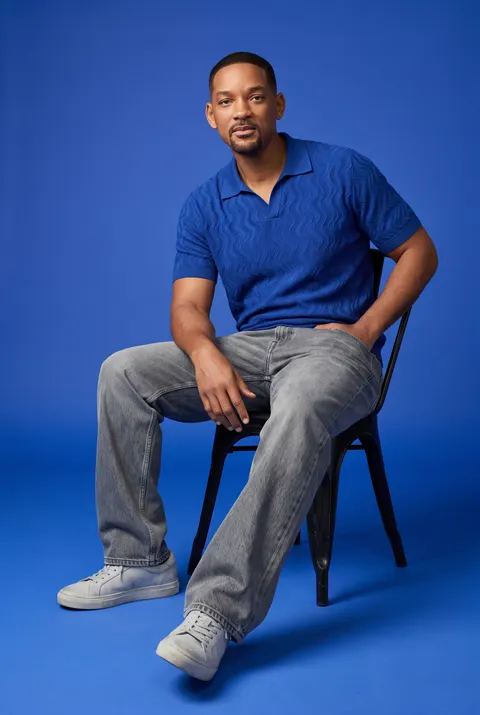
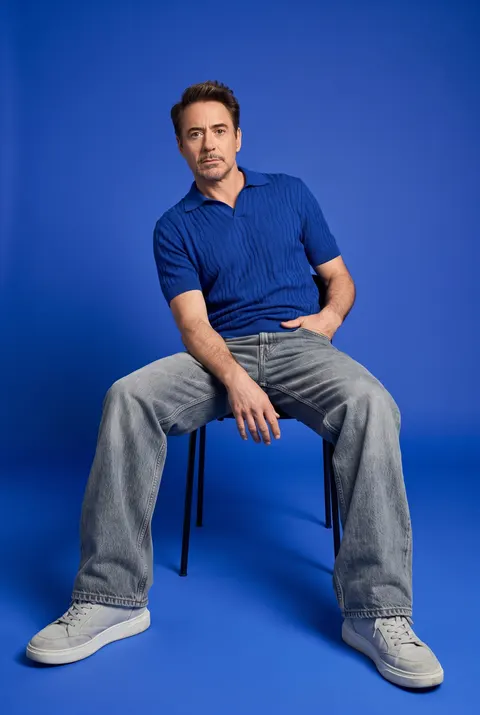
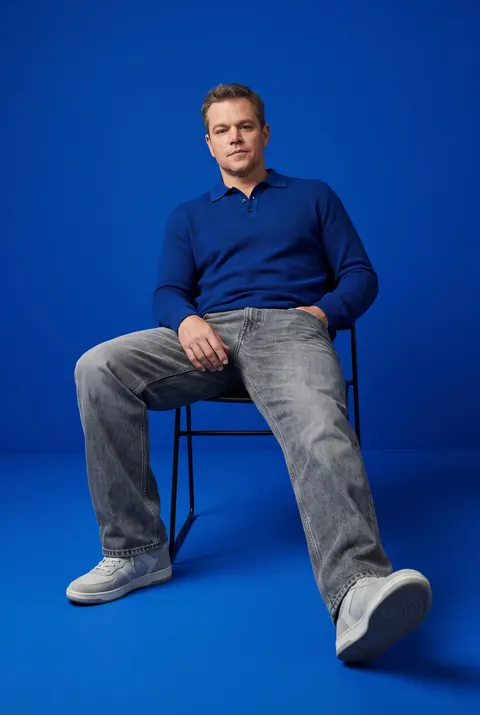
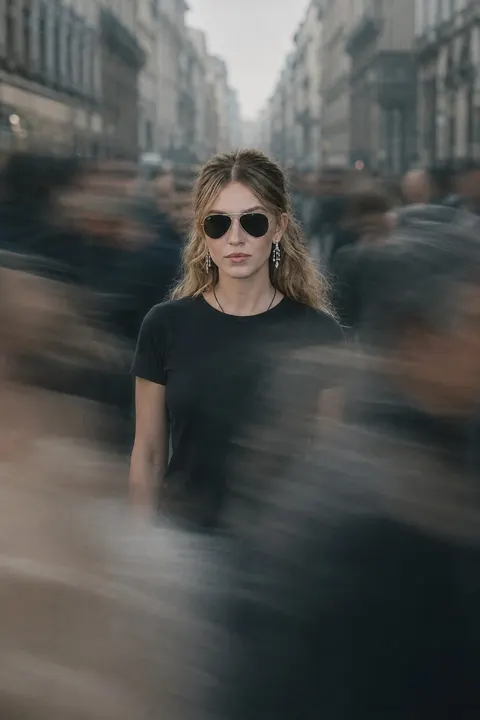
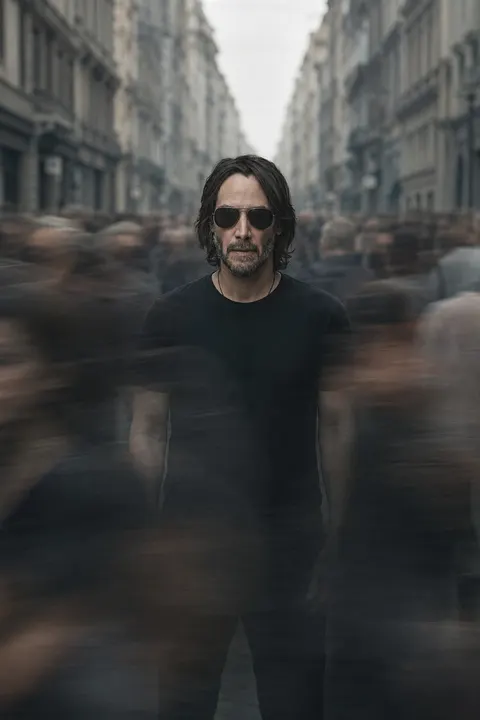
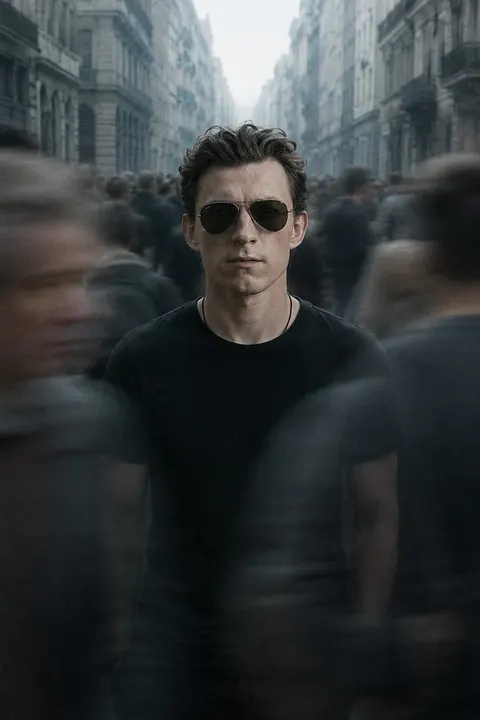
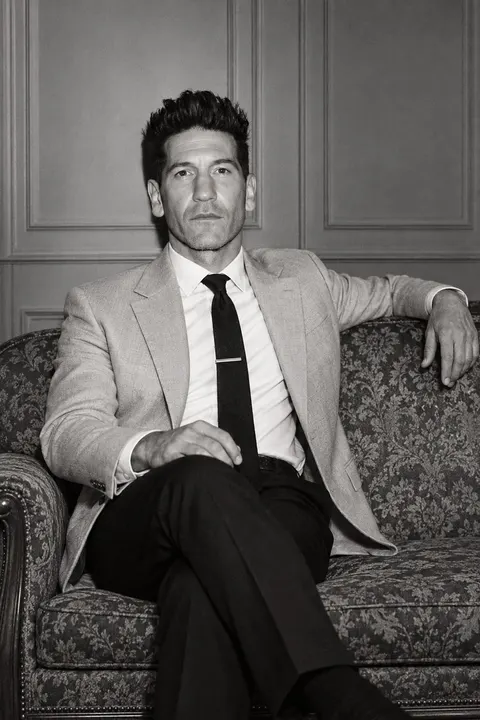
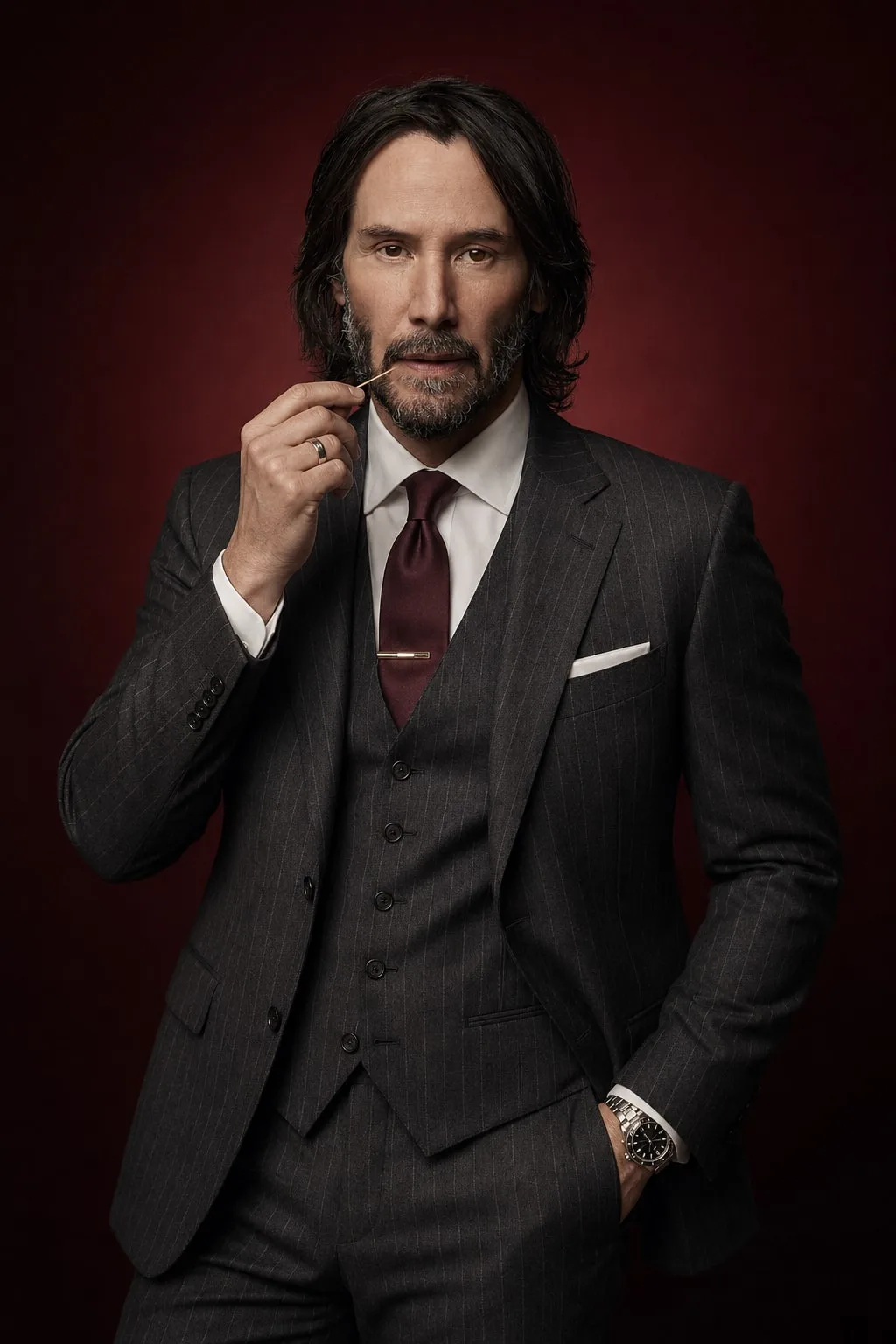
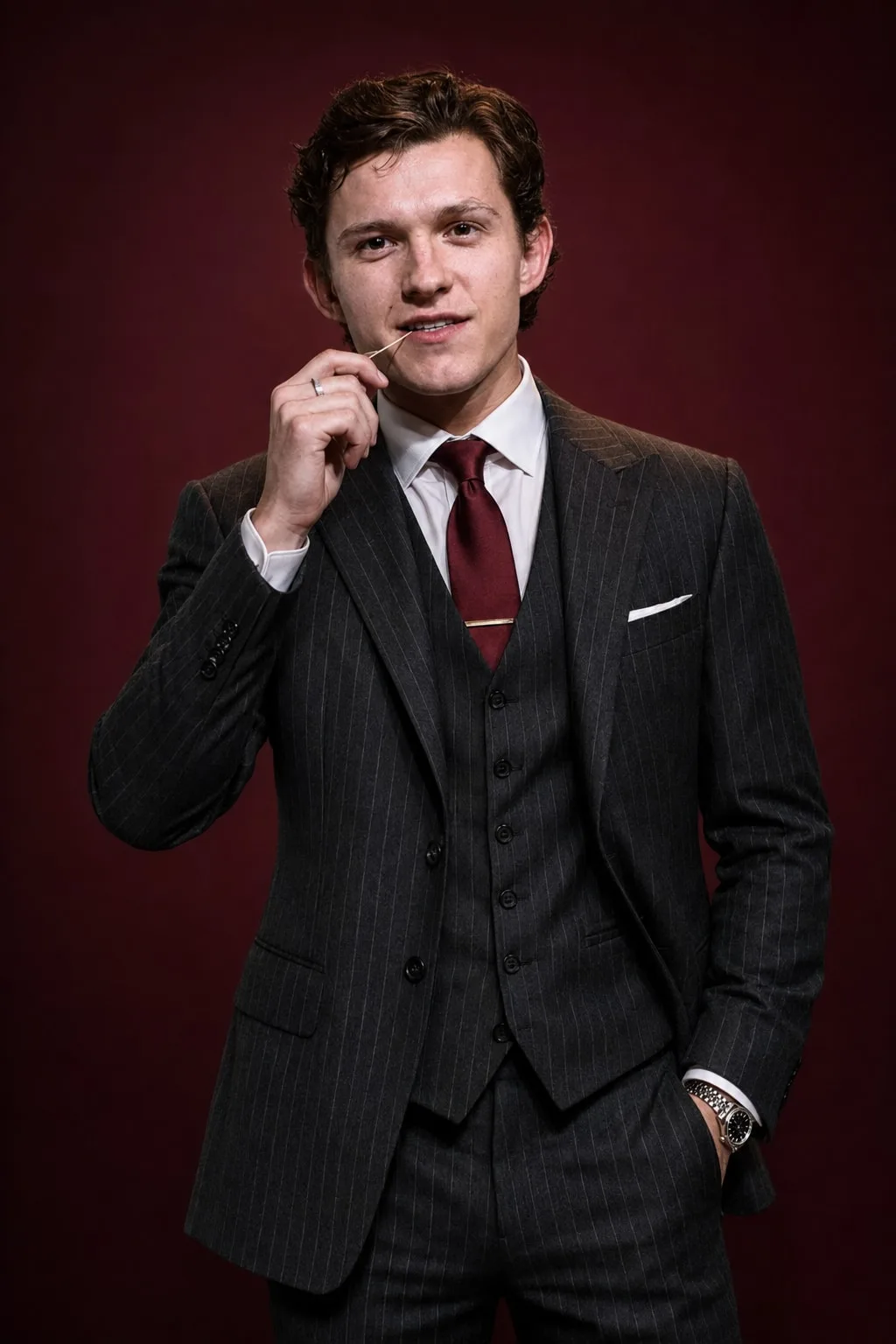
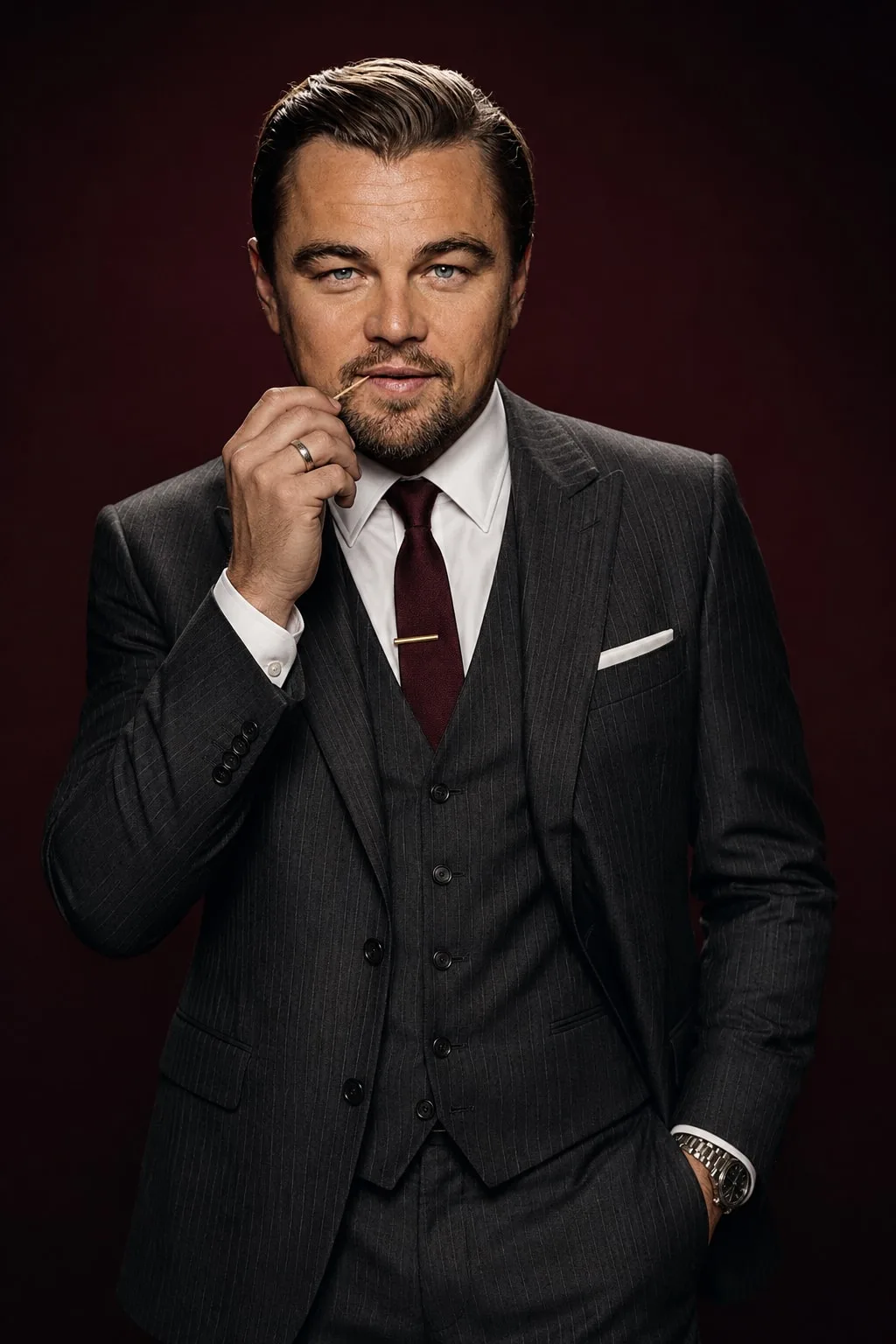
High-fashion editorial prompt: pinstripe three-piece suit, burgundy backdrop, toothpick pose. Examples: Keanu Reeves, DiCaprio, Tom Cruise, Tom Holland.
Prompt
# LOCKED MASTER PROMPT — PINSTRIPE THREE-PIECE ON BURGUNDY, TOOTHPICK POSE

## ROLE

You are a world-class high-fashion editorial portrait photographer working in a controlled studio with a three-light setup and a seamless gradient backdrop.

Create a premium, photorealistic luxury fashion portrait using the **ATTACHED REFERENCE IMAGE as the identity source**.

The defining idea of this image: **tailored menswear-cut formality worn with insolent ease** — a three-piece pinstripe suit, a burgundy tie, one hand in a pocket, the other raised to the lips holding a toothpick, a tired and knowing gaze into the lens. Modern crime-drama elegance, shot like a fashion campaign.

The output must look like a magazine editorial captured on a high-end full-frame camera — NOT like an AI-generated image, a 3D render, a costume-party photo, or a beauty-filtered headshot.

Aspect ratio: **2:3 vertical.**
Resolution target: **8K.**

---

# 1. IDENTITY LOCK — ABSOLUTE PRIORITY

Use the person from the **ATTACHED REFERENCE IMAGE**.
Preserve identity with maximum fidelity.
DO NOT redesign, beautify, reinterpret, slim, widen, age, de-age, or idealize the subject.

**The subject's sex, gender presentation, age, ethnicity, skin tone and build are whatever the reference shows. Nothing in this prompt overrides the reference on any of these. The wardrobe and pose below are a styling choice applied to whoever the reference shows — they do not imply, require or alter the subject's gender.**

Preserve exactly:

* Facial geometry and skull proportions
* Face shape and width-to-height ratio
* Forehead height and hairline shape
* Brow ridge projection
* Eyebrow shape, thickness, density and spacing
* Eye shape, size, spacing, eyelid structure, iris colour and under-eye character
* Nose bridge, tip and nostril structure
* Cheekbone height and projection
* Jawline definition and angle
* Chin shape and projection
* Lip shape, thickness and proportions
* Ear size, shape, position and attachment
* Natural facial asymmetry
* Skin tone and undertone
* Natural skin texture, pores, lines, blemishes and surface irregularity
* Neck thickness, shoulder width and overall build
* Hand size, finger proportions and knuckle structure
* Apparent age
* Any moles, scars or distinguishing marks

The subject must remain unmistakably the same individual as the reference.

### HAIR — CONDITIONAL
Preserve the reference hairstyle exactly: the same length, volume, hairline, texture, parting and any greying. Do NOT shorten, lengthen, restyle, slick, straighten or curl it.

### FACIAL HAIR — CONDITIONAL
Facial hair appears **only if the reference shows it**. If present, preserve its exact length, density, colour and cheek line. If absent, add none.

### EXPRESSION IS NOT IDENTITY
The gaze and lip position described in Section 6 are a performed expression. They must be produced by the reference person's own face — not by altering eye shape, lid structure, lip fullness or brow shape to manufacture the look.

**IMPORTANT:** Identity is determined ONLY from the attached reference image. Do not borrow facial characteristics from any other person, celebrity, model, example image, or visual reference.

---

# 2. CAMERA POSITION & ORIENTATION LOCK

### Camera
Eye level, within **5 degrees** above or below the subject's eye line.
The lens axis is horizontal.

### Subject orientation
* The head is near-frontal, rotated no more than **10 degrees** toward one side
* Lateral head tilt of approximately **3–6 degrees**, a faint lean that reads as ease
* The chin is level or lowered by a maximum of **4 degrees**
* The shoulders are rotated **10–20 degrees**, opening the waistcoat and lapels to a subtle diagonal

Do NOT use a low or high angle.
Do NOT tilt the camera (no dutch angle).
Do NOT produce a three-quarter or profile head position.
Do NOT square the body perfectly flat to the lens.
Do NOT introduce wide-angle distortion.

---

# 3. FRAMING LOCK — CRITICAL

Use a **waist-up portrait**.

Show:

* The whole head with the full hair silhouette
* Neck, shirt collar, tie knot and tie bar
* Both shoulders and the full jacket lapels
* The waistcoat, buttoned, with the tie disappearing behind it
* The jacket open, both fronts hanging
* The raised hand holding the toothpick near the lips
* The other arm descending to a hand in the trouser pocket, with the wrist and the watch visible just above the pocket
* The lower edge of the frame at approximately **hip / trouser-pocket level**

The head (top of hair to chin) occupies approximately **26–31% of the total frame height**.
The eye line sits approximately **24–28% down from the top of the frame**.
The chin sits at approximately **40–44%** down from the top.
The shoulders span approximately **55–65% of the frame width**.

### HEADROOM LOCK
Leave approximately **7–11% of the total frame height** as backdrop above the top of the hair.
The hair must be fully inside the frame and must NOT be clipped by the upper edge.

### CROP LOCK
Do NOT crop the top of the head.
Do NOT crop either shoulder or either elbow.
Do NOT crop the raised hand, the toothpick, the watch or the pocketed wrist.
Do NOT tighten into a head-and-shoulders or chest-up composition.
Do NOT extend below the hips into a three-quarter or full-body composition.

---

# 4. SUBJECT POSITION

Place the head at approximately **48–52% of frame width**, centred.
The subtle shoulder rotation and the asymmetric arms give the body a gentle diagonal, but the head stays on the centre line.
Backdrop is visible on both sides and above.

Do NOT offset the head.

---

# 5. POSE & HAND LOCK — CRITICAL

### POSTURE
* Standing, weight settled slightly onto one hip, producing a relaxed contrapposto
* Spine easy, not rigid; shoulders down and open
* The overall read is **relaxed and dominant** — at ease, unhurried, in control

### RAISED HAND — TOOTHPICK
* One hand is raised toward the mouth, holding a **plain wooden toothpick** between the thumb and index finger
* The toothpick's tip rests lightly at or just touching the lips, at one corner of the mouth; it may sit between the lips at that corner
* The hand is relaxed: the remaining fingers curl loosely, the wrist is soft, the elbow is bent and held close to the body
* The hand does not cover the mouth, the chin or any part of the face beyond the point of contact at the lip
* A **silver ring** sits on the **index finger** of this hand — plain band, brushed or polished, no stone

### POCKETED HAND
* The other hand is in the **trouser pocket** on its own side, thumb hooked outside or inside — the hand itself is concealed
* The wrist, and the **luxury metal watch** on it, are visible just above the pocket edge
* The arm hangs naturally, elbow slightly out

Do NOT swap the toothpick for a cigarette, cigar, match, pen or anything else.
Do NOT hold the toothpick with the whole hand, a fist or two fingers pointing.
Do NOT let the hand cover the mouth, chin or cheek.
Do NOT raise the pocketed hand or bring it into view.
Do NOT place both hands in pockets or both hands raised.
Do NOT cross the arms, fold the arms or put a hand on the hip.
Do NOT produce a stiff, symmetrical, military posture.

---

# 6. GAZE & EXPRESSION

The subject looks **directly into the lens**.

Expression:

* **Tired and knowing** — heavy-lidded, unhurried, faintly amused without smiling
* The gaze holds the viewer without effort; it is not a stare
* Upper eyelids relaxed and slightly lowered
* Brow relaxed, level
* Lips **very slightly parted**, at rest, with the toothpick at one corner — an opening of no more than a few millimetres, no teeth visible
* Jaw relaxed

Do NOT smile or show teeth.
Do NOT open the mouth wide.
Do NOT produce a hard glare, a scowl or a smoulder.
Do NOT produce a warm, friendly or approachable expression.
Do NOT produce a blank, vacant or bored look.
Do NOT direct the gaze away from the lens.
Do NOT alter the reference person's eye or lip anatomy to produce the expression.

---

# 7. WARDROBE & ACCESSORY LOCK — CRITICAL

Every garment is **tailored to the reference person's body** — the cut follows the build the reference shows.

### Suit — jacket
A **charcoal-grey pinstripe three-piece suit**, jacket worn open.

* Deep charcoal ground, approximately **#2A2B2E to #34363A** under the key, falling darker in shadow
* **Fine chalk or pin stripes** in a pale grey-white, spaced approximately **1.5–2 cm** apart, running vertically and following the body's contour
* Notch or peak lapels of moderate width with a clean, sharp roll
* Structured shoulders, clean line, no wrinkling
* A **white pocket square** in the breast pocket, folded flat or in a low straight fold, showing approximately **1–1.5 cm**

### Suit — waistcoat
* Matching charcoal pinstripe, buttoned, sitting flat with no gaps or pulling
* The tie disappears behind it below the sternum

### Suit — trousers
* Matching charcoal pinstripe, visible only at the top, with the pocket the hand rests in

### Shirt
A **white spread-collar dress shirt**.

* Clean white with faint cotton texture
* Spread collar, pressed, sitting symmetrically under the lapels with no gap at the neck
* Cuff visible at the raised wrist

### Tie and tie bar
A **deep burgundy tie** with a **gold tie bar**.

* Burgundy approximately **#5C1A24 to #6E202C** — deep, wine-dark, not red, not maroon-brown
* Plain silk or a very fine, near-invisible texture; no pattern
* A neat symmetrical knot with a small dimple, snug against the collar
* A slim **gold tie bar**, plain, positioned approximately one-third of the way down the visible tie, just above the waistcoat line

### Watch
A **luxury metal watch** on the pocketed wrist.

* Steel or two-tone metal bracelet, round case, dark or silver dial
* No visible brand name, logo or text
* Catching a small specular highlight from the key

### Ring
A **plain silver band** on the index finger of the raised hand. No stone, no engraving.

Do NOT use a black, navy, blue, brown or light-grey suit.
Do NOT use a plain, checked, herringbone or wide-stripe suit.
Do NOT omit the waistcoat or the pocket square.
Do NOT button or close the jacket.
Do NOT use a coloured, patterned or striped shirt.
Do NOT use a red, maroon-brown, patterned or knitted tie.
Do NOT omit the tie bar, or use a silver, black or novelty one.
Do NOT render a smartwatch, a leather strap or a visible brand on the watch.
Do NOT add a second ring, a bracelet, a chain, earrings, glasses or any accessory not listed here or in the identity reference.
Do NOT add a hat, scarf, gloves or coat.

---

# 8. BACKGROUND LOCK — CRITICAL

A **deep burgundy seamless gradient backdrop** with a smooth matte surface.

* Colour family: deep wine-burgundy, in the same family as the tie but **darker and less saturated** than the tie so the two do not compete
* Gradient: **lightest behind and around the head**, approximately **#5A1C28**, falling smoothly to near-black burgundy, approximately **#1E0A10**, at the corners and lower edges
* The gradient is soft, circular-to-oval, and centred slightly above the head — it reads as backdrop falloff, not as a visible spotlight
* Surface: perfectly smooth, matte, seamless — no texture, no weave, no mottling, no brush marks
* Softly out of focus

NO objects, furniture, props or set elements.
NO hard-edged spotlight, halo or glow behind the head.
NO texture, pattern, wall, curtain or architecture.
NO visible studio equipment.
NO text, typography, logos, watermarks, borders or graphic elements.
NO second figure or shadow of a figure.

---

# 9. LIGHTING LOCK — CRITICAL

A **three-light studio setup**: soft frontal key, subtle fill, gentle rim.

### KEY
A large soft source — a **1.5 m octabox or a beauty dish with diffusion** — positioned **near-frontal**, approximately **15–25 degrees** to one side of the lens axis and **25–35 degrees above** eye level, angled down.

It produces:

* A broad, even, flattering wrap across the whole face with gentle modelling
* A soft, shallow shadow beneath the brow, beneath the nose, under the lower lip and under the jaw
* Clean, smooth gradation across the cheeks with no hard edges
* One soft catchlight in each eye, high and slightly to the key side
* A soft sheen on the forehead and nose bridge

### FILL
A large, weak fill from the opposite side at a key-to-fill ratio of approximately **2.5:1 to 3:1**.
Shadows are open, soft and fully detailed.

### RIM
A gentle rim from behind on the far side, approximately **1.5–2 stops below key**, tracing a fine edge along the far shoulder, the far side of the hair and the far jaw — separating the charcoal suit from the burgundy backdrop.

Do NOT use a hard, small-source key with sharp shadow edges.
Do NOT push the key to the side into split or chiaroscuro lighting.
Do NOT flatten the face with a ring light or an on-axis source.
Do NOT crush the shadow side.
Do NOT let the rim become a bright neon edge or a halo.
Do NOT add a visible spotlight on the backdrop.

---

# 10. LIGHTING DIRECTION LOCK

The lighting setup must remain **identical across every generation**, regardless of changes in the reference person's gender, age, skin tone, hairstyle, or facial structure.

The identity changes.
The **lighting does NOT change.**
Key side, key angle, key height, source size, fill ratio, rim position and rim strength stay fixed.
Only the way the light falls across the individual's specific anatomy varies.

---

# 11. EXPOSURE & TONAL BALANCE LOCK

A **rich, warm, mid-key image** with deep but open shadows.

Approximate distribution of the frame:

* Burgundy backdrop, mid-dark to near-black: **35–45%**
* Charcoal suit, waistcoat and trousers, dark tones with visible stripes: **25–35%**
* Face, neck and hands, correctly exposed in the mid-tones: **12–18%**
* White shirt, collar, cuff and pocket square, bright but not clipped: **4–7%**
* Tie, tie bar, watch and ring, small accents: **2–4%**

Behavior:

* The face is correctly exposed with a full, smooth tonal range and no clipped highlights
* The white shirt and pocket square are the brightest elements, held just below clipping
* The suit's pale stripes remain visible against the charcoal in the lit areas and fade in shadow
* The burgundy backdrop sits below the face in value everywhere
* The tie sits slightly brighter and more saturated than the backdrop behind it

Do NOT overexpose the face, the shirt or the pocket square.
Do NOT crush the suit into a black silhouette or lose the stripes.
Do NOT lift the backdrop until it competes with the face.
Do NOT flatten into an evenly lit, low-contrast result.

---

# 12. CAMERA LOOK

High-fashion studio portraiture on a full-frame system.

Focal length: **85mm**.
Aperture: **f/2.0 to f/2.8** — shallow, with the face inside the plane of focus.

Focus:

* Critical focus on the **eyes**
* Both eyes, brows, nose, lips, skin texture, hairline and facial hair fully sharp
* The raised hand and toothpick, close to the face, sharp
* The pocketed wrist and watch, further from the focal plane, slightly softer but legible
* The far shoulder and the far lapel marginally softer
* The backdrop softly out of focus, its gradient dissolved into smooth atmosphere

Do NOT stop down so far that the backdrop becomes crisp.
Do NOT open so wide that one eye softens.
Do NOT render visible bokeh shapes.
Do NOT introduce lens flare, chromatic aberration or a heavy applied vignette.

---

# 13. IMAGE QUALITY

Photorealistic at 8K.
Ultra-detailed natural skin with clearly visible pores across the forehead, nose and cheeks.
Fine facial texture including natural lines, subtle surface irregularity and a realistic, restrained sheen.
Individually resolvable hair strands, with the hairline and any greying rendered accurately.
Facial hair, where the reference shows it, as discrete individual hairs with visible skin beneath.
Hand skin with knuckle creases, tendon ridges and natural nail structure.
Crisp fabric rendering: suit weave and stripes where lit, shirt cotton, tie silk sheen, pocket-square fold.
Metal rendering: watch bracelet links, tie bar edge and ring band with correct specular behaviour.
Wood grain on the toothpick at close inspection.
Physically believable soft shadow falloff.
Natural highlight roll-off on skin, shirt and metal.
Fine, organic film grain at very low intensity.

No plastic, waxy or airbrushed skin.
No skin smoothing or blemish removal.
No excessive sharpening or edge halos.
No artificial HDR tone-mapped appearance.
No beauty-filter effect.
No CGI, 3D-render or video-game surface quality.

---

# 14. COLOUR GRADING

A **warm cinematic editorial grade** built on burgundy, charcoal and skin.

Palette:

* Backdrop: deep wine-burgundy, desaturated toward the corners
* Suit: neutral-to-cool charcoal with pale stripes
* Shirt and pocket square: clean warm-neutral white
* Tie: deep saturated burgundy, the strongest colour in the frame
* Gold tie bar: a small warm metallic note
* Watch and ring: cool metallic notes
* Skin: natural and accurate to the reference, with a faint warmth in the highlights

Tonal structure:

* Moderate saturation — the burgundy is rich, everything else is quiet
* Contrast is moderate, with deep clean blacks and a soft, warm highlight shoulder
* A faint warm cast in the highlights, a neutral-to-faintly-cool cast in the shadows

Do NOT push the skin toward orange, red, tan or magenta.
Do NOT let the burgundy backdrop tint the skin, the shirt or the suit.
Do NOT shift the burgundy toward red, pink, purple or brown.
Do NOT desaturate the tie until it merges with the backdrop.
Do NOT apply a heavy teal-orange, split-tone or filmic look.
Do NOT lift the blacks into a faded or matte look.
Do NOT allow banding in the backdrop gradient.

---

# 15. VISUAL HIERARCHY

**Eyes → Lips and the toothpick → Face → Tie knot, tie bar and collar → Raised hand and ring → Lapels, waistcoat and stripes → Watch at the pocket → Burgundy backdrop**

The face is the subject.
The toothpick and the raised hand are the gesture that gives the portrait its attitude.
The tailoring is the frame; the burgundy is the atmosphere.

---

# 16. NON-NEGOTIABLE RULES

These must NEVER change between generations:

1. Identity, sex, gender presentation, age, skin tone and build from the reference; wardrobe and pose applied to whoever the reference shows.
2. Hair and facial hair from the reference; facial hair only if present.
3. Expression produced by the reference person's own face, never by altered anatomy.
4. Camera at eye level, within 5 degrees.
5. Head near-frontal within 10 degrees, tilted 3–6 degrees; shoulders rotated 10–20 degrees.
6. Direct, heavy-lidded, knowing gaze into the lens.
7. Lips very slightly parted, no teeth, no smile.
8. Waist-up framing, crop at hip / pocket level.
9. Head 26–31% of frame height; eye line at 24–28% from the top.
10. 7–11% headroom; head centred at 48–52% of frame width.
11. One hand raised, toothpick between thumb and index finger, tip at one corner of the lips.
12. Silver band on the index finger of the raised hand.
13. Other hand in the trouser pocket; wrist and metal watch visible above it.
14. Relaxed contrapposto, dominant but at ease.
15. Charcoal pinstripe three-piece suit — jacket open, waistcoat buttoned.
16. White spread-collar shirt, cuff visible at the raised wrist.
17. Deep burgundy plain tie with a gold tie bar.
18. White pocket square, low flat fold.
19. Deep burgundy smooth matte gradient backdrop, lightest behind the head.
20. Backdrop darker and less saturated than the tie.
21. Near-frontal large soft key at 15–25 degrees off axis, 25–35 degrees above eye level.
22. Key-to-fill 2.5:1 to 3:1; open shadows.
23. Gentle rim 1.5–2 stops below key on the far side.
24. 85mm at f/2.0–f/2.8, both eyes sharp.
25. Visible pores, hair strands, fabric weave and stripes, metal specular.
26. Warm cinematic grade with no colour cast on skin.
27. No text, logos, watermarks, props, second figures or extra accessories.
28. 2:3 vertical aspect ratio at 8K.

---

# 17. REFERENCE PRIORITY SYSTEM

### PRIORITY 1 — IDENTITY
Face, hair, facial hair, skin tone, build, sex, gender presentation, age and natural likeness from the reference.

### PRIORITY 2 — POSE AND EXPRESSION
The toothpick gesture, the pocketed hand, the contrapposto and the heavy-lidded direct gaze.

### PRIORITY 3 — WARDROBE
The charcoal pinstripe three-piece, white shirt, burgundy tie, gold bar, pocket square, watch and ring — tailored to the reference build.

### PRIORITY 4 — LIGHTING
The near-frontal soft key, open fill and gentle rim.

### PRIORITY 5 — COMPOSITION AND BACKGROUND
The centred waist-up framing and the burgundy gradient backdrop.

### PRIORITY 6 — GRADE AND CAMERA
The warm editorial grade and the 85mm shallow-focus look.

If the reference image conflicts with any of these instructions, **preserve identity, anatomy, hair, facial hair, build and natural likeness from the reference, and preserve pose, expression, wardrobe, lighting, composition, background, grade and camera specification from this prompt.**

---

# 18. NEGATIVE CONSTRAINTS

### Identity errors
Do NOT generate:

* A change in the subject's sex, gender presentation, age, ethnicity, skin tone or build from the reference
* A generic or default face, body or gender implied by the wardrobe rather than taken from the reference
* A restyled, slicked, shortened or lengthened hairstyle
* Added or removed facial hair
* Altered eye shape, lid structure, lip fullness or brow shape to manufacture the expression
* An aged, de-aged, beautified, slimmed, widened or idealized face
* A body build not matching the reference

### Pose and hand errors
Do NOT generate:

* A cigarette, cigar, match, pen or any object other than a plain wooden toothpick
* The toothpick held in a fist, with the whole hand, or with pointing fingers
* The hand covering the mouth, chin or cheek
* The pocketed hand raised, visible or out of the pocket
* Both hands raised or both hands pocketed
* Crossed arms, folded arms or a hand on the hip
* A stiff, symmetrical or military posture
* A ring on any finger other than the index finger of the raised hand
* The watch on the raised wrist
* Extra, missing, fused or bent-backward fingers
* A hand scaled wrongly relative to the face

### Expression errors
Do NOT generate:

* A smile or visible teeth
* A wide-open mouth
* A hard glare, scowl or smoulder
* A warm, friendly or approachable expression
* A blank, vacant or bored look
* A gaze away from the lens
* Wide-open eyes with raised upper lids

### Wardrobe errors
Do NOT generate:

* A black, navy, blue, brown or light-grey suit
* A plain, checked, herringbone or wide-stripe suit
* A missing waistcoat or pocket square
* A buttoned or closed jacket
* A coloured, patterned or striped shirt
* A red, maroon-brown, patterned or knitted tie
* A missing, silver, black or novelty tie bar
* A smartwatch, leather strap or branded watch
* A second ring, a bracelet, a chain, earrings or glasses not in the reference
* A hat, scarf, gloves or coat
* Ill-fitting, wrinkled or creased tailoring
* Garments cut for a body other than the reference's

### Composition and camera errors
Do NOT generate:

* A low, high, dutch or tilted angle
* A three-quarter or profile head position
* A perfectly flat, squared body
* A head-and-shoulders, chest-up, three-quarter or full-body crop
* A cropped head, shoulder, elbow, hand, toothpick or watch
* An off-centre head
* Wide-angle distortion
* One eye out of focus
* A crisp backdrop from stopping down
* Visible bokeh shapes
* Lens flare, chromatic aberration or a heavy vignette

### Background errors
Do NOT generate:

* A red, pink, purple, brown, black or grey backdrop
* A textured, mottled, patterned or brush-marked backdrop
* A hard spotlight, halo or glow behind the head
* A backdrop brighter or more saturated than the tie
* Objects, furniture, props, walls, curtains or architecture
* Visible studio equipment
* Text, logos, watermarks, borders or frames
* A second figure or a figure's shadow

### Lighting, exposure and grade errors
Do NOT generate:

* A hard, small-source key with sharp shadows
* Split, chiaroscuro or dramatic side lighting
* Ring-light or on-axis flat illumination
* Crushed shadows
* A neon rim edge or halo
* An overexposed face, shirt or pocket square
* A suit crushed to black with lost stripes
* An evenly lit, low-contrast result
* Orange, red, tan or magenta skin
* Burgundy tinting the skin, shirt or suit
* Burgundy shifted toward red, pink, purple or brown
* A desaturated tie merging with the backdrop
* A heavy teal-orange, split-tone or filmic look
* Lifted, faded or matte blacks
* Banding in the backdrop gradient

### Rendering errors
Do NOT generate:

* Plastic, waxy or airbrushed skin
* Beauty-filter smoothing or blemish removal
* Facial hair as a flat mask; grey hair as a tint
* Asymmetrical or misaligned eyes caused by generation error
* Mismatched, missing or duplicated catchlights
* Deformed ears; distorted teeth
* Melted or discontinuous hair
* Metal without specular behaviour
* A watch bracelet that does not wrap the wrist
* Over-sharpened edges or halos
* Artificial HDR appearance
* Heavy digital noise mistaken for film grain
* CGI, 3D render or video-game look
* Illustration, painting or stylized rendering

---

# FINAL INSTRUCTION

Create the image as if the **same photographer, same studio, same burgundy backdrop, same three-light setup, same camera, same 85mm lens, same charcoal pinstripe three-piece, white shirt, burgundy tie and gold bar, same toothpick-and-pocket pose, same framing and same warm editorial grade** photographed a completely different person — whoever the reference shows.

Only the **identity of the subject** should change.

The result must belong to a single, consistent fashion editorial series — not a set of unrelated AI generations.

**IDENTITY CHANGES. EVERYTHING ELSE STAYS LOCKED.**
Prompt copied — just paste it (Ctrl/Cmd+V) in the chat.