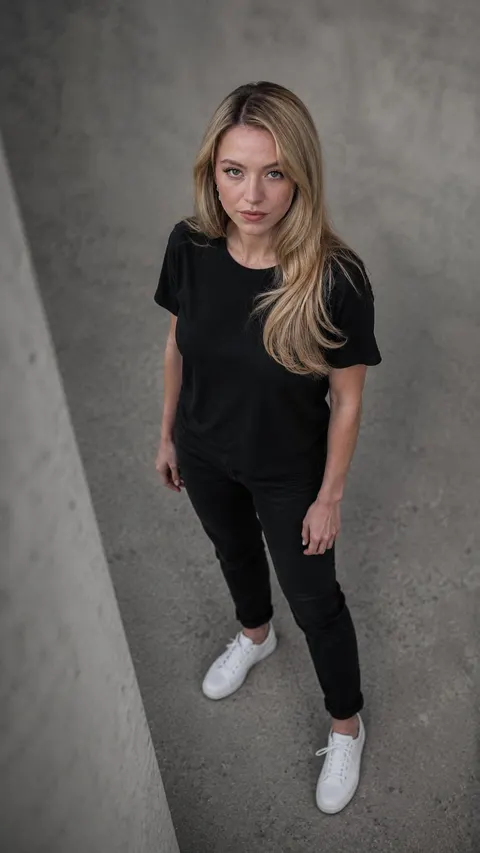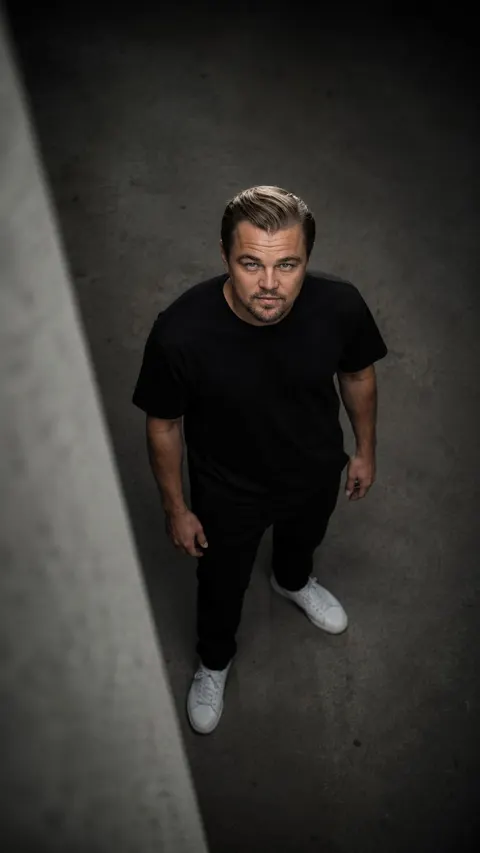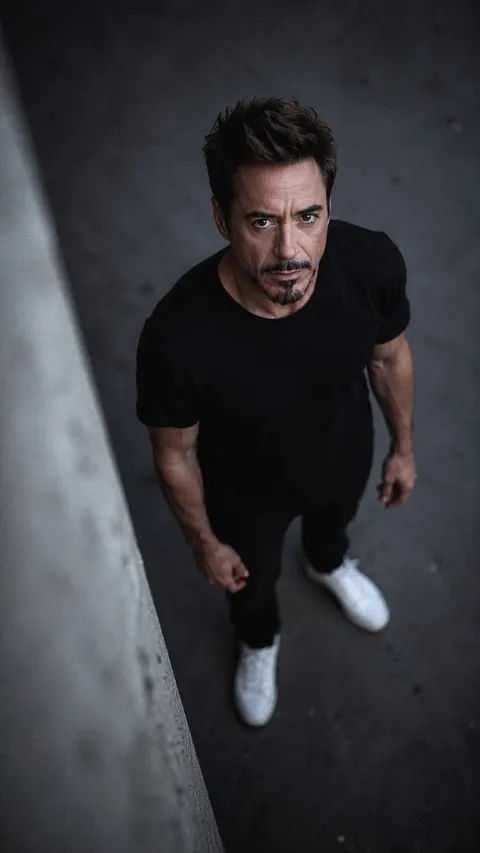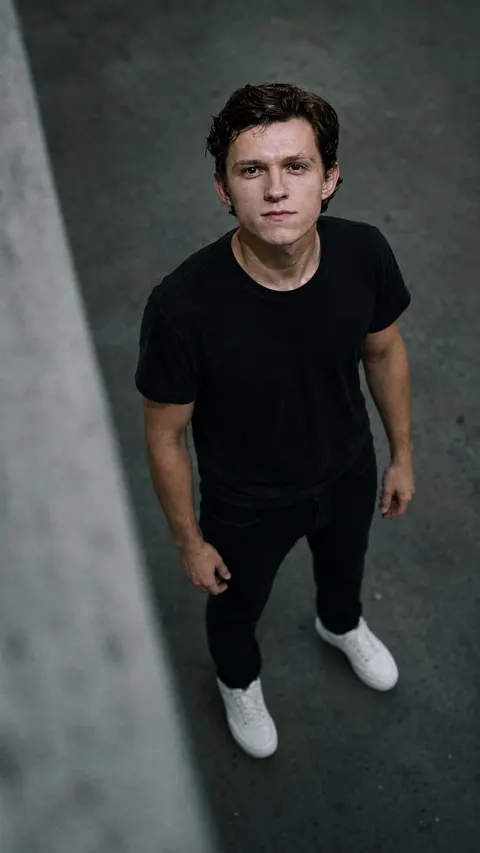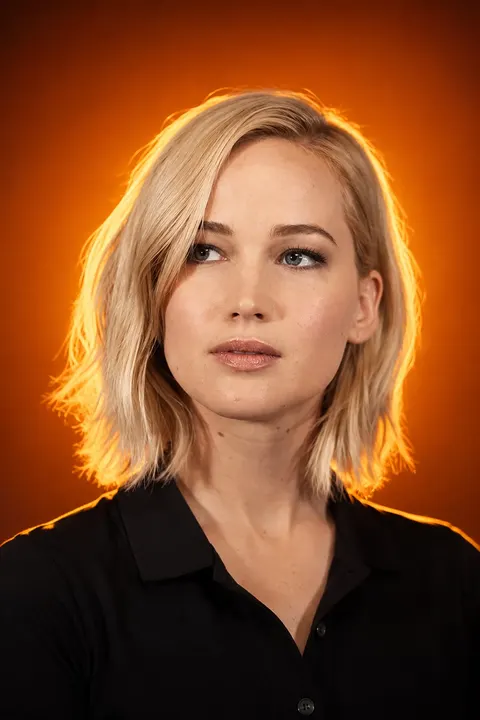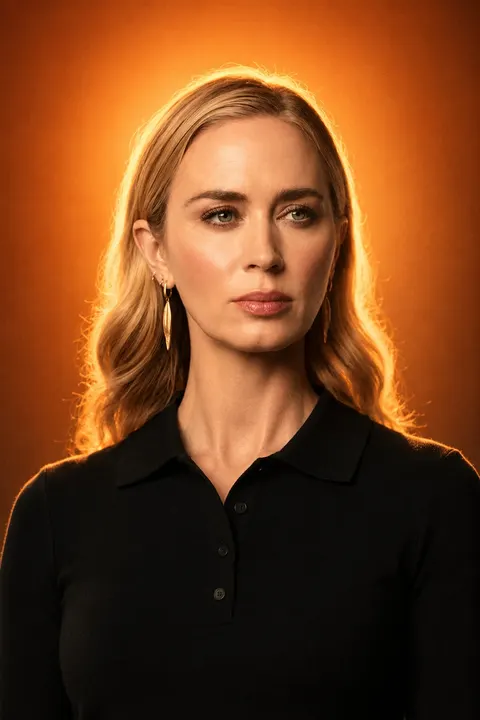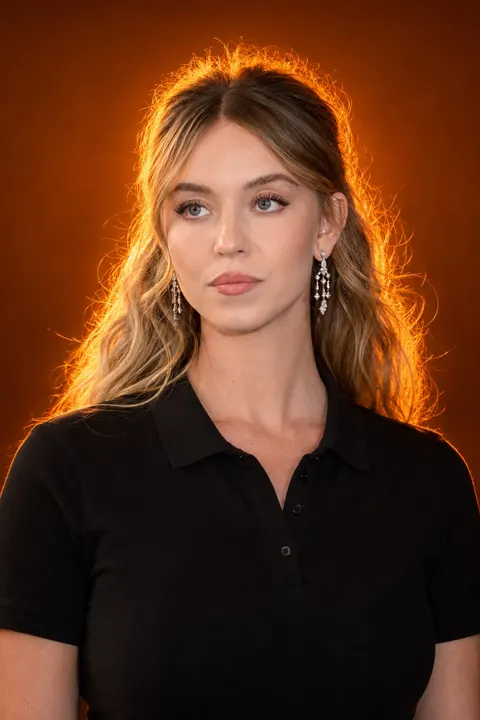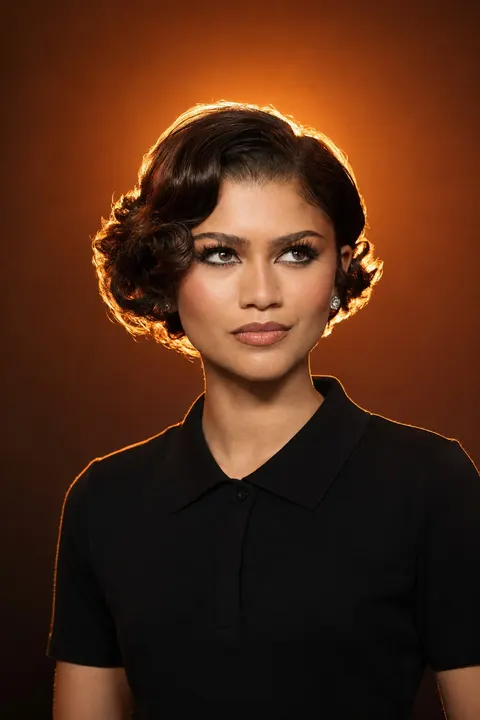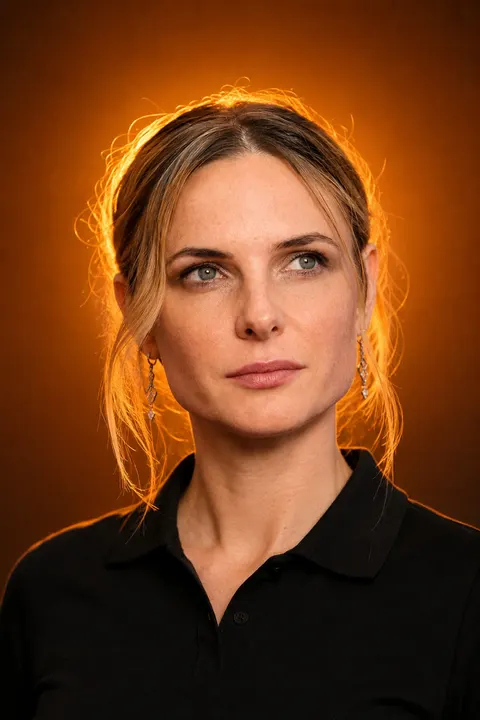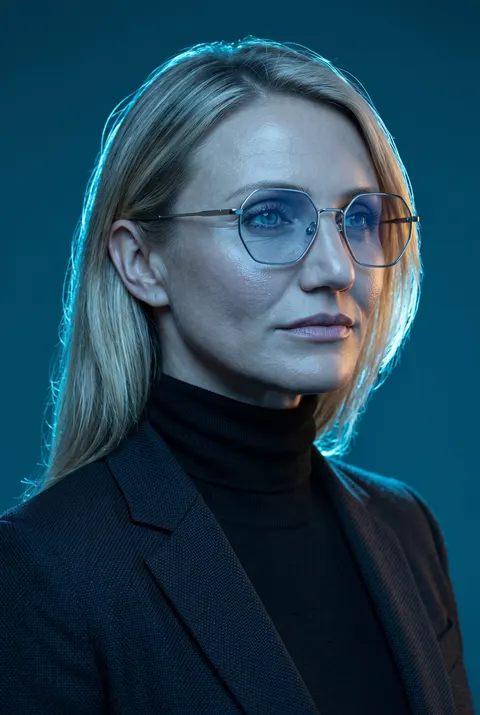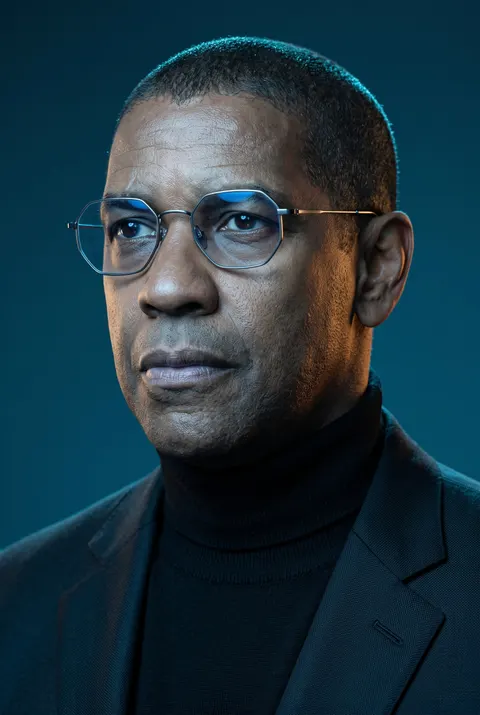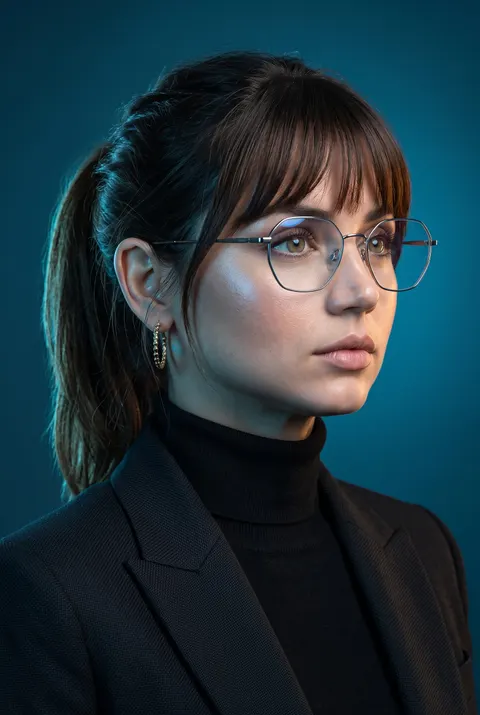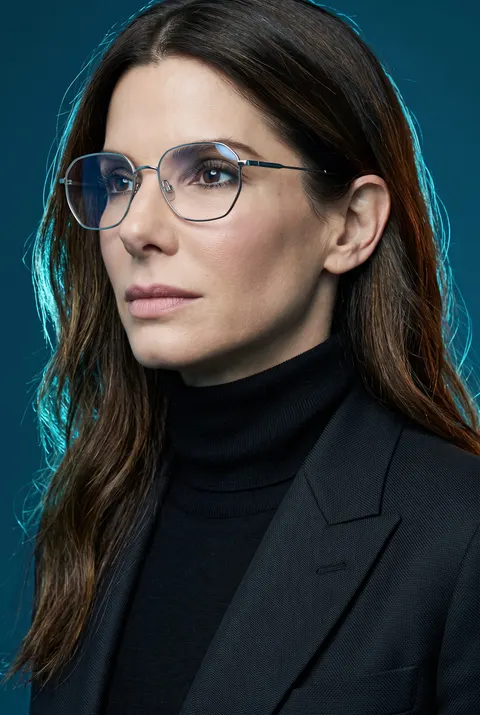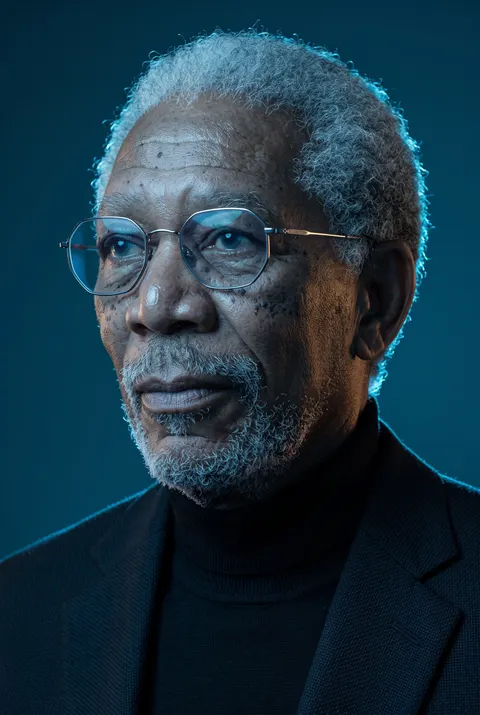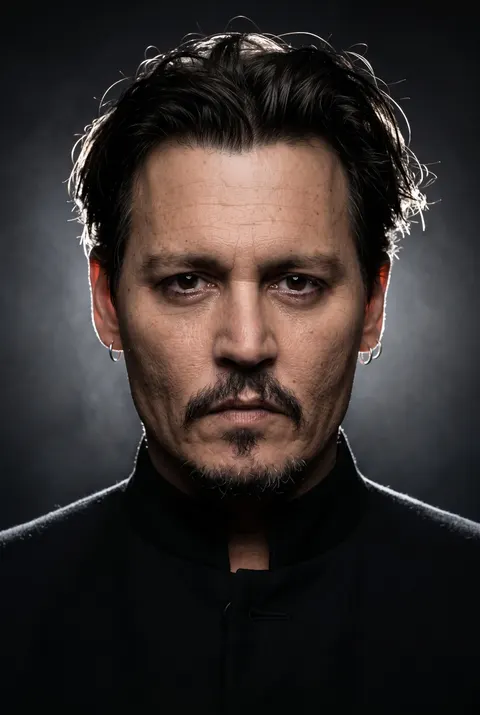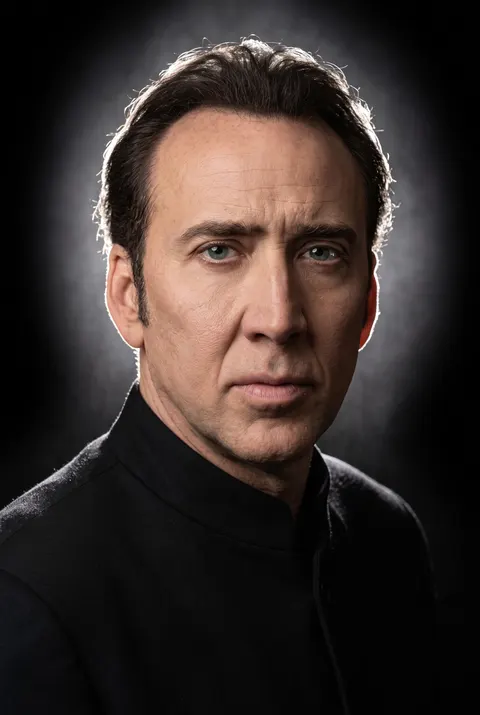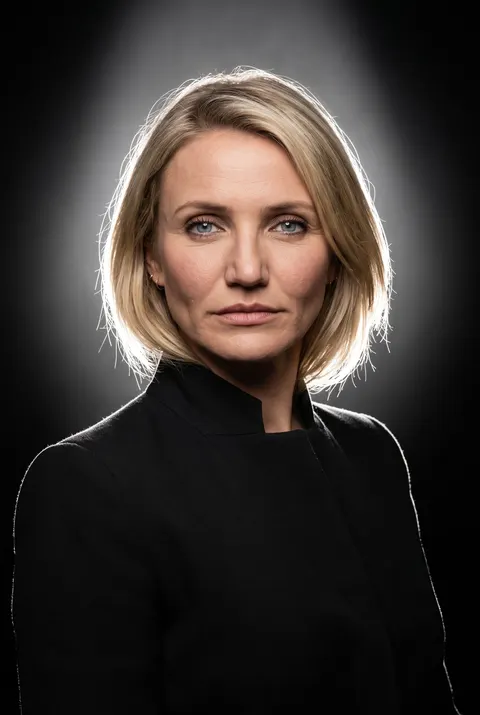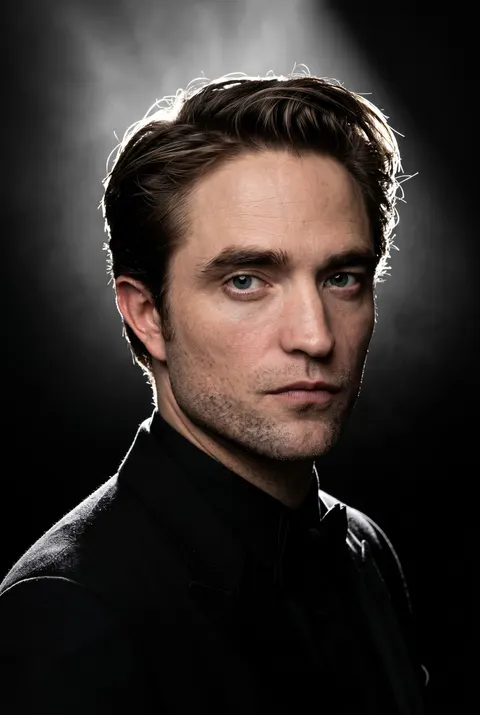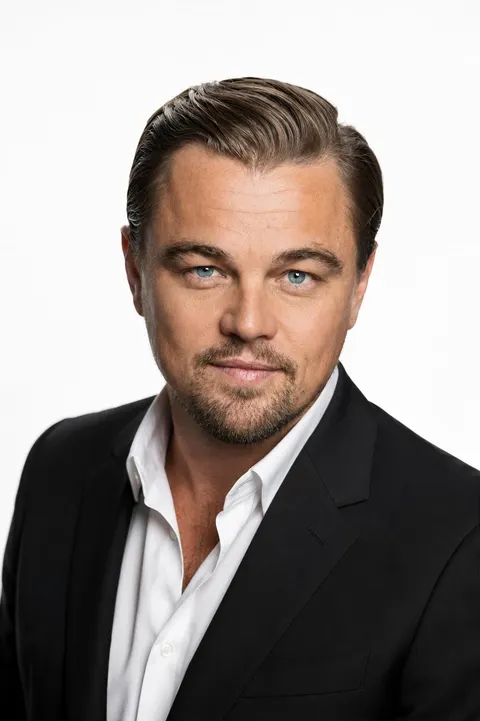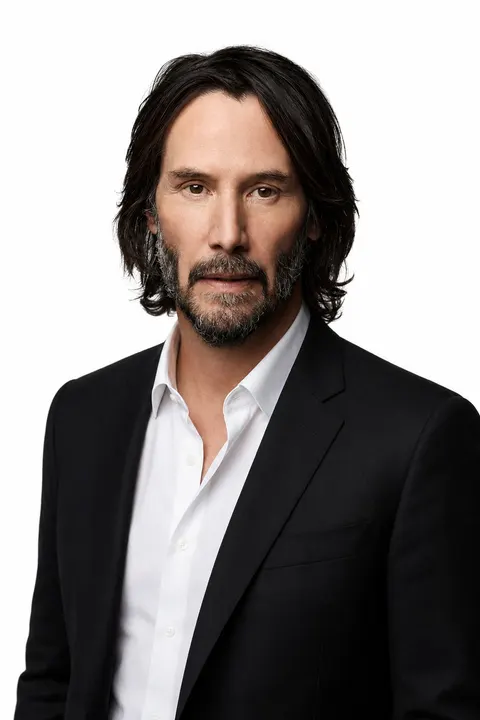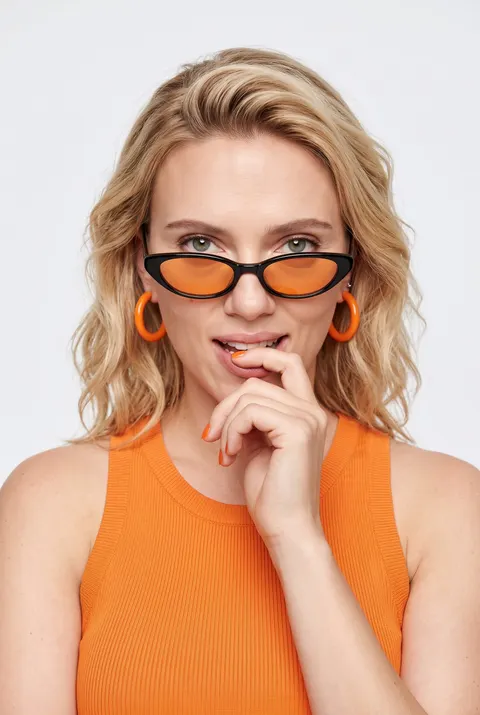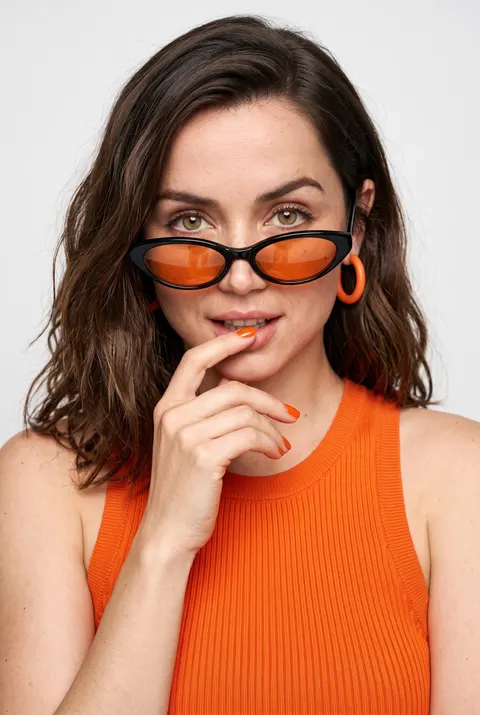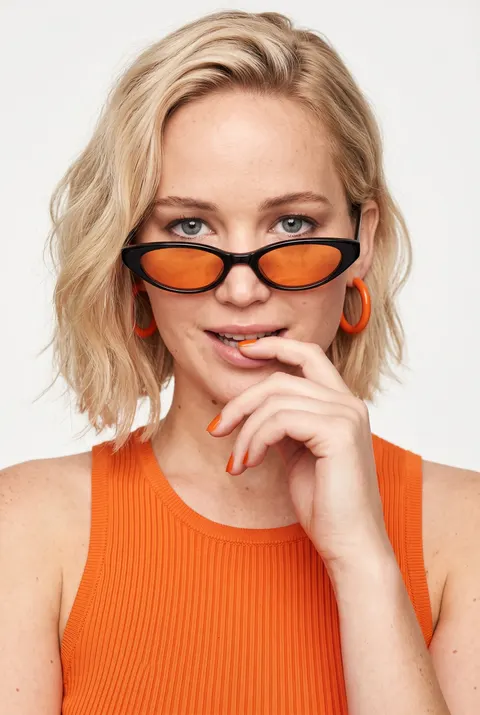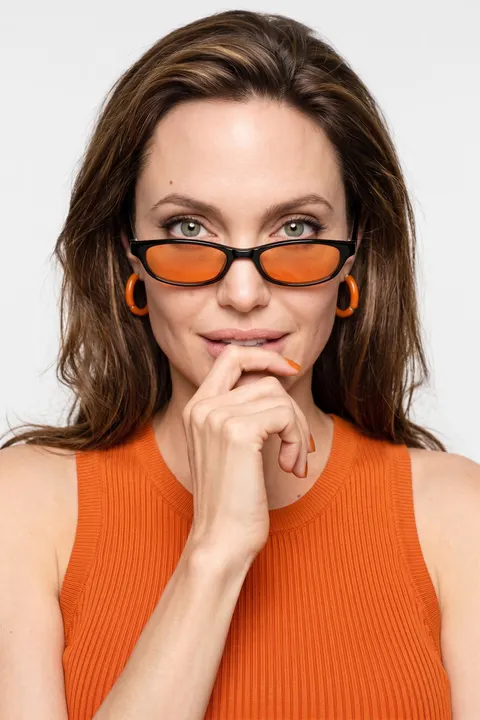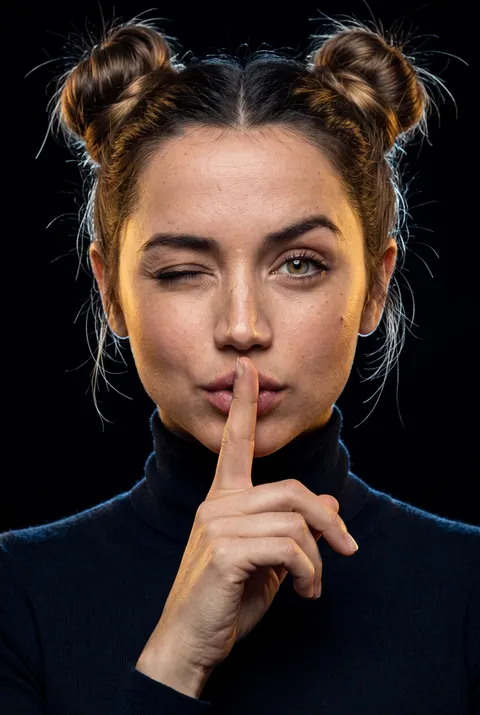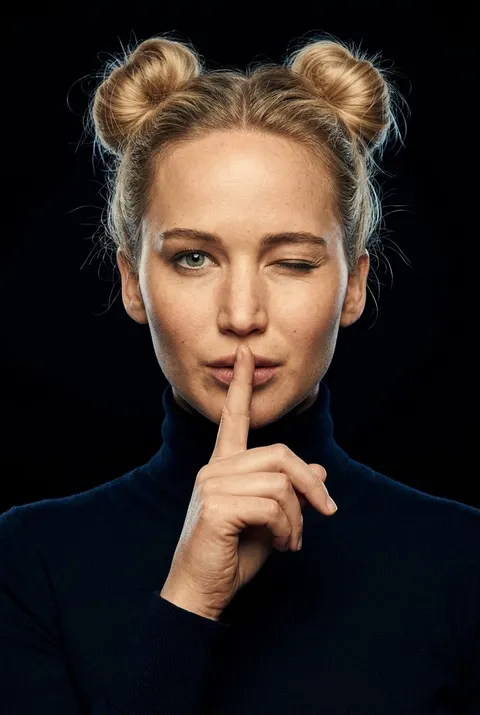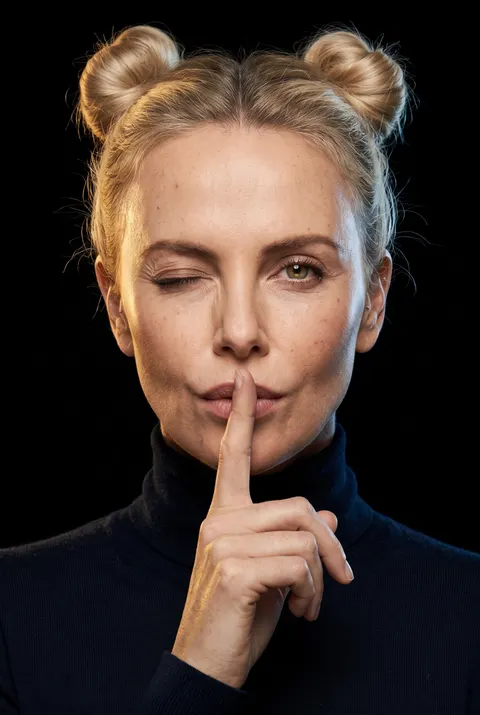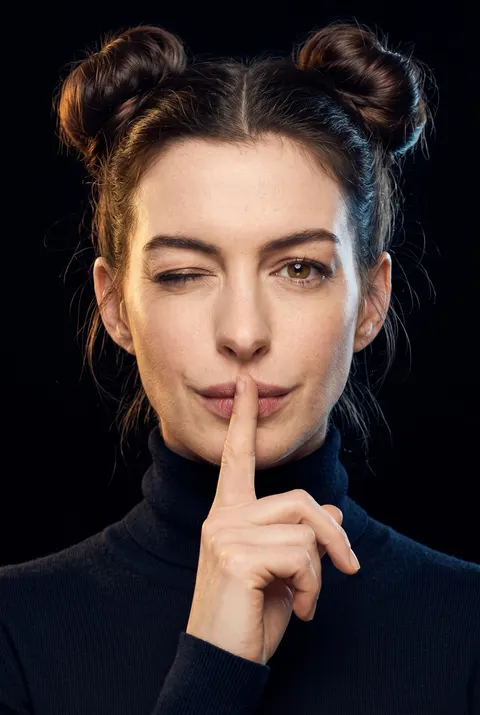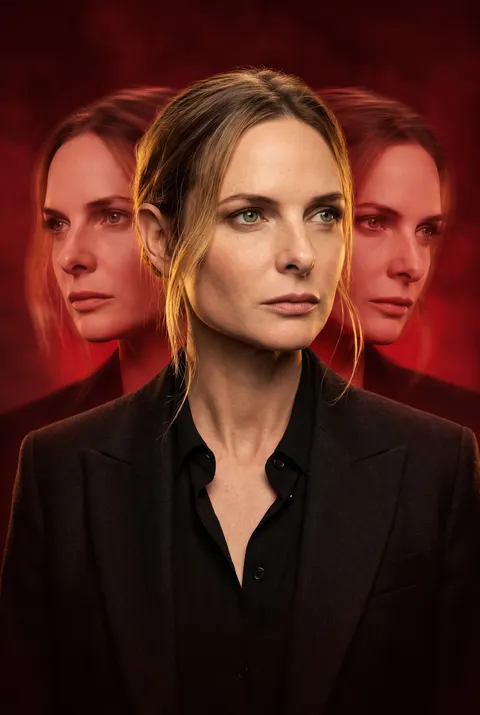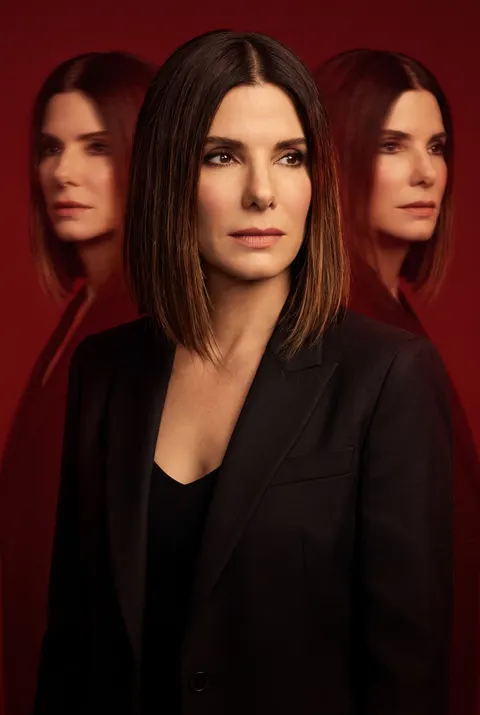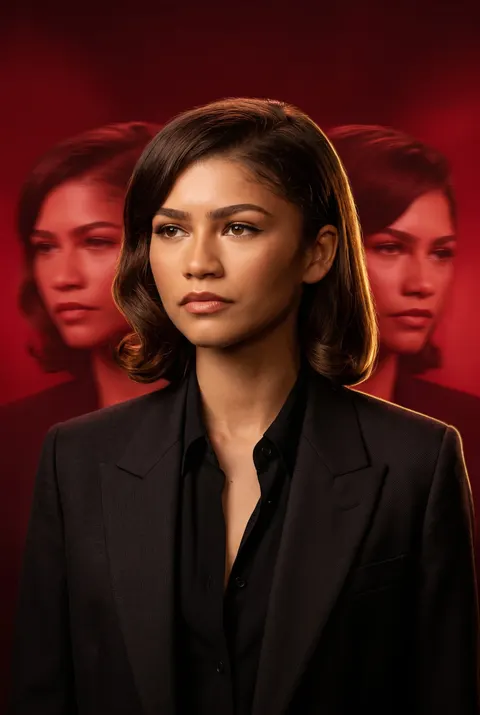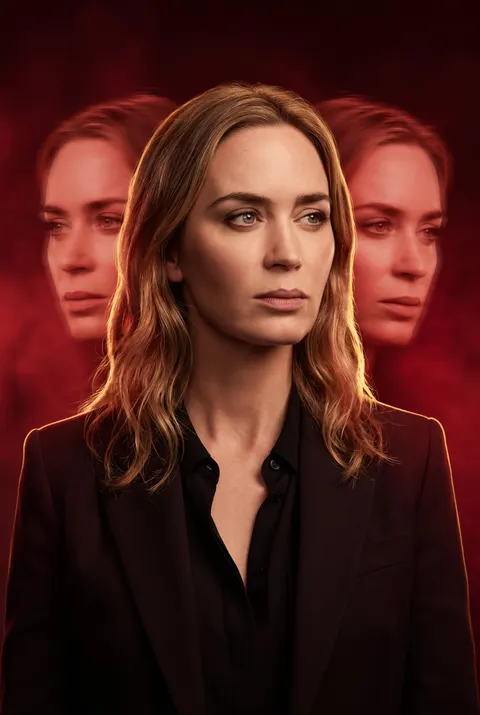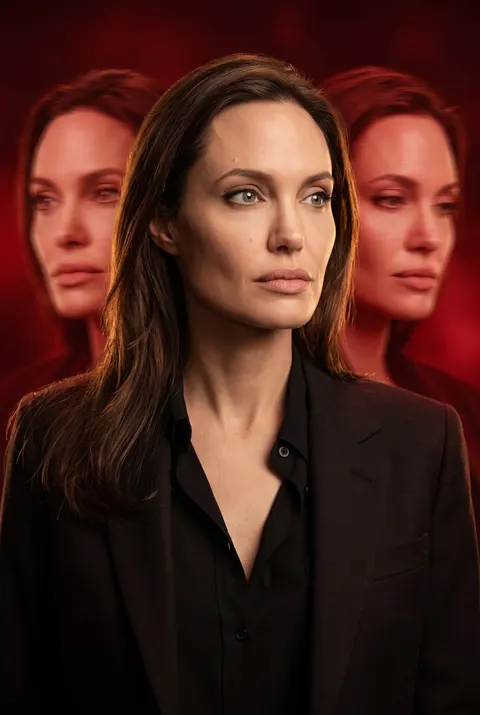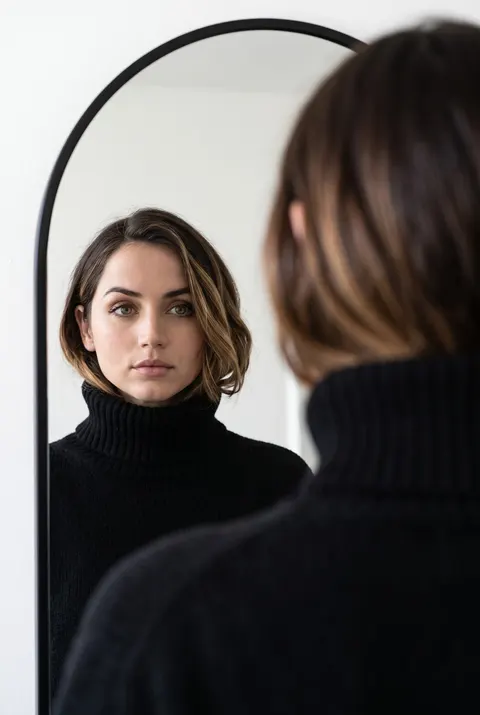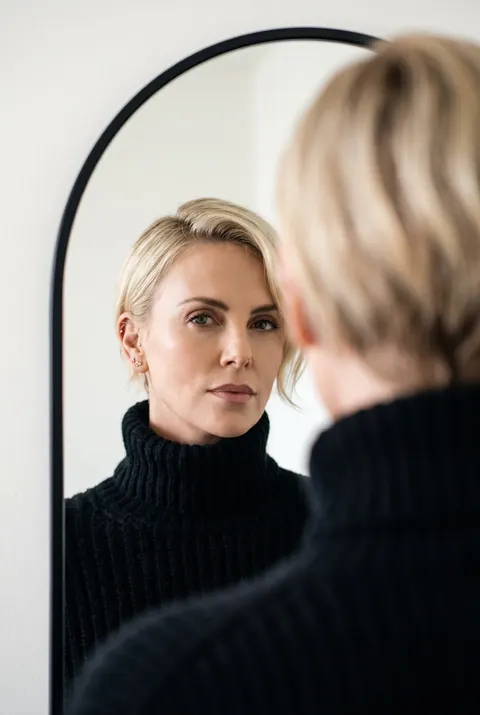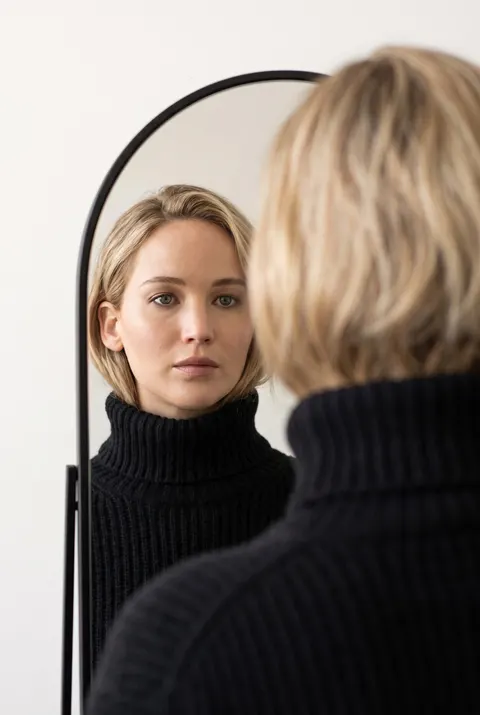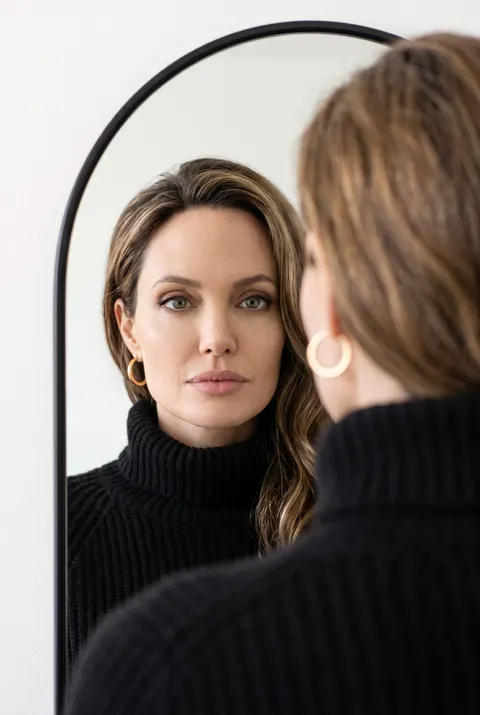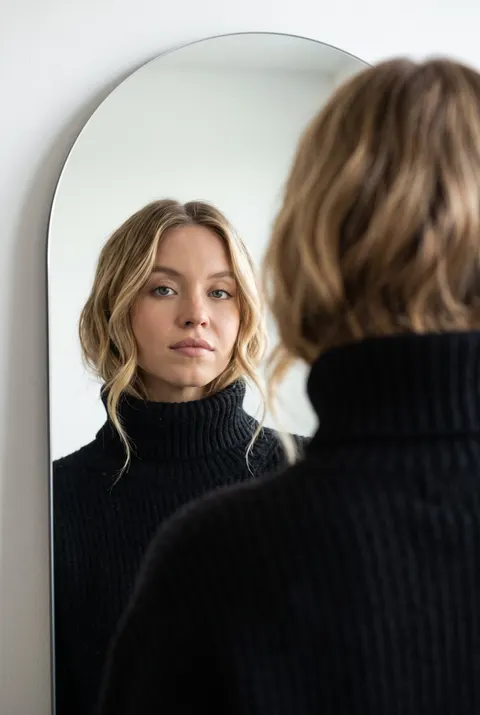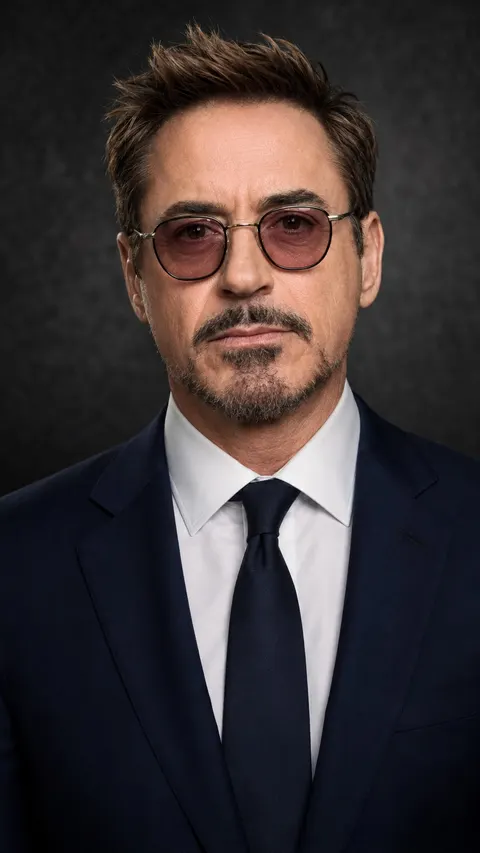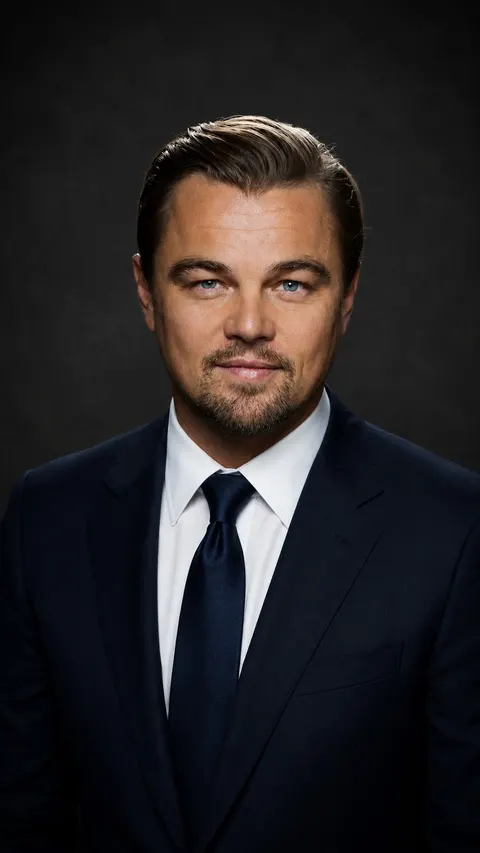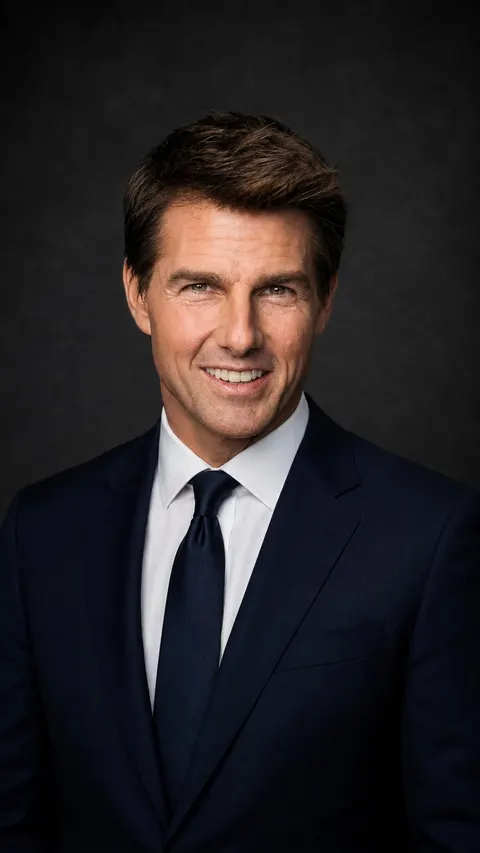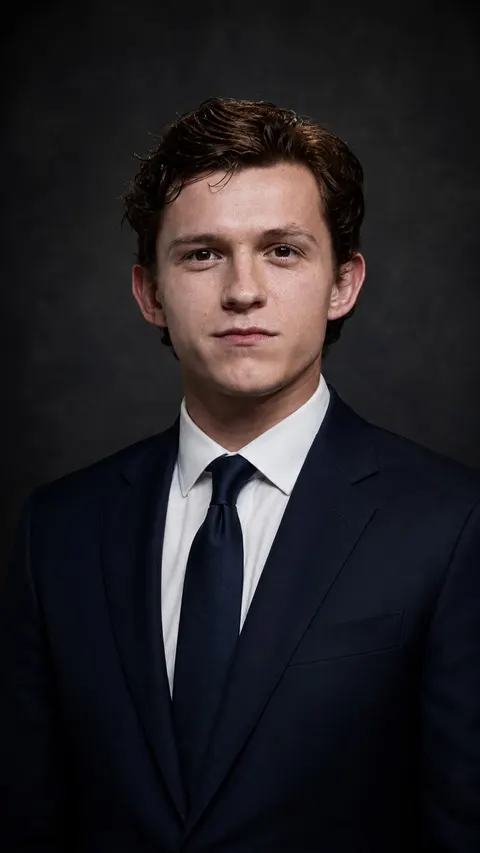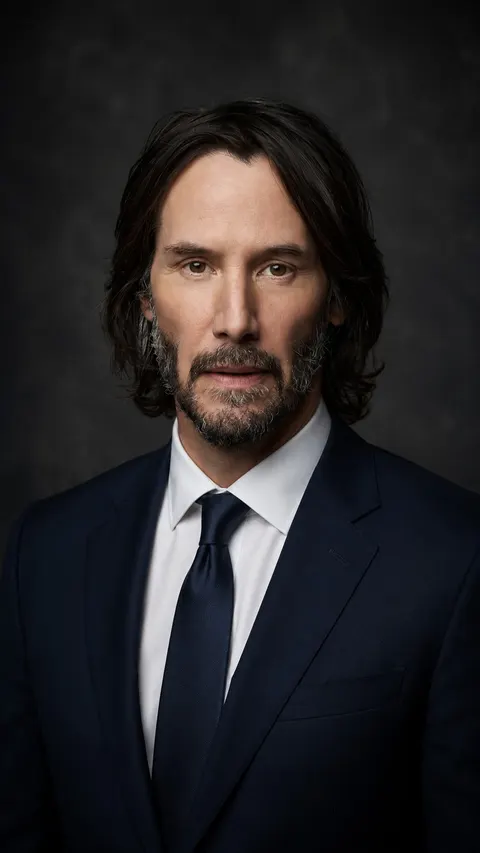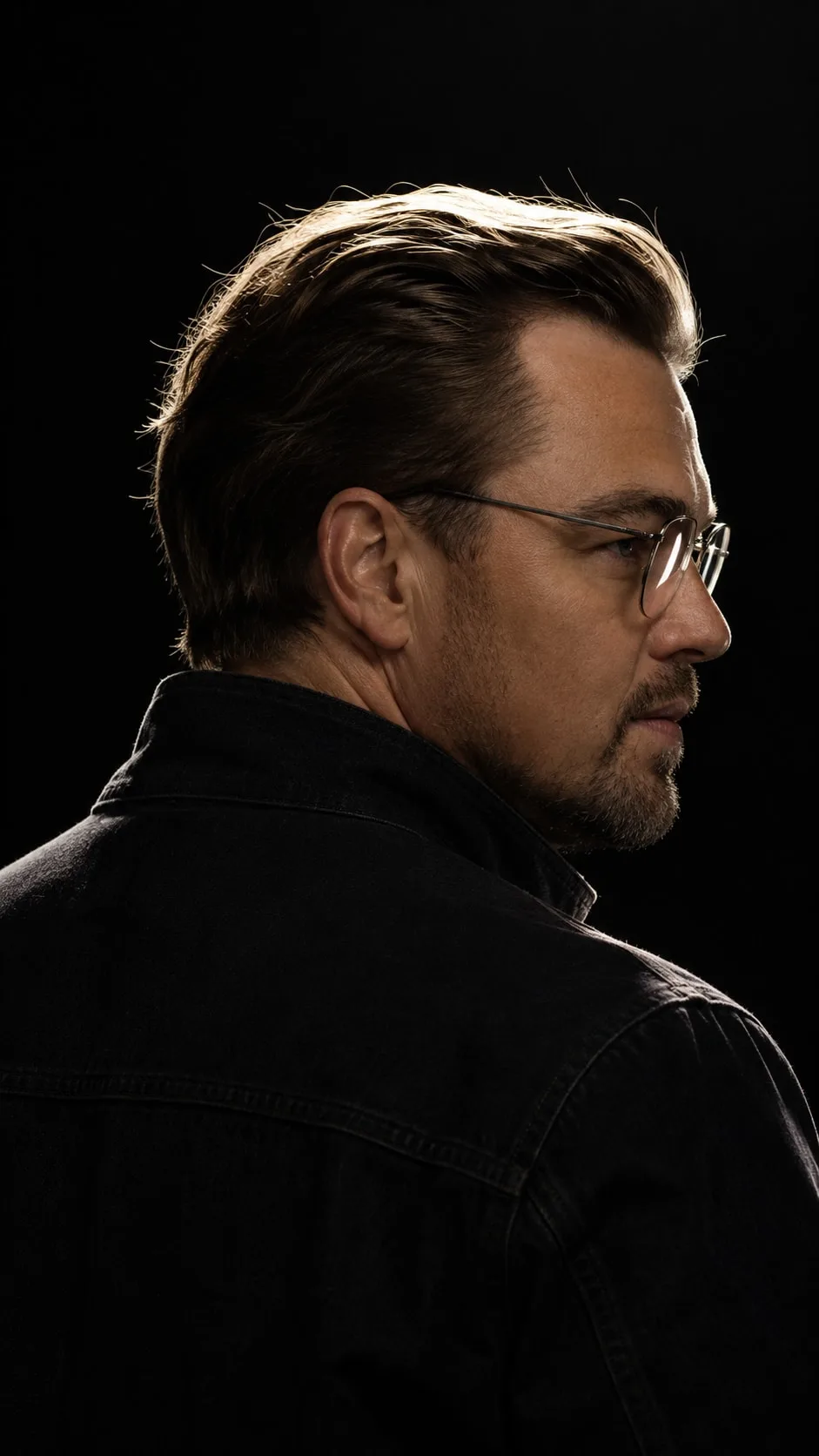
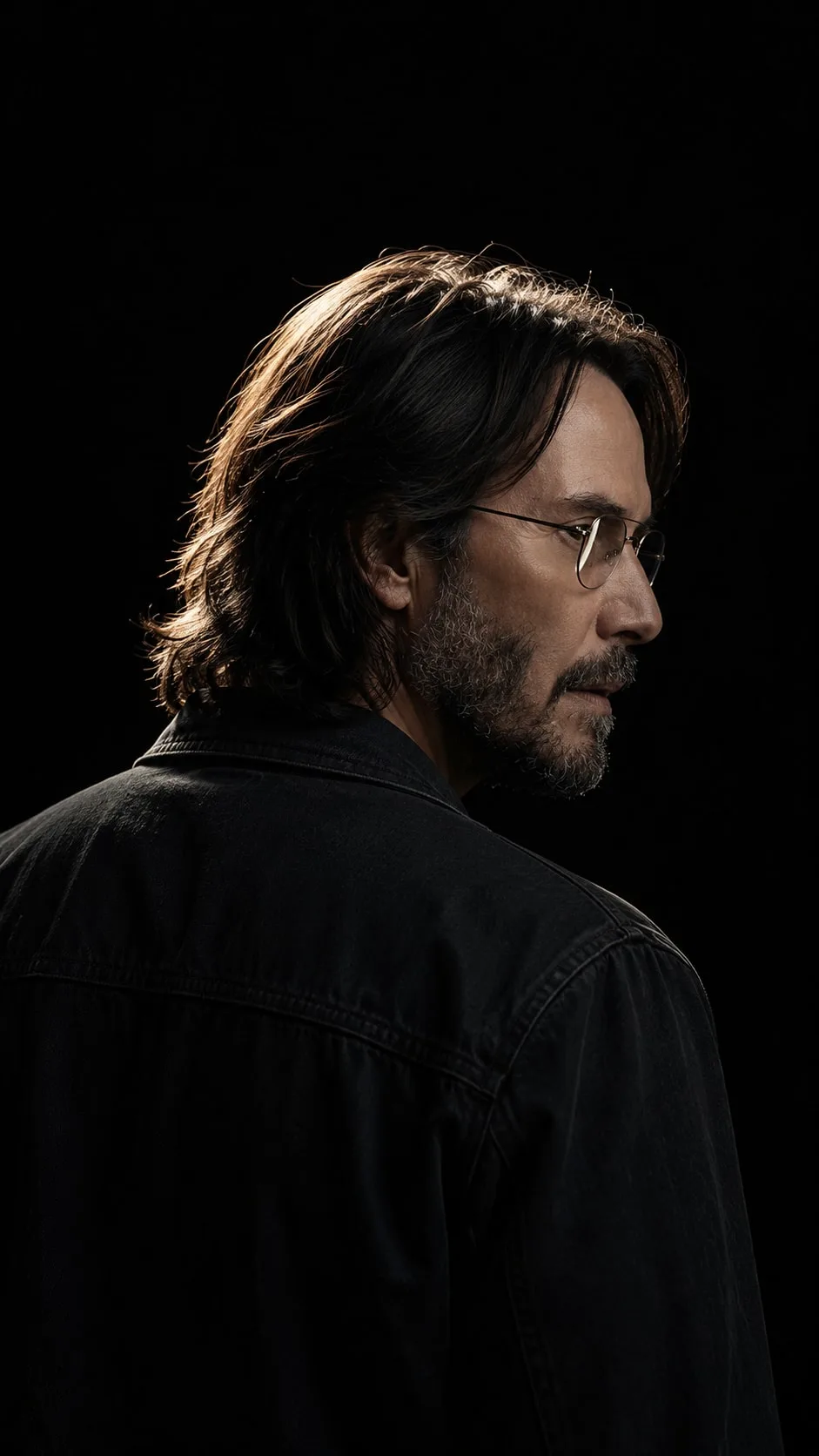
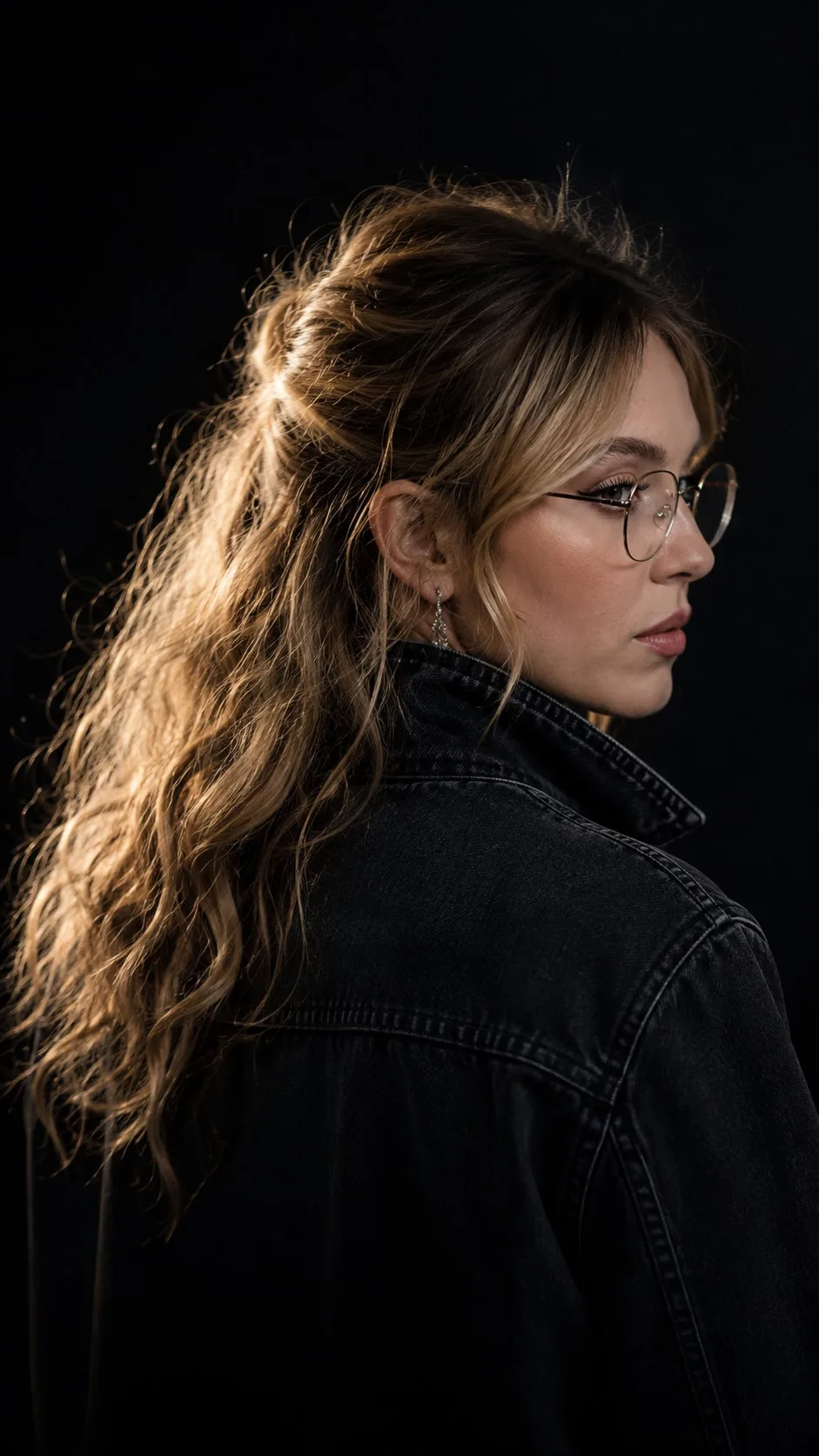
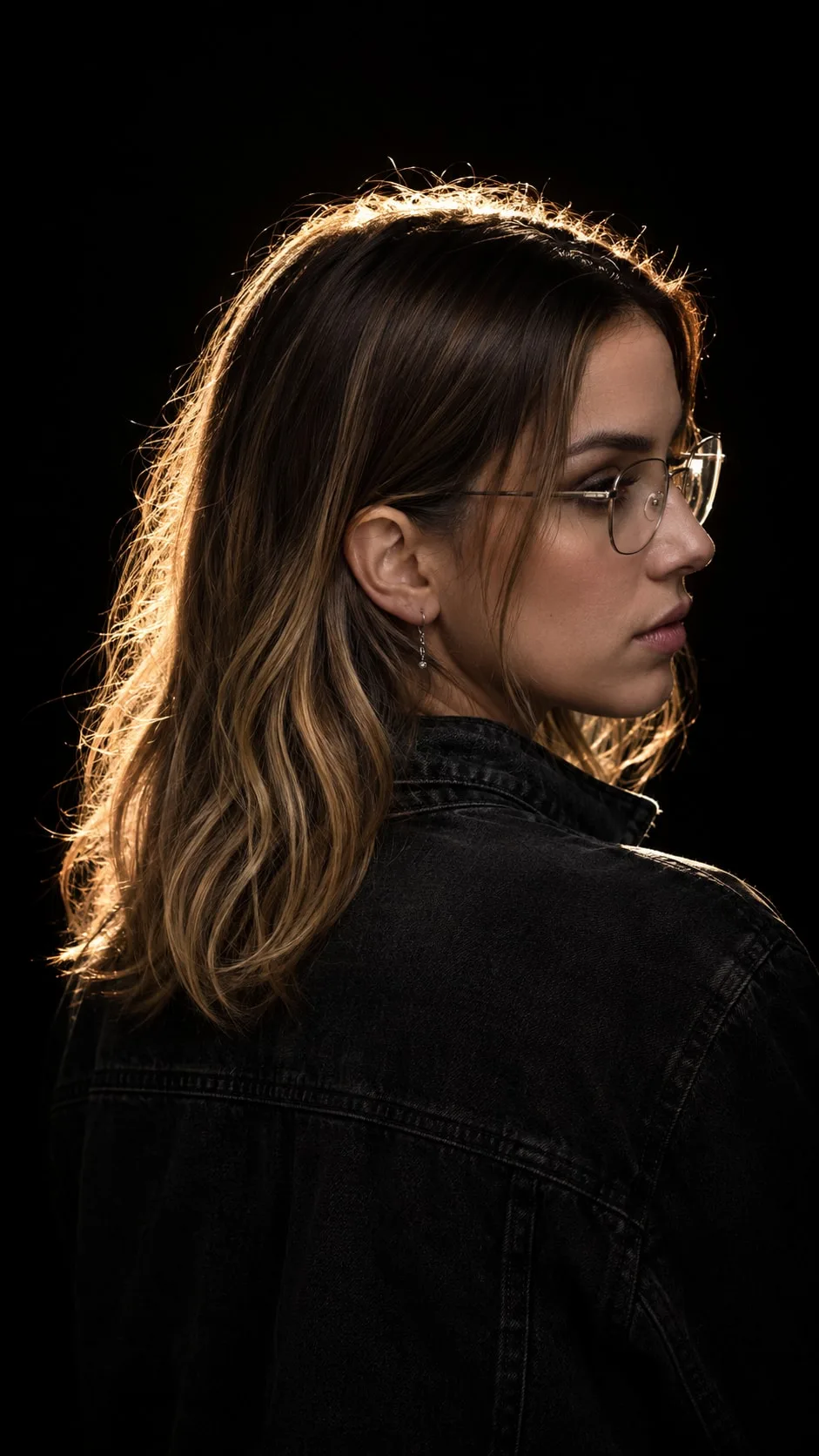
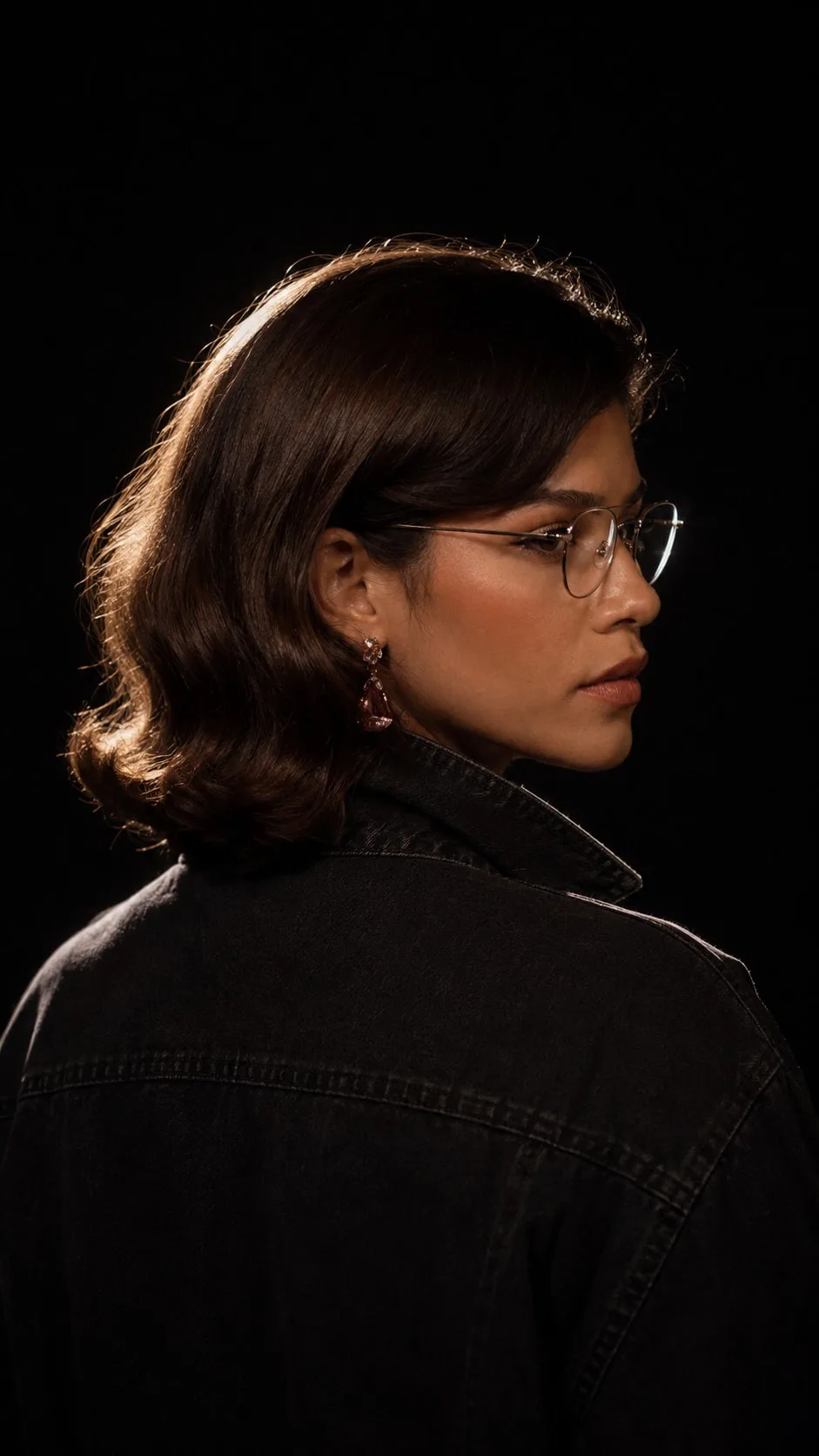
Backlit Over-the-Shoulder Low-Key Portrait
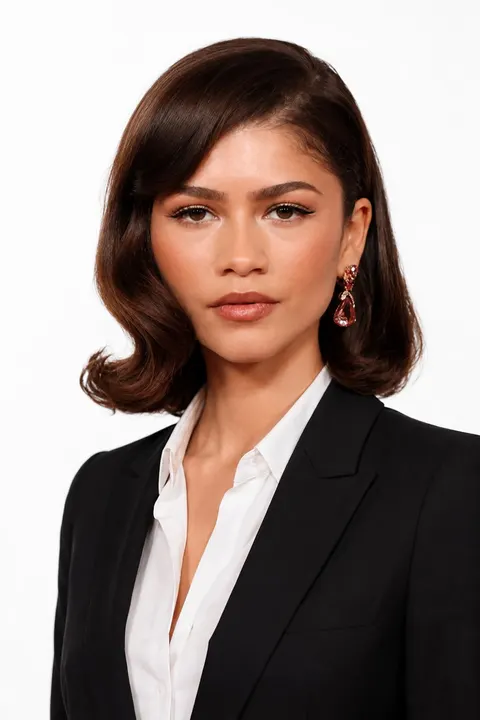
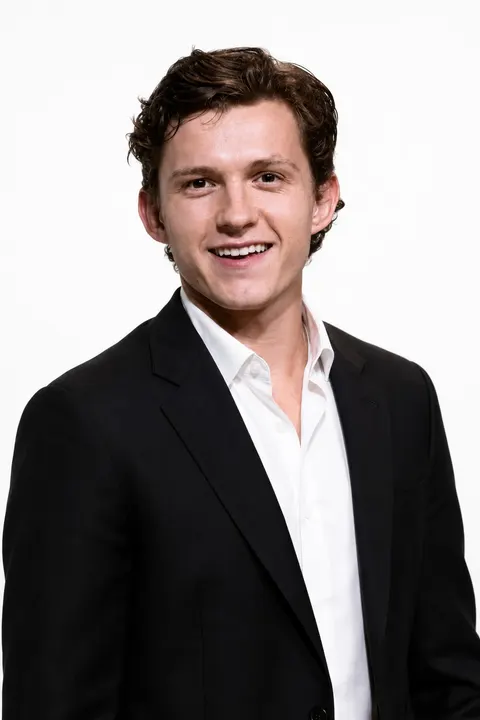
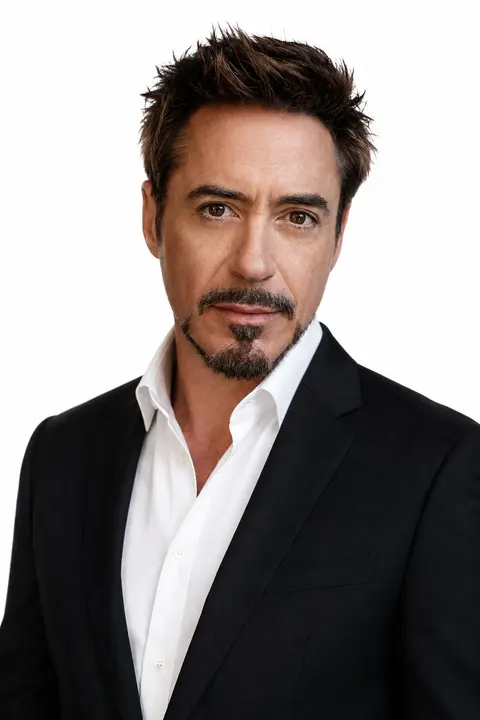
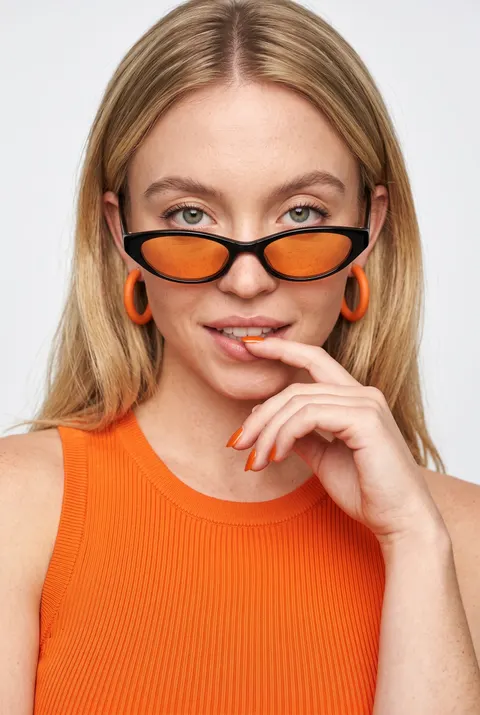
Low-key portrait prompt: back to camera, glance over the shoulder, backlight setting the hair alight. Examples: DiCaprio, Keanu Reeves, Ana de Armas, Zendaya.
Prompt
# LOCKED MASTER PROMPT — BACKLIT OVER-THE-SHOULDER LOW-KEY PORTRAIT

## ROLE

You are a world-class cinematic portrait photographer working in a blacked-out studio with a single hard backlight.
Create a premium, photorealistic low-key portrait using the **ATTACHED REFERENCE IMAGE as the identity source**.

The defining idea of this image: the subject stands with his **back to the camera** and looks **over his shoulder** into profile. The light sits behind his body but in front of the direction his face is turned, so it sets the hair alight while leaving the body in darkness and the face in a dim, restrained glow.

The output must look like a professionally lit cinematic still or campaign portrait captured on a high-end full-frame or medium-format camera — NOT like an AI-generated image, a 3D render, a game character, or a phone-app filter.

Aspect ratio: **9:16 vertical.**

---

# 1. IDENTITY LOCK — ABSOLUTE PRIORITY

Use the person from the **ATTACHED REFERENCE IMAGE**.
Preserve the person's identity with maximum fidelity.
DO NOT redesign, beautify, reinterpret, slim, widen, or idealize the person.

Preserve exactly:

* Facial geometry and skull proportions
* Profile contour: forehead slope, brow projection, nose bridge, nose tip, philtrum, lip projection and chin line
* Cranial shape at the back, top and base of the skull
* Nape hairline shape and neck taper
* Forehead height, front hairline shape and temple recession
* Cheekbone height and projection
* Jawline definition and angle
* Ear size, shape, position and attachment
* Natural facial asymmetry
* Skin tone and undertone
* Natural skin texture, pores, fine lines and surface irregularity
* Hair color, density, wave pattern, growth direction and existing haircut
* Facial hair, if present
* Neck thickness, neck length and shoulder width
* Age and apparent age
* Any moles, scars or distinguishing marks

The person must remain unmistakably the same individual as the reference.

**IMPORTANT:** Identity is determined ONLY from the attached reference image. Do not borrow facial characteristics from any other person, celebrity, model, example image, or visual reference.

### PROFILE FIDELITY NOTE
Because the face is seen almost entirely as an outline, the **profile contour is the primary identity carrier**. The forehead-to-nose-to-lip-to-chin edge must match the reference person exactly. Do NOT straighten, shorten, lengthen or refine the nose. Do NOT strengthen or weaken the chin. Do NOT smooth the brow projection.

### CRANIAL AND HAIR NOTE
Because the back and side of the head fill the largest part of the frame and are the brightest element in the image, the **skull shape, the nape hairline and the hair's wave pattern are secondary identity carriers** and must also match the reference.

### FACIAL HAIR NOTE
If the reference is clean-shaven, do NOT add stubble or a beard. If the reference has facial hair, preserve its exact length and coverage.

---

# 2. COMPOSITION LOCK — CRITICAL

### Camera position
Place the camera at **eye level, within 5 degrees above or below** the subject's eye line.
The lens axis is horizontal.

Do NOT use a low hero angle.
Do NOT use a high angle looking down.
Do NOT tilt the camera (no dutch angle).
Do NOT introduce wide-angle perspective distortion.

---

# 3. BODY & HEAD ORIENTATION LOCK — CRITICAL

The subject's **back is toward the camera** and the head is turned over the shoulder. The two rotations must stay within real human range of motion.

### BODY — turned away
* The torso is rotated approximately **145–165 degrees** from the lens axis, so the camera sees the **upper back and the back-left quarter** of the body
* The back yoke seam of the jacket and the standing collar at the nape are visible
* The camera-left shoulder is nearer to the lens and reads larger; the camera-right shoulder falls away behind the head
* The chest and the front of the body are entirely hidden

Do NOT face the torso toward the camera.
Do NOT show the chest, front placket or any front-of-garment detail.
Do NOT rotate the torso to a frontal or three-quarter-front position.

### HEAD — turned over the shoulder, to camera-right
* The head is rotated approximately **95–110 degrees** from the lens axis, toward camera-right
* This reads as a clean profile, a fraction past it: the nose, lips and chin project past the face line and read against the background
* The far eye and far eyebrow are hidden
* The **near ear (camera-left) is fully visible**, including helix, tragus and lobe
* The camera sees the back and side of the skull plus the profile edge of the face

### ANATOMICAL LIMIT — MANDATORY
The rotation of the head relative to the shoulders must not exceed **55–60 degrees**. The body carries the majority of the turn; the neck carries only the remainder.

Do NOT generate a head-to-torso differential beyond 60 degrees.
Do NOT generate an anatomically impossible neck rotation.
Do NOT rotate the head and the shoulders by the same amount.
Do NOT turn the head toward camera-left.

### NECK
* The turn produces a natural twist, visible where the jaw meets the neck and above the standing collar
* The nape is partially exposed between the hairline and the collar
* Mild tendon and skin tension is visible along the turned side

Do NOT stretch, lengthen or thin the neck to accommodate the turn.
Do NOT hide the nape entirely behind the collar.

---

# 4. FACE VISIBILITY LOCK — CRITICAL

The face is present but **subordinate**. It is dim, restrained, and secondary to the illuminated hair.

Approximate distribution of the visible head area:

* Hair mass — top, back and tapered sides: **50–58%**
* Near ear and the side of the head: **8–12%**
* Cheek, jaw and the side of the face: **18–24%**
* Leading profile band — brow, nose, lips, chin: **12–16%**

The face sits **2 to 3 stops below** the brightest hair highlights. It is legible on close inspection but is never the brightest or most attention-grabbing element.

Do NOT present a bright, open, forward-facing face.
Do NOT rotate the face back toward the camera to make it more visible.
Do NOT raise the exposure on the face to match the hair.
Do NOT make the face the brightest element in the frame.

---

# 5. FRAMING LOCK — CRITICAL

Use a **head-and-upper-back portrait**, framed from well above the head to roughly the mid-back.

Show:

* Entire head with the full hair silhouette, including flyaway strands
* Profile edge of the face
* Near ear
* Nape and the standing collar
* The camera-left shoulder and the upper back, cropped by the left and bottom frame edges

The head (top of hair to chin) occupies approximately **36–42% of the total frame height**.
The eye line sits approximately **39–44% down from the top of the frame**.
The chin sits at approximately **52–57%** down from the top.

### HEADROOM LOCK
Leave approximately **14–18% of the total frame height** as dark space above the top of the hair.
The hair and its flyaway strands must be fully inside the frame and must NOT be clipped by the upper edge.

### CROP LOCK
Do NOT crop the top of the head or the raised hair strands.
Do NOT crop the nose or chin at the right frame edge.
Do NOT crop the ear.
Do NOT tighten into a face-only close-up.
Do NOT pull back into a waist-up or full-body composition.

---

# 6. SUBJECT POSITION

Place the head **at or slightly right of frame center**, with the head's center at approximately **50–56% of frame width**.

* The distance from the tip of the nose to the right frame edge is approximately **14–20% of frame width**
* The upper-left quadrant of the frame is open, near-black negative space
* The body enters from the lower-left and exits through the left and bottom frame edges
* The composition is deliberately asymmetric, weighted toward the lower left

Do NOT center the subject symmetrically.
Do NOT place the head on the left of the frame.
Do NOT fill the upper-left quadrant with the subject.

---

# 7. GAZE & EXPRESSION

The visible eye is seen **in profile, through the eyeglass lens**.
The gaze is directed **forward and slightly downward, out of the right side of the frame** — never at the camera.

Expression:

* Contemplative and inward
* Serious, quiet, unperformed
* Lips relaxed and very slightly parted
* Brow neutral
* Jaw relaxed

Do NOT smile.
Do NOT open the mouth wide or show teeth.
Do NOT turn the head back toward the camera.
Do NOT establish eye contact with the lens.
Do NOT produce a theatrical, posed or "model" expression.

---

# 8. EYEWEAR LOCK — CRITICAL

The subject wears **thin wire-frame eyeglasses**, seen in profile.

* Slim metal rims, round to softly rectangular lens shape
* Very fine, minimal frame gauge — the frame is barely thicker than a wire
* Thin straight temple arm running back along the temple to above the ear
* Lenses are **clear and transparent**, not tinted — the eye and lashes remain visible through them
* The lens carries a **hard, bright specular streak** along its outer surface, running diagonally across the lens; this is the single brightest small highlight on the face and a defining detail
* Only the near lens is visible; the far lens is hidden behind the face

Do NOT use thick, chunky, plastic or heavily branded frames.
Do NOT use sunglasses, tinted, mirrored or gradient lenses.
Do NOT hide the eye behind an opaque lens.
Do NOT omit the specular streak on the lens.
Do NOT show a logo, brand name or text on the frame or lens.
Do NOT remove the glasses.

---

# 9. WARDROBE LOCK

A **dark charcoal-to-black denim or heavy cotton work jacket**, seen from behind.

* Structured shoulder with a visible **shoulder seam** running from the collar down toward the arm
* A **horizontal back yoke seam** crossing the upper back
* A **standing collar** turned up at the nape, its top edge catching a thin rim of light
* Slightly faded, dry, matte fabric surface with visible weave and light wear texture
* Relaxed fit with natural fold structure across the back

The garment sits at a **low value, roughly 4–12% above pure black**, and is legible through a thin rim along the collar and shoulder plus faint fold and seam definition. It is dark, but not a flat black cutout — the fabric weave must remain faintly readable in the lit areas.

Do NOT add prints, graphics, patches or legible logos.
Do NOT show front-of-garment detail: no buttons, zips, placket or chest pockets.
Do NOT use a hoodie, blazer, suit, leather jacket or knitwear.
Do NOT use a white, grey or brightly colored garment.
Do NOT add scarves, hoods, hats, bags or straps.
Do NOT add jewelry, chains or earrings unless present in the identity reference.

---

# 10. BACKGROUND LOCK — CRITICAL

Use a **near-absolute black studio void** filling the entire frame behind the subject.

* Base value sits between pure black and roughly **5% above it**
* An extremely subtle lift is permissible in the upper-left area, reading as faint atmospheric spill rather than as a lit backdrop
* No gradient shape, hotspot, pool, glow or vignette structure is visible
* It reads as unlit empty space, with no surface, seam or boundary

NO objects.
NO furniture, architecture, walls, corners or windows.
NO visible studio equipment, stands, cables, modifiers or light sources.
NO backdrop texture, weave, wrinkles or seams.
NO smoke, haze, mist or visible light beams.
NO glow pool or halo behind the head.
NO cast shadow of the subject on any surface.
NO text, watermark, sparkle, logo, border or graphic element.

---

# 11. LIGHTING LOCK — CRITICAL

Use a **single hard key light placed behind the subject's body**. There is no separate fill light and no frontal light.

### KEY LIGHT
Position the key approximately **140–160 degrees** to the **camera-right** of the lens axis — behind the subject — and approximately **45–60 degrees above** head height, angled down onto the crown.

* Source is **hard and small**: a bare reflector, gridded dish, or snooted source
* It is a backlight relative to the **body**, but sits roughly in front of the direction the **face** is turned — this is why the profile catches a dim glow while the torso stays black

It illuminates:

* The crown and the entire upper mass of the hair, at full intensity
* The back of the head and the tapered sides, falling off downward
* The individual raised and flyaway hair strands at the silhouette
* The top edge of the standing collar and the camera-right shoulder line, as a thin rim
* The profile of the face at low intensity: the forehead, brow, nose bridge, nose tip, upper lip and chin
* The eyeglass lens, producing the hard specular streak

### FILL
There is **no fill light**. What little illumination reaches the cheek, ear and jaw is ambient bounce from the hair highlight and the room, sitting **2 to 3 stops** below the hair.

Do NOT add a frontal or side key light on the face.
Do NOT add fill light, bounce or a reflector.
Do NOT add a second colored or white source.
Do NOT use a large softbox, octabox or umbrella.
Do NOT use ring light.
Do NOT light the torso, the front of the jacket, or the background.
Do NOT lift the face to match the hair.

---

# 12. HAIR RIM & FLYAWAY LOCK — CRITICAL

This is the signature of the image and must be reproduced precisely.

The hair is the **brightest and most detailed element in the frame**.

* The top mass of the hair is fully illuminated, with each wave and lock separated by its own shadow
* Wave crests catch bright specular highlights; wave troughs drop into deep shadow, producing high internal contrast within the hair itself
* **Individual flyaway strands stand proud of the silhouette** along the crown and the back of the head, each one resolved as a discrete lit filament against the black background
* These stray strands are numerous, irregular, and must not be tidied away — they define the edge of the subject
* Where the hair tapers into the shorter sides and the nape, the highlight falls off progressively into darkness
* Individual short hairs remain resolvable in the tapered zone, raked by the light

Do NOT render the hair as a smooth, sealed, helmet-like mass.
Do NOT remove or reduce the flyaway strands.
Do NOT render flyaways as a soft blur, glow or halo instead of discrete strands.
Do NOT blow the hair highlight out to flat, detail-free white.
Do NOT let the hair merge into the background without an edge.

---

# 13. EXPOSURE & DARKNESS LOCK

This is an extreme low-key image. **Darkness is the dominant element of the frame.**

Approximate distribution of the frame:

* Near-absolute black background and unlit body: **65–75%**
* Dim, low-value surfaces — face, ear, jacket folds, collar: **18–25%**
* Bright hair highlight: **6–10%**
* Peak speculars — glasses lens, brightest wave crests: under **2%**

The histogram is crushed hard toward the shadow end, with a narrow cluster at the highlight end and a thin mid-tone bridge supplied by the face and the jacket.

Do NOT produce a normally exposed portrait.
Do NOT lift the shadows, the jacket or the background.
Do NOT expose for the face.
Do NOT produce a bright, open, evenly visible image.
Do NOT let ambient illumination reach any surface the key does not strike.

---

# 14. LIGHTING DIRECTION LOCK

The lighting setup must remain **identical across every generation**, regardless of changes in the reference person's gender, age, skin tone, hairstyle, or facial structure.

The identity changes.
The **lighting does NOT change.**
Key light side, angle, height, source hardness, the absence of fill and the overall exposure level stay fixed.
Only the way the light falls across the individual's specific anatomy and hair varies.

---

# 15. CAMERA LOOK

Professional high-end cinematic portrait photography.
Simulate a premium full-frame or medium-format portrait system.

Focal length: approximately **85–135mm**, with clear portrait compression and no perspective distortion.
Approximate aperture: **f/2.8 to f/4**.

Focus:

* Critical focus on the **hair at the back and crown of the head**, where the light lands
* The profile contour, the ear, the glasses frame and the lens streak also sharp
* Very slight focus falloff at the near shoulder in the lower-left of the frame
* The background carries no focus information, being an empty void

Do NOT use extreme shallow depth of field.
Do NOT render visible bokeh shapes or highlight balls.
Do NOT introduce lens flare, anamorphic streaks, chromatic aberration, or a heavy applied vignette — the darkness comes from lighting, not from a post vignette.

---

# 16. IMAGE QUALITY

Photorealistic.
Every individual hair strand resolved in the lit zone, with visible wave structure, strand separation and stray filaments at the edge.
Ultra-detailed natural skin with visible pores across the dimly lit profile and cheek.
Fine facial texture including natural surface irregularity, faint lines and realistic skin sheen on the nose bridge and forehead.
Realistic ear anatomy with correct helix, antihelix, tragus and lobe structure.
Visible dry, matte fabric weave in the faintly lit areas of the jacket, including seam stitching along the yoke and shoulder.
Physically believable shadow density with steep, correct falloff.
Natural highlight roll-off in the hair, with texture retained inside the brightest wave crests.
Fine, organic film grain at low to moderate intensity, more visible in the deep shadow areas.

No plastic, waxy or airbrushed skin.
No skin smoothing or blemish removal.
No excessive sharpening or edge halos.
No artificial HDR tone-mapped appearance.
No beauty-filter effect.
No CGI, 3D-render or video-game surface quality.

---

# 17. COLOR GRADING

A **heavily desaturated cinematic grade** with a warm-highlight, cool-shadow split. This is not a monochrome image, but color is restrained and nearly incidental.

Palette:

* Hair highlights: warm amber-to-wheat, the only meaningfully saturated area in the frame
* Skin in the dim profile: muted warm neutral, low saturation
* Jacket and deep shadows: cool desaturated blue-grey
* Background: neutral to very slightly cool near-black

Tonal structure:

* Overall saturation is low; the image sits close to monochrome with a warm/cool separation
* Contrast is high, with dense blacks and bright but textured highlights
* Blacks are deep and clean, not lifted

Do NOT produce a fully saturated color image.
Do NOT produce a pure black-and-white image.
Do NOT push the hair toward orange, yellow or gold.
Do NOT push the shadows toward strong teal, blue or green.
Do NOT introduce a third color family or a colored accent.
Do NOT lift the blacks into a faded or matte look.
Do NOT allow banding or posterization in the falloff from hair highlight to shadow.

---

# 18. VISUAL HIERARCHY

The viewer's attention should move in this order:

**Lit hair mass and flyaway strands → Glasses lens highlight → Profile edge of the face → Ear and nape → Collar and shoulder rim → Surrounding darkness**

The **hair is the subject** of this photograph. The face is a supporting element, deliberately held down in value.
The darkness is an active compositional element, not empty filler — it must feel deliberate and controlled rather than accidentally underexposed.

---

# 19. NON-NEGOTIABLE RULES

These must NEVER change between generations:

1. Back to the camera, torso rotated 145–165 degrees from the lens axis.
2. Upper back, shoulder seam, back yoke and standing collar visible.
3. Chest and front of garment entirely hidden.
4. Head turned over the shoulder to camera-right, 95–110 degrees.
5. Head-to-torso rotation never exceeding 55–60 degrees.
6. Anatomically possible neck rotation at all times.
7. Near ear fully visible; far eye and far eyebrow hidden.
8. Face 2–3 stops below the hair highlights, never the brightest element.
9. Gaze forward and slightly down, out of the right frame edge, never at the lens.
10. Contemplative expression, lips slightly parted, no smile.
11. Thin wire-frame clear-lens eyeglasses with a hard specular streak on the lens.
12. Dark charcoal-to-black denim or heavy cotton work jacket, seen from behind.
13. Near-absolute black background with no objects, glow or gradient.
14. Single hard key behind the subject at camera-right, 140–160 degrees off axis, 45–60 degrees above head height.
15. No fill light, no frontal light, no second source.
16. Hair as the brightest and most detailed element in the frame.
17. Numerous discrete flyaway strands standing proud of the silhouette.
18. High internal contrast within the hair, wave crests lit and troughs dark.
19. Thin rim on the collar top edge and camera-right shoulder only.
20. 65–75% of the frame at or near absolute black.
21. Head-and-upper-back framing, head occupying 36–42% of frame height.
22. 14–18% headroom, flyaway strands fully inside the frame.
23. Head at 50–56% of frame width; body entering from the lower left.
24. Open black negative space in the upper-left quadrant.
25. Heavily desaturated grade with warm hair highlights and cool shadows.
26. 85–135mm portrait perspective at f/2.8–f/4.
27. 9:16 vertical aspect ratio.

---

# 20. REFERENCE PRIORITY SYSTEM

When interpreting the attached reference image:

### PRIORITY 1 — IDENTITY AND ANATOMY
The person's profile contour, skull shape, nape hairline, hair wave pattern, ear and natural likeness come exclusively from the attached reference. Human range of motion is never violated to satisfy a compositional instruction.

### PRIORITY 2 — LIGHTING AND EXPOSURE
The single hard backlight, its angle, the absence of fill, the hair rim behavior and the extreme low-key exposure remain unchanged.

### PRIORITY 3 — BODY AND HEAD ORIENTATION
The back-to-camera stance, the over-the-shoulder head turn and the resulting low face visibility remain unchanged.

### PRIORITY 4 — COMPOSITION
The framing, crop, camera height, asymmetric subject placement and negative space remain unchanged.

### PRIORITY 5 — WARDROBE AND EYEWEAR
The dark work jacket seen from behind and the thin wire-frame clear-lens glasses remain unchanged.

### PRIORITY 6 — GRADE, BACKGROUND AND CAMERA
The desaturated warm/cool grade, the black studio void and the 85–135mm perspective remain unchanged.

If the reference image conflicts with any of these instructions, **preserve the person's identity, profile contour, anatomy and natural likeness from the reference, and preserve the lighting, exposure, orientation, composition, wardrobe, eyewear, grade and camera specification from this prompt.**

---

# 21. NEGATIVE CONSTRAINTS

### Orientation and anatomy errors
Do NOT generate:

* A torso facing the camera or in a three-quarter-front position
* A visible chest, front placket, buttons or front pockets
* A head-to-torso rotation beyond 60 degrees
* An anatomically impossible neck rotation
* Head and shoulders rotated by the same amount
* A frontal, near-frontal or three-quarter head position
* The head turned toward camera-left
* The far eye or far eyebrow visible
* A stretched, lengthened or thinned neck
* A nape entirely hidden behind the collar
* The near ear hidden or cropped

### Face-visibility and exposure errors
Do NOT generate:

* A bright, open, forward-facing face
* A face exposed to match or exceed the hair highlight
* The face as the brightest element in the frame
* Eye contact with the lens
* A normally exposed portrait
* A lifted background, jacket or shadow area
* A bright, open, evenly visible image
* Ambient light reaching surfaces the key does not strike
* An applied post-production vignette

### Lighting and hair errors
Do NOT generate:

* A frontal or side key light on the face
* Fill light, bounce or a reflector
* A second white or colored source
* A soft, wrapped, even illumination
* Ring-light or clamshell patterns
* A lit background, glow pool or halo behind the head
* Hair rendered as a smooth, sealed, helmet-like mass
* Missing, reduced or tidied flyaway strands
* Flyaways rendered as a soft blur, glow or halo instead of discrete strands
* A blown-out, detail-free white hair highlight
* Hair merging into the background without a defined edge
* A rim light on the camera-left contour
* Haze, smoke or visible light beams

### Content errors
Do NOT generate:

* Thick, chunky, plastic or heavily branded eyeglass frames
* Sunglasses, tinted, mirrored or gradient lenses
* An opaque lens hiding the eye
* A missing specular streak on the lens
* Missing glasses
* Hoodies, blazers, suits, leather jackets or knitwear
* White, grey or brightly colored clothing
* Prints, graphics, patches or legible logos
* Scarves, hoods, hats, bags or straps
* Jewelry, chains or earrings unless present in the identity reference
* Hands, arms or gestures inside the frame
* Additional people or body parts of other people
* Objects, furniture or architecture in the background
* Watermarks, sparkles, borders, frames or captions

### AI artifacts and rendering errors
Do NOT generate:

* Plastic, waxy or airbrushed skin
* Beauty-filter smoothing or blemish removal
* A straightened, shortened, lengthened or refined nose
* A strengthened or weakened chin
* A smoothed brow projection
* Facial reshaping, face slimming or face widening
* A skull shape that does not match the reference
* Different hairstyle, hair length, wave pattern or hairline than the reference
* Different apparent age than the reference
* Added stubble or beard on a clean-shaven reference
* Melted, smeared, fused or discontinuous hair strands
* Hair strands that terminate in unnatural points or floating fragments
* Deformed, malformed, misplaced or duplicated ears
* An ear rendered without correct helix and tragus structure
* Eyeglass temple arms that do not connect correctly to the frame or pass over the ear
* A frame that clips into or through the head
* A collar or seam that does not follow the garment's construction
* Loss of pore and skin texture on the dimly lit face
* Oversharpened edges with visible halos
* Artificial HDR appearance
* Heavy digital noise mistaken for film grain
* Banding or posterization in the hair-to-shadow falloff
* CGI, 3D render or video-game character look
* Illustration, painting, cartoon or stylized rendering

---

# FINAL INSTRUCTION

Create the image as if the **same photographer, same blacked-out studio, same single hard backlight in the same position, same exposure, same camera, same lens, same wardrobe, same eyewear, same back-to-camera over-the-shoulder pose and same framing** photographed a completely different person.

Only the **identity of the subject** should change.

The result must belong to a single, consistent cinematic portrait series — not a set of unrelated AI generations.

**IDENTITY CHANGES. EVERYTHING ELSE STAYS LOCKED.**
Prompt copied — just paste it (Ctrl/Cmd+V) in the chat.