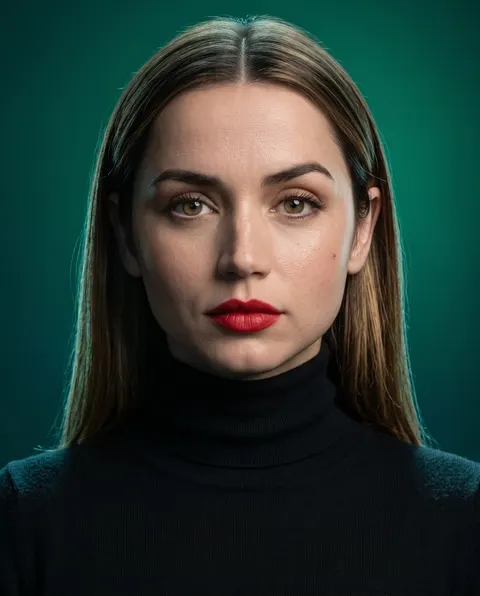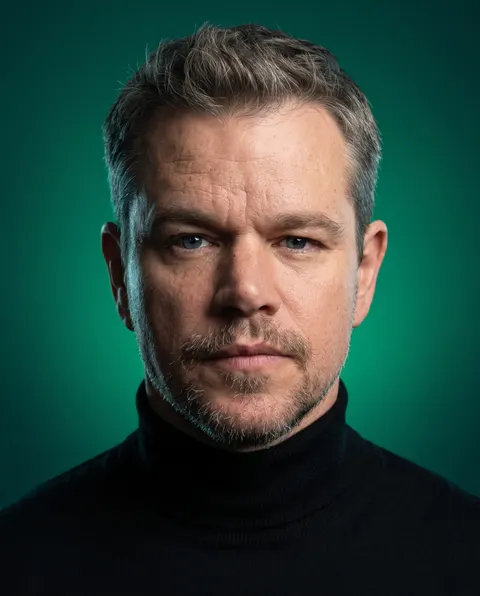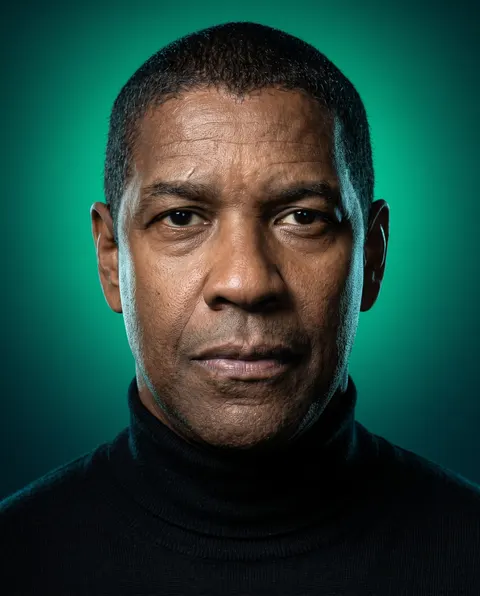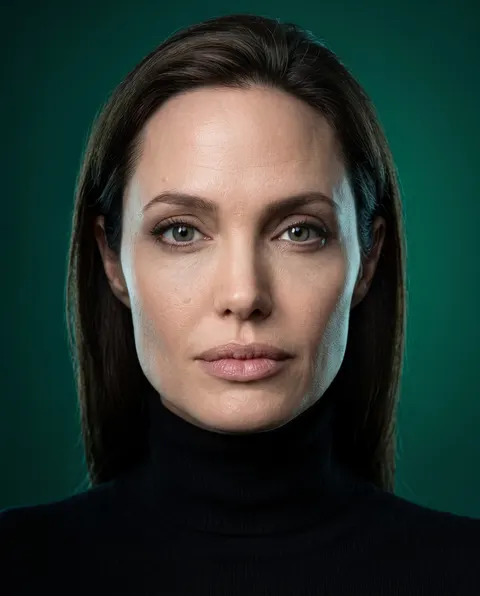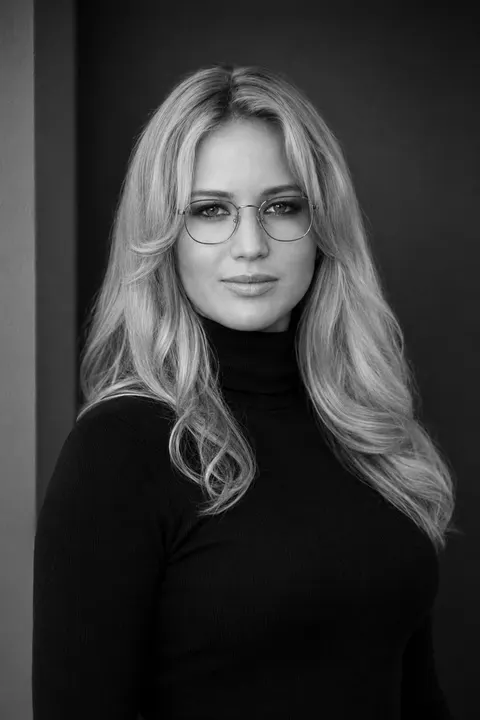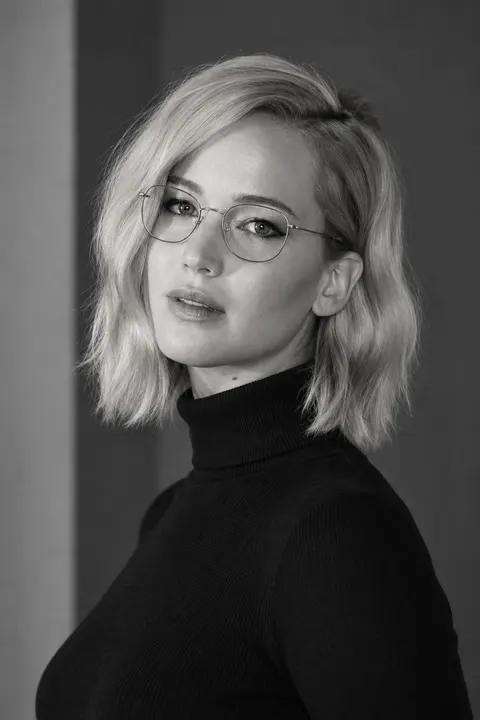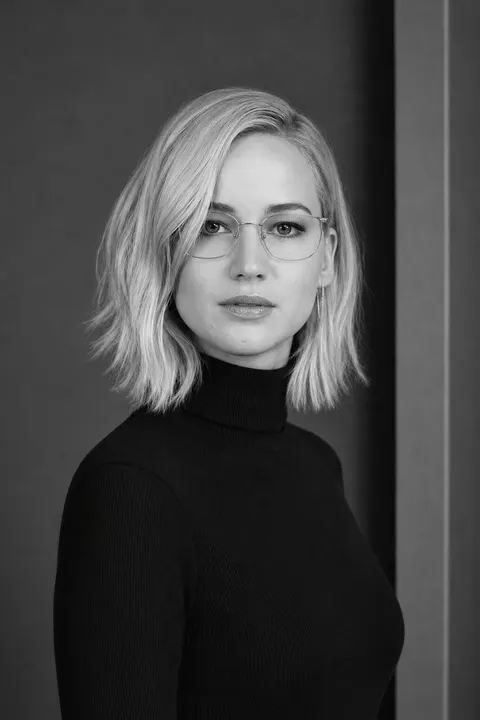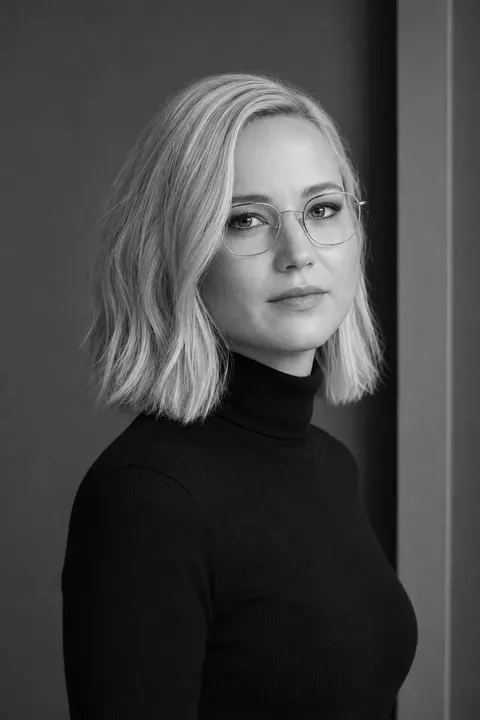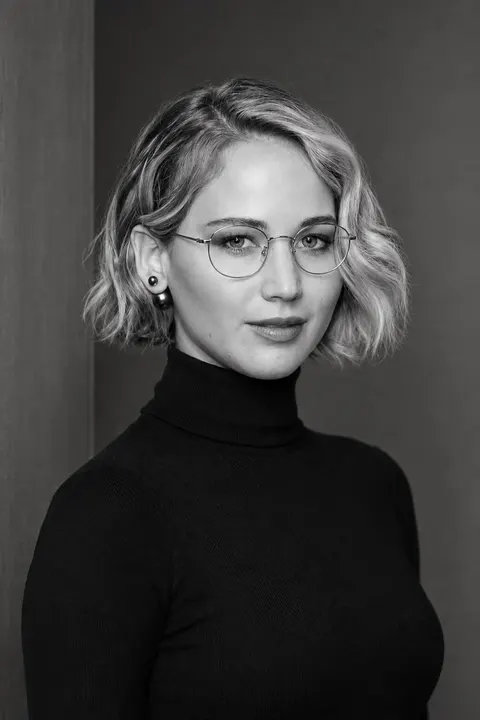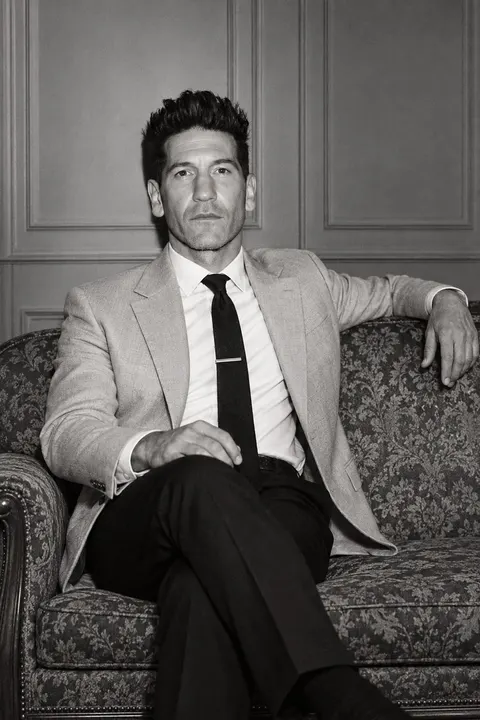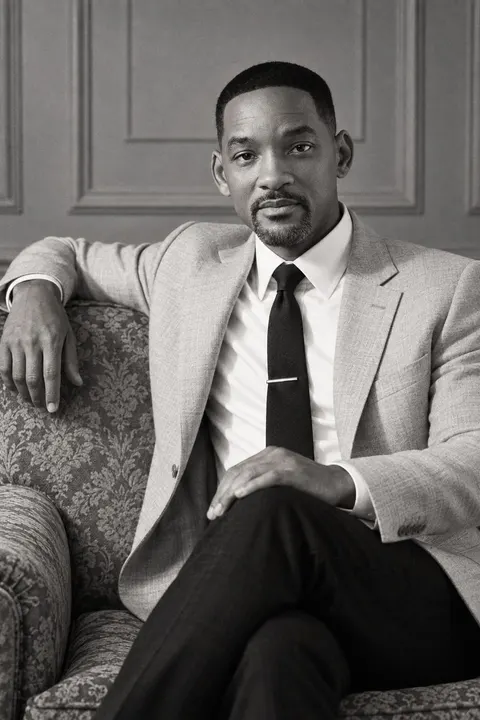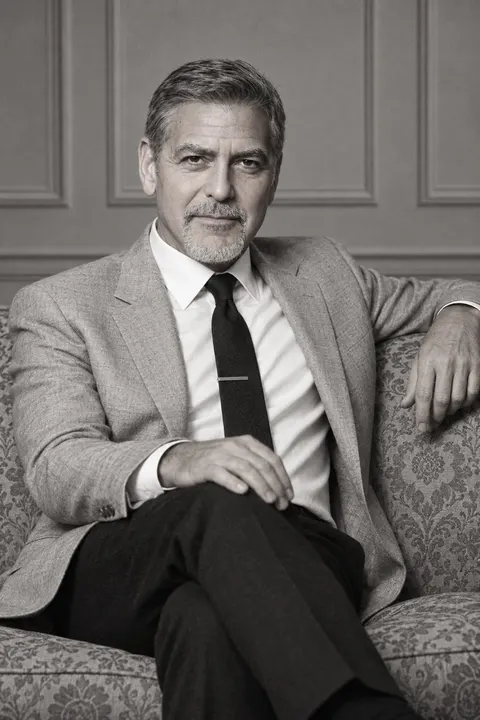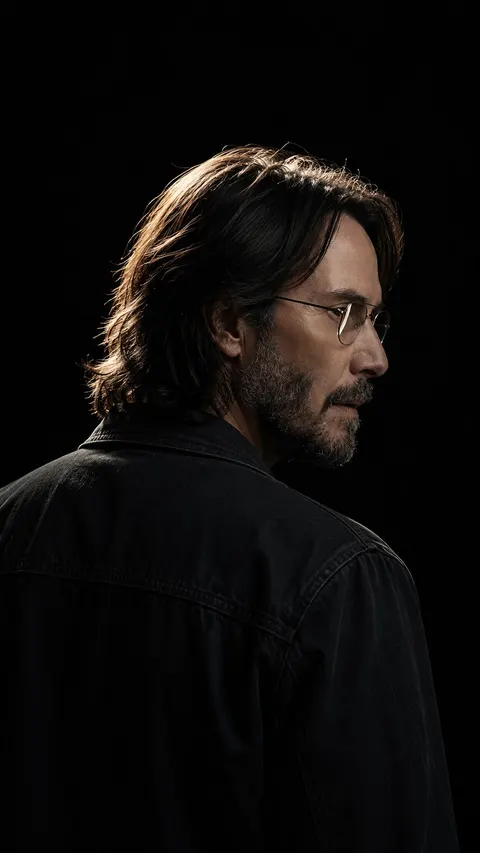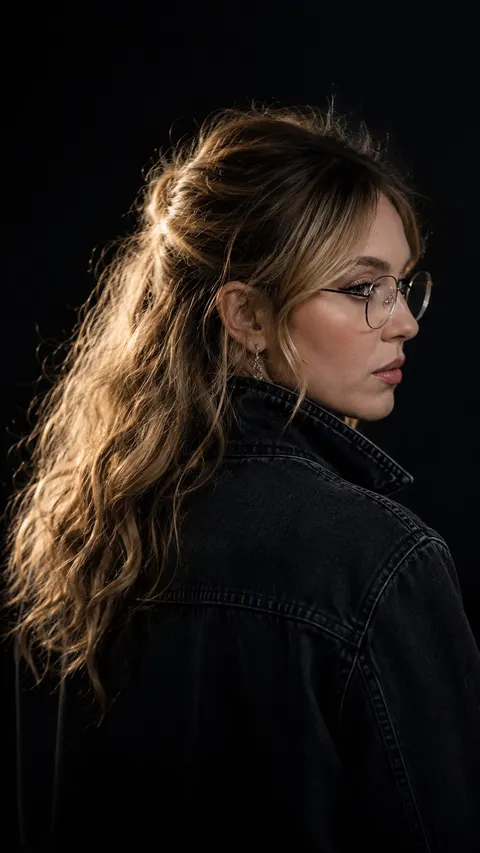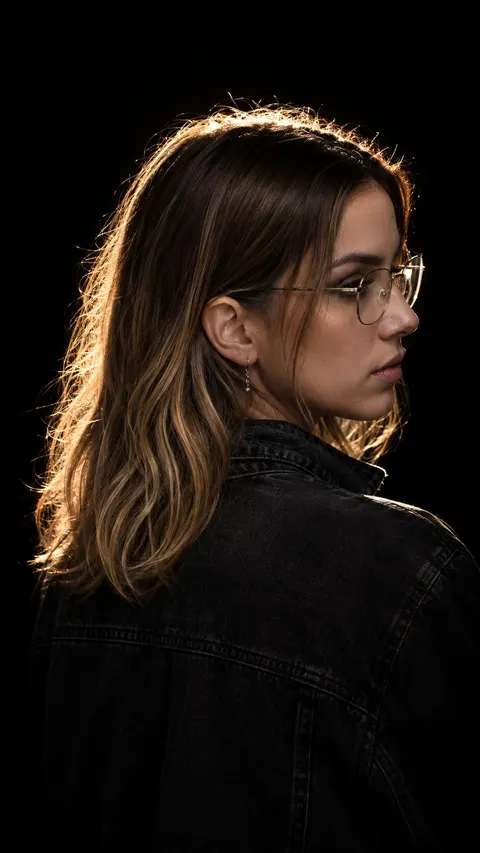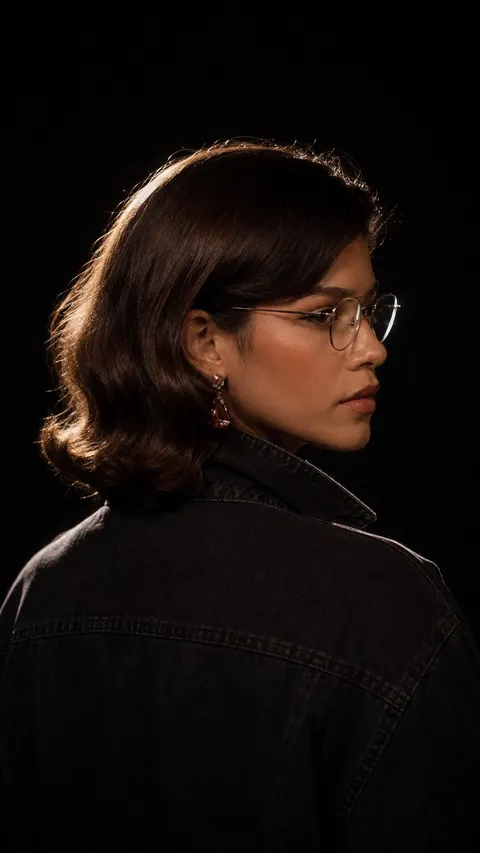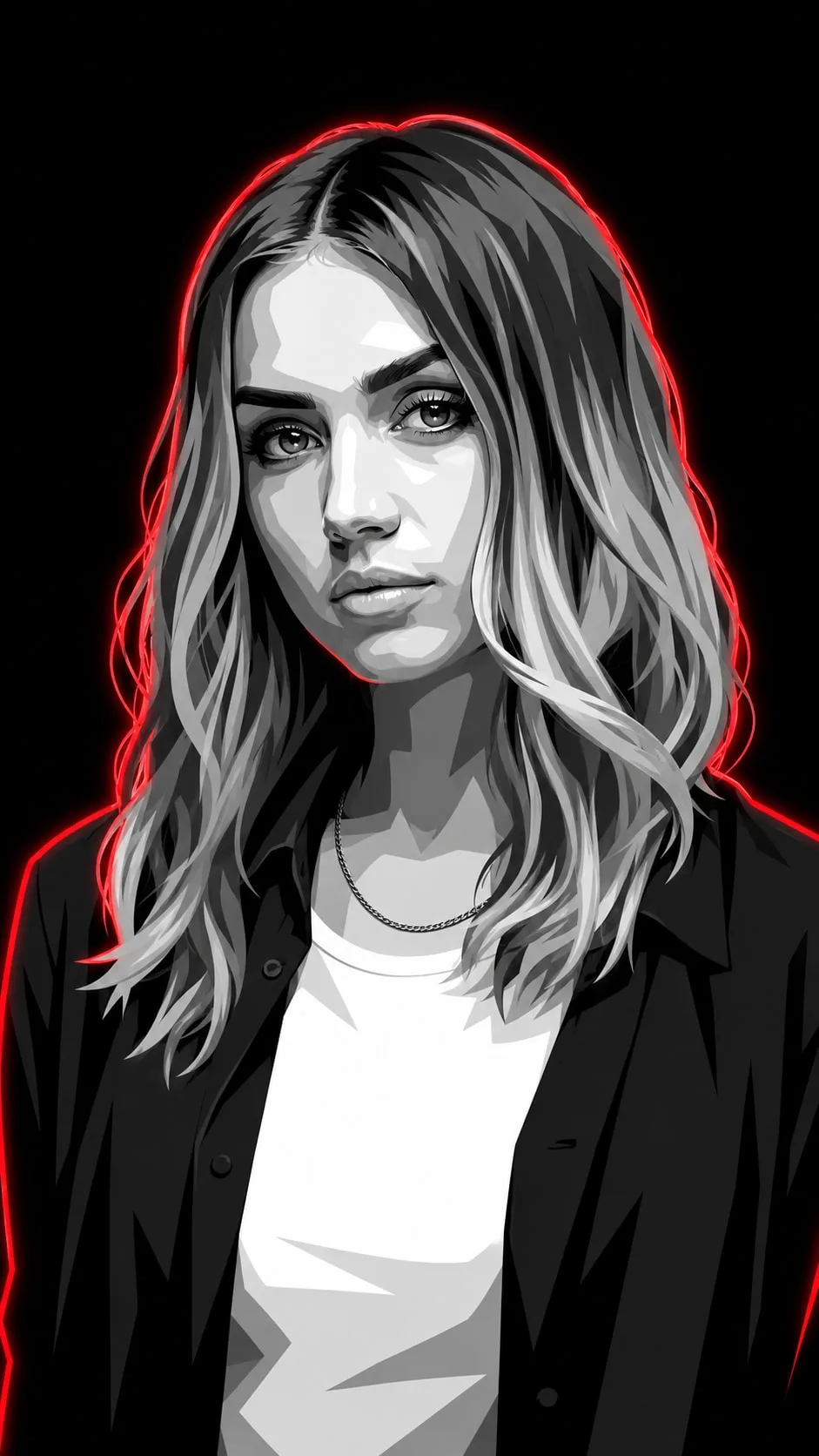
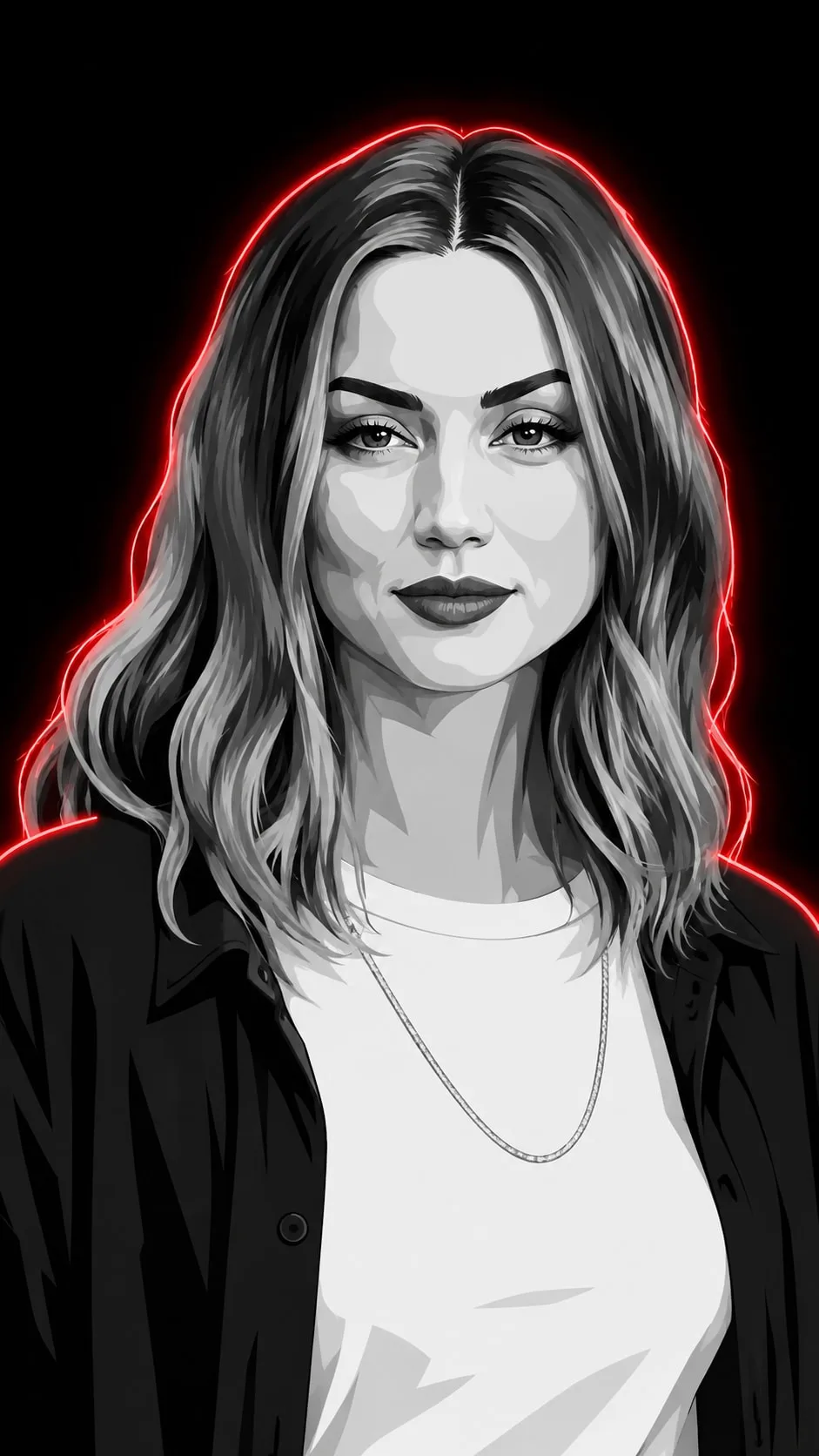
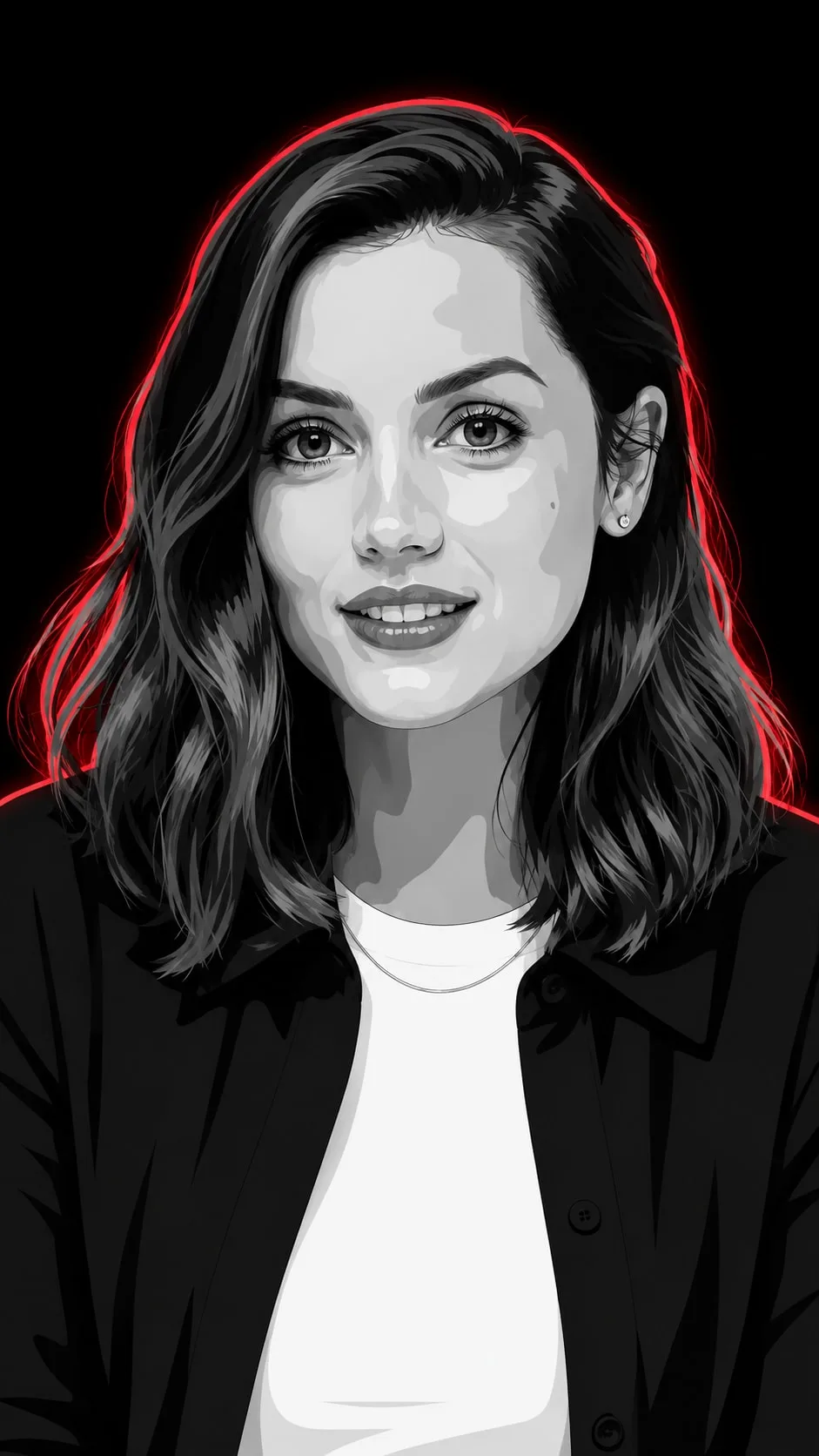
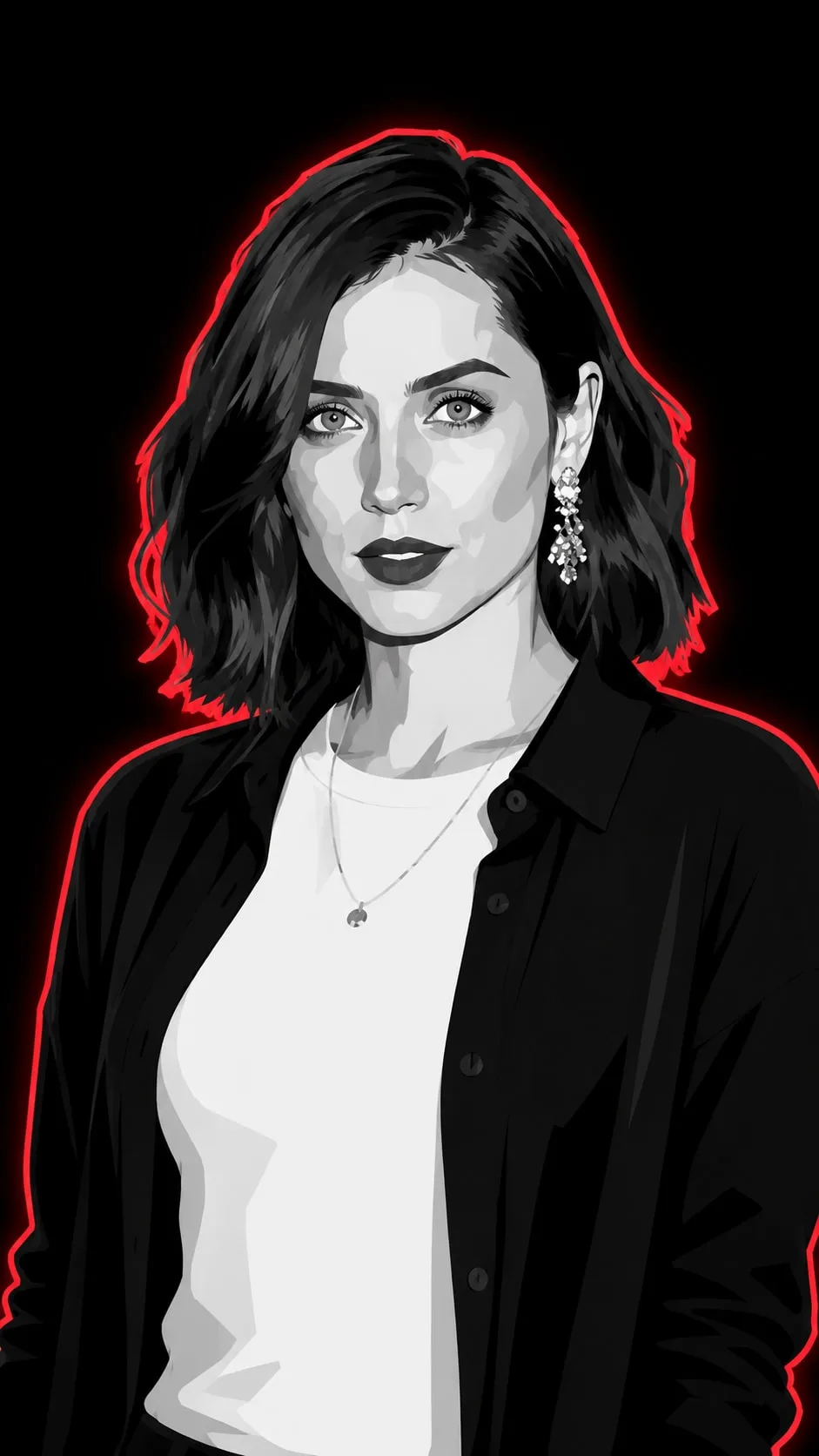
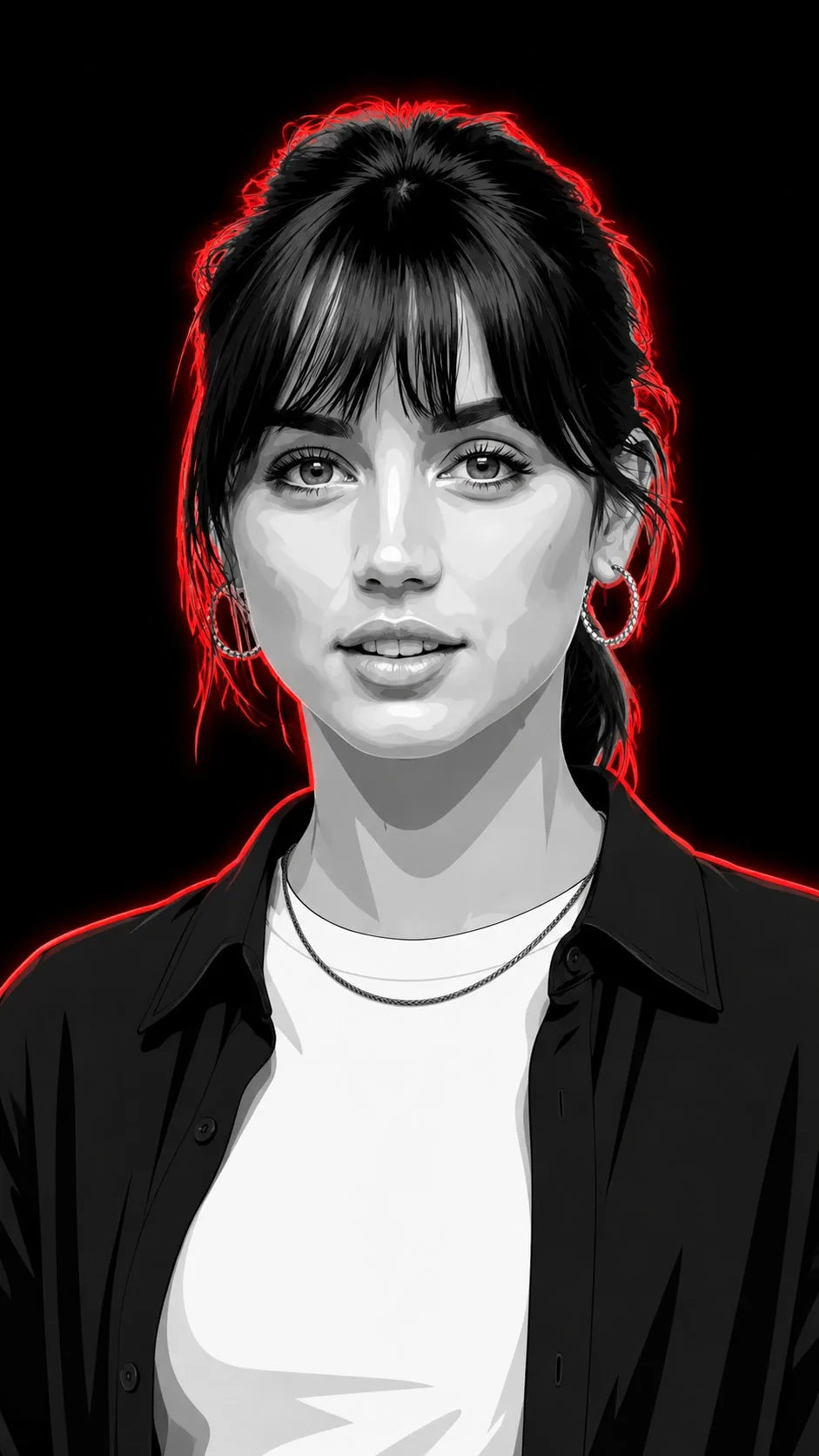
Monochrome Vector Poster with Red Neon Rim
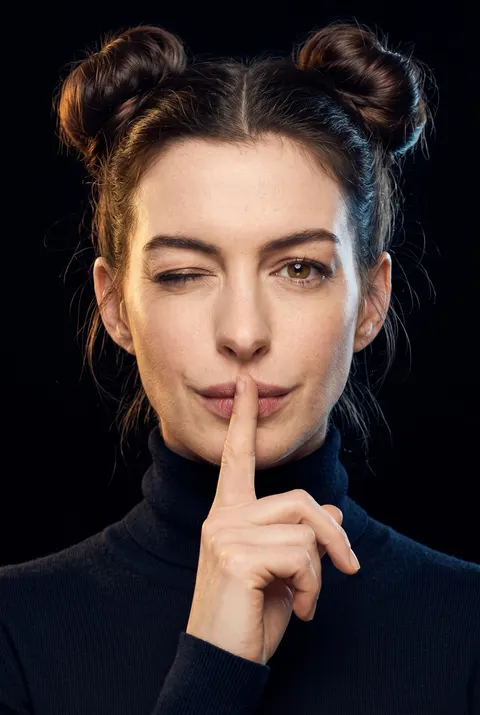
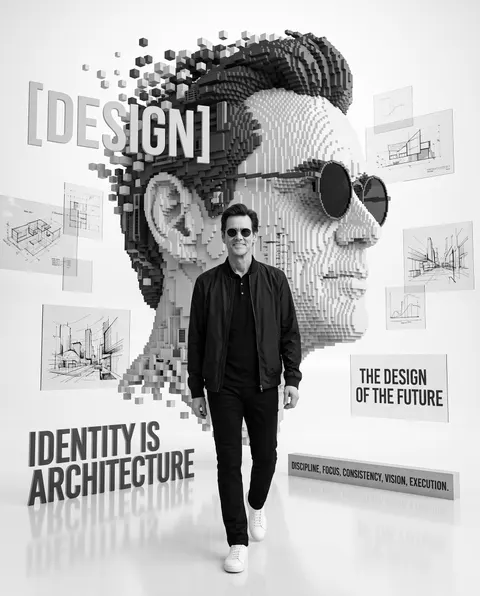
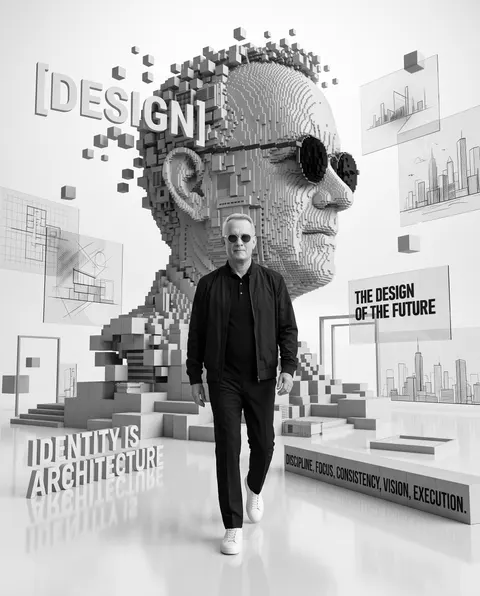
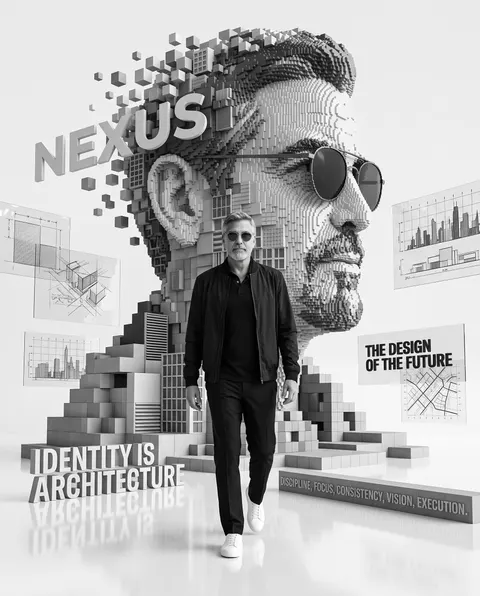
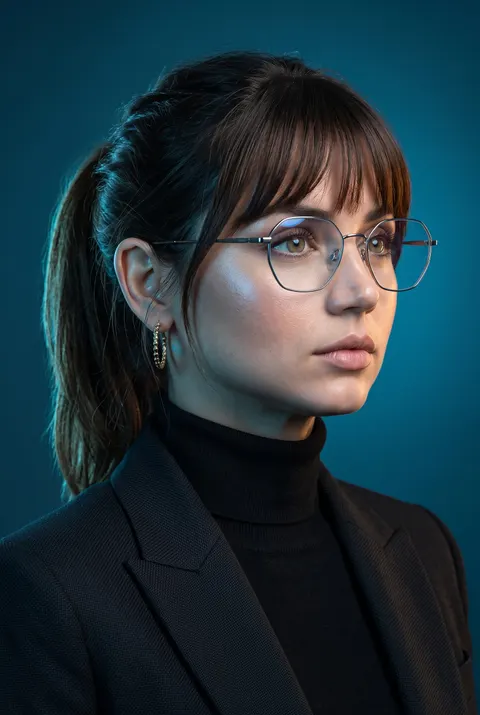
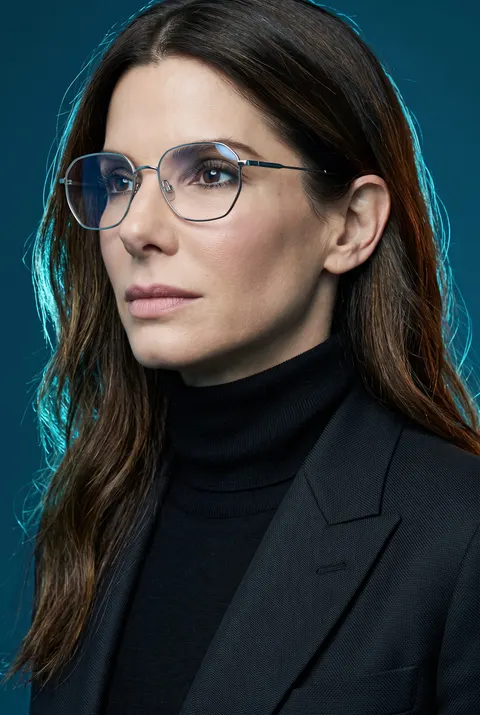
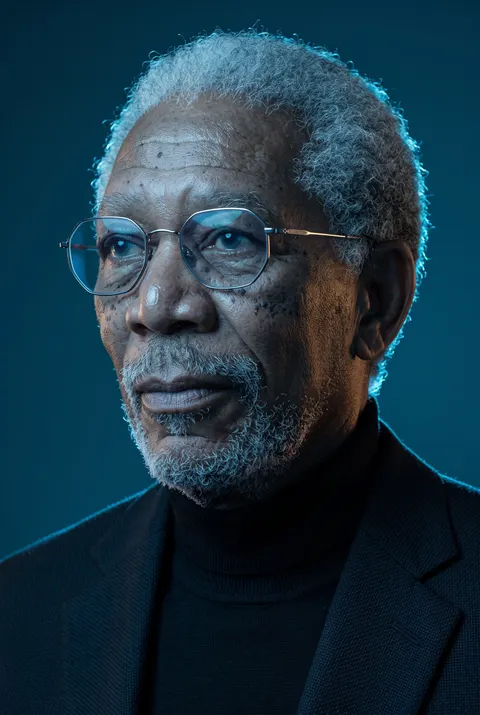
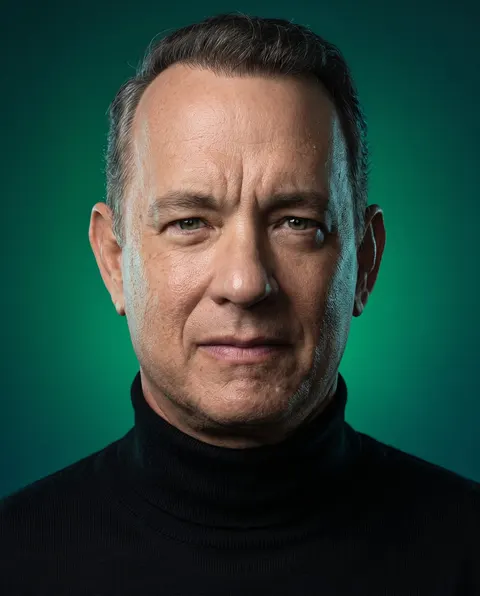
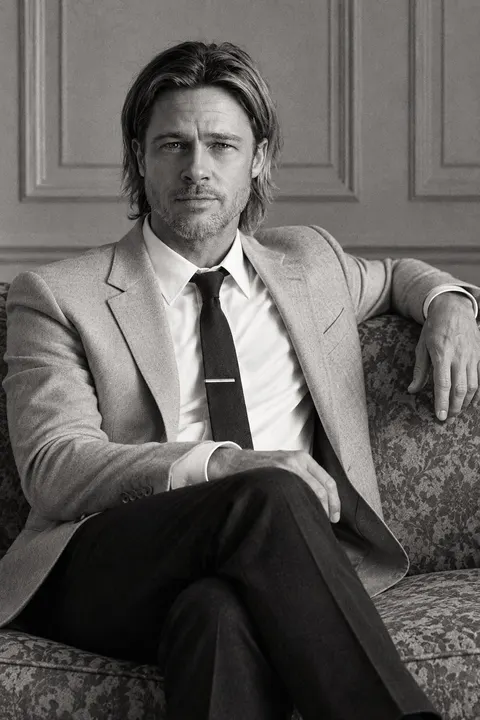
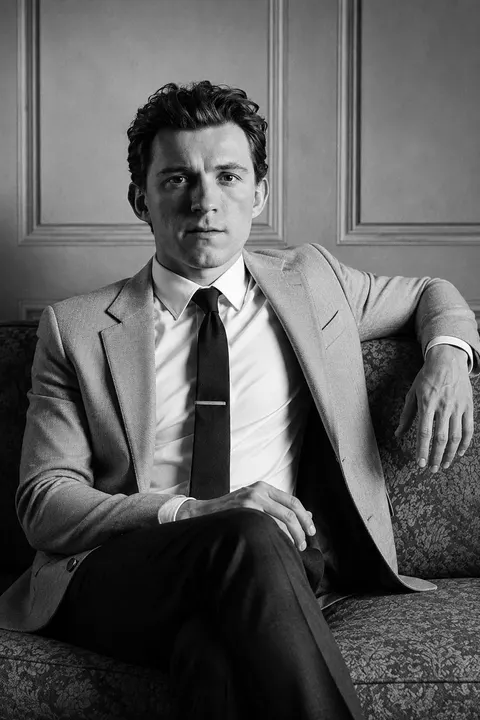
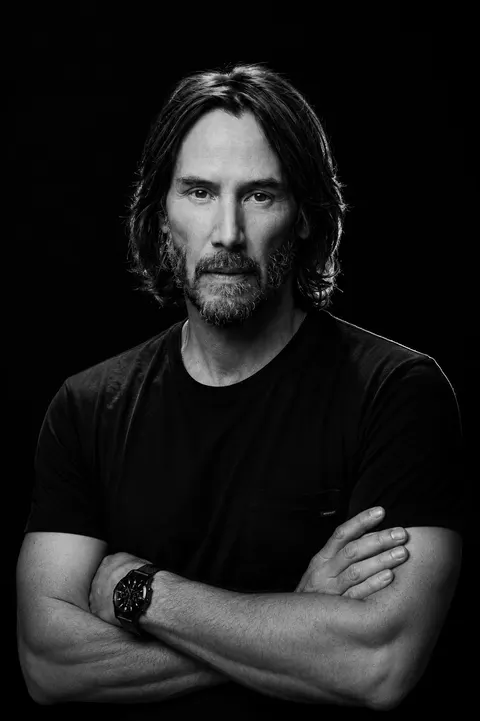
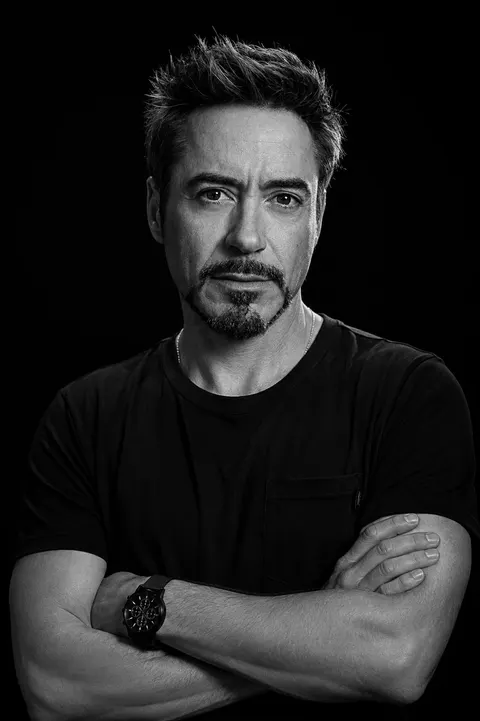
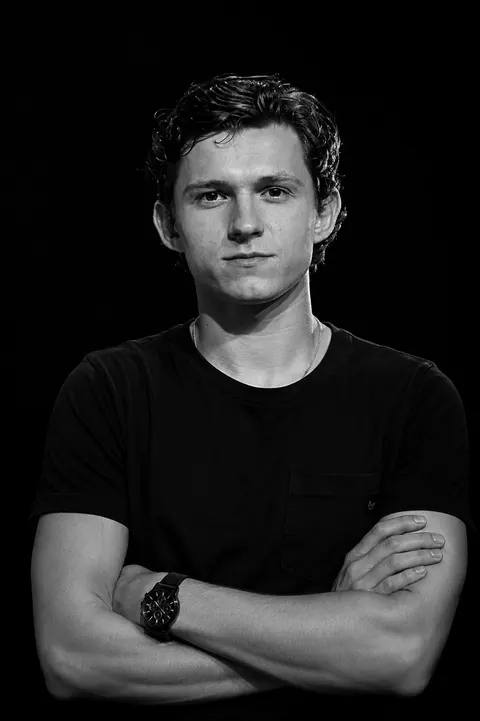
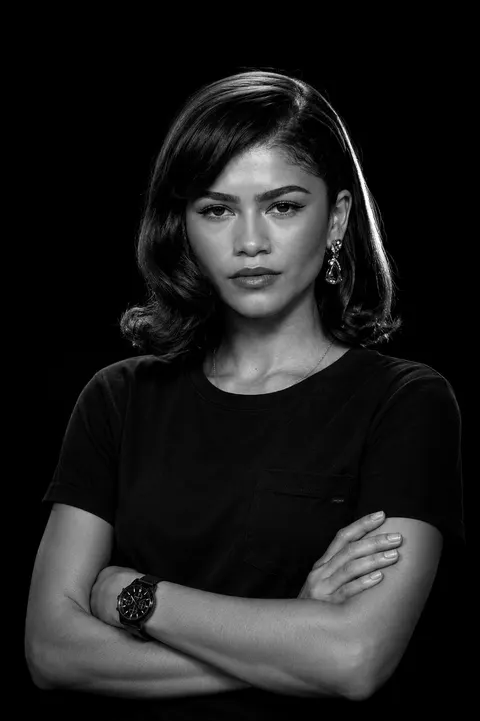
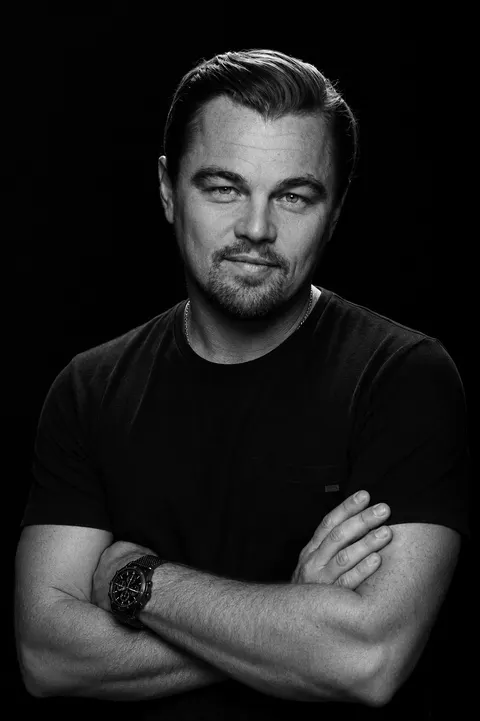
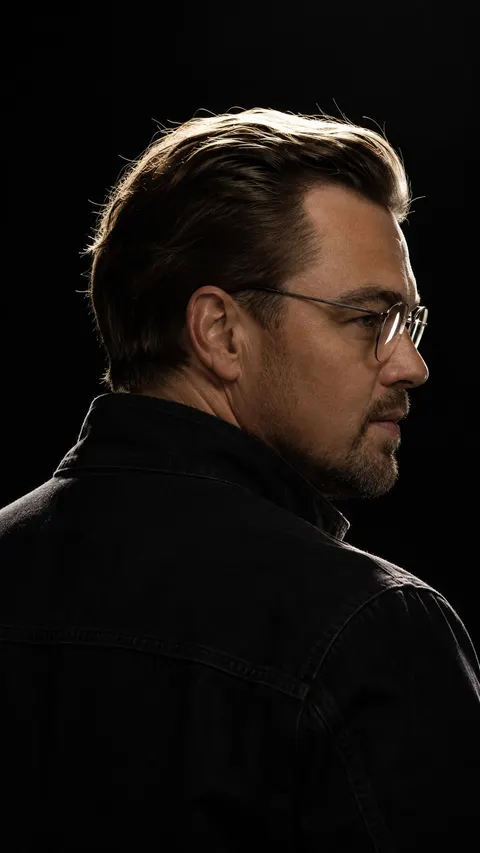
Monochrome vector poster prompt: posterized black-and-white portrait with a vivid red neon rim light on pure black. Examples feature Ana de Armas.
Prompt
# LOCKED MASTER PROMPT — MONOCHROME VECTOR POSTER PORTRAIT WITH RED NEON RIM

## ROLE

You are a world-class graphic illustrator and poster designer working in a high-contrast, vector-cut, black-and-white style, and a lighting-driven digital artist who uses a single colour with discipline.

Create a premium, stylized digital portrait using the **ATTACHED REFERENCE IMAGE as the identity source**.

The defining idea of this image: a **grayscale, posterized, vector-like illustration** of the subject, cut into clean graphic shapes with sharp tonal steps, standing against **pure black** — and one colour only: a **vivid red neon rim light** tracing the outline of the hair, shoulders and body.

The output must look like a finished editorial poster or album-cover artwork — NOT like a photograph, NOT like a photo with a filter, NOT like a painting, a sketch, a cartoon, an anime frame, a 3D render, or a collage.

Aspect ratio: **9:16 vertical.**
Resolution target: **4K.**

---

# 1. IDENTITY LOCK — ABSOLUTE PRIORITY

Use the person from the **ATTACHED REFERENCE IMAGE**.
Preserve identity with maximum fidelity **within the stylization**. The illustration simplifies tone and edge; it does not alter structure.

**The subject's sex, gender presentation, age, ethnicity and build are whatever the reference shows. Nothing in this prompt overrides the reference on any of these.**

Preserve exactly, translated into graphic shapes:

* Facial geometry and skull proportions
* Face shape and width-to-height ratio
* Forehead height and hairline shape
* Brow ridge projection
* Eyebrow shape, thickness and spacing
* Eye shape, size, spacing and eyelid structure
* Nose bridge, tip and nostril structure
* Cheekbone height and projection
* Jawline definition and angle
* Chin shape and projection
* Lip shape, thickness and proportions
* Ear size, shape and position
* Natural facial asymmetry
* Relative skin luminance — how light or dark the skin renders in grayscale
* Neck thickness and shoulder width
* Apparent age
* Any moles, scars or distinguishing marks large enough to survive posterization

The subject must remain unmistakably the same individual as the reference, even after the tonal simplification.

### HAIR — CONDITIONAL
Preserve the reference hairstyle exactly: the same length, volume, curl or wave pattern, hairline and parting. Do NOT shorten, lengthen, restyle, straighten or curl it. The hair mass is drawn as bold graphic shapes that follow the reference silhouette and internal structure.

### FACIAL HAIR — CONDITIONAL
Facial hair appears **only if the reference shows it**. If present, preserve its exact length, density and cheek line as a graphic shape. If absent, add none.

### STYLIZATION DOES NOT LICENSE REDESIGN
Simplification means fewer tones and cleaner edges. It does not mean a stronger jaw, larger eyes, fuller lips, a narrower face, or any "idealized" version of the reference.

**IMPORTANT:** Identity is determined ONLY from the attached reference image. Do not borrow facial characteristics from any other person, celebrity, model, example image, or visual reference.

---

# 2. STYLE & RENDER LOCK — CRITICAL

This is a **vector-cut, posterized illustration**.

### TONAL STEPS
* The entire subject is rendered in **five to seven discrete grayscale tones**: pure black, pure white, and three to five flat greys between them
* There is **no continuous gradient** anywhere on the subject — every transition between tones is a hard, clean edge
* Each tone is a **flat fill**, with no texture, noise, grain or brush stroke inside it

### SHAPE LANGUAGE
* Skin, hair, beard, clothing and shadow are all built from **clean, closed graphic shapes** with crisp vector-like edges
* Shadow shapes follow real facial structure — the eye socket, the side of the nose, the under-lip, the jaw — but are simplified into bold, readable forms
* Hair is drawn as a small number of large interlocking shapes suggesting volume and direction, not as individual strands
* Facial hair, where present, is drawn as a solid or two-tone shape with a clean edge, not as individual hairs
* Highlights are cut as sharp white shapes on the forehead, nose bridge, cheekbone and lower lip
* Line work is minimal: shapes meet edge-to-edge; there are no outlines drawn around forms except where the red rim provides one

### SURFACE
* Everything is flat: no rendering of pores, fabric weave, skin sheen or fine detail
* The only "detail" is the precision of the shape edges

Do NOT render photographic tone, gradients or soft shading.
Do NOT add texture, grain, noise or brush strokes inside any fill.
Do NOT draw individual hair strands or individual beard hairs.
Do NOT use halftone dots, hatching, cross-hatching or stipple.
Do NOT render as a painting, watercolour, sketch, pencil drawing or charcoal.
Do NOT render as anime, manga, cartoon or comic-book style.
Do NOT render as a 3D model or a cel-shaded 3D render.
Do NOT let any photographic element survive — this is fully illustrated.

---

# 3. COLOUR LOCK — CRITICAL

The image contains **exactly two colour families**:

**1. Grayscale** — pure black, pure white and flat greys, on the subject and the background.
**2. One red** — a vivid, saturated neon red, approximately **#FF1A2E to #FF3344**, used **only** for the rim light described in Section 11.

Nothing else. No second accent, no tint on the greys, no warm or cool cast on the skin, no coloured background.

Do NOT tint the grayscale toward blue, sepia, warm or cool.
Do NOT add a second colour anywhere.
Do NOT let the red bleed into the interior of the subject as a wash or tint.
Do NOT colour the eyes, lips, clothing or background.
Do NOT desaturate or darken the red into maroon, crimson or pink.

---

# 4. COMPOSITION LOCK

### Viewpoint
Straight-on, eye level. The implied viewpoint sits at the subject's eye line, horizontal.

### Subject orientation
* Body **square to the viewer**, shoulders rotated no more than **5 degrees**
* Head **square to the viewer**, rotated no more than **5 degrees**
* Lateral head tilt no more than **3 degrees**
* Chin level

Do NOT use a low or high viewpoint.
Do NOT turn the body or head into a three-quarter position.
Do NOT tilt the head.
Do NOT introduce perspective distortion.

---

# 5. FRAMING LOCK

**Mid-torso up.**

Show:

* The whole head with the full hair silhouette
* Neck, with the necklace
* Both shoulders
* The open shirt and the white t-shirt beneath it, down to approximately the mid-torso
* The lower edge of the frame at approximately the **base of the ribcage**

The head (top of hair to chin) occupies approximately **30–36% of the total frame height**.
The eye line sits approximately **32–37% down from the top**.
The chin sits at approximately **52–57%** down from the top.
The shoulders span approximately **60–70% of the frame width**.

### HEADROOM LOCK
Leave approximately **10–15% of the total frame height** as pure black above the top of the hair.
The hair and its red rim must be fully inside the frame and must NOT be clipped by the upper edge.

### CROP LOCK
Do NOT crop the top of the head or the hair's rim.
Do NOT crop either shoulder.
Do NOT tighten into a head-and-shoulders or face-only crop.
Do NOT extend below the mid-torso into a waist-up or full-body composition.

---

# 6. SUBJECT POSITION

Place the subject at the **exact horizontal centre**, with the centre of the face at **48–52% of frame width**.
The composition is symmetrical and still.
Pure black surrounds the subject on all sides.

Do NOT offset the subject.
Do NOT add any element that breaks the symmetry.

---

# 7. HEAD, GAZE & EXPRESSION

The subject looks **directly at the viewer**, with a steady, level gaze.
Both eyes are open and clearly readable as graphic shapes, each with a single sharp white highlight.

Expression:

* Calm and confident
* Composed and quiet
* Brow level and relaxed
* Lips closed and relaxed, neutral — a faint, barely perceptible firmness at the corners, no more
* Jaw relaxed

Do NOT smile or show teeth.
Do NOT produce a scowl, smoulder, snarl or theatrical intensity.
Do NOT produce a blank, dead or vacant look.
Do NOT direct the gaze away from the viewer.
Do NOT squint or close the eyes.

---

# 8. WARDROBE & ACCESSORY LOCK

### Outer layer
A **black shirt, worn open** — unbuttoned, both sides hanging apart.

* Rendered as pure black or near-black flat shapes
* A simple pointed collar, open and lying flat
* The two front edges falling straight down on either side of the chest, revealing the t-shirt beneath
* Minimal fold structure: two or three clean shadow shapes at most

### Inner layer
A **plain white crew-neck t-shirt**.

* Rendered as a pure white shape with one or two flat grey shadow shapes suggesting the chest and the neckline
* Its white is the **brightest area of the subject** after the specular highlights, and is the main tonal counterweight to the black shirt and background

### Necklace
A **simple necklace** at the neckline.

* A thin chain or cord drawn as a single clean line or a narrow shape
* A small, plain pendant permissible only if the reference shows one; otherwise no pendant
* Rendered in grayscale — no colour, no glow

Do NOT add prints, graphics, patterns, text or logos.
Do NOT add a jacket, hoodie, tie, layered accessories or a hat.
Do NOT close or button the shirt.
Do NOT change the shirt to grey or the t-shirt to black.
Do NOT render a thick chain, multiple necklaces or jewellery not in the reference.

---

# 9. BACKGROUND LOCK — CRITICAL

**Pure black. #000000. Nothing else.**

* No gradient, no vignette, no glow pool, no spotlight, no texture, no grain
* The background is a flat field of absolute black across the entire frame
* The subject's black shirt merges with it at the edges; only the red rim and the grey/white shapes define the silhouette

NO objects, shapes, patterns, lines or geometric elements.
NO text, typography, titles, captions, watermarks or signatures.
NO collage elements, insets, panels, borders or frames.
NO small secondary image, photo or thumbnail anywhere, including the corners.
NO smoke, haze, particles, sparks, light rays or lens flare.
NO second figure, silhouette or shadow.

---

# 10. IMPLIED LIGHTING LOCK

The posterized shading implies a lighting setup. Lock it so every generation shades the same way.

### KEY
A single implied key light from **above and slightly to one side** — approximately **30–45 degrees** off axis, **20–30 degrees** above eye level.

It produces, as flat shapes:

* White highlight shapes on the forehead, nose bridge, upper cheekbone and lower lip on the lit side
* Light grey across the lit side of the face and neck
* Mid grey across the turning planes
* Dark grey to black in the eye sockets, under the nose, under the lower lip, under the jaw, and along the shadow side of the face and neck

### FILL
No fill. The shadow side falls to the darkest grey or black in clean shapes.

Do NOT shade from the front — flat frontal shading destroys the graphic structure.
Do NOT introduce a second implied light source other than the red rim.
Do NOT soften the shadow shapes into gradients.

---

# 11. RED NEON RIM LIGHT LOCK — CRITICAL

This is the signature of the image and must be reproduced precisely.

### PLACEMENT
A vivid red rim traces the **outer silhouette of the subject**, as if a red light source sat directly behind the figure.

It runs along:

* The entire outer contour of the hair, following every curl and lobe of the silhouette
* The tops and outer edges of both shoulders
* The outer edges of both upper arms and the sides of the torso down to the frame edge
* The outer edge of the neck and jaw where they meet the black background
* Optionally, a thin trace along the collar edges of the open shirt

It does **not** appear on the interior of the face, on the t-shirt, or on any surface facing the viewer.

### WIDTH
* Approximately **0.4–0.8% of frame width** — a thin, precise band, not a thick border
* Marginally wider at the hair and shoulder tops, marginally narrower down the sides

### GLOW
* A **soft red glow** spills outward from the rim into the black background, fading over roughly **1.5–3% of frame width**
* The glow is outward only — into the background — never inward across the subject
* The glow is smooth and even, with no banding

### CHARACTER
* Vivid, saturated, luminous — the red reads as **emitted light**, not as a painted outline
* The rim's inner edge is crisp against the grayscale shapes; its outer edge dissolves into the glow
* It is the only colour and the only soft gradient permitted in the image

Do NOT render the rim as a hard flat outline with no glow.
Do NOT let the glow spread inward over the face or clothing.
Do NOT let the red tint the greys, the whites or the skin.
Do NOT thicken the rim into a heavy border.
Do NOT break the rim into dashes or fragments — it is continuous along the silhouette.
Do NOT place a red glow pool, spotlight or gradient in the background behind the subject.
Do NOT change the red to orange, pink, magenta or crimson.
Do NOT add a second rim colour.

---

# 12. EDGE & SHAPE QUALITY

* Every edge between two tones is **crisp and clean**, as if cut from paper or drawn in vector
* Curves are smooth; corners are deliberate
* No anti-aliasing softness, feathering or blur between shapes
* No jagged, pixelated or hand-shaky edges
* Shapes are closed and well-formed; no stray marks, gaps or overlaps
* The red rim is the only element with a soft edge, and only on its outer side

Do NOT feather, blur or soften shape edges.
Do NOT leave gaps between adjoining shapes.
Do NOT produce jagged or pixelated edges.

---

# 13. TONAL STRUCTURE

Approximate distribution of the frame:

* Pure black background and black shirt: **55–65%**
* Dark grey and mid grey shapes on the face, hair, neck and shadows: **15–22%**
* Light grey and white shapes — lit skin, highlights, white t-shirt: **12–18%**
* Red rim and glow: **3–6%**

Behavior:

* The white t-shirt and the skin highlights are the brightest elements
* The face reads clearly as a light-on-dark structure with strong internal contrast
* The subject's silhouette is defined by the red rim against black, not by a grey halo
* Overall contrast is **maximal** — the image is built from extremes

Do NOT add mid-grey to the background.
Do NOT flatten the face into a single grey.
Do NOT lose the shape structure by using too few tones.
Do NOT blur the structure by using too many tones.

---

# 14. IMAGE QUALITY

* 4K resolution target with crisp vector-like edges throughout
* Clean, closed shapes with no artifacts, noise, compression banding or stray pixels
* The red glow rendered as a smooth gradient with no banding
* Pure black rendered as true #000000, not a dark grey
* Pure white rendered as true white, not an off-white

No photographic texture.
No grain, noise or film emulation.
No blur, bloom or lens effects other than the red glow.
No painterly, sketchy or textured rendering.
No JPEG artifacts or banding.

---

# 15. VISUAL HIERARCHY

**Eyes → Face structure in black and white → Red rim tracing the hair and shoulders → White t-shirt and open black shirt → Pure black field**

The face is the subject.
The red rim is the signature — it defines the silhouette and gives the image its energy.
The black field is silence.

---

# 16. NON-NEGOTIABLE RULES

These must NEVER change between generations:

1. Fully illustrated, vector-cut, posterized style — never photographic.
2. Five to seven flat grayscale tones on the subject; no gradients except the red glow.
3. Exactly two colour families: grayscale and one vivid neon red.
4. Red used only for the rim light and its outward glow.
5. Pure #000000 background with nothing in it.
6. Straight-on, eye-level viewpoint.
7. Subject square to the viewer, head level.
8. Direct gaze at the viewer.
9. Calm, confident, closed-mouth expression.
10. Mid-torso-up framing.
11. Head 30–36% of frame height; 10–15% headroom.
12. Subject at the exact horizontal centre.
13. Hair drawn as bold interlocking shapes following the reference silhouette.
14. Facial hair, if present in the reference, as a clean graphic shape.
15. Black shirt worn open over a plain white crew-neck t-shirt.
16. Simple necklace in grayscale.
17. Single implied key light from above and one side; no fill.
18. Continuous red rim along the hair, shoulders, arms and torso sides.
19. Rim width 0.4–0.8% of frame width with an outward glow of 1.5–3%.
20. Red never entering the interior of the subject.
21. Crisp, clean shape edges everywhere; no feathering.
22. No texture, grain, noise or brush strokes.
23. No text, collage, insets, borders, corner images or secondary elements.
24. 9:16 vertical aspect ratio at 4K.

---

# 17. REFERENCE PRIORITY SYSTEM

### PRIORITY 1 — IDENTITY
Facial structure, hair, facial hair, relative skin luminance, build, sex, gender presentation, age and natural likeness come exclusively from the attached reference, preserved through the stylization.

### PRIORITY 2 — STYLE AND COLOUR DISCIPLINE
The posterized vector rendering and the two-colour-family rule remain unchanged.

### PRIORITY 3 — RED RIM
Its placement, width, glow and exclusivity remain unchanged.

### PRIORITY 4 — COMPOSITION AND EXPRESSION
The centred mid-torso framing, the square frontal stance and the calm gaze remain unchanged.

### PRIORITY 5 — WARDROBE AND BACKGROUND
The open black shirt, white t-shirt, necklace and pure black field remain unchanged.

### PRIORITY 6 — IMPLIED LIGHTING AND TONAL STRUCTURE
The single side key and the tonal distribution remain unchanged.

If the reference image conflicts with any of these instructions, **preserve identity, anatomy, hair, facial hair and natural likeness from the reference, and preserve the style, colour discipline, rim light, composition, expression, wardrobe, background and lighting specification from this prompt.**

---

# 18. NEGATIVE CONSTRAINTS

### Style errors
Do NOT generate:

* A photograph or a photo with a filter applied
* Continuous gradients or soft shading on the subject
* Texture, grain, noise or brush strokes inside fills
* Individual hair strands or individual beard hairs
* Halftone, hatching, cross-hatching or stipple
* Painting, watercolour, oil, sketch, pencil or charcoal rendering
* Anime, manga, cartoon or comic-book rendering
* 3D model, cel-shaded 3D or CGI rendering
* Feathered, blurred, jagged or pixelated shape edges
* Too few tones, flattening the face
* Too many tones, dissolving the shape structure

### Colour errors
Do NOT generate:

* Any colour other than grayscale and the single red
* A tint on the greys — blue, sepia, warm or cool
* Coloured eyes, lips, skin, clothing or background
* Red bleeding, washing or tinting into the subject's interior
* Orange, pink, magenta, crimson or maroon in place of the specified red
* A second rim colour or a second accent colour

### Rim light errors
Do NOT generate:

* A hard outline with no glow
* A glow spreading inward over the face or clothing
* A thick, heavy border
* A broken, dashed or fragmented rim
* A rim missing from the hair, the shoulders or the torso sides
* A red glow pool, spotlight or gradient in the background
* Red on any surface facing the viewer

### Composition and framing errors
Do NOT generate:

* A low, high, tilted or perspective-distorted viewpoint
* A three-quarter or turned body or head
* A tilted head
* A head-and-shoulders, face-only, waist-up or full-body crop
* A cropped top of head, hair rim or shoulder
* An off-centre subject
* Any element breaking the symmetry

### Expression errors
Do NOT generate:

* A smile, open mouth or visible teeth
* A scowl, smoulder, snarl or theatrical intensity
* A blank, dead or vacant look
* A gaze away from the viewer
* Squinting or closed eyes

### Wardrobe errors
Do NOT generate:

* A closed or buttoned shirt
* A grey shirt or a black t-shirt
* Prints, graphics, patterns, text or logos
* A jacket, hoodie, tie, hat or layered accessories
* A thick chain, multiple necklaces, or a pendant not in the reference
* A coloured or glowing necklace

### Background and content errors
Do NOT generate:

* A background that is anything other than pure #000000
* A gradient, vignette, glow pool, spotlight, texture or grain in the background
* Objects, shapes, patterns, lines or geometric elements
* Text, typography, titles, captions, watermarks or signatures
* Collage elements, insets, panels, borders or frames
* A small secondary image, photo or thumbnail anywhere, including the corners
* Smoke, haze, particles, sparks, light rays or lens flare
* A second figure, silhouette or shadow

### Identity errors
Do NOT generate:

* A change in the subject's sex, gender presentation, age, ethnicity or build from the reference
* A restyled, shortened, lengthened, straightened or curled hairstyle
* Added or removed facial hair
* A stronger jaw, larger eyes, fuller lips, narrower face or any idealized redesign
* A change in relative skin luminance
* A generic or default face not derived from the reference
* Asymmetrical or misaligned eyes caused by generation error
* Deformed ears
* A likeness that survives only as a silhouette without the reference's facial structure

---

# FINAL INSTRUCTION

Create the image as if the **same illustrator, same vector-cut posterized style, same five-to-seven-tone grayscale palette, same single red rim light, same pure black field, same viewpoint, same framing, same wardrobe and same expression** illustrated a completely different person.

Only the **identity of the subject** should change.

The result must belong to a single, consistent poster series — not a set of unrelated AI generations.

**IDENTITY CHANGES. EVERYTHING ELSE STAYS LOCKED.**
Prompt copied — just paste it (Ctrl/Cmd+V) in the chat.